
World Cocktail Day: How Cocktails are at the Center of Modern Dining Culture
India has over 85,000 bars today and it is expected to reach nearly USD 31.47 billion by 2031.

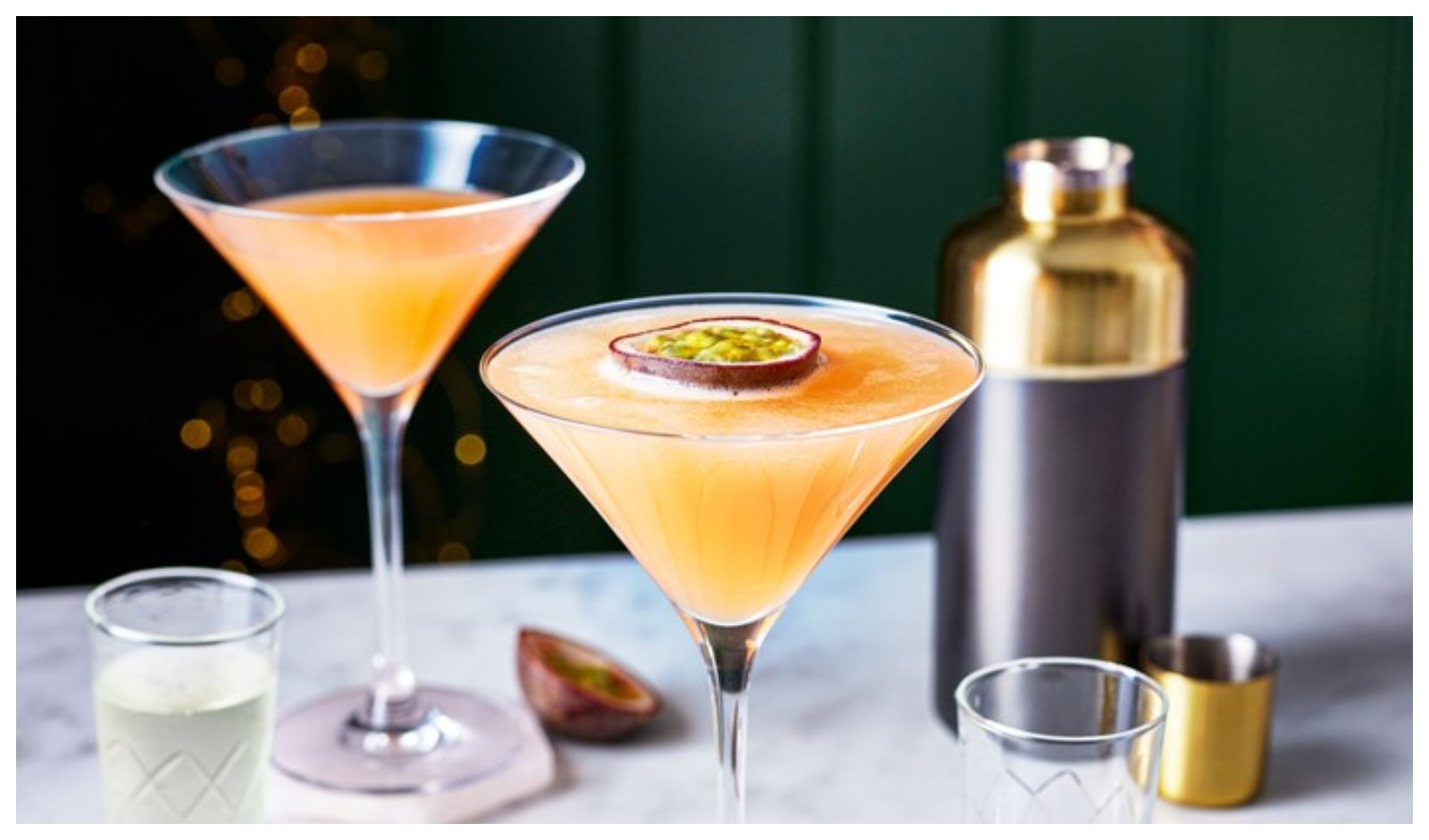
Every year on May 13, the hospitality industry around the world comes together to celebrate World Cocktail Day — an occasion that honours innovation, craftsmanship, culture, and the dynamic world of mixology. In India, the cocktail movement has gained remarkable momentum, shaping everything from restaurant concepts and beverage menus to hotel experiences and nightlife culture.
Modern cocktails are no longer defined by taste alone. They blend storytelling, local ingredients, sustainability, and culinary creativity, turning every drink into a cultural and experiential expression that deepens guest engagement. India has over 85,000 bars today and it is expected to reach nearly USD 31.47 billion by 2031.
What’s New
The biggest shift right now is toward hyper-local ingredients, sustainability and sensory-driven drinking experiences. Bartenders are using techniques like fermentation, clarification, preservation and ingredient research to create more thoughtful drinks. Indian ingredients such as kokum, mahura flowers, jaggery, curry leaf, regional fruits and spices are becoming increasingly prominent.
Expressing his views, Vishal Kathe, Bar Manager, Portal said, “Presentation is also evolving, elevated ice programmes, minimal fresh garnishes, fruit leathers, microgreens and even cheese accents are replacing overly decorative serves. Consumers are drinking less for intoxication and more for experience.”
“At Adelina, we are focusing on experiential cocktail culture by showcasing our signature creations inspired by Italian regions and flavours. Cocktails such as Raspberry Croissant and Frozen Martini highlight our approach toward refined flavour balance, elegant presentation, and modern Italian-inspired mixology, pointed Chef Harshita Bhatia, Culinary Director at Adelina who said that restaurants today are also using this occasion to educate guests about ingredients, cocktail history, sustainable bartending, and the art behind mixology, making it much more than just a promotional event.
From Drinking to Experiences
Consumers today are not just buying cocktails, they are seeking experiences. Modern hospitality is increasingly built around storytelling, immersion, and emotional connection, with cocktails becoming a key part of that shift.
Kathe added, “Cocktails naturally sit at the centre of this shift because they combine flavour, storytelling, service, music and visual appeal into one experience. Social media has accelerated this trend, pushing bars to create more immersive and conversation-worthy experiences.”
Experiential dining has transformed cocktails into interactive offerings, with bars focusing on theatrical presentations, smoke infusions, tableside preparation, unique glassware, and personalized elements.
It’s a Social Language
Cocktails have also emerged as an important part of modern social culture. Their versatility allows bartenders to create personalized drinks suited to different tastes, occasions, and moods, turning beverages into more meaningful experiences.
Jayant Makhija, Head Mixologist, Addonis said, “Bartenders are increasingly adopting low-waste techniques, seasonal ingredients, local sourcing, fermentation, and ingredient repurposing to create more responsible and flavour-forward drinks. At Addonis, we focus on thoughtful ingredient utilisation and culinary techniques that bring depth while minimising wastage.”
Redefining Modern Mixology
Sustainability has become a major focus in modern mixology, with bars increasingly adopting zero-waste practices, ingredient recycling, reusable garnishes, sustainable ice programs, and hyperlocal sourcing.
“Citrus peels become garnishes or syrups, leftover fruits are repurposed into infusions and there’s a stronger focus on seasonal ingredients and smaller-batch preparations. Consumers are also more aware and appreciate brands that make thoughtful choices without compromising on creativity or quality,” added Rhea Parekh Jain, Founder, Rumour.
Report suggests that structured zero-waste programs can cut ingredient waste by nearly 20–30%.
Pairings Becoming Mainstream
Cocktail pairings are becoming more mainstream as guests become more open to curated dining experiences. Bartenders and chefs are collaborating more closely to create menus where drinks complement spice, texture, acidity and aroma in food.
Kathe noted that Indian cuisine offers huge potential for this because of its complexity, making cocktail pairings a natural evolution in modern hospitality.
The Business Impact
Cocktails have evolved far beyond being simple additions to dining or nightlife. Cocktail menus have also become an extension of a venue’s philosophy and brand narrative.
From a business perspective, Jain said that alcoholic cocktails still contribute more significantly to revenue overall. However, non-alcoholic cocktails are becoming a strong growth category because they increase average participation, appeal to a wider demographic, and encourage longer social experiences within venues.
Bhatia said, “At present, in premium dining restaurants, the ratio is approximately: 70% Alcoholic Cocktails & Spirits Consumption and 30% Non-Alcoholic Cocktails Consumption. However, the non-alcoholic segment is growing rapidly, especially among younger guests, wellness-focused consumers, and corporate diners. “
One of the biggest challenges for the cocktail industry today is standing out in an increasingly crowded and trend-driven market. Today’s consumers are no longer simply dining out to eat or drink, they seek memorable, engaging, and experience-driven moments.
Vijetha Iyer
Content Editor
Working as a Content Editor with Restaurant India. I have worked in various sectors like food and beverage sector, chemicals, pharma, nutraceuticals, now specially focusing on restaurant side. But my core knowledge was always on content. Be it writing poems to verses, I always loved writing and have been exploring my career on the same. In Restaurant India, I deliver insightful stories, take interviews of various brands and update the audiences about the newest happenings in the restaurant industry.









































