World Chef’s Day: The Chef Is No Longer Just About the Food
Culinary excellence remains the foundation, but leadership, mentorship, authenticity and business acumen increasingly define what it means to be a chef today.

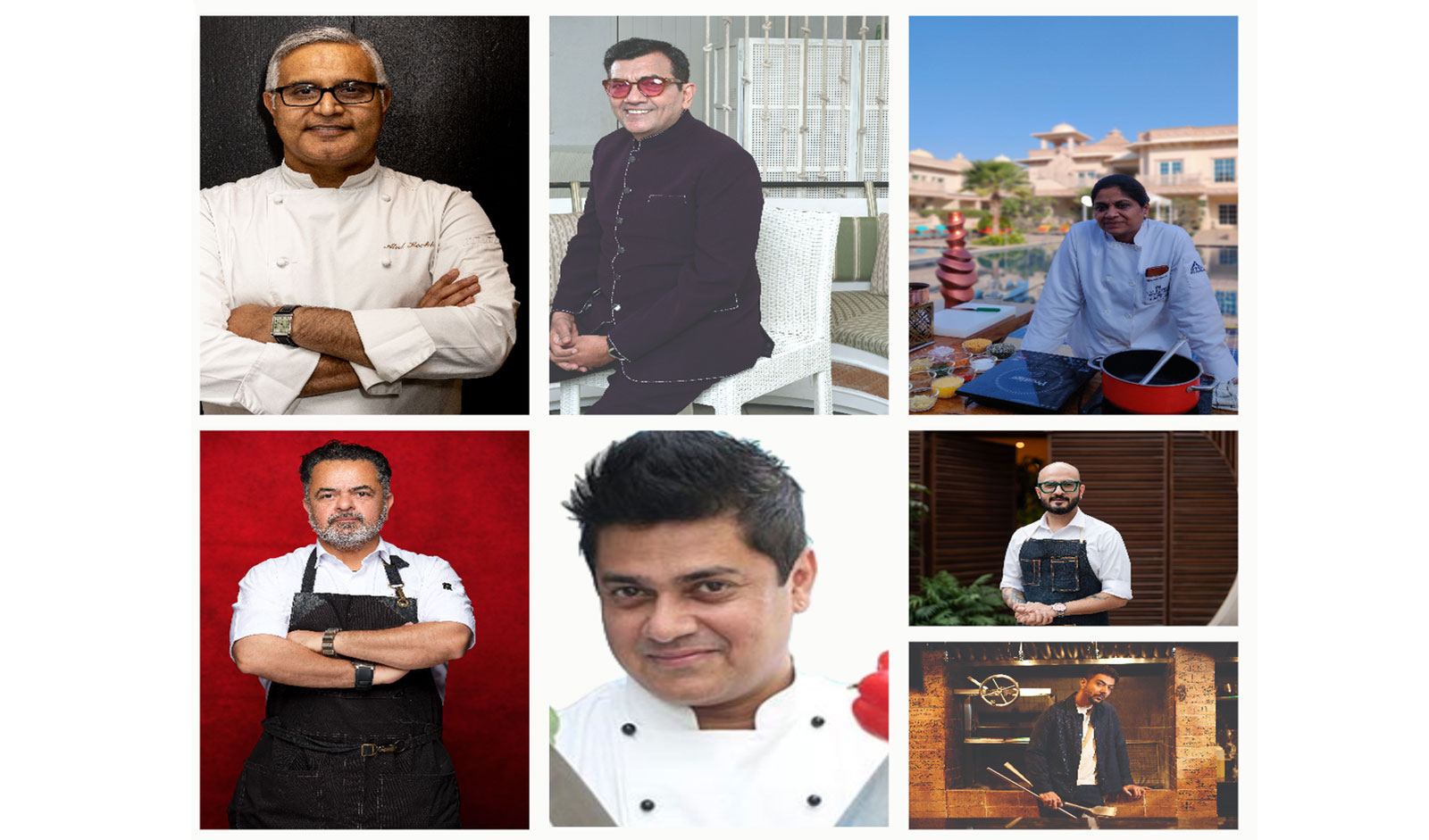
From preserving culinary traditions and taking Indian cuisine global to mentoring young talent and building successful restaurant businesses, India’s leading chefs reflect on how the profession is evolving.
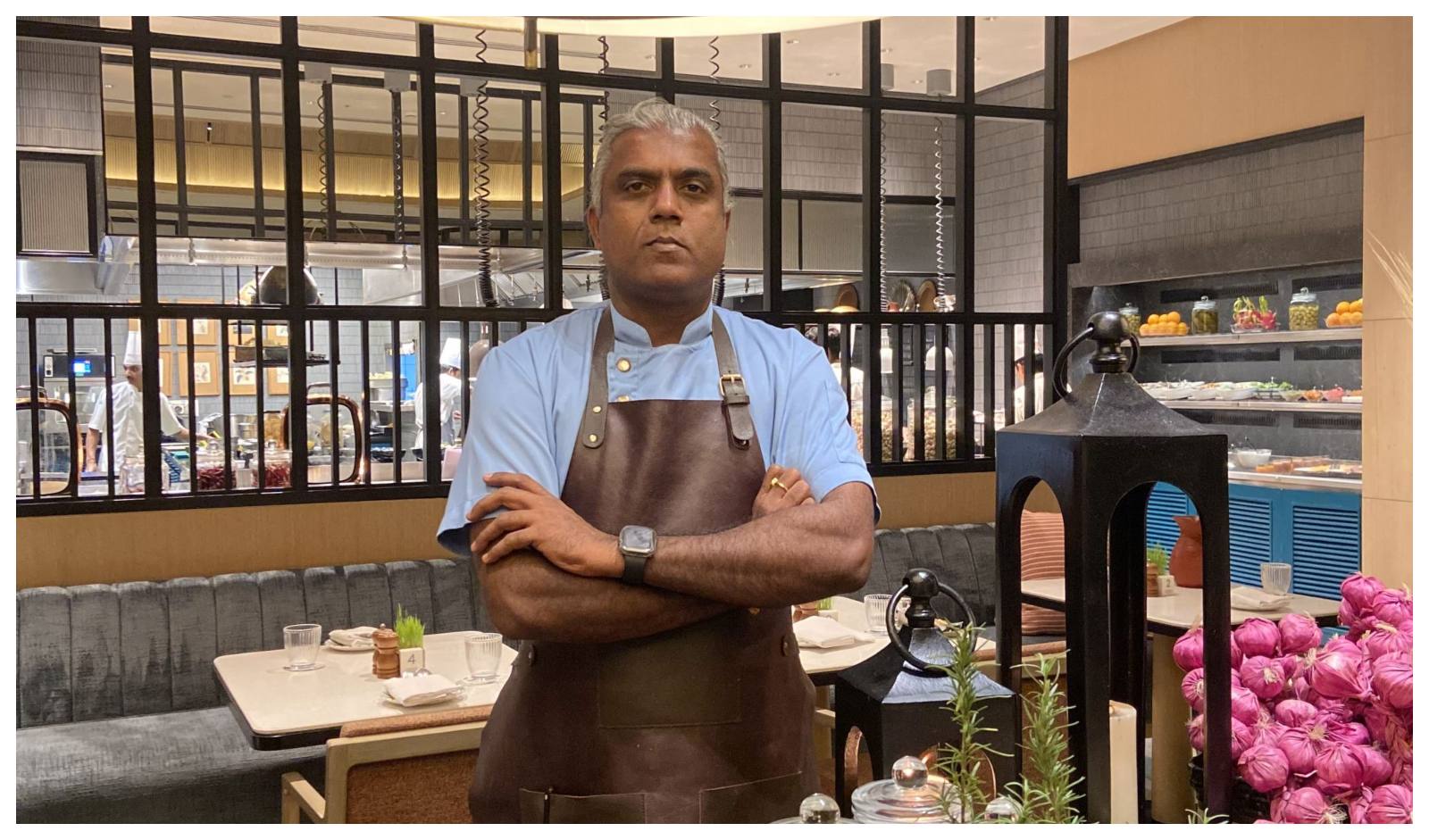
Today, a chef is more than a cook, they are storytellers, mentors, entrepreneurs and custodians of culinary heritage. This World Chef’s Day, we speak to leading chefs about the craft, leadership and vision shaping the future of food.
Keeping Tradition Relevant: For Padma Shri Sanjeev Kapoor, modern Indian cuisine is not about reinventing traditional dishes with unnecessary embellishments. It is about preserving their essence while making them relevant to today’s discerning diner.
“Authenticity in the modern world means staying true to what that dish is, not exactly how it was done many years ago,” he shared by adding that quality ingredients, fresh produce and thoughtful cooking matter more than superficial innovation.
For him, storytelling also plays a vital role, particularly when a dish carries a history or cultural significance. Indian cuisine, he believes, has countless stories waiting to be told.
A Chef Is a Leader First: For Chef Saby Gorai, the distinction between a cook and a chef goes beyond culinary skill. It lies in leadership, responsibility and the ability to give direction to a team. Drawing a parallel with the profession’s evolution, Gorai points out that cooking existed long before the modern identity of a chef emerged, from royal court kitchens to traditional Indian culinary establishments.
“The word ‘chef’ in French means leader or chief. A chef’s role is not just to produce food, but to provide leadership and direction,” he proudly mentioned by adding that the profession demands an understanding of people management, kitchen infrastructure, food safety, sourcing and the systems that ensure consistency.
Mentorship is equally important, with experienced chefs responsible for helping young talent discover their strengths and build independent careers. “Being a chef ultimately means knowing not just how to lead, but also when to step aside and make room for others to grow.”
A More Inclusive, Ingredient-Led Future: Chef Manisha Bhasin sees the culinary profession becoming more inclusive, innovative and dynamic, with women increasingly leading teams and shaping food culture.
“Guests are no longer interested only in what is on the plate; they want to know where ingredients come from, how dishes are crafted, the backstories behind them, and the people who create them,” she said as she has witnessed a shift from hearty eating towards more thoughtful, ingredient-led cuisine, with greater attention to regional, seasonal and artisanal produce.
For Bhasin, the growing participation of women in the industry signals an exciting future for hospitality.
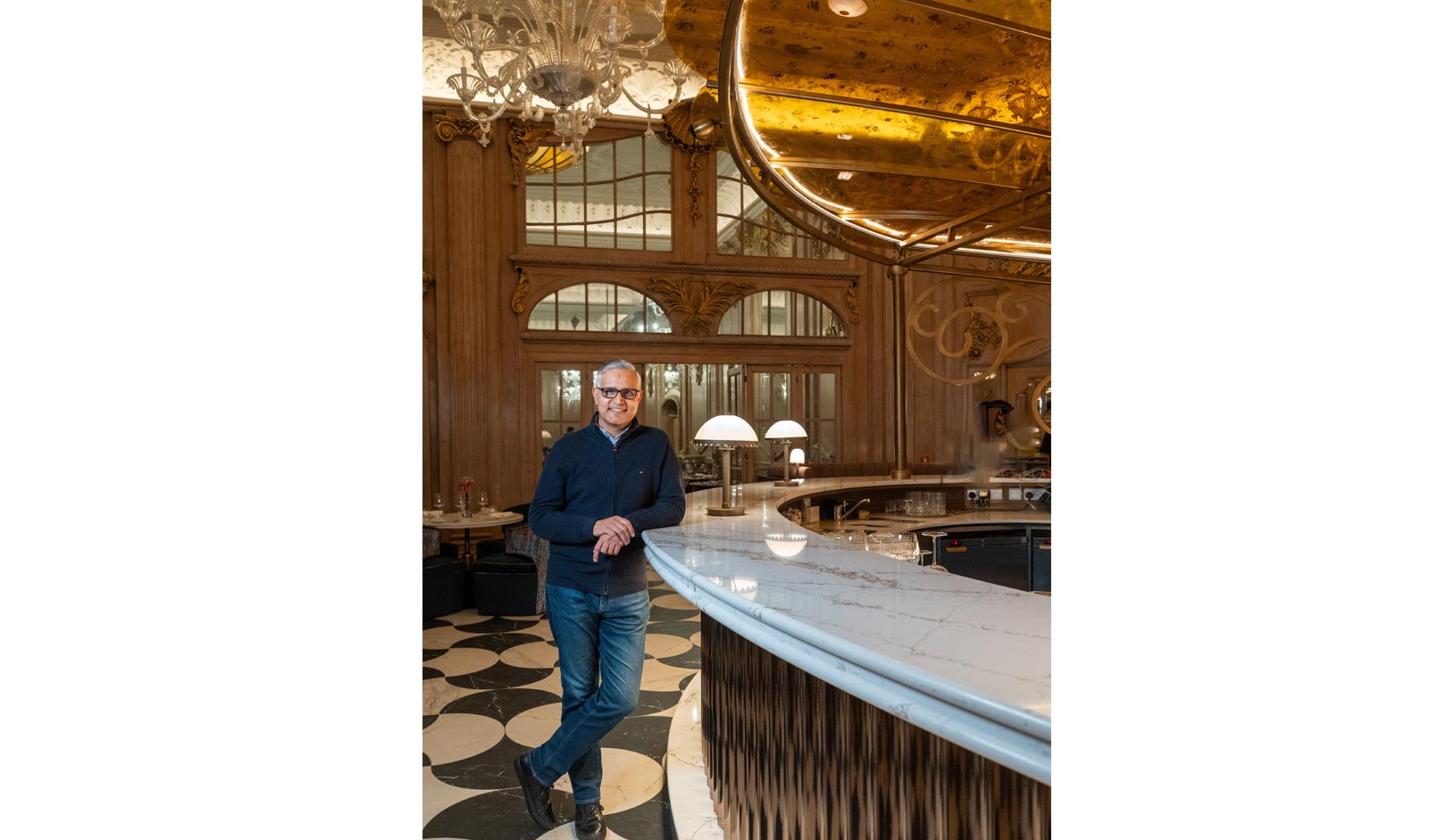
Success Lies in Mentorship: For Chef Atul Kochhar, professional recognition is only one part of a career. The opportunity to guide young chefs and help them find confidence in their own culinary identities is an equally important measure of success.
“What really stays with me is the people I have mentored. If I can help a young chef believe in their own story, that feels like real success,” he added as he always encourages aspiring chefs to remain humble, respect ingredients and learn from those who have spent years in the industry.
His own journey reflects the importance of conviction and self-belief, particularly in taking Indian cuisine to international audiences.
Master the Basics Before Experimenting: In a profession driven by constant innovation, Chef Vicky Ratnani believes that the fundamentals remain non-negotiable. New techniques, trends and technologies may change the way chefs work, but a strong foundation in cooking is what enables them to adapt.
“Study the basics and walk before you learn to fly. Basic knowledge is very important. Basic techniques are very important,” he shared.
For young chefs eager to experiment, his advice is to first master the craft. Creativity becomes more meaningful when it is built on a thorough understanding of ingredients, techniques and the principles of cooking.
Let Indian Food Speak for Itself: Chef Ranveer Brar believes Indian cuisine is ready to claim a more confident place on the global stage. The challenge, he argues, is not necessarily international acceptance but how Indians themselves present their food to the world.
“The world is ready to embrace it; we just need to get over our own hesitation,” he said as for him Indian cuisine no longer needs qualifiers such as progressive, modern or contemporary to establish its identity. At the same time, he points to persistent challenges facing restaurant businesses, from rising real estate costs to talent shortages and increasingly complex consumer expectations.
For him, the future lies in celebrating Indian food on its own terms while building businesses capable of sustaining that ambition.
Balancing Creativity with Business: For the new generation of chef-entrepreneurs, culinary vision must work alongside commercial realities. Chef Vardaan Marwah believes that staying connected to the kitchen while running a restaurant requires a clear division of responsibilities and a strong business foundation.
“I am, and always will be, a chef first. I want to be in the kitchen, tasting, refining, and pushing ideas forward,” he shared by crediting the partnership with his business partner, Aman Talreja, for allowing him to focus on food, creativity, guest experience and sustainability while the operational and financial aspects receive equal attention.
His approach underlines a key lesson for aspiring restaurateurs; a great culinary idea needs disciplined costing, strong systems and consistent execution to become a successful business.
Together, these chefs reflect a profession whose responsibilities extend well beyond the kitchen. Culinary excellence remains the foundation, but leadership, mentorship, authenticity and business acumen increasingly define what it means to be a chef today. This World Chef’s Day, their message to the next generation is clear: respect the craft, remain curious and recognise that the future of food depends as much on the people behind it as on the dishes they create.
Nusra
Consultant Associate Editor
A seasoned journalist with more than a decade experience in restaurant and retail business. I eat, drink, breathe and sense food as a source of my living and lifestyle. A foodie by birth and a journalist by choice. I started my career with Hindustan Times doing hard news, moving into features and finally landing myself in a food coma. Love to talk, hear and publish all food stories that makes anyone happy and hearty for more than a decade now. Apart from food, I love reading fiction, helping others and finding joy in little things...