Wine Tourism in India: Emerging Vineyards to Watch
One of the key reasons behind the growth of wine tourism in India is the rising demand for experiential travel. Modern travelers are moving beyond traditional sightseeing and choosing destinations that offer relaxation, culture, and personalized experiences.


India’s wine culture is changing fast. What was once seen as a niche lifestyle is now becoming a growing travel trend. Across the country, vineyards are turning into weekend destinations where people can enjoy wine tastings, scenic stays, gourmet food, and slow travel experiences. From the rolling vineyards of Nashik to the developing wine trails near Nandi Hills, wine tourism in India is attracting young travelers, couples, food lovers, and luxury seekers. Indian consumers are no longer only buying wine bottles. They are becoming curious about where the wine comes from, how it is made, and the stories behind every vineyard.
The rise of experiential travel has played a major role in this shift. Today’s travelers want more than hotel stays and sightseeing. They want memorable experiences. Vineyards offer exactly that. A morning walk through grape farms, a sunset wine tasting session, and local food paired with premium wines create a complete lifestyle experience.
Why Wine Tourism Is Growing in India
Wine tourism in India has grown strongly over the last few years. One of the biggest reasons is the growing interest in experiential luxury. Travelers now prefer meaningful getaways over crowded tourist spots. Vineyards provide a peaceful setting along with premium hospitality. Social media has also helped boost vineyard tourism. Scenic vineyards, European-style architecture, grape stomping sessions, and aesthetic tasting rooms have become highly popular online. Many travelers now choose vineyards for anniversaries, pre-wedding shoots, and short luxury breaks.
Improved road connectivity has further supported this growth. Destinations like Nashik are now easy weekend drives from Mumbai and Pune. Similarly, Karnataka is slowly building its own wine tourism ecosystem near Bengaluru. Another important reason is the rising awareness of Indian wines. Younger consumers are becoming more open to wine culture. Many first-time wine drinkers now prefer guided tastings and educational tours to understand wine better.
Explore Wine Tourism
1. Nashik Continues to Lead India’s Wine Tourism Industry
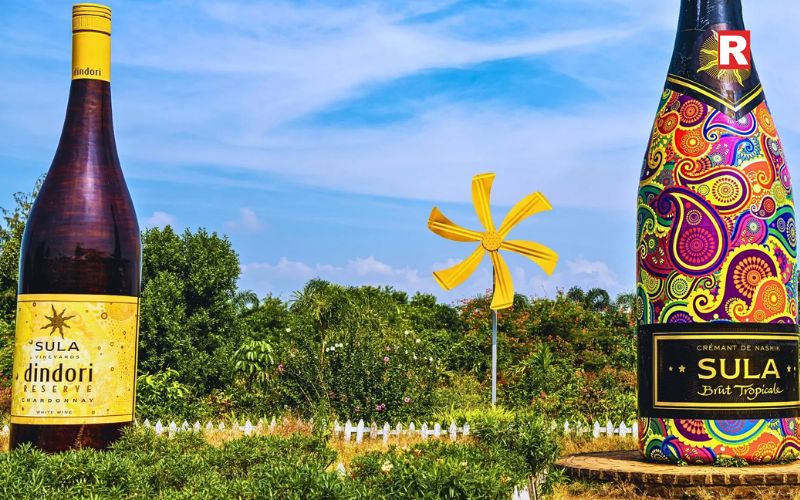
Nashik remains the biggest wine tourism destination in the country. Located a few hours from Mumbai and Pune, the city has become the center of India’s wine culture. One of the most popular destinations here is Sula Vineyards. The vineyard changed the way Indians experienced wine tourism by introducing luxury stays, tasting rooms, vineyard tours, and live events. Visitors can walk through massive vineyards, learn about wine production, enjoy sunset tastings, and stay in vineyard-facing resorts. The destination is especially popular during winter when the weather becomes cool and pleasant. Another growing spot in Nashik is York Winery. Known for its peaceful atmosphere and lake-facing restaurant, York offers a quieter experience compared to larger commercial vineyards. Many travelers prefer it for relaxed wine tastings and scenic lunches overlooking the vineyards. Soma Vine Village has also become a favorite among luxury travelers and couples. The property combines vineyard hospitality with lakeside villas, fine dining, and curated experiences. Destination weddings and private celebrations have become a major attraction here. For travelers looking for smaller and more personal experiences, Vallonné Vineyards offers a charming boutique vineyard experience. The vineyard is known for handcrafted wines, vineyard cottages, and guided tasting sessions that feel intimate and educational.
2. Karnataka Is Emerging as a Premium Wine Tourism Hub
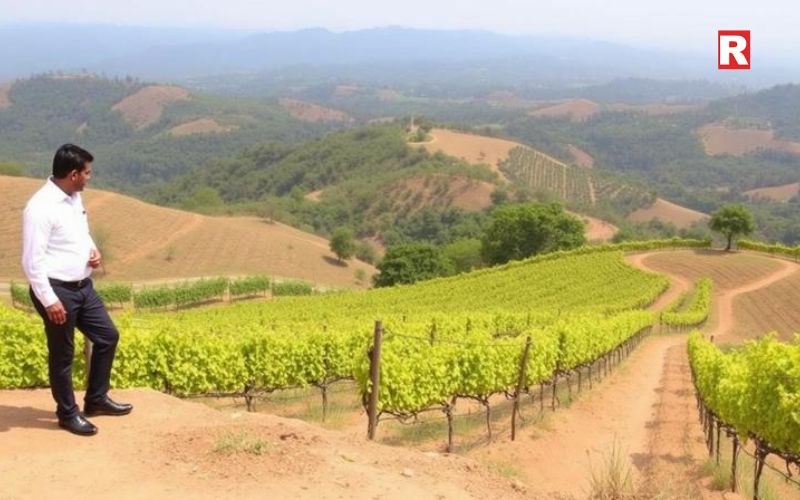
Karnataka is quickly gaining attention in India’s wine tourism market. Areas around Nandi Hills are becoming attractive vineyard destinations because of their pleasant climate and easy access from Bengaluru. One of the key destinations here is Grover Zampa Vineyards. Located near Bengaluru, the vineyard offers guided cellar tours, wine tastings, and beautiful countryside views. It is one of the oldest premium wine brands in India and has played an important role in developing wine culture in the country. The vineyard experience here feels different from Nashik. The atmosphere is quieter, greener, and more focused on premium wine education. Many visitors from Bengaluru now choose vineyard tours as quick weekend escapes.
3. Hampi Is Adding Heritage to Wine Travel
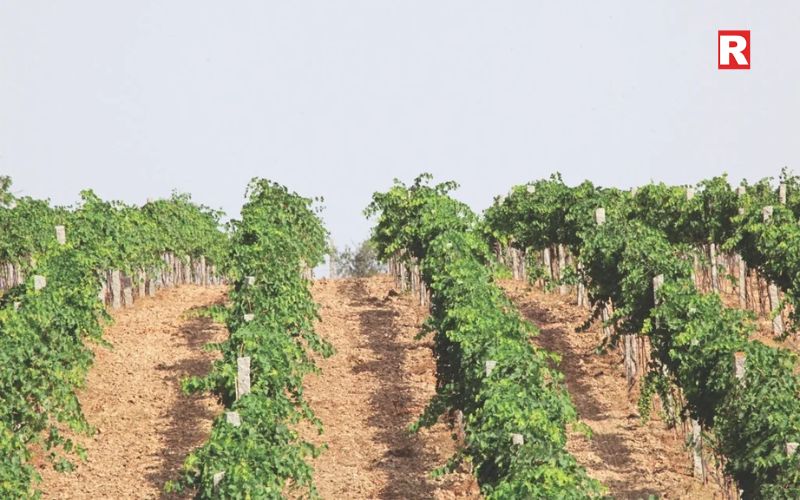
Wine tourism is also finding space in heritage destinations. Areas near Hampi are slowly attracting boutique hospitality investments connected to vineyards and experiential stays. The combination of heritage tourism, local cuisine, and wine experiences is creating a fresh travel category in South India. Travelers can now combine historical sightseeing with luxury countryside stays and curated dining experiences.
4. Himachal Pradesh Is Entering the Wine Tourism Space

Many travelers are surprised to learn that wine tourism is slowly reaching northern India as well. Parts of Himachal Pradesh have started experimenting with fruit wines and boutique vineyard concepts. In areas around Kinnaur and Solan, wineries are focusing on apple-based wines and mountain vineyard experiences. These destinations may still be small compared to Nashik, but they offer something unique. The cooler climate, mountain views, and local fruit-based wines create a completely different wine tourism experience. Travelers looking for offbeat destinations are beginning to show interest in these emerging regions.
5. Goa Is Blending Wine with Coastal Luxury

While Goa is traditionally known for beaches and nightlife, luxury hospitality brands are now exploring wine-focused experiences as part of premium tourism offerings. Several boutique resorts and fine dining spaces in Goa have started curating wine-pairing dinners, vineyard-inspired experiences, and sommelier-led tastings. The idea is to bring together coastal travel and premium wine culture under one experience. For younger travelers, this mix of beach luxury and wine appreciation feels modern and aspirational.
Why Indian Travelers Are Choosing Vineyard Getaways
One of the key reasons behind the growth of wine tourism in India is the rising demand for experiential travel. Modern travelers are moving beyond traditional sightseeing and choosing destinations that offer relaxation, culture, and personalized experiences. Vineyards provide a peaceful escape from busy urban life with scenic grape farms, open-air dining, and guided wine tastings. Destinations in Nashik and Karnataka are especially popular for weekend getaways because they combine luxury hospitality with nature-driven experiences. Social media has further boosted interest as travelers share vineyard stays, grape harvesting sessions, and aesthetic winery cafés online. Food also plays a major role, with vineyards offering curated wine-pairing menus, artisanal cheese platters, and farm-to-table meals. At the same time, educational tourism is increasing as visitors show interest in learning about grape varieties, fermentation methods, and the overall winemaking process through expert-led tasting sessions.
Key Trends Driving Wine Tourism
- Luxury vineyard stays and wellness retreats
- Farm-to-table dining experiences
- Guided wine tastings and cellar tours
- Instagram-friendly travel destinations
- Weekend road trips from metro cities
- Growing interest in Indian premium wines
Karnataka Is Becoming India’s Next Wine Tourism Hub
While Maharashtra remains the center of Indian wine tourism, Karnataka is slowly gaining attention. Areas around Nandi Hills are emerging as future wine tourism destinations. Nandi Hills already attracts tourists because of its cool weather and scenic beauty. Now, the state is exploring ways to build vineyard tourism clusters around the region.
The advantage of Karnataka lies in its proximity to Bengaluru. Urban consumers are increasingly looking for quick luxury escapes close to the city. Vineyard resorts and winery experiences fit perfectly into this trend. The region also has strong potential for premium hospitality development. Experts believe that wine trails, boutique vineyard resorts, and curated culinary experiences could help Karnataka become a major wine tourism market in the coming years.
Wine Tourism Is Becoming More Than Just Tasting
Modern wine tourism in India is no longer limited to drinking wine. The focus has shifted toward complete sensory experiences. Food pairing has become one of the biggest attractions. Many vineyards now offer gourmet dining menus designed around specific wines. Regional dishes, artisanal cheese platters, wood-fired pizzas, and farm-to-table ingredients are becoming common across vineyard restaurants.
Educational tourism is another growing trend. Travelers want to understand grape varieties, fermentation techniques, and wine appreciation. Guided sessions with sommeliers and winemakers are becoming increasingly popular. Wellness is also entering the vineyard space. Some luxury vineyard stays are integrating yoga retreats, spa experiences, and nature-based relaxation into their hospitality offerings. Events play a major role too. Harvest celebrations, grape stomping activities, live music evenings, and wedding events are helping vineyards attract a wider audience beyond wine lovers.
Sustainability Is Shaping the Future of Vineyards
Sustainability is becoming a major priority for Indian vineyards as changing weather conditions and irregular rainfall patterns continue to affect grape cultivation. Wine producers are now focusing on long-term farming practices that improve grape quality while reducing environmental impact. Many vineyards in regions like Nashik and Karnataka have started using precision irrigation systems to control water usage and maintain soil health. Wineries are also adopting controlled fermentation techniques, solar-powered operations, and waste management systems to improve efficiency. Technology is playing an important role in modern viticulture, with vineyards using climate tracking tools, soil sensors, and data-driven farming methods to monitor crop conditions and improve consistency in wine production. These sustainable and technology-led practices are helping Indian vineyards align with global winemaking standards while also enhancing vineyard tourism experiences for environmentally conscious travelers.
Trends in Indian Vineyards:
- Precision irrigation for water conservation
- Soil monitoring and climate tracking systems
- Solar energy adoption in wineries
- Controlled fermentation technologies
- Eco-friendly waste management practices
- Sustainable grape cultivation methods
Road Ahead!
Wine tourism in India is still evolving, but its growth potential is strong. Consumers are becoming more curious about premium experiences, local wine culture, and destination-based travel. The next phase of growth will likely come from boutique vineyards, eco-conscious tourism, and curated luxury experiences. Regions outside Nashik may also emerge as strong wine tourism destinations over the next decade. For travelers, vineyards now offer much more than a tasting session. They offer a slower and more meaningful way to travel. From scenic landscapes and local cuisine to storytelling and craftsmanship, India’s emerging vineyards are creating experiences that feel both modern and deeply rooted in place.
Saptopriya Ghosal
Feature Writer
I am a dedicated media professional with a bachelor's degree in mass communication from the State University of Calcutta and a postgraduate degree from Amity University. My academic journey has equipped me with a profound understanding of storytelling and communication. Passionate about the dynamic world of media, I continually strive to explore new ways to engage and inform through compelling narratives.