
Why You Should Avoid These Alcohol Brands While Dieting: Hidden Calories That Can Ruin Your Fitness Goals
For anyone aiming at toned abs or steady fat loss, reducing high-calorie alcohol is not extreme. It is strategic and necessary.

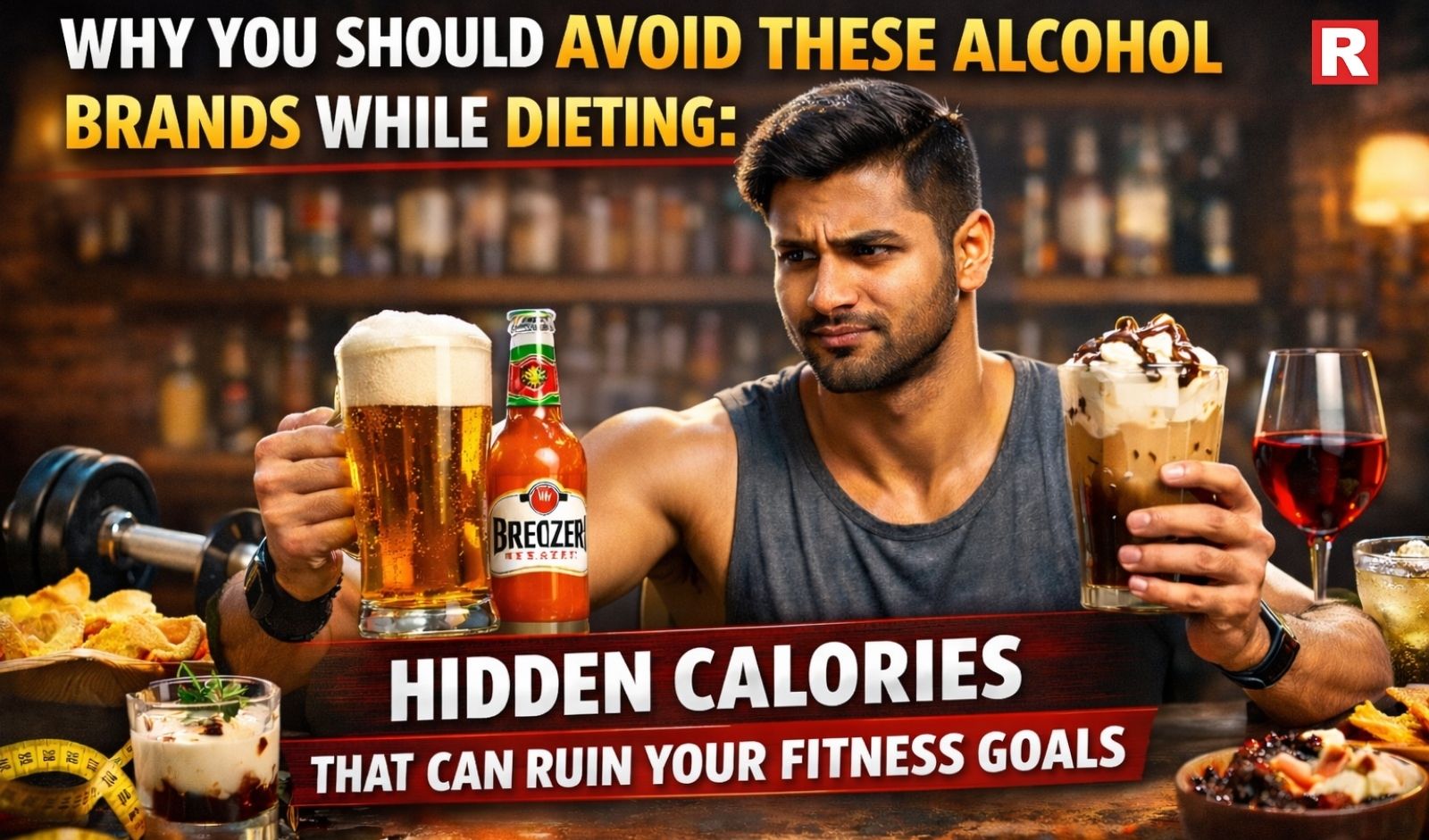
Many people reduce rice, skip sugar, and count protein. But they forget one major calorie source. Alcohol. If you are trying to lose weight, alcohol can quietly slow your progress. It looks harmless. It feels social. But the numbers tell a different story. Alcohol gives 7 calories per gram. That is close to fat, which gives 9 calories per gram. Unlike protein or carbs, alcohol has no nutritional value. No fiber. No vitamins. No minerals. Only energy.
When you drink, your body stops burning fat first. It burns alcohol instead. This slows fat loss for several hours. At the same time, appetite increases. Late-night cravings become stronger. Fried snacks look tempting. That is how weight gain starts. If you are dieting in India, especially with gym training, keto, or intermittent fasting, understanding alcohol calories is important. This article explains which alcohol brands and categories you should avoid while dieting and why.
Why Alcohol Affects Weight Loss
Alcohol impacts your metabolism in three main ways:
- It suppresses fat oxidation.
- It increases hunger hormones.
- It reduces self-control in food choices.
One 30 ml peg of 40% ABV spirit contains around 65–70 calories. That is before mixers. If you drink 90 ml, calories triple. Add cola or tonic water, and the count increases quickly. Now imagine two drinks at a party. You may consume 400–600 extra calories without realising it. That can cancel out your weekly calorie deficit.
1. Strong Beers: High ABV, High Carbs
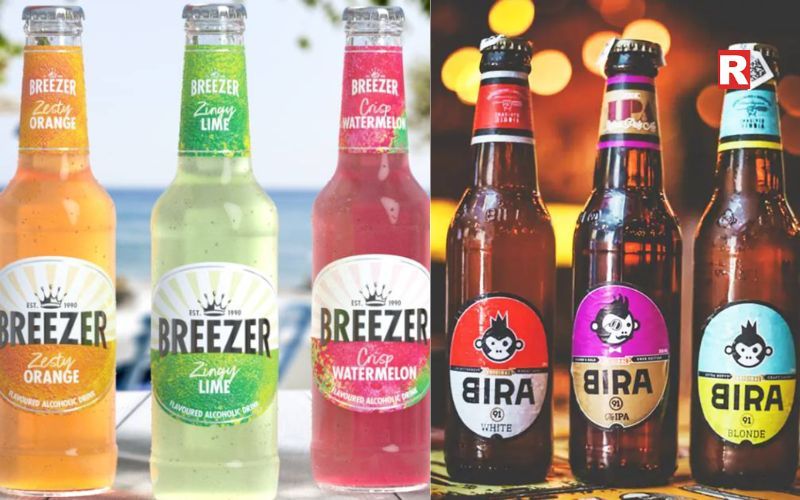
Strong beers are popular in India. They taste heavier. They have higher alcohol by volume (ABV). They also contain more calories and carbohydrates.
Examples include strong variants from:
- Kingfisher
- Bira 91
- Tuborg
A 500 ml bottle of strong beer can contain 200 to 250 calories. Some go even higher. Most of these calories come from alcohol and leftover carbs from malt. Beer is easy to drink fast. It does not feel heavy at first. But two bottles can cross 400–500 calories. For someone on a 1,800-calorie diet, that is a big percentage of the daily limit. If you are trying to reduce belly fat, strong beer is one of the first drinks to limit or avoid.
Read more: 10 Fastest-Growing Alcohol Brands in India’s HoReCa Sector
Top Sugar‑Free Vodka Brands in India You Should Try
2. Sweet Premixed Drinks and Breezers
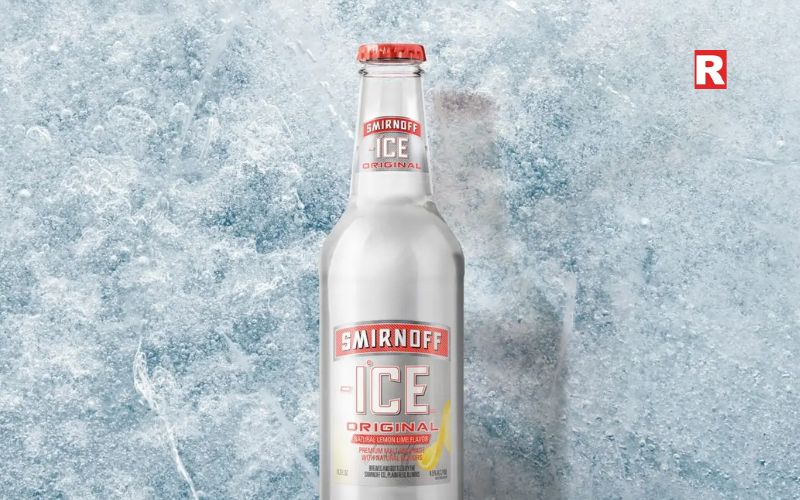
Ready-to-drink beverages are popular among young consumers. They taste fruity and light. But they are loaded with sugar.
Common examples include:
- Bacardi Breezer
- Smirnoff Ice
These drinks may contain 200 to 300 calories per bottle. A large part of this comes from added sugar. Sugar spikes insulin. High insulin slows fat burning and promotes fat storage. Because these drinks taste sweet, people often consume more than one. The sugar plus alcohol combination is especially harmful for weight loss. If you are on a low-carb or keto diet, these drinks directly break your carb limit.
3. Cream-Based Liqueurs: Sugar Plus Fat
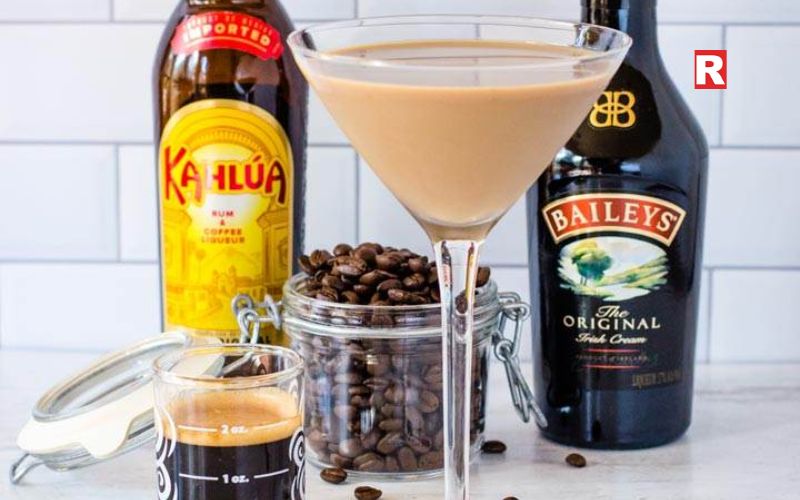
Cream liqueurs are dessert-like drinks. They are smooth and rich. But they are calorie-dense.
Examples include:
- Baileys
- Kahlúa
Just 30 ml can contain 100 to 150 calories. These calories come from alcohol, sugar, and cream. That means a mix of carbs and fat. When sugar and fat are combined, the body stores energy more easily. These drinks are often added to coffee, desserts, or cocktails. That increases calorie intake even more. For anyone tracking macros, cream liqueurs are among the worst options.
4. Dessert Wines and Port Wines
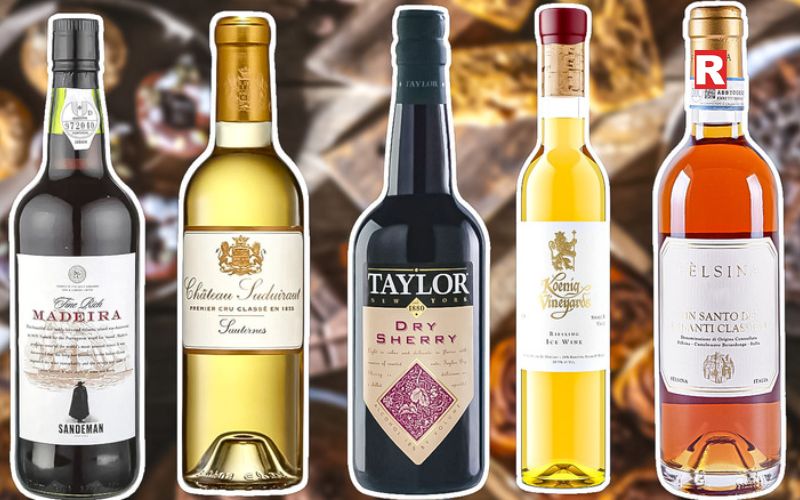
Not all wine is low calorie. Sweet wines and port wines contain high residual sugar. In India, late harvest and sweet variants from wineries like Sula Vineyards are available. While they are quality products, sweet wines are not ideal during dieting. One glass can contain 120 to 160 calories. The sugar content is higher than dry red or white wine. If you are drinking wine for health reasons, choose dry variants in smaller portions. Avoid sweet wine if fat loss is your goal.
Know more: How Bourbon Whiskey Is Made & The Top 5 Bourbon Whisky Brands in India
5. Flavored Vodkas and Syrup-Based Cocktails
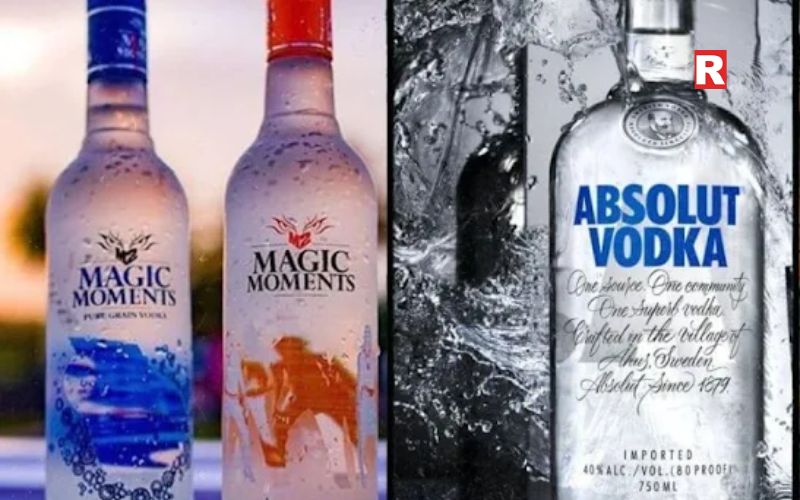
Plain vodka has no carbs. But flavored vodka is different. Many flavored variants contain added sugars or flavoring agents.
Examples include flavored ranges from:
- Absolut
- Magic Moments
The bigger problem is mixers. Flavored vodka is often mixed with cola, energy drinks, or fruit syrups. These mixers add 100–200 extra calories per glass. A simple vodka drink can easily reach 250–300 calories. Two drinks can match the calories of a full meal.
The Hidden Role of Mixers
Many people blame the alcohol brand. But the mixer causes major damage. Regular cola contains around 140 calories per 330 ml. Tonic water also has sugar. Cocktail syrups are highly concentrated in sugar. If you are dieting, the combination of alcohol and sugary mixers is one of the fastest ways to exceed calorie limits.
Calorie Comparison Snapshot
- Strong Beer (500 ml): 200–250 calories
- Breezer: 220–300 calories
- Cream Liqueur (30 ml): 120–150 calories
- Flavored Vodka with Mixer: 250+ calories
These numbers may vary slightly, but the pattern is clear. Sweet and strong drinks carry higher calorie loads.
Indian Lifestyle Factor
In India, drinking is often linked with:
- Late-night dinners
- Fried starters
- Sleep disruption
Alcohol reduces sleep quality. Poor sleep increases hunger hormones the next day. This leads to overeating. The cycle continues. If you drink on weekends and eat high-carb snacks like fries, peanuts, or kebabs, your weekly calorie balance shifts upward quickly.
Smarter Choices While Dieting
No alcohol is completely diet-friendly. But if you choose to drink, choose wisely.
Better options in moderation:
- Small glass of dry red wine
- Plain vodka with soda water
- Whisky with water, no sugary mixer
Control portion size. Drink slowly. Avoid refills. Eat protein-rich food before drinking to reduce overeating.
Also check: How to Pair Beer with Indian Food: A Desi Guide to Perfect Pints
Try These Top Dry Gin Brands This Winter for a Cozy, Premium Experience
Final Takeaway
Weight loss works on one basic rule. Calories in versus calories out. Metabolism decides how efficiently the body burns stored fat. Alcohol interferes with both. The body treats alcohol as a toxin and burns it first. Fat burning slows down for hours. Strong beers, sweet premixed drinks, cream liqueurs, dessert wines, and flavored cocktails carry high calorie loads. Many also contain added sugar. This raises insulin and increases fat storage. Alcohol also stimulates appetite. Portion control becomes harder. Late-night snacking follows. For urban professionals, gym-goers, and fitness-focused adults, this pattern quietly blocks visible results. Checking the serving size and ABV is essential. A 60–90 ml pour can quickly double expected calories. Mixers like cola or tonic add another 100–150 calories per glass. Two casual drinks can wipe out a weekly calorie deficit. For anyone aiming at toned abs or steady fat loss, reducing high-calorie alcohol is not extreme. It is strategic and necessary.
Saptopriya Ghosal
Feature Writer
I am a dedicated media professional with a bachelor's degree in mass communication from the State University of Calcutta and a postgraduate degree from Amity University. My academic journey has equipped me with a profound understanding of storytelling and communication. Passionate about the dynamic world of media, I continually strive to explore new ways to engage and inform through compelling narratives.






















































































































































