Why Watching Chocolate Flow Is Part of the Dessert Experience
A flowing chocolate dessert is therefore not just chocolate being poured over food. It is a carefully designed moment that begins with sight and ends with taste.

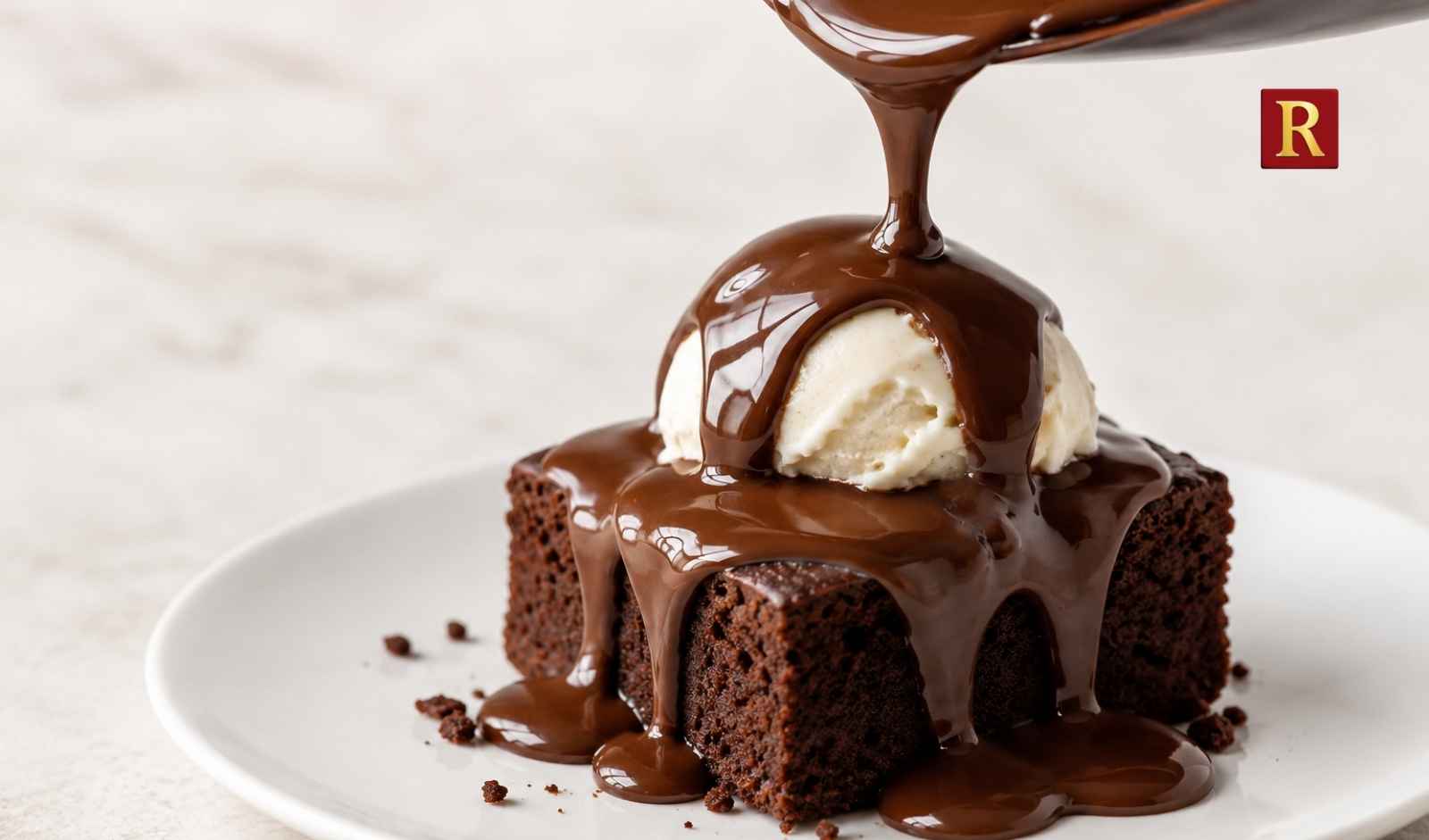
A dessert can start creating an experience before the first bite. When warm chocolate is poured over a cake, runs across a pastry or spills from a molten centre, diners do more than simply look at it. They watch, wait and anticipate the first taste. That is why flowing chocolate has become an important part of modern dessert presentation. Its appeal is not only about indulgence. The movement, shine, temperature and reveal all add sensory cues to the experience. For restaurants and dessert brands, this creates an opportunity to turn a familiar ingredient into a small piece of theatre.
The Dessert Experience Starts Before the First Bite
Taste is only one part of eating.Sight is often the first sense involved when food arrives at the table. Research on food perception has found that visual characteristics such as colour, shape, size and presentation can influence how people perceive and respond to food.
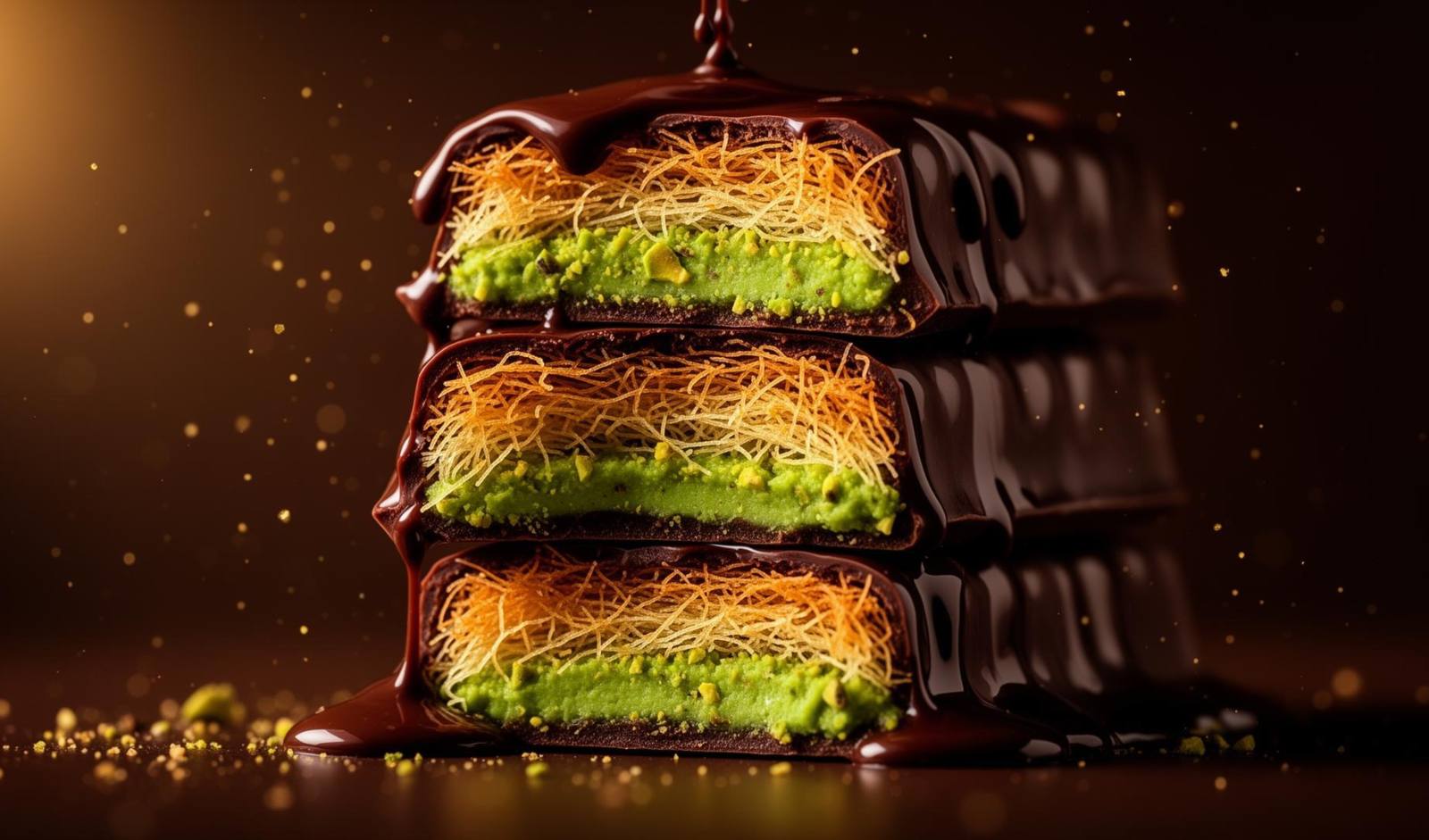
Chocolate has a natural advantage here. It can be glossy, dark, creamy and highly fluid. When it moves across a dessert, these qualities become visible. A static chocolate cake tells diners what they are about to eat. A chocolate pour shows them. That difference can change the way a dessert is experienced.
Why Does Flowing Chocolate Look So Appealing?
Movement gives the diner information. A slow chocolate pour can suggest warmth and softness. A glossy surface can signal richness. A molten centre can create an expectation of a soft filling. These visual signals work before the chocolate reaches the tongue. This is linked to an idea called cross-modal perception. It describes how information from one sense can influence the way another sensory experience is perceived.
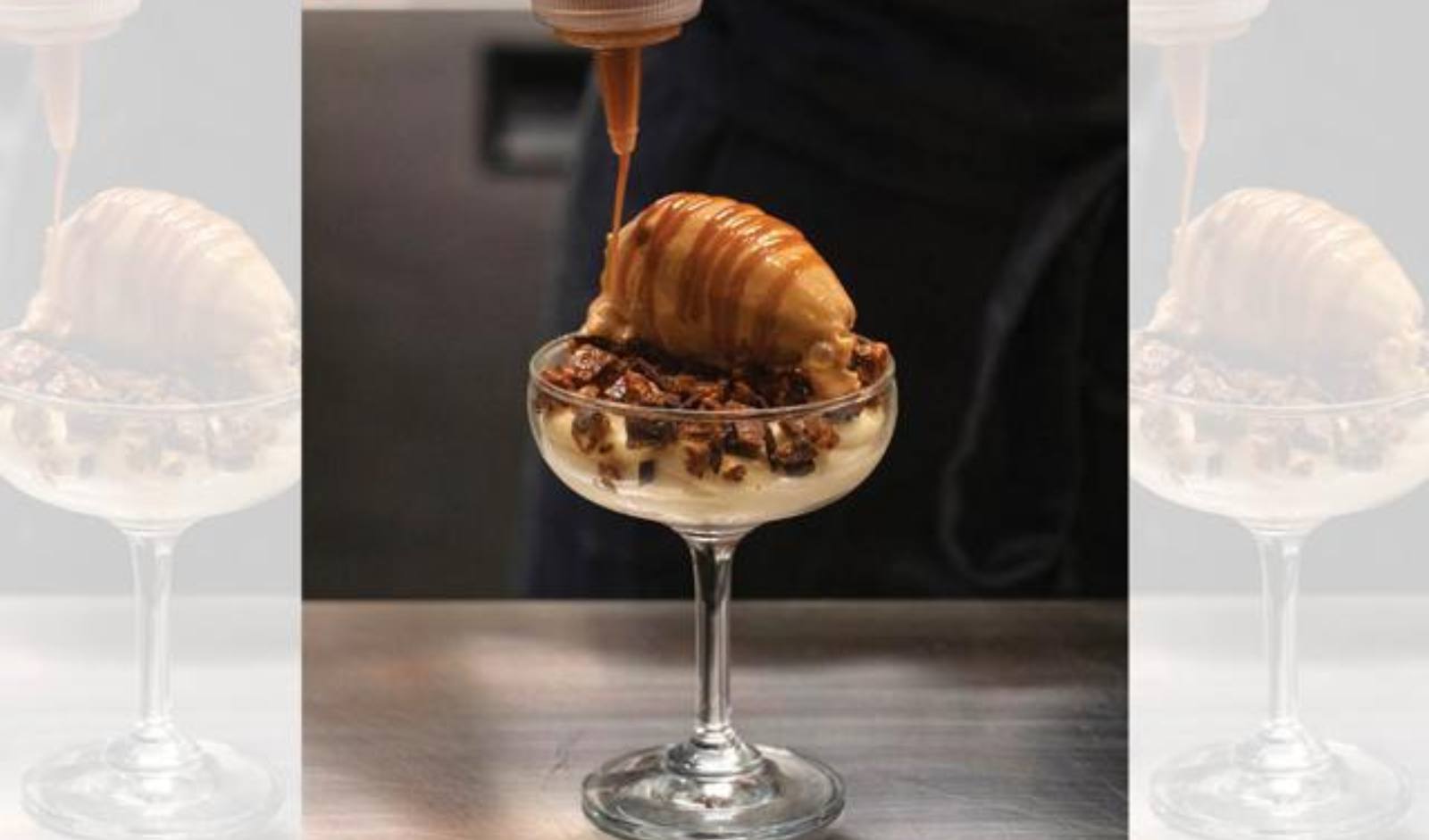
For example, seeing a warm chocolate sauce flowing over cold ice cream creates an expectation of contrast. The diner already knows that two different textures and temperatures are about to meet. The presentation therefore becomes part of the sensory design.
The Perfect Chocolate Flow
The dramatic pour may look simple, but chocolate does not flow perfectly by accident. One important factor is viscosity. In simple terms, viscosity describes how easily a liquid flows. Water has low viscosity. Thick chocolate has much higher viscosity. For a dessert sauce, pastry coating or chocolate fountain, chefs need chocolate with the right flow for the job. Callebaut's Chocolate Academy explains that chocolate fluidity varies according to formulation and application. Cocoa butter plays an important role in this behaviour. Chocolates with greater fluidity generally contain more cocoa butter and can form thinner coatings. Temperature matters too. If chocolate cools too much, it becomes thicker. If it is heated excessively, its quality and texture can be affected. Professional kitchens therefore control temperature carefully rather than simply keeping chocolate hot.
- There is another important technique: tempering.
Tempering controls the crystallisation of cocoa butter. Properly tempered chocolate can have a glossy appearance, clean snap and stable structure. But not every flowing chocolate dessert requires the same chocolate preparation. A hard chocolate shell, a dipping sauce and a molten centre have different technical requirements. That distinction is important. The chocolate needs to be formulated for what the chef wants it to do.
A Pour Creates Anticipation
One reason tableside chocolate works so well is that it creates a short pause between seeing and eating.
- The dessert arrives.
- The chocolate is poured.
- It starts moving.
- The diner watches it spread.
- Then comes the first cut.
- This sequence creates anticipation.
Research into visual food cues has shown that what people see can influence attention and food-related responses. One controlled study involving 45 participants found that exposure to a visual cue associated with a liked sweet taste was followed by higher short-term snack consumption. That does not mean watching chocolate automatically makes people eat more, but it demonstrates why visual food cues deserve attention when studying eating behaviour. For restaurants, the important lesson is simpler: the presentation can influence the experience before tasting begins.
Chocolate Turns Dessert Into a Small Performance
This is where the idea of dessert theatre comes in. The dessert is no longer simply placed on the table. Something happens around it. There are several ways chefs can create this effect.
- The pour: Warm chocolate is poured over cake, waffles, pancakes or pastries.
- The crack: A chocolate shell breaks to reveal ice cream, mousse or cake underneath.
- The melt: A warm sauce gradually softens a chocolate element.
- The reveal: Cutting into the dessert exposes a hidden molten centre.
- The cascade: Chocolate continuously flows through a fountain or over a dessert.
These techniques give diners something to watch and interact with. In Hyderabad, for example, dessert bar Mille has attracted attention for its Death by Chocolate presentation, where a molten chocolate pour helps reveal the dessert inside a skull-shaped presentation. The experience combines visual performance with the actual chocolate dessert.
Why Flowing Desserts Work So Well on Social Media
A photograph can show a beautiful dessert. A video can show what happens to it. That distinction is important. A five-second clip of chocolate slowly covering a dessert has a clear beginning and end. There is an action, a transformation and a result. This makes flowing chocolate naturally suited to short-form video. It also allows restaurants to turn preparation into content without creating a completely separate marketing event.
The key, however, is authenticity. If the dessert looks impressive only because of an exaggerated presentation, the video may generate attention but fail to create repeat demand. The actual dessert still has to work.
Gen Z Is Looking for More Than a Sweet Ending
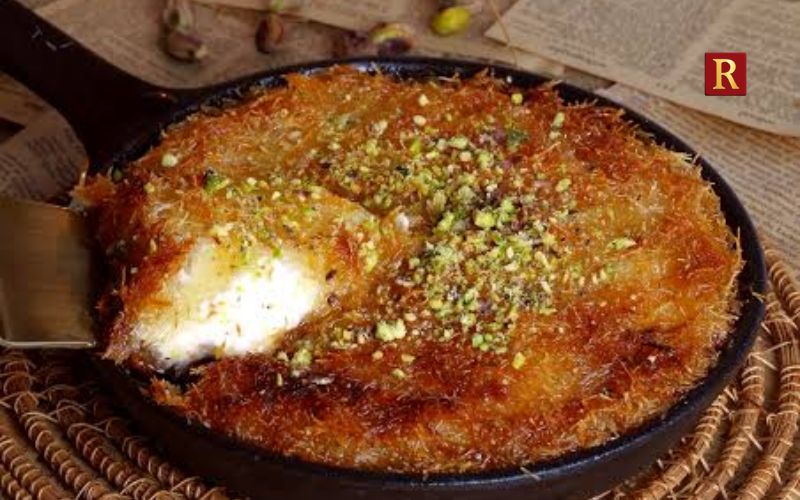
India's dessert market is also becoming more experimental. Mintel's 2026 research on India's Gen Z consumers highlights novelty, authenticity and visual appeal as important parts of contemporary dessert culture. Its research also found strong interest in newer flavour directions. For example, 22% of Indian Gen Z consumers surveyed were willing to pay more for matcha-flavoured desserts, while 19% were willing to pay more for Middle Eastern-inspired options such as Dubai chocolate and kunafa. This matters because visual presentation works best when it is supported by something genuinely interesting. A flowing chocolate dessert can combine familiar indulgence with a new experience. That could mean chocolate with pistachio, coffee, sesame, jaggery, chilli or fruit. The movement attracts attention, while the flavour gives the diner a reason to return.
The Best Desserts Balance Theatre With Taste
There is a risk in making dessert too theatrical. More chocolate does not automatically mean a better dessert. A dramatic pour can become overly sweet. A thick sauce can overpower delicate pastry. A large chocolate shell can make a dessert difficult to eat. Good dessert design needs balance.
Chefs can create contrast through:
- Warm chocolate and cold ice cream
- Dark chocolate and tart berries
- Crisp pastry and soft mousse
- Bitter cocoa and sweet caramel
- Chocolate and roasted nuts
- Rich chocolate and a small amount of salt
These combinations make the experience more interesting because the diner encounters different textures, temperatures and flavours. The visual moment should introduce the dessert, not distract from it.
What Restaurants Can Learn From the Chocolate Pour
For restaurant operators, the chocolate trend offers a practical lesson. Design the dessert around the guest's view. If the interesting part happens entirely in the kitchen, the customer misses the experience. The action should also be simple enough for service teams to repeat consistently.
A restaurant needs to consider portion size, chocolate usage, preparation time, temperature control and food cost. Staff should also know how to perform a tableside pour without making it feel forced. Most importantly, the theatre should have a purpose. A pour can reveal a filling. A shell can protect a delicate centre. A sauce can provide temperature contrast. When the action contributes to the eating experience, it feels natural.
Chocolate Desserts May Be More Interactive
The next phase of dessert presentation is unlikely to be about simply adding more toppings. It is about giving diners something to experience. Chocolate can be poured, cracked, melted, cut and revealed. These actions turn a finished dish into a sequence. India's growing dessert-bar culture is already moving in this direction. Recent coverage has highlighted chocolate-focused dessert formats and increasingly elaborate presentations across the country.
- But the most successful desserts will still follow a basic rule: The experience has to taste as good as it looks.
That is ultimately why watching chocolate flow matters. The movement builds anticipation. The shine creates expectation. The temperature suggests texture. The reveal creates curiosity. Then the first bite has to deliver on everything the eyes were promised. A flowing chocolate dessert is therefore not just chocolate being poured over food. It is a carefully designed moment that begins with sight and ends with taste.
Saptopriya Ghosal
Feature Writer
I am a dedicated media professional with a bachelor's degree in mass communication from the State University of Calcutta and a postgraduate degree from Amity University. My academic journey has equipped me with a profound understanding of storytelling and communication. Passionate about the dynamic world of media, I continually strive to explore new ways to engage and inform through compelling narratives.