
Why Vegetarian Food Is Becoming More Experimental Than Ever
As food habits continue to evolve, the future of vegetarian dining promises to be richer, smarter, and more delicious than ever before.

Vegetarian food has transformed dramatically over the past decade. Once limited to a handful of familiar dishes, it has become one of the most exciting areas of modern cuisine. Gone are the days when ordering vegetarian food meant choosing between paneer curry, mixed vegetables, or a simple salad. Today's menus are filled with smoked cauliflower steaks, beetroot carpaccio, jackfruit tacos, millet risotto, and mushroom dumplings.
The biggest change is that vegetables are no longer treated as side dishes. They have become the centre of attention. Around the world, chefs are discovering that vegetables offer endless possibilities in flavour, colour, texture, and presentation. This growing creativity has made vegetarian cuisine one of the fastest-changing segments of the food industry.
Vegetables Are No Longer Just Meat Alternatives
For years, restaurants focused on making vegetarian food taste like meat. Burgers made from soy, plant-based sausages, and imitation chicken dominated the market. While these products remain popular, today's chefs are moving in a different direction.
Instead of copying meat, they are highlighting the natural qualities of vegetables. A slow-roasted pumpkin develops deep sweetness. Charred cabbage gains a smoky flavour. Beetroot becomes rich enough to replace traditional carpaccio, while king oyster mushrooms create a satisfying steak-like texture without pretending to be meat. This approach allows each ingredient to shine while giving diners something completely new.
Global Flavours Are Inspiring Local Kitchens
Global travel has expanded food preferences: As more people travel internationally, they discover new flavours, ingredients, and cooking methods. These experiences inspire both home cooks and chefs to recreate global dishes using local produce.
Digital platforms influence food trends: Food television, YouTube, Instagram, and other social media platforms introduce viewers to international cuisines every day. Viral recipes encourage restaurants to experiment with fresh vegetarian concepts.
Fusion dishes are becoming popular: Indian kitchens now serve creative combinations such as kimchi parathas, miso-infused dal, paneer tacos, burrata with roasted vegetables, and Thai-style millet salads. These dishes blend global flavours with familiar Indian ingredients.
Young diners seek unique experiences: Millennials and Gen Z enjoy trying innovative, seasonal, and visually appealing dishes. Restaurants that frequently refresh their menus with global influences often attract loyal customers and stand out in a competitive market.
Food Science Is Expanding Possibilities
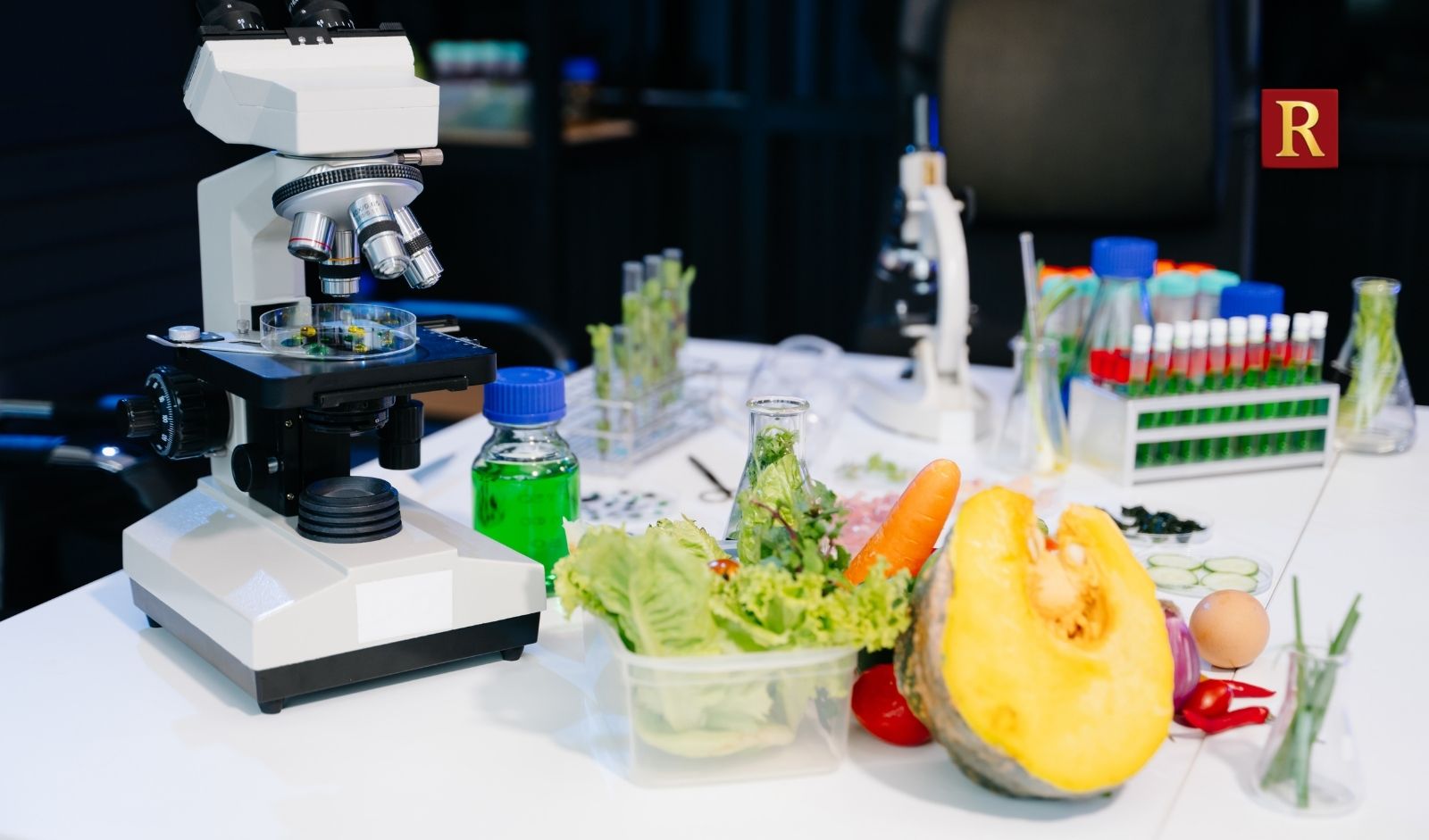
Modern vegetarian cooking is increasingly influenced by culinary science. Techniques that were once found only in luxury restaurants are becoming more common. Sous-vide cooking allows vegetables to retain moisture while enhancing their natural flavour. Molecular gastronomy introduces foams, edible gels, and flavour pearls that add visual appeal and unique textures. Smoking vegetables with applewood or tea leaves creates depth without relying on heavy sauces. Fermentation has also become one of the biggest trends. Foods like kimchi, kombucha, miso, fermented carrots, and pickled chillies develop complex flavours while supporting gut health. These techniques give chefs more ways to transform simple ingredients into memorable dishes.
Forgotten Indian Ingredients Are Returning
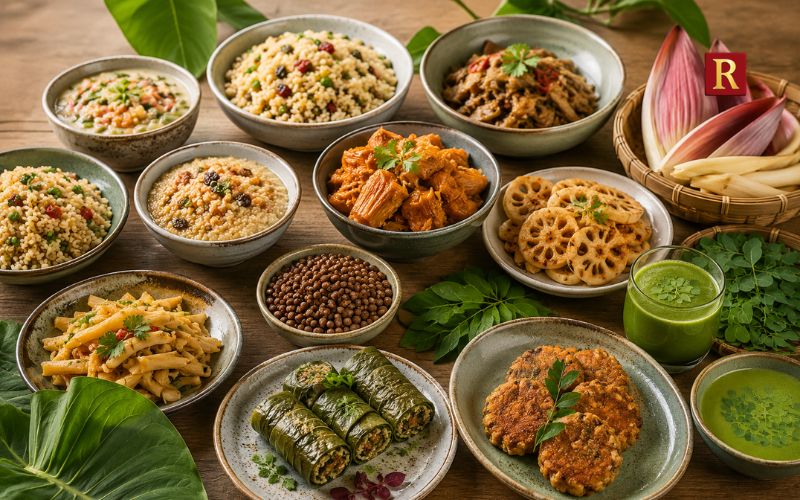
One of the most exciting developments is the revival of traditional Indian ingredients that were once overlooked.
Foxtail Millet: Used in gourmet grain bowls, risottos, and salads as a nutritious alternative to rice.
Barnyard Millet: Featured in pilafs, pulao, and contemporary fine-dining dishes for its light texture and high fibre content.
Little Millet: Added to soups, porridges, and fusion recipes, offering a wholesome and gluten-free base.
Jackfruit: Cooked in wraps, tacos, biryanis, and curries for its meaty texture and ability to absorb bold flavours.
Banana Flower: Used as a filling for cutlets, dumplings, patties, and stir-fries due to its delicate texture and nutritional value.
Lotus Stem: Served as crispy chips, stir-fries, salads, and Indo-Asian appetisers for its crunchy bite.
Horse Gram (Kulthi): Incorporated into soups, salads, curries, and protein-rich bowls as a traditional superfood.
Moringa: Added to smoothies, soups, flatbreads, and sauces to boost nutrition with vitamins and antioxidants.
Bamboo Shoots: Included in stir-fries, curries, and fusion appetisers for their earthy flavour and crisp texture.
Colocasia Leaves (Arbi Patta): Reimagined in modern rolls, steamed snacks, fritters, and plated appetisers while preserving traditional flavours.
This trend helps preserve India's culinary heritage while supporting local farmers and biodiversity. It also introduces diners to ingredients that are rich in fibre, vitamins, and minerals.
Fine Dining Has Changed the Image of Vegetarian Cuisine
Fine dining restaurants have played a major role in making vegetarian food more experimental. Instead of offering a few vegetarian options, many chefs now create complete tasting menus with eight to twelve carefully designed courses. Every plate tells a story through regional ingredients, artistic presentation, and carefully balanced flavours.
Edible Flowers: Add subtle floral notes, vibrant colours, and an elegant finish while enhancing the overall dining experience.
Handcrafted Sauces: Prepared from fresh herbs, spices, fruits, or vegetables to add depth, balance, and complexity to every dish.
Microgreens: Provide fresh flavour, delicate texture, and concentrated nutrients while giving dishes a refined presentation.
Seasonal Vegetables: Chosen at peak freshness to deliver better taste, richer nutrition, and support sustainable, locally sourced cooking.
These experiences prove that vegetarian cuisine can be just as luxurious and sophisticated as any meat-based menu.
Plant-Based Innovation Goes Beyond Fake Meat
Innovation in vegetarian food is no longer limited to meat substitutes. New products are being developed using oats, almonds, cashews, peas, mushrooms, chickpeas, and sunflower seeds.
Cashew Cheese: A creamy dairy-free alternative made from cashews, commonly used in sandwiches, pizzas, dips, and pasta dishes.
Oat Milk: A plant-based milk known for its smooth texture, making it a popular choice for coffee, smoothies, cereals, and baking.
Coconut Yogurt: A dairy-free yogurt made from coconut milk that offers a rich, creamy texture and is often enjoyed with fruits or granola.
Pea Protein: A protein-rich ingredient used in meat alternatives, protein shakes, snacks, and ready-to-eat vegetarian products.
These products are made from familiar plant-based ingredients and are often less processed than many imitation meat products, offering convenience while supporting health-conscious and sustainable eating habits. India's vegan food market is also growing steadily, with dairy alternatives accounting for a significant share of new product launches. This reflects increasing consumer interest in healthier and more sustainable choices.
Young Consumers Are Driving the Trend
Millennials and Gen Z have become major forces behind the rise of experimental vegetarian food. They enjoy discovering new flavours, sharing colourful dishes on social media, and supporting brands that value sustainability. Restaurants respond by creating visually striking plates using rainbow beets, purple carrots, black garlic, edible flowers, and creative garnishes. Dining is no longer only about eating. It has become an experience that combines flavour, storytelling, photography, and cultural exploration.
Sustainability Is Encouraging Creativity
Environmental concerns have changed the way chefs think about ingredients. Modern vegetarian kitchens often follow root-to-stem cooking, where every edible part of a vegetable is used. Carrot tops become pesto. Beet leaves are added to salads. Broccoli stems are blended into soups. Vegetable peels are transformed into crispy garnishes.
This reduces food waste while encouraging chefs to think creatively. Local sourcing and seasonal menus also reduce transportation costs and lower the overall environmental impact of food production. Studies show that more consumers now consider sustainability when choosing where to eat, encouraging restaurants to expand their plant-forward offerings.
Technology Is Helping Chefs Create Better Dishes
Artificial intelligence is beginning to influence recipe development as well. AI-powered software can analyse thousands of ingredient combinations, suggest complementary flavours, and even help restaurants design seasonal menus.
Technology also helps reduce food waste by predicting ingredient demand more accurately. Smart kitchen equipment ensures consistent cooking temperatures, while data analysis allows restaurants to understand changing customer preferences. Rather than replacing chefs, these tools give them more time to focus on creativity and innovation.
The Future!
Vegetarian food is entering a new era where tradition meets technology. Future innovations are expected to include precision fermentation, climate-resilient crops, functional foods, and personalised nutrition plans designed around individual health needs. Chefs will continue experimenting with indigenous ingredients, advanced cooking methods, and sustainable farming practices. As consumers become more adventurous, the demand for creative vegetarian dishes is likely to grow even further.
Vegetarian food has evolved from being a simple alternative to becoming one of the most innovative areas of the culinary world. Modern chefs are blending global influences, traditional Indian ingredients, scientific techniques, and sustainable practices to create dishes that are full of flavour and originality. What makes this movement truly exciting is that it celebrates vegetables for what they are rather than what they replace. From smoky mushroom steaks and millet-based fine dining to fermented flavours and AI-assisted recipe development, vegetarian cuisine is proving that creativity has no limits. As food habits continue to evolve, the future of vegetarian dining promises to be richer, smarter, and more delicious than ever before.
Saptopriya Ghosal
Feature Writer
I am a dedicated media professional with a bachelor's degree in mass communication from the State University of Calcutta and a postgraduate degree from Amity University. My academic journey has equipped me with a profound understanding of storytelling and communication. Passionate about the dynamic world of media, I continually strive to explore new ways to engage and inform through compelling narratives.



































































































































































