
Why Travel is the New Restaurant Strategy
Restaurants in turn are evolving beyond places to dine; they are becoming curated journeys that transform destinations into dishes and experiences into stories.

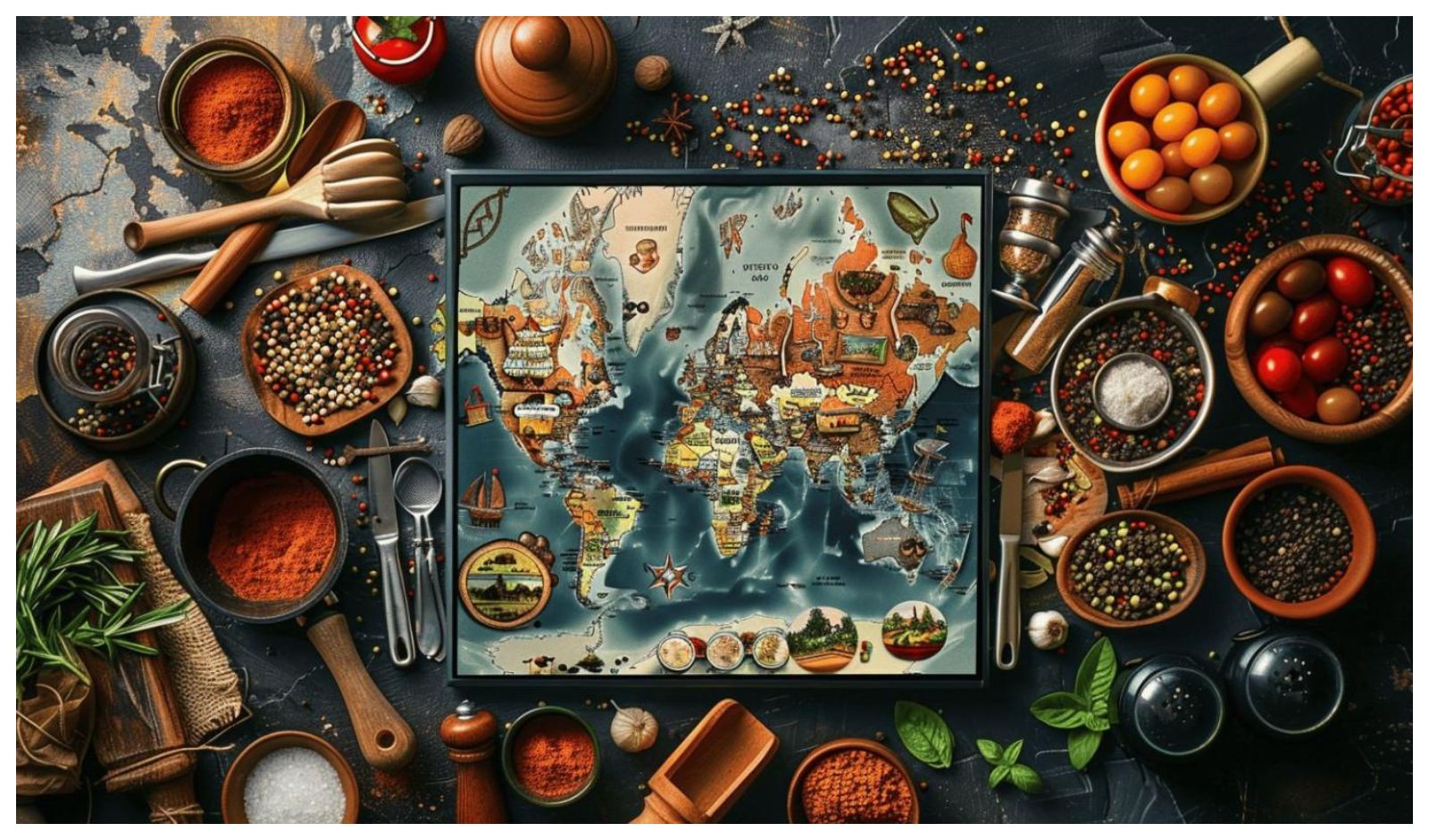
Travel has quietly rewritten the rules of the restaurant industry. It’s no longer just a source of inspiration; it has become a way of thinking. What was once shaped by geography is now influenced by exposure, personal experiences and cultural exchange. Restaurants in turn are evolving beyond places to dine; they are becoming curated journeys that transform destinations into dishes and experiences into stories.
Travel as Structural Force
Travel is no longer a secondary influence; it is a core demand driver for restaurants. Nearly 20% of global leisure travellers now seek dining as a central part of their journeys while four in five millennials prioritize trying new restaurants when they travel. As a result, restaurants are no longer just serving local audiences, they are competing within a global experience economy.
“For me, it is less about borrowing dishes and more about understanding intent. When you experience food in its native environment, you realize that flavor is only one part of the story. It is the rhythm of service, the way a dish is placed on the table, the connection to seasonality and locality that truly shapes a concept,” shares Chef Beena Noronha, Founder, Saltae Hospitality.
How Travel Shapes Restaurant Concepts
Travel doesn’t just inspire restaurants it rewires how you think about experience. As per reports, 47% of consumers eat globally influenced food weekly.
“At Naarma, the idea of fire and water itself comes from observing contrasts across cultures, intensity and restraint, energy and calm. When you travel, you realise that great dining isn’t just about cuisine, it’s about how a space makes you feel, how a meal unfolds, and how memory is created,” comments Akshay Anand, Founder, Naarma.
Adding to this, Raayyaana Arora, Founder, La Tarte adds, “When I travel, I observe how people interact with food, not just what they eat. My time in cities like New York and Philadelphia showed me how wine and coffee are a part of everyday life and not reserved for occasions. That directly influenced La Tarté as a wine and espresso bar where guests can walk in casually, cook, sip, and spend time.”
For Ashish Dev Kapur, Founder Whisky Samba, the challenge was to make whisky young, sexy, and adventurous again in a world where it felt dated. “A defining moment came in Rio in 2016, where I saw whisky served tableside. We elevated that into theatre—every bottle at Whisky Samba is presented, poured at the table, with an “Angel’s Share” ritual. It transforms a drink into a story and the table into a stage,” he shares proudly.
Around 70% of operators report rising demand for global flavors and 74-78% of operators say global dishes command premium pricing.
Rise of Ingredient Sourcing
Travel also has a direct impact on the backend. It pushes you to question sourcing and build stronger supply chain whether that means working closely with local farmers, finding alternatives to imported ingredients, or rethinking preservation and prep techniques. 76% of consumers want detailed descriptions for unfamiliar foods.
Sharing his views, Mayank Bhatt, Founder and CEO All in Hospitality shares, “Travel influences everything from how we source ingredients and build menus to how we serve and present a meal. But more than that, it brings a cultural nuance.” Menu evolution today is not about sticking to one cuisine but about reflecting how people eat globally.
Arora points, “Serving styles are becoming more interactive and less formal, inspired by open kitchens, shared plates, and experiential dining. At La Tarté, our live stations and hands-on cooking experiences come from observing how dining globally is becoming more participative rather than passive.”
What does Travel Import
Travel doesn’t just import flavours or aesthetics, it imports perspective. “At Naarma, the interplay of fire and water, the graffiti, the rose installation, the shifting energy of the space, these aren’t direct imitations of global places. They’re interpretations of what travel teaches you: contrast, storytelling, and emotional design,” adds Anand. Travel experiences teach you how people use spaces.
Menu in Motion
Travel today is shaping borderless menus, immersive design, and storytelling-led pricing. Guests don’t just consume food and drink, they consume meaning.
“The real challenge is execution global sourcing, consistency, and authenticity. But when done right, travel becomes your strongest brand asset, not just inspiration,” points Kapur.
Today’s diners are globally aware, which is why hybrid, borderless menus are evolving naturally. 30% of restaurants innovate with global flavours. For Bhatt, creating micro-experiences via spatial storytelling plays a huge role, it creates emotional value and shapes perception, even pricing.
Storytelling Becomes the Product
Dining today is as much about narrative as it is about taste. Guests are not just paying for food, they’re paying for the experience, the context, and the story.
“Every element, from the menu to the bar programme to something like Sufi Nights is designed to create a layered story. When storytelling is authentic and immersive, it builds perceived value,” mentions Anand. Pricing power naturally follows when guests feel they are part of something distinctive and emotionally engaging, not just consuming a meal.
“When guests understand where something comes from—a wine, a dish, a concept—they connect with it on a deeper level. For me, travel naturally feeds into this storytelling,” concludes Arora. `
The Major Challenges
The challenge lies in staying authentic without becoming impractical. Not everything travels well, especially in a market like India where availability, cost, and consistency can vary.
Focusing further, Noronha mentions, “The key is adaptation, respecting the essence of what you have experienced while making it relevant to your ecosystem.”
There are also logistical challenges in sourcing and consistency. “The important thing is to understand what to bring in, what to simplify, and what to localise. Training teams and building strong vendor relationships also play a crucial role in execution,” adds Arora.
The future of dining will belong to restaurants that translate travel not into imitation, but into identity—creating spaces that feel globally informed yet deeply rooted in their own story.
Vijetha Iyer
Content Editor
Working as a Content Editor with Restaurant India. I have worked in various sectors like food and beverage sector, chemicals, pharma, nutraceuticals, now specially focusing on restaurant side. But my core knowledge was always on content. Be it writing poems to verses, I always loved writing and have been exploring my career on the same. In Restaurant India, I deliver insightful stories, take interviews of various brands and update the audiences about the newest happenings in the restaurant industry.









































