Why the Beverage Aisle Is Becoming More Complicated
These in-between beverages are important because they show where future innovation may happen. The next major beverage category may not be completely new. It may be created by combining two existing categories.

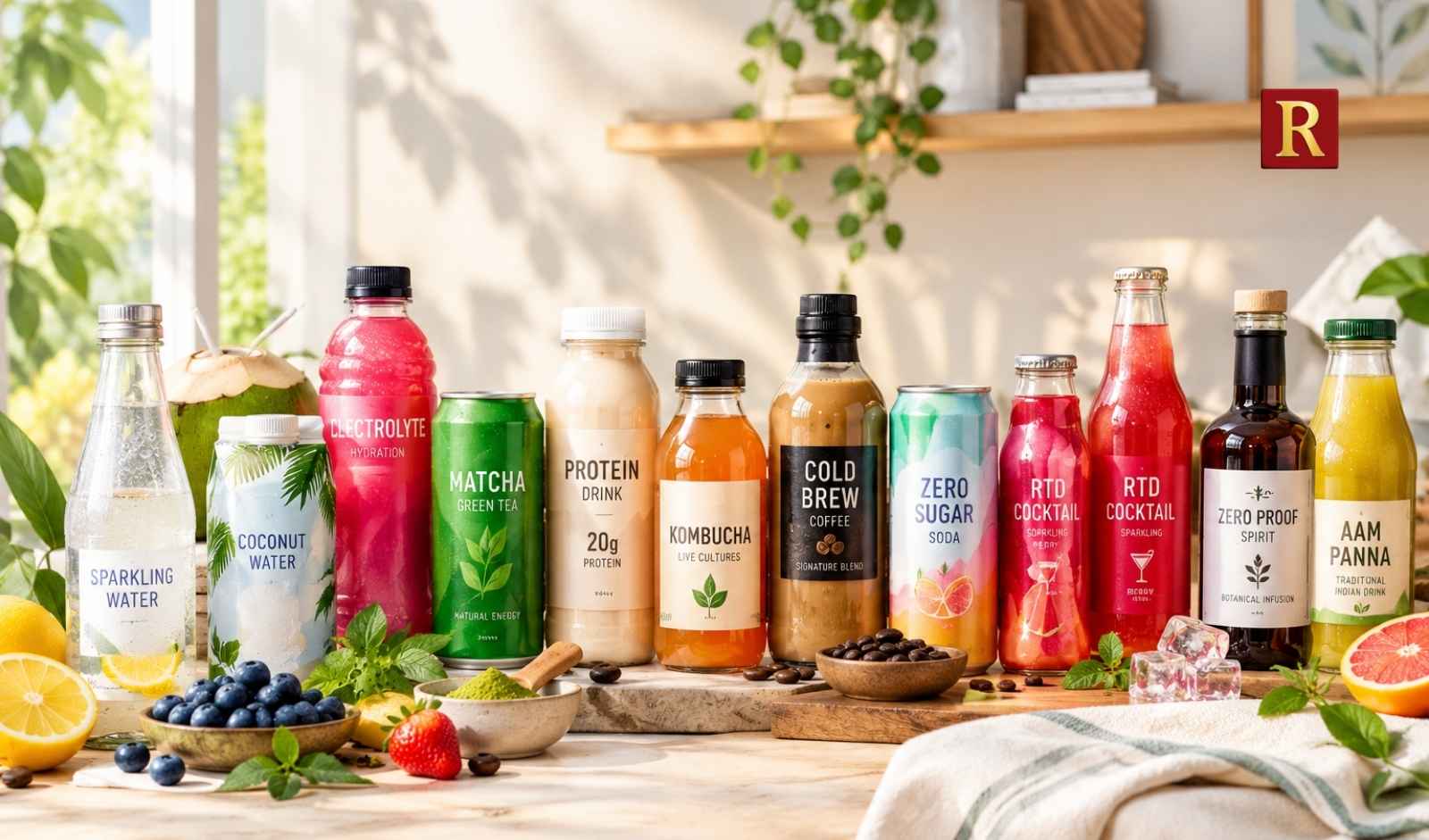
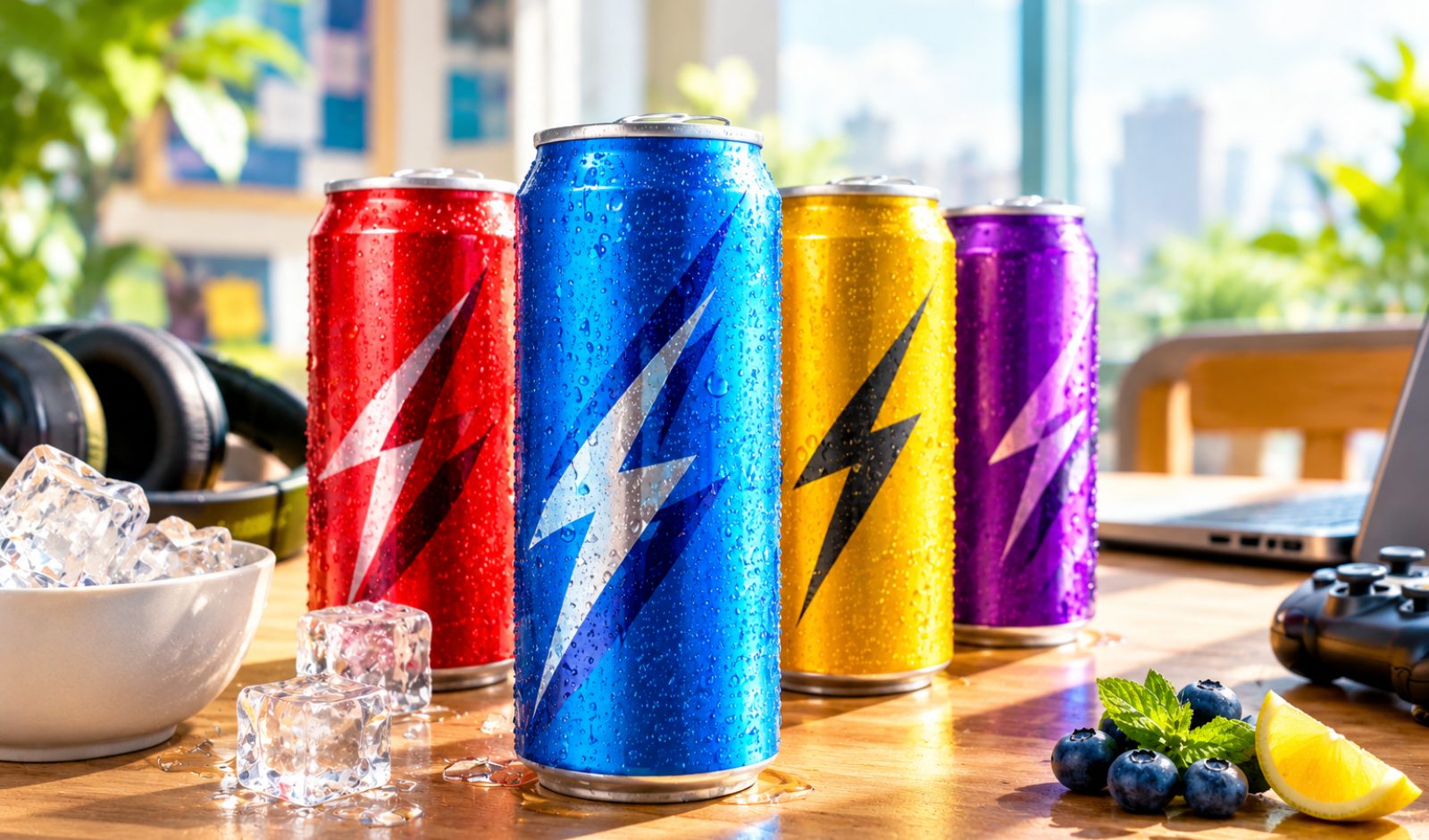
Walk into a modern beverage aisle today and the choice is no longer simply between cola, juice and water. A single shelf can carry electrolyte drinks, protein beverages, sparkling water, cold coffee, kombucha, energy drinks, zero-sugar soda, coconut water and botanical drinks. The change is bigger than the number of products. The meaning of a beverage is changing.
Consumers are increasingly buying drinks for a specific need. They may want hydration after a workout, energy during work, gut health support, a low-sugar option or a premium drink for a social occasion. This is pushing beverages beyond their traditional categories. India's beverage industry is now moving from a carbonated-soft-drink-led market towards a much wider portfolio of functional beverages, RTD tea and coffee, bottled and sparkling water, mixers and zero-proof formats.
The Beverage Category Is Breaking Apart
For years, beverage shopping followed a simple logic.
- Water meant hydration.
- Juice meant fruit.
- Cola meant refreshment.
- Energy drinks meant stimulation.
That structure is becoming less useful. Today, hydration can come from water, coconut water, electrolyte drinks or enhanced beverages. Energy can come from coffee, matcha, energy drinks or caffeinated functional products. Social drinking can include cocktails, RTD beverages, mocktails and zero-proof spirits. This is known as category blurring. A product does not always compete with another product from the same category. It can compete with any beverage that serves the same consumer need. That makes the beverage aisle more difficult to organise, both for shoppers and retailers.
Consumers Are Shopping by Need, Not Category
One of the biggest changes is the rise of need-state consumption. Consider a consumer returning from the gym. The traditional choice may have been water or a sports drink. Today, the same consumer could consider coconut water, electrolyte water, a protein beverage or a functional hydration drink. The occasion has remained the same. The number of solutions has increased.
The same thing is happening during the workday. A consumer looking for an afternoon boost can choose coffee, cold brew, matcha, an energy drink, an RTD tea or even a caffeinated soda. This means the real competition is increasingly between consumer occasions. The question is no longer only, “What category does this drink belong to?” It is becoming, “What problem is this drink solving?”
Functional Beverages Are Expanding the Shelf
Functionality is one of the biggest reasons behind this change. Beverages are increasingly being positioned around hydration, electrolytes, vitamins, gut health, low or no sugar and other wellness-led benefits. India's beverage market is also seeing traditional drinks such as kokum, jaljeera, aam panna, buttermilk and sattu being redesigned in packaged formats. This creates an interesting overlap between FMCG, nutrition and everyday refreshment. A drink that once competed mainly on taste may now compete on ingredients and benefits. The result is SKU proliferation. Brands are creating more variants, flavours, pack sizes and functional propositions to target smaller consumer needs. For retailers, however, every new SKU needs space. That creates a difficult question: how many beverages can a shelf support before more choice starts becoming less useful?
The Rise of the In-Between Beverage
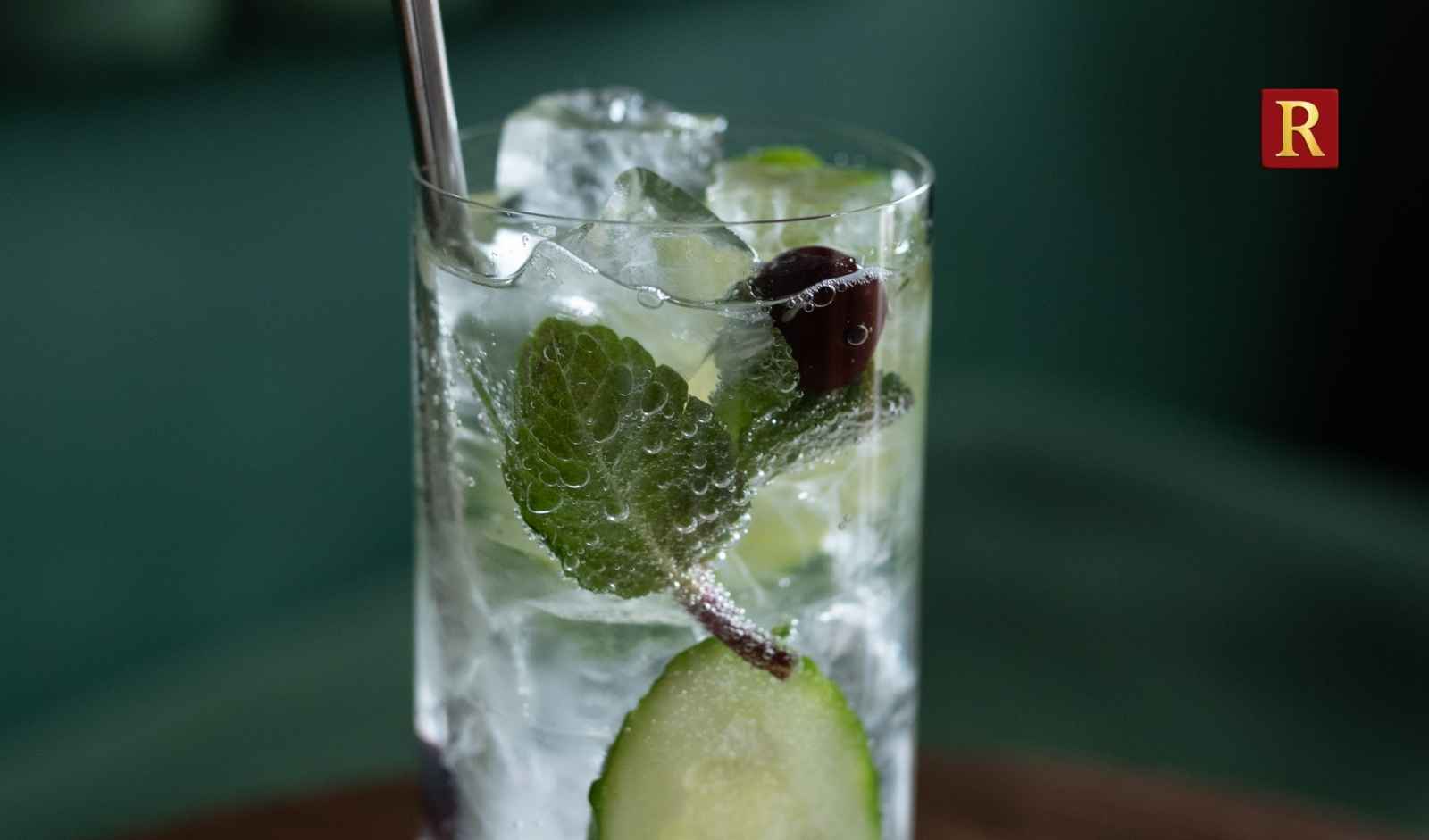
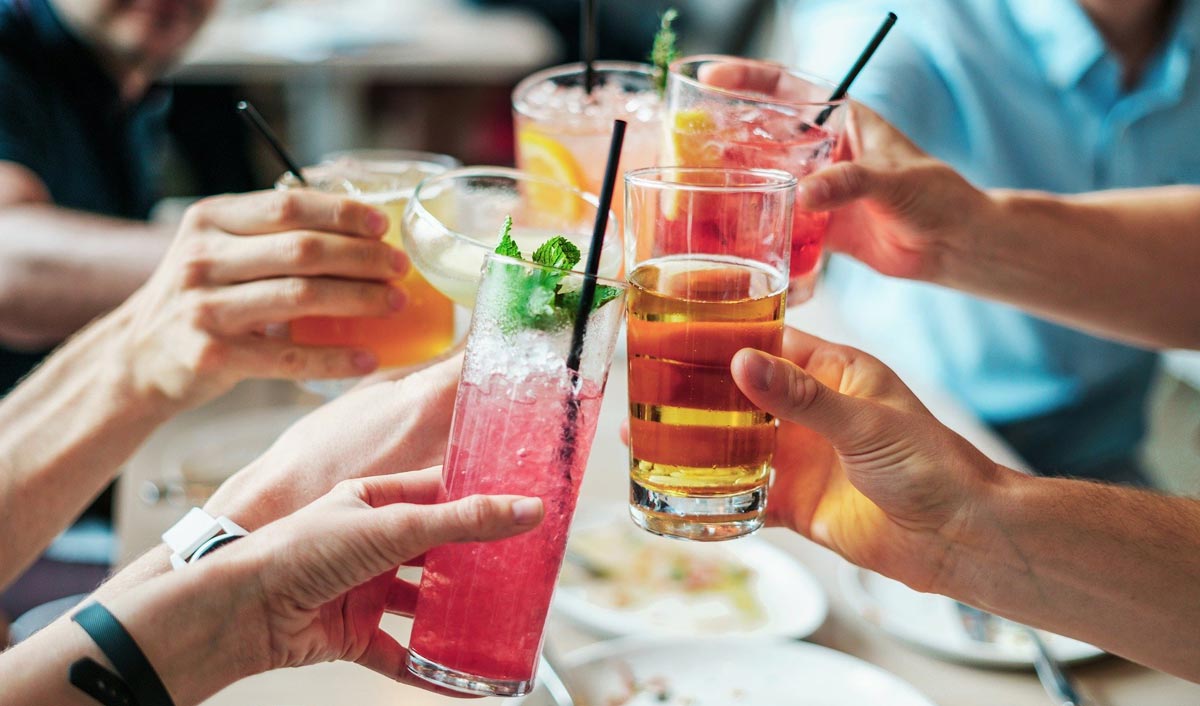
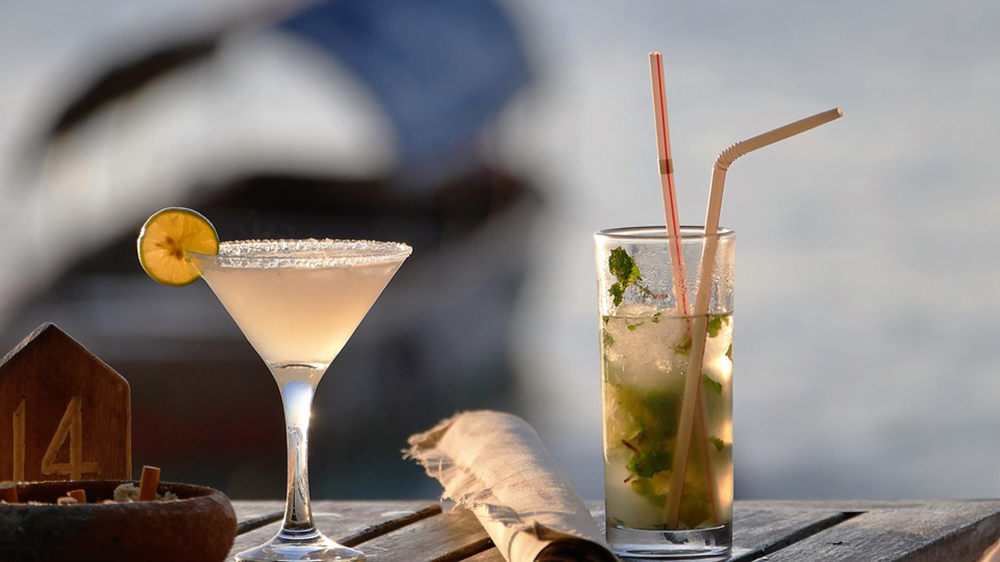
Some of the most interesting products are those that do not fit neatly into one category. Zero-proof drinks are a good example. They are not conventional soft drinks, but they are also designed to participate in social occasions traditionally associated with alcohol. Enhanced water sits somewhere between bottled water and functional nutrition.
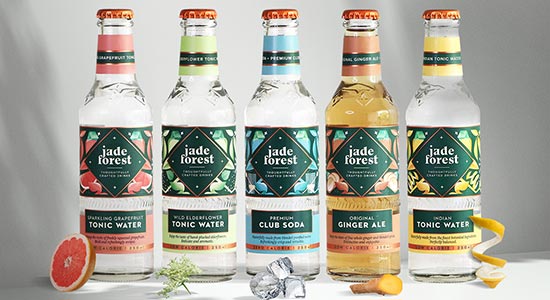
Protein coffee crosses the boundaries of coffee and sports nutrition. Botanical drinks can sit between premium soft drinks, wellness products and cocktail mixers. These in-between beverages are important because they show where future innovation may happen. The next major beverage category may not be completely new. It may be created by combining two existing categories.
Quick Commerce Has Turned the Shelf Into a Search Bar
The growth of quick commerce is adding another layer to beverage discovery. In a physical store, a new product has to earn shelf space. Online, it needs to appear when a consumer searches for a need. A consumer can search for “electrolytes”, “energy”, “protein”, “zero sugar” or “coconut water” and immediately see several competing products. This changes how brands build visibility.
Quick commerce can also encourage occasion-led purchases. A consumer does not necessarily plan to buy a functional beverage days in advance. They may decide they need hydration after exercise or a cold drink while working and order it immediately. India's beverage industry is increasingly using e-commerce, quick commerce and D2C channels to expand access and distribution. The physical shelf is therefore becoming a digital shelf as well.
The Price of a Drink Is Becoming the Price of Its Benefit
Another major change is the widening price architecture. A basic beverage may compete on affordability. A functional beverage may charge more because it sells an additional benefit. A premium botanical or zero-proof drink may charge even more because it sells ingredients, experience and positioning. This changes the consumer's calculation. The question becomes less about how much the liquid costs and more about what the consumer believes the additional benefit is worth. For brands, this makes packaging and communication extremely important. The product must quickly explain why it deserves its price.
Even the Words on the Pack Are Becoming Important
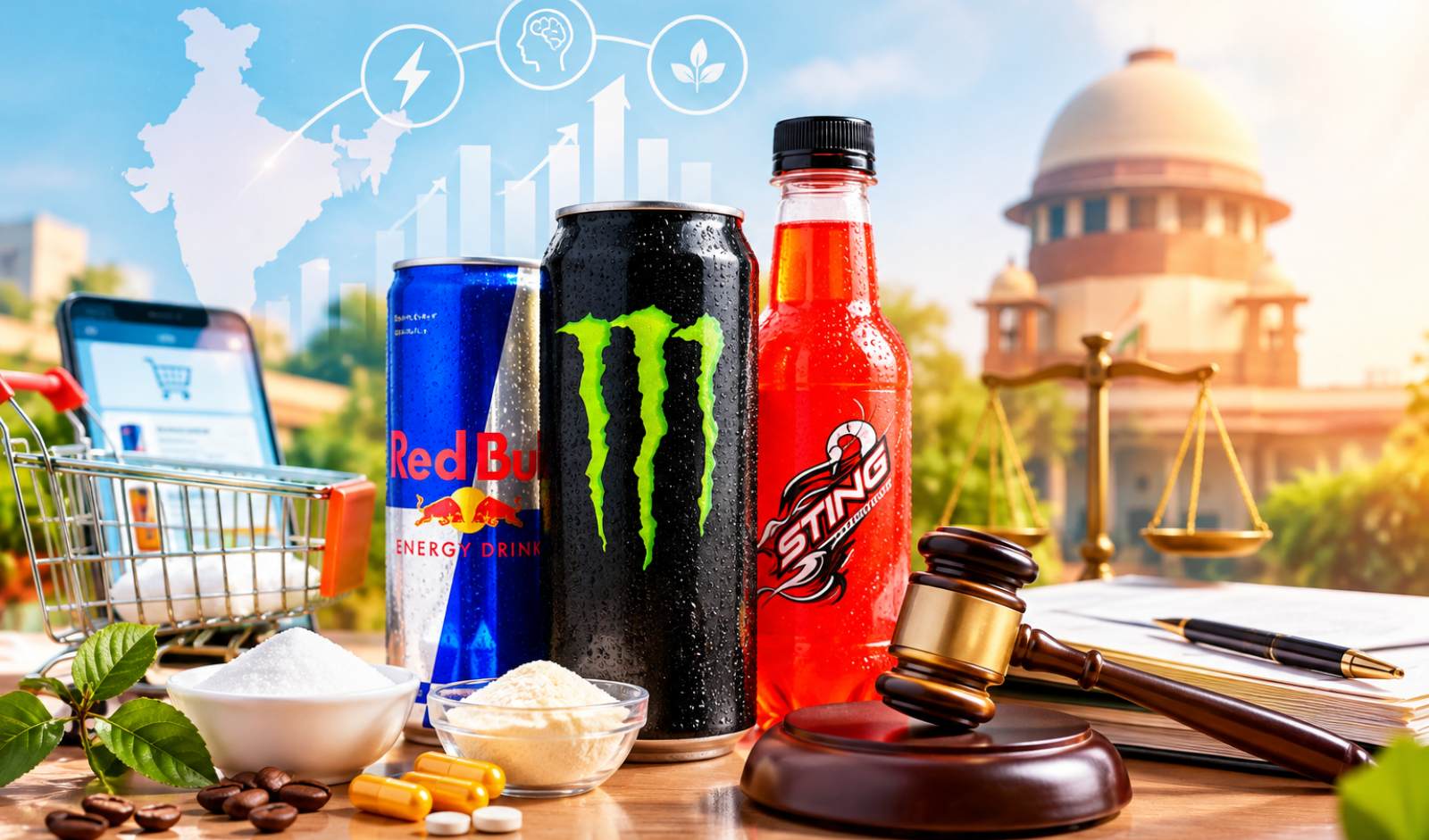
As beverage categories become more complicated, regulatory classification becomes more important. The ongoing dispute around the term “energy drink” in India is a clear example. In June 2026, FSSAI directed manufacturers of certain high-caffeine beverages to stop using the “energy drink” descriptor. PepsiCo and Monster challenged the action. On October 6, the Delhi High Court granted interim relief allowing existing labelled stocks to be sold while the legal matter continues.
Reuters reported that India's energy drink market is growing at about 12.6% annually and could reach US$1.6 billion by 2028. PepsiCo also said it had around 492 million labelled bottles and 26 million cans in circulation as of July 31 during the dispute. The case shows that a category name is not just marketing language. It can affect packaging, inventory, distribution and investment.
Retailers Have a Shelf-Space Problem
More innovation is good for consumers, but it creates a difficult assortment problem for retailers. A store cannot keep adding shelves every time a new beverage trend emerges. Retailers must examine sales velocity, margins, repeat purchases and incremental demand. A new electrolyte drink may attract new shoppers. But if it simply takes sales away from another hydration product, the retailer has not necessarily gained much.
This is where assortment optimisation becomes important. The future beverage shelf may therefore contain fewer weak products and more products that have a clear reason to exist.
The Future Beverage Shelf May Be Organised Around Occasions
The biggest shift may be from category-based merchandising to occasion-based merchandising.
- Instead of seeing: Water | Juice | Soda | Energy
- The future could increasingly look like: Hydrate | Focus | Recover | Socialise | Indulge
That is a major change in how the industry thinks about beverages. India's market is already showing this direction through functional products, modern versions of traditional beverages, RTD formats and zero-proof offerings. The beverage aisle is not becoming complicated simply because brands are launching more products. It is becoming complicated because one drink can now perform several jobs. A beverage can provide hydration, caffeine, nutrition, wellness, convenience or social value. The strongest brands will therefore not only ask which category they want to enter. They will ask a more important question: Which consumer occasion do they want to own? That may ultimately decide what the beverage aisle of the future looks like.
Saptopriya Ghosal
Feature Writer
I am a dedicated media professional with a bachelor's degree in mass communication from the State University of Calcutta and a postgraduate degree from Amity University. My academic journey has equipped me with a profound understanding of storytelling and communication. Passionate about the dynamic world of media, I continually strive to explore new ways to engage and inform through compelling narratives.