Why Table Turnover Matters
With operating costs rising faster than menu prices, table turnover has become a key determinant of restaurant profitability.

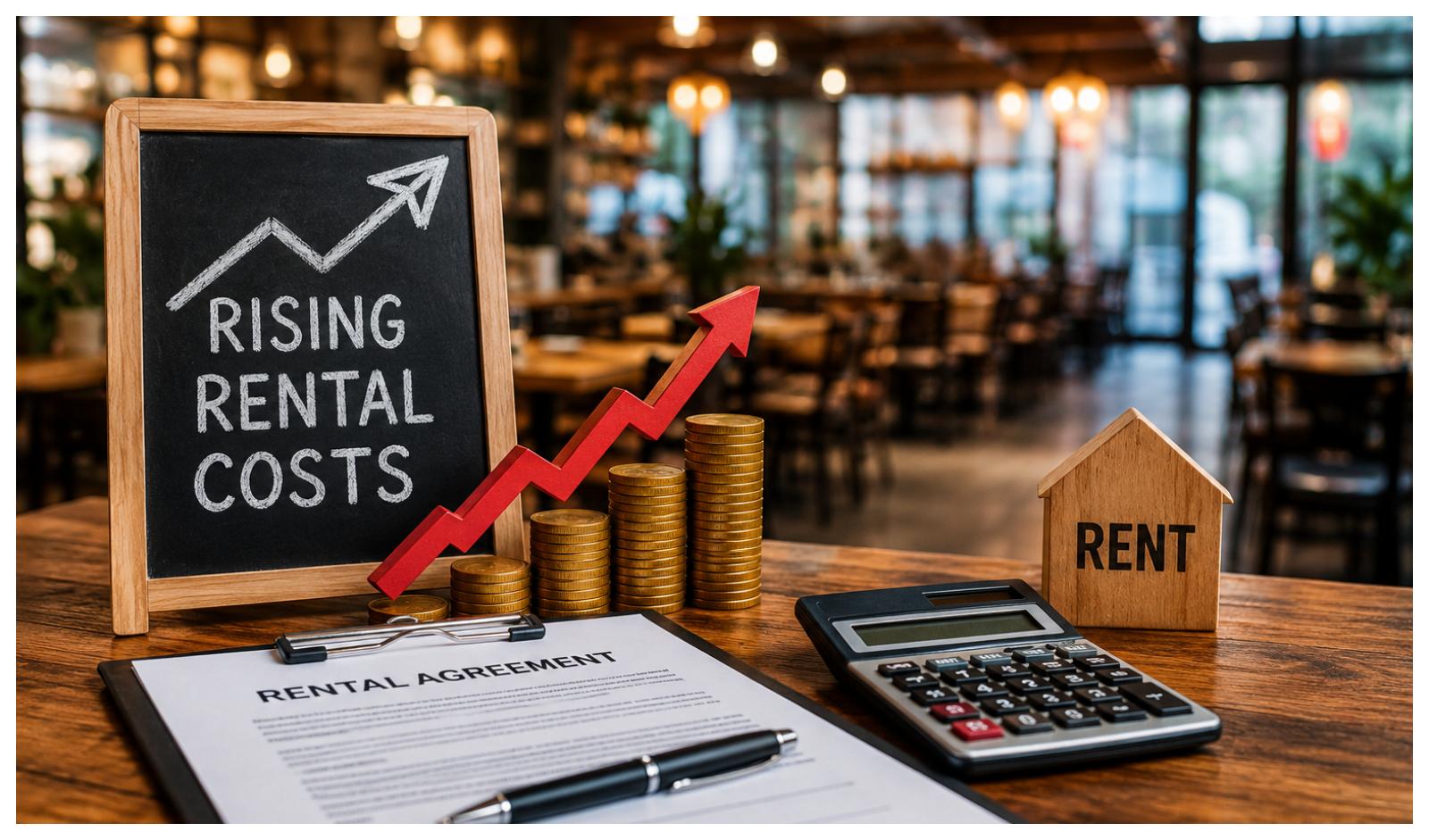
Unlike food and labour costs, which operators actively manage, table turnaround directly impacts the revenue from a fixed footprint. In high-density markets like Mumbai, Delhi, and Bengaluru where rents in areas such as BKC, Lower Parel, Cyber Hub, Khan Market and Indiranagar where getting a space has become a restaurant’s most expensive constraint.
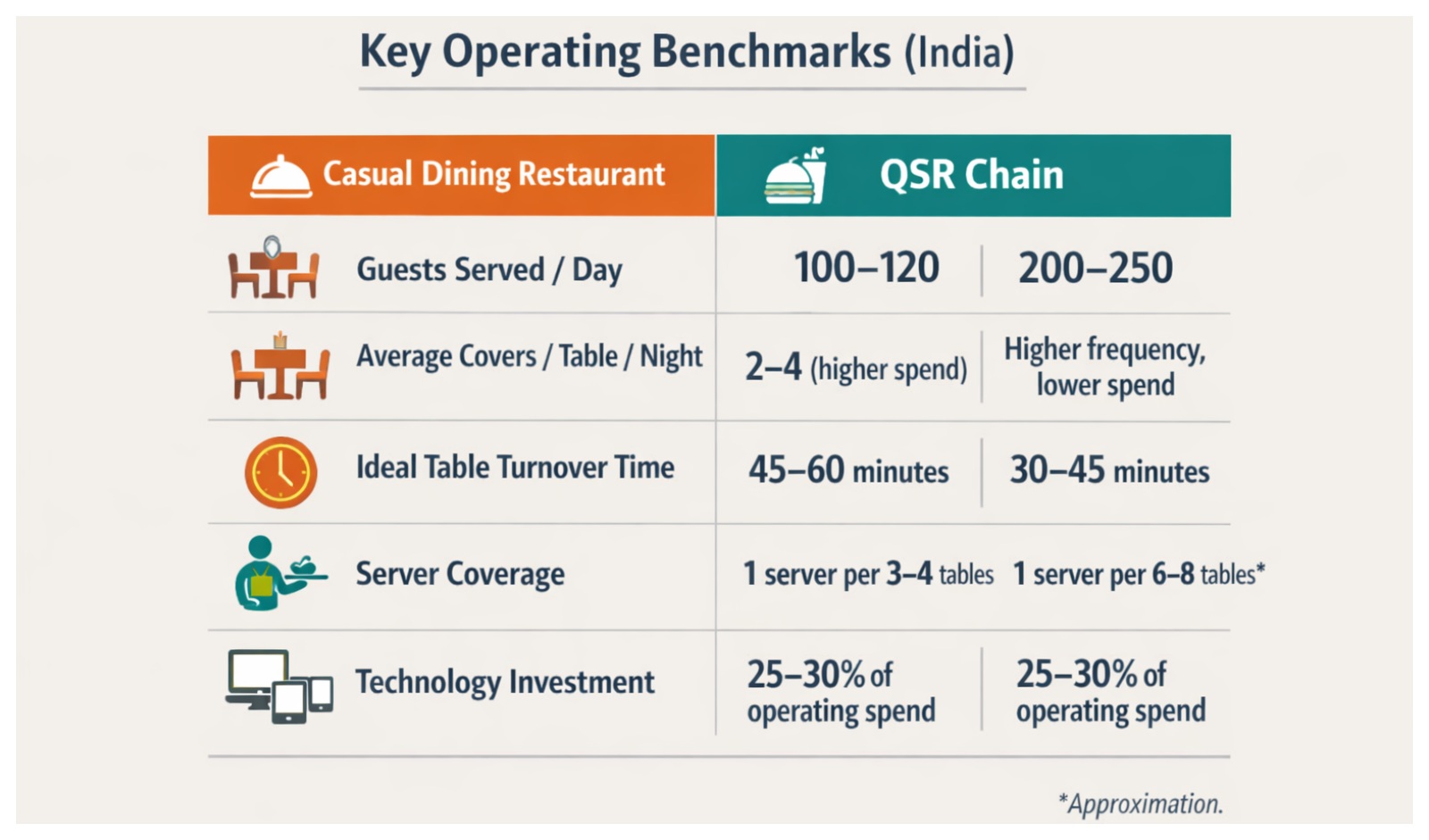
In high-rent markets, fixed costs are often the highest expense, sometimes exceeding 30–45% of total revenue with an ideal turnaround of 45min to 1 hour. Higher turnaround dilutes fixed costs per customer, improving profitability. A casual dining restaurant serves 100-120 guests for dine-in in a day, while QSR chain serve 200-250 guests in a normal day, 2-4 covers per night with higher spend in some cases.
The Silent Profit Driver
When fixed costs are high, the only sustainable way to grow is by making every table work harder for you. Expanding footprint is no longer the first answer, improving how efficiently you use existing space is.
What’s also changed is how Indians dine today. In high-footfall business districts and high streets, guests are eating out more frequently but spending less time per visit, especially during lunch hours and post-work dining windows.
“Restaurants that optimize table turnaround are not just improving revenue; they are aligning themselves with modern urban dining behaviour. At Blah, operating in a high-demand, high-rent environment, we’ve seen first-hand how even small improvements in how quickly and smoothly tables turn can have a direct impact on both daily revenue and guest satisfaction,” shares Niketa Sharma, Founder, Keish Hospitality.
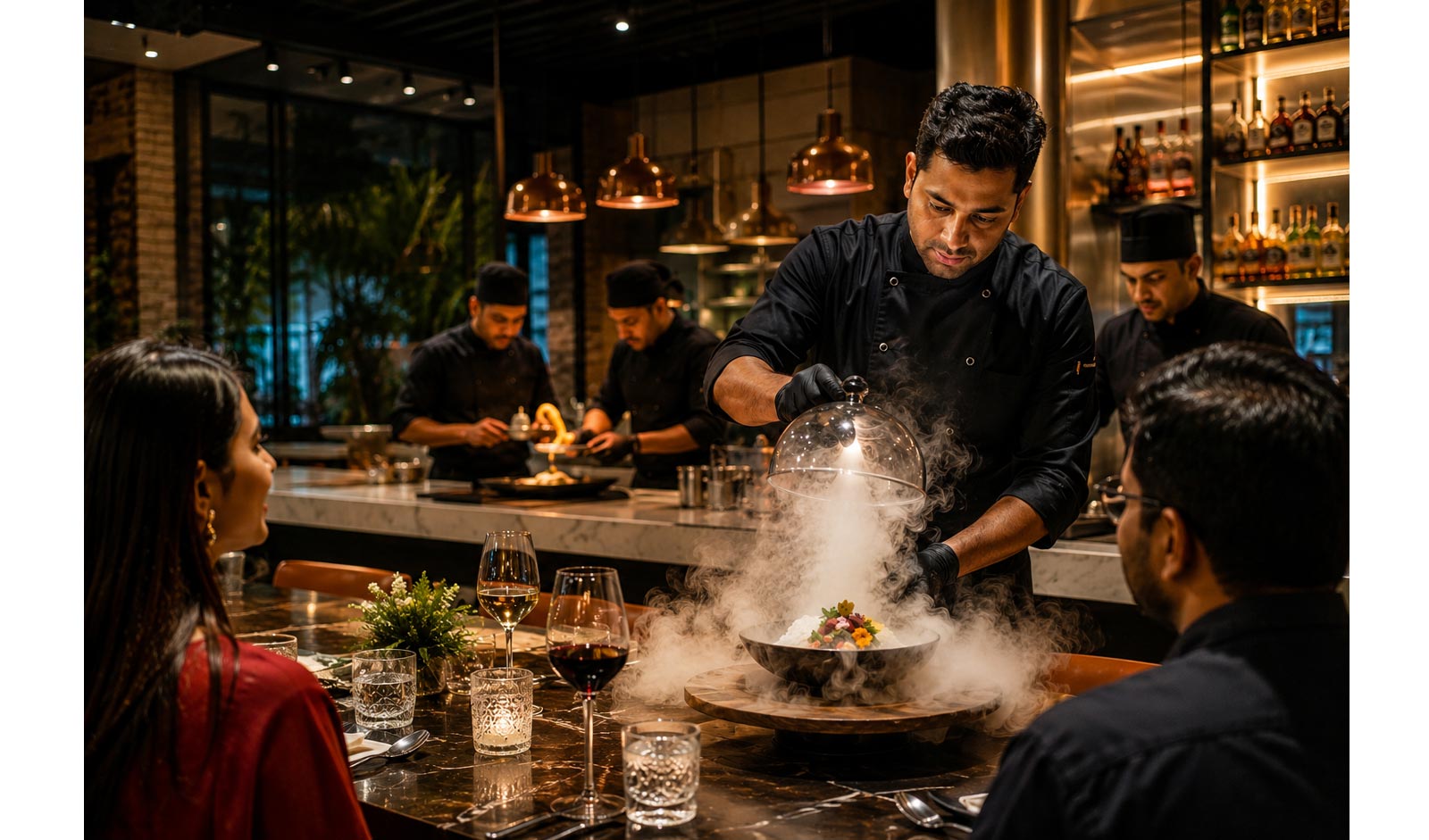
Commenting on the same, Sarfaraz Ahmed, Corporate Executive Chef, Passion Cuisine Pvt Ltd that owns and operate Tresind in Mumbai says, “Faster table turnaround for me is more of back of the house operational excellence. The guest need not to be put in hurry rather making your operations more efficient, smooth and theatrical.”
Overlooking Hidden Costs
An aggressive push for faster table turnaround can hide real costs, staff burnout, higher breakage, rushed guest experiences, weaker loyalty, and inefficient inventory planning that can lead to long-term margin erosion despite short-term volume gains.
In high-demand markets, guests who face long waits or slow service are far less likely to return, even if the food is good. Over time, inefficient turnaround silently erodes loyalty, online ratings and word-of-mouth, forcing restaurants to spend more on marketing just to stay relevant.
“We’ve seen this clearly in the industry, where many restaurants end up spending more on discounts and promotions not because demand is low, but because operational inefficiencies prevent them from monetizing peak demand effectively,” adds Sharma.
Operational Bottlenecks
One of the most common bottlenecks is poor synchronisation between the front-of-house and the kitchen. During peak hours, even a few minutes’ delay in order firing, food dispatch, or table clearing can create a ripple effect across the entire service floor.
Addressing this, Nikita Poojari, Director Shiv Sagar Group mentions, “Another major factor is uneven guest flowwhere many tables are seated at the same time due to walk-ins or delayed reservations, which overloads both service and kitchen simultaneously. At Shiv Sagar, we have learnt that peak-hour efficiency is less about speed and more about rhythm. When the rhythm breaks, everything slows down.”
“Once it becomes visible to guest that the servers are running, pushing for next courses or clearance, it impacts the dining experience,” points Ahmed.
Similarly, a visually appealing menu packed with time-heavy dishes can bottleneck service during peak hours and without a kitchen workflow designed for volume, even the best service teams will struggle to keep up.
“At Butterfly High, our menu engineering focuses on a balance between signature dishes and high-throughput items. We consciously design menus keeping preparation time, plating complexity, and kitchen load in mind,” says Poojari.
Power of Technology
Reservations and data are tools that help to understand the demand and dining patterns, not mechanisms to rush the guest experience. They allow to plan better anticipating peak periods, aligning staffing, and pacing service in a way that feels considered and unforced. As per reports, restaurants invest 25-30% of technology for easy processes.
“Technology has certainly supported improvements in table turnaround, but its real value lies in enabling smoother coordination on the floor while preserving the warmth and attentiveness that define Malgudi’s hospitality,” adds Chandrashekhar Rai, CEO, Malgudi.
As Indian restaurants mature into more organised, tech-enabled businesses, decision-making is becoming far more data-driven. Table turnaround sits at a unique intersection. It reflects both operational efficiency and guest behavior which makes it incredibly powerful as a performance metric.
“What we will increasingly see is restaurants using turnaround data not just for reporting, but for redesigning menus, rethinking service formats, and even influencing layout and seating strategy,” points Sharma for whom table turnaround is not just a metric, but a design and strategy tool.
Role of Staffing
Equally critical is people management. Pre-shift briefings by managers before service hours create alignment across teams, ensuring staffs are prepared for rush periods while also optimizing manpower during slower weekdays. These may seem like small interventions, but together they dramatically improve throughput and profitability. One server focuses on 3-4 tables and 4-7 back of house staff focuses on 50 customers.
“For instance, in a 60-cover restaurant like ours at Blah, even one additional table turn during peak dinner hours has meaningfully improved daily profitability without any change in pricing,” points Sharma.
Many restaurants who serve for peak demand gain more revenue as per day basis. For Eg: Staff Cost is 30,000, while the revenue per day will be higher and the labor cost will be lower during faster turnover.
Improving Business
Improving table turnaround fundamentally changes how efficiently a restaurant uses its most expensive asset: space and manpower.
What’s equally important is that better turnaround improves predictability. When you know how many covers you can reliably serve in a day, planning becomes sharper. “In the Indian context, where demand fluctuates heavily by day, weather, festivals and even traffic, having control over table flow gives operators a big advantage in managing volatility without sacrificing margins,” mentions Sharma.
So, we can surely say that table turnaround will be tracked alongside footfall, average order value, and daily revenue, as it represents a form of quiet revenue, improving operational efficiency without compromising guest comfort or trust.
Vijetha Iyer
Content Editor
Working as a Content Editor with Restaurant India. I have worked in various sectors like food and beverage sector, chemicals, pharma, nutraceuticals, now specially focusing on restaurant side. But my core knowledge was always on content. Be it writing poems to verses, I always loved writing and have been exploring my career on the same. In Restaurant India, I deliver insightful stories, take interviews of various brands and update the audiences about the newest happenings in the restaurant industry.