
Why Spaciousness Is Becoming More Valuable Than Opulence
The logic was simple: if guests could see what you spent, they'd feel the value of it.

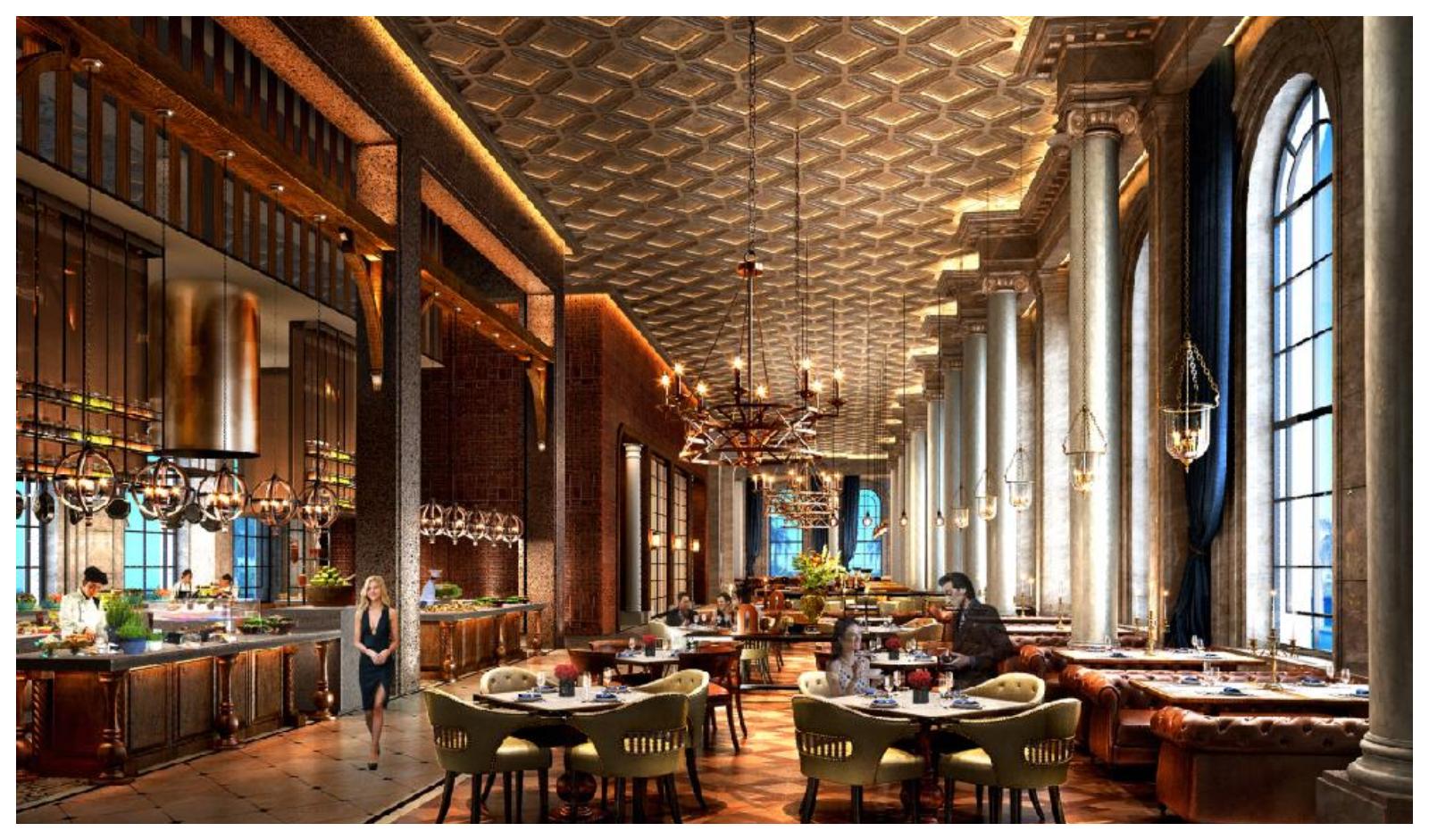
For decades, luxury in hospitality and dining was defined by visible extravagance. Grand chandeliers, ornate interiors, lavish furnishings, and opulent décor were considered the ultimate symbols of exclusivity and prestige. If guests could see where the money had been spent, the assumption was that they would automatically perceive value when "luxury" meant more of everything. More marble. More gold leaf. More square footage devoted to a chandelier nobody looked at twice after check-in. The logic was simple: if guests could see what you spent, they'd feel the value of it.
Nothing shifts suddenly in this industry. But over the past few years something is changing in what guests ask for, what they remember, and what brings them back. And it has very little to do with how much a room costs to furnish.
Across hospitality and dining, spaciousness has emerged as one of the most valued aspects of modern luxury. Travellers and diners increasingly seek environments that offer comfort, privacy, freedom of movement, and a sense of calm. In a world that feels more crowded, fast-paced, and digitally connected than ever before, space itself has become a premium experience.
This shift reflects a broader change in lifestyle aspirations. Modern consumers are no longer looking only for places that impress them visually; they are searching for experiences that help them disconnect, recharge, and reconnect with themselves and their surroundings. As a result, thoughtfully designed spaces are becoming more desirable than excessive ornamentation.
One of the biggest drivers behind this trend is the growing focus on wellness. Travel is no longer viewed merely as a leisure activity but increasingly as an opportunity for restoration and self-care. Guests prefer properties that offer natural light, fresh air, openness, and uncluttered environments. These elements contribute to emotional comfort and create experiences that feel genuinely rejuvenating.
We live in an era of constant input. Notifications, commutes, open-plan offices, social feeds — there is very little in daily life that isn't vying for your attention. When someone finally gets on a plane or books a table for a special occasion, what they're really buying is relief from all of that. The hospitality industry's job, at its best, is to give people back a sense of their own rhythm. That's what well-designed space does. It doesn't announce itself. It just makes you feel like you have room to be yourself.
Privacy has also become a defining element of contemporary luxury. Today's affluent travellers and diners value exclusivity in a more personal and meaningful way. Rather than being surrounded by visible displays of grandeur, they appreciate having the space to enjoy intimate conversations, family moments, or quiet reflection. Spacious environments naturally support this desire by offering a greater sense of seclusion and comfort. With multi-generational families, which make up a significant portion of our guests at our properties. They're not looking for Instagram moments — they're looking for a place where the grandparents can sit comfortably while the kids have room to move, and where an adult conversation can happen without anyone having to raise their voice. That's not glamour. That's design doing its job.
The dining world is going through the same reckoning. The restaurants I find myself returning to — and that our guests consistently recommend — aren't the ones with the most dramatic interiors. They're the ones where the tables are placed with some consideration for the people sitting at them. Where you don't feel like you need to lean in just to hear each other. Where the room has a point of view without demanding your full attention.
Restaurants today are focusing more on atmosphere and guest comfort than visual excess. Open layouts, outdoor seating, natural materials, and understated aesthetics are replacing crowded interiors and over-designed spaces. Consumers are becoming more intentional about the experiences they choose. They seek authenticity, emotional connection, and environments that allow them to fully engage with the people they are with.
Another factor contributing to this shift is the rise of experiential travel. Modern travellers increasingly prioritise experiences over possessions. They value moments that create lasting memories—whether it is a peaceful morning overlooking a scenic landscape, quality time with loved ones, or simply the freedom to unwind without distractions.
Spacious environments enhance these experiences by allowing guests to engage more naturally with their surroundings. They create opportunities to slow down, appreciate the moment, and experience destinations at their own pace.
Opulence isn't dead. But it's been demoted. It used to be the main event; now it's at best a supporting detail. What's taken its place is something harder to photograph and harder to fake: an environment that actually works for the people inside it.
For hospitality developers and operators, this shift presents both an opportunity and a responsibility. As consumer expectations evolve, businesses must rethink traditional notions of luxury and focus on delivering experiences that align with contemporary lifestyles. Properties that successfully combine comfort, privacy, wellness, and thoughtful design are likely to resonate more strongly with today's discerning guests.
The business case, if anyone needs it: guests in genuinely spacious, well-considered environments stay longer, spend more, and come back. Not because you impressed them — because you made them feel at ease. That's a harder thing to manufacture than a chandelier, and a harder thing to replicate.
The future of luxury is becoming increasingly human-centric. Consumers are no longer seeking luxury solely for status or display. Instead, they are investing in experiences that enhance their quality of life and contribute to their overall well-being. In this context, spaciousness represents far more than a design preference—it embodies a new definition of luxury itself. In an era where time, attention, and peace of mind are among our most precious resources, spaciousness has become one of the most valuable luxuries of all.
Vikram Puri
Managing Director, Archer Hospitality Pvt. Ltd.









































