
Why Small Inconsistencies Lead to Big Revenue Losses
Nearly 7 out of 10 diners are unlikely to revisit after an inconsistent experience.

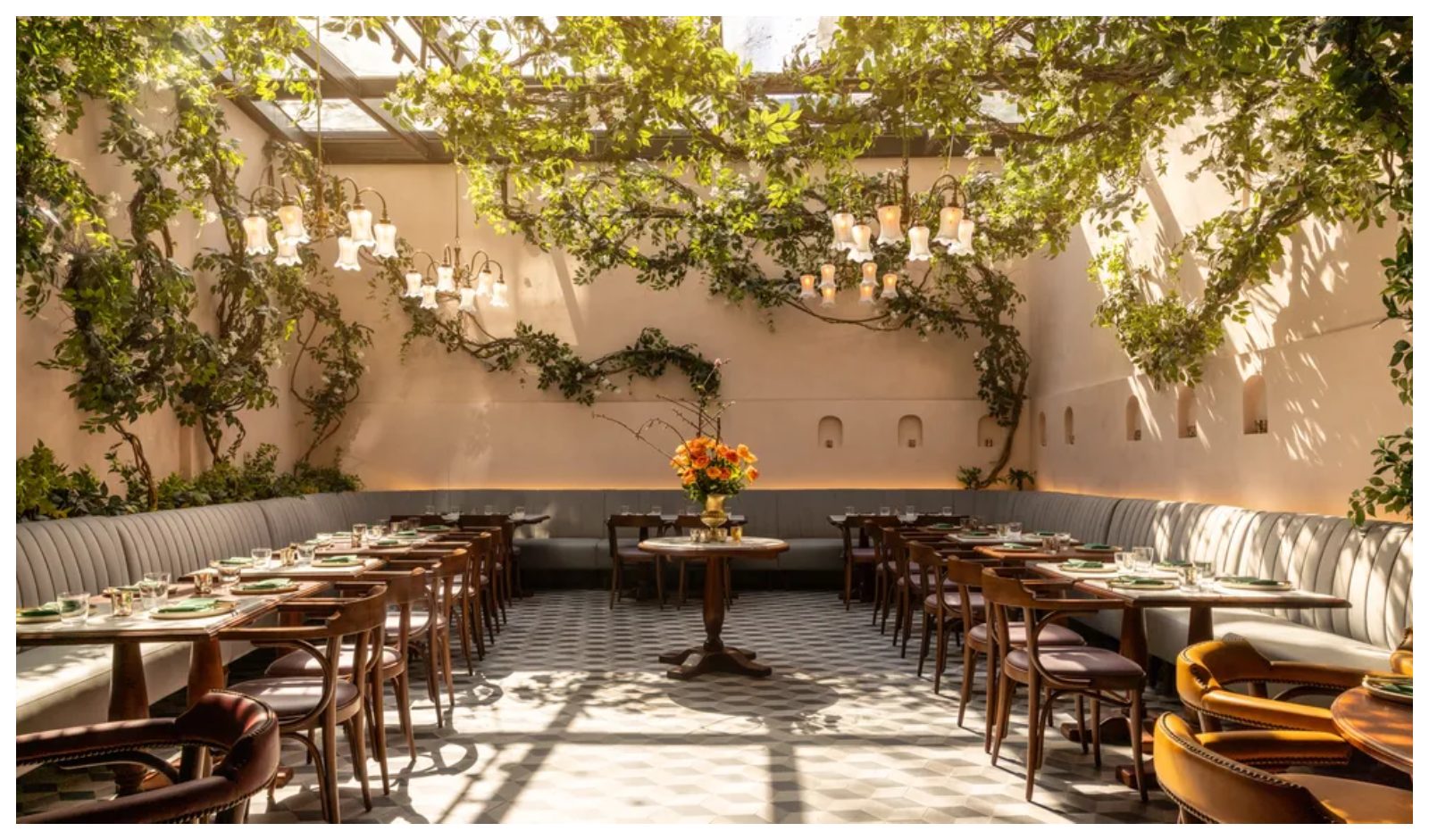
In restaurant industry, inconsistency rarely appears as a sudden breakdown. It builds gradually through slight variations in flavour, portion, service and the overall experience eventually impacting profits, brand strength, and the ability to grow.What’s striking is that most restaurants don’t shut down because their food is poor. They struggle because customers can’t rely on the experience being the same every time.
Inconsistency is often Overlooked
In hospitality, inconsistency breaks trust. Customers don’t come back just because a dish was good once, they return when they know it will be good every single time. Nearly 7 out of 10 diners are unlikely to revisit after an inconsistent experience. Even one poor visit can lead to negative reviews and fewer repeat orders.
“Inconsistency is among the most frequently overlooked reasons behind financial losses in restaurants. Though inconsistency does not show up on financial statements, it directly affects repeat customers. Guests might not always be able to voice out their dissatisfaction, but if there’s no consistency in their dining experiences, they will definitely not visit again,” said Pulkit Arora, Director and Culinary Expert, CYK Hospitalities.
For multi-outlet brands, inconsistency weakens loyalty, lowers satisfaction, and impacts market share. In today’s digital-first world, powered by platforms like Zomato and Swiggy, inconsistency doesn’t go unnoticed,it spreads quickly and affects perception at scale.
Why Inconsistency Hurts
Inconsistency in restaurants goes far beyond small changes in food cost, it affects the entire business. When the experience isn’t reliable, customers return less often, order less and overall revenue drops.
Adding to this, Aman Talreja, Founder, Murphies Pune,Farro Pune and Oi Brewhouse Co said, “Inconsistency in restaurants is a silent revenue killer because it erodes trust without immediate visibility. When a guest receives a great meal once and a poor version later, the loss isn’t just one customer, its lifetime value, word-of-mouth, and digital reputation. Inconsistent portions, taste, or service directly increase complaints, waste, and rework, quietly inflating costs while reducing repeat visits.”
To compensate, many restaurants rely on heavy discounts and offers, which further reduce margins. At the same time, inconsistent execution leads to kitchen inefficiencies, higher wastage, and uneven portion control, pushing up costs. With high attrition, this means constant variation, making it difficult to maintain stability or scale the business.
In India, the impact of inconsistency is even sharper because of how the industry is structured. The restaurant sector is large around ₹5.5–6 lakh crore and growing steadily at 10–12% each year. At the same time, operators deal with high rentals in metros (often 12–20% of revenue) and rising food costs of about 6–8%. When inconsistency enters the picture, the pressure multiplies.
Restaurants start losing repeat customers, wastage goes up, and there’s greater dependence on discounts to maintain sales. Sagar Kumar Gupta, Founder, SILQ said, “For us, consistency is everything. Brands are recognising that dining is a multisensory journey so we focus on all elements.”
Standardization is Misunderstood
Standardization is sometimes confused with a method for controlling costs by cutting down the quantity or the price. On the contrary, it is actually a process of quality control. This process guarantees the predictability and reliability in the way each dish, each service interaction, and overall experience is executed.
Arora added, “Many restaurants struggle to scale because they are "chef-dependent" instead of “system-dependent. Standardization ensures high recall of the brand name, improved efficiency, simpler training of employees, and greater control over expenses and quality.”
As per Talreja, most restaurants fail to scale because they rely on talent over systems.
The restaurants that scale successfully are rarely the most creative, they are the most consistent. In hospitality, repeat business is built not on surprise, but on predictability. Because in the end, customers return for trust, not just taste.
Vijetha Iyer
Content Editor
Working as a Content Editor with Restaurant India. I have worked in various sectors like food and beverage sector, chemicals, pharma, nutraceuticals, now specially focusing on restaurant side. But my core knowledge was always on content. Be it writing poems to verses, I always loved writing and have been exploring my career on the same. In Restaurant India, I deliver insightful stories, take interviews of various brands and update the audiences about the newest happenings in the restaurant industry.









































