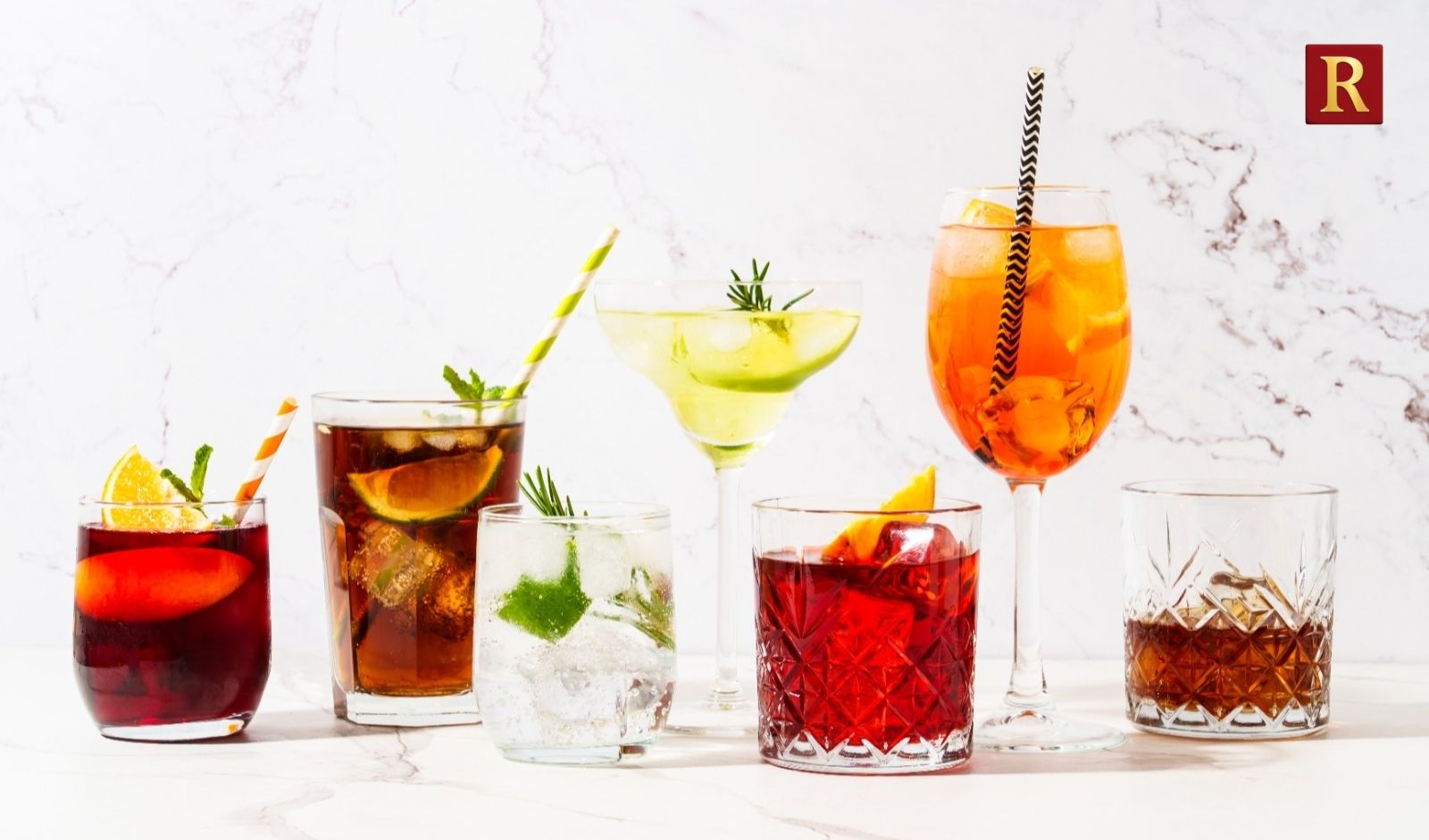
Why Small-Batch Alcohol Is Gaining Popularity This Summer
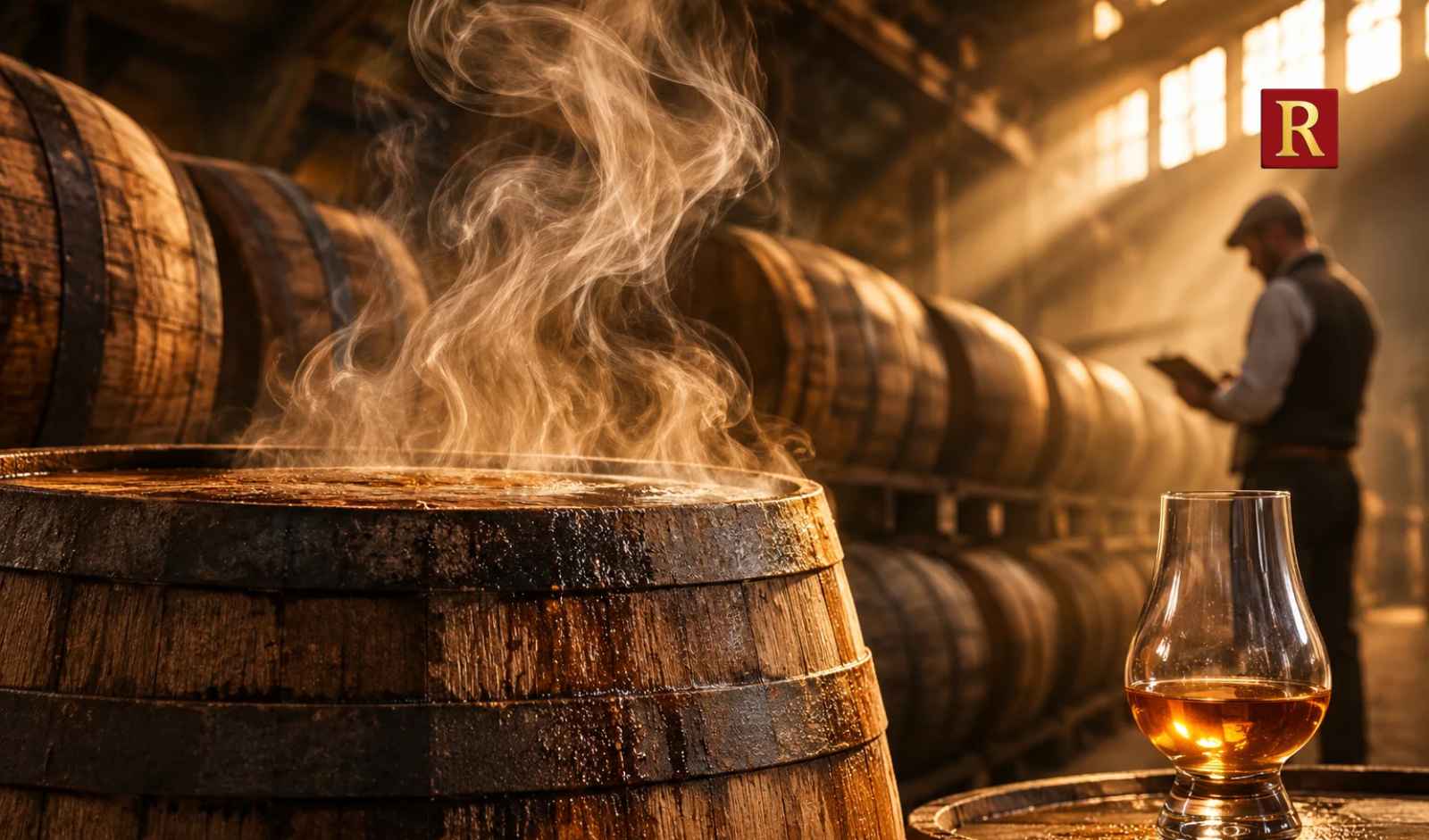
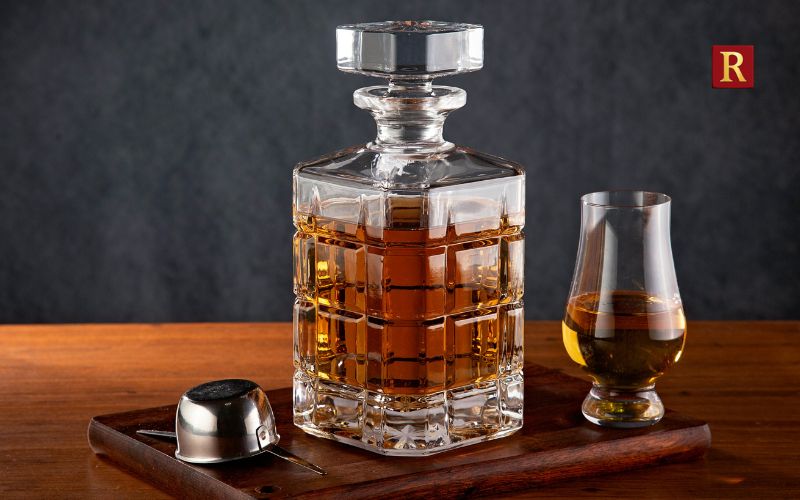
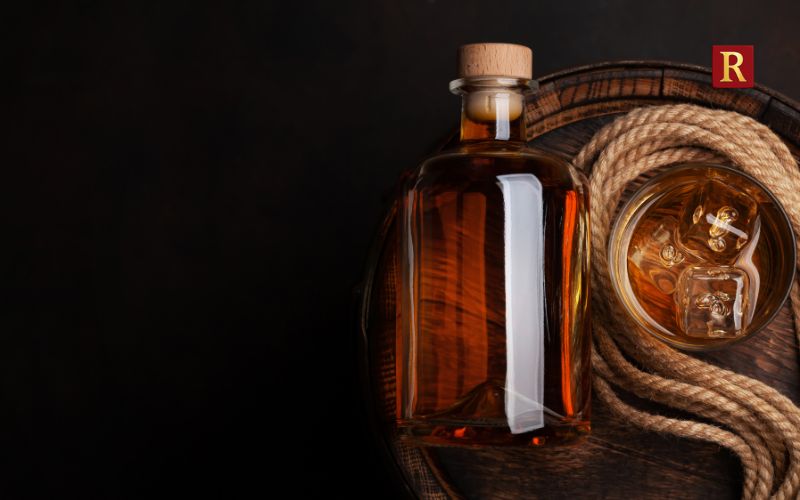
These spirits are often distilled in limited quantities, allowing greater attention to flavour, aroma, and balance.

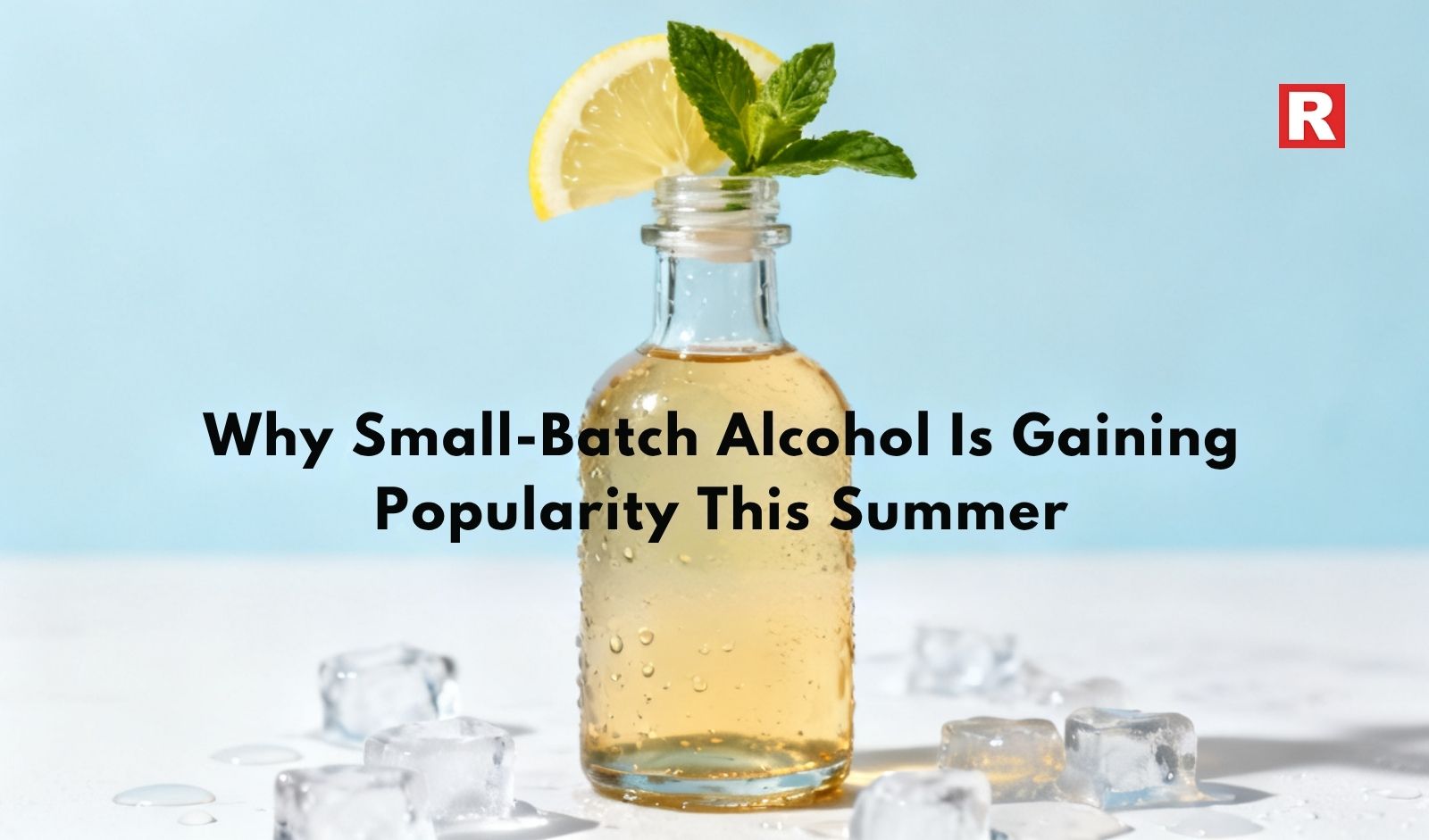
The way India drinks is changing. Not loudly. Not dramatically. But in a way that is easy to notice if you look closely. A few years ago, most consumers preferred familiarity. Popular whisky labels dominated shelves. Beer choices were safe and repetitive. The focus was on availability, price, and consistency rather than experience. Today, especially during the summer months, that pattern is shifting. Urban consumers are actively exploring small-batch alcohol, including craft gins, artisanal rums, and limited-edition spirits produced in smaller quantities. This change is driven by a deeper awareness of what goes into a drink. People are paying attention to ingredients, sourcing, and production techniques such as slow distillation and botanical infusion. Warmer weather is also influencing choices, with a clear preference for lighter, flavour-forward profiles that feel refreshing rather than heavy. More importantly, this shift reflects a broader change in mindset. Consumers are moving away from routine consumption and toward more intentional drinking, where every choice is about taste, quality, and the overall experience rather than just habit.
The Shift: From Quantity to Intention
Indian consumers are no longer drinking more. They are drinking differently. There is a clear move toward “intentional drinking.” People are choosing fewer drinks. But they are choosing better ones. This shift is driven by awareness, lifestyle changes, and a growing focus on experiences over excess.
Younger consumers, especially in metro cities, are leading this change. They are not chasing intoxication. They are chasing taste, balance, and story. That is where small-batch alcohol fits perfectly.
What Small-Batch Actually Means (And Why It Matters)
Small-batch alcohol is not just about producing less. It is about producing with control.
In technical terms, small-batch production involves:
- Limited-volume distillation
- Tight batch control for consistency
- Controlled fermentation cycles
- Precision in ingredient ratios
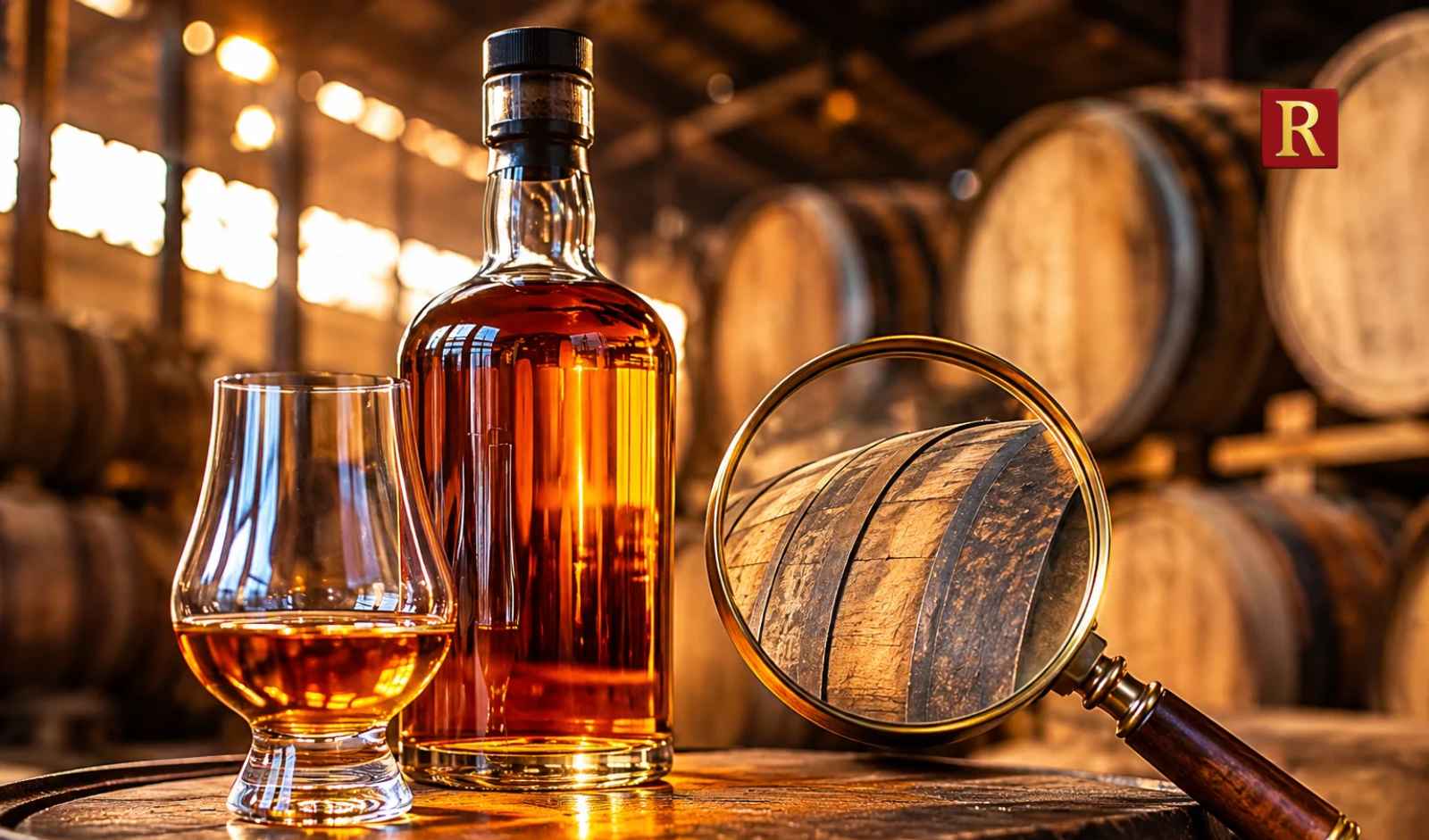
This allows distillers to focus on flavour layering, aroma balance, and texture. Unlike mass production, where uniformity is the goal, small-batch production focuses on character. Consumers today understand this difference. They are paying attention to how a spirit is made, not just how strong it is.
Craft Is Becoming a Social Identity
In India, small-batch alcohol is no longer niche. It is becoming a social signal. Urban millennials and Gen Z consumers now associate craft spirits with taste, awareness, and individuality. A small-batch gin or rum is not just a drink. It is a reflection of personality. What is on the table matters. And small-batch bottles carry more meaning than mainstream labels.
This is especially visible in social settings:
- House parties
- Curated dinners
- Cocktail evenings
Summer Is Driving the Flavor Shift
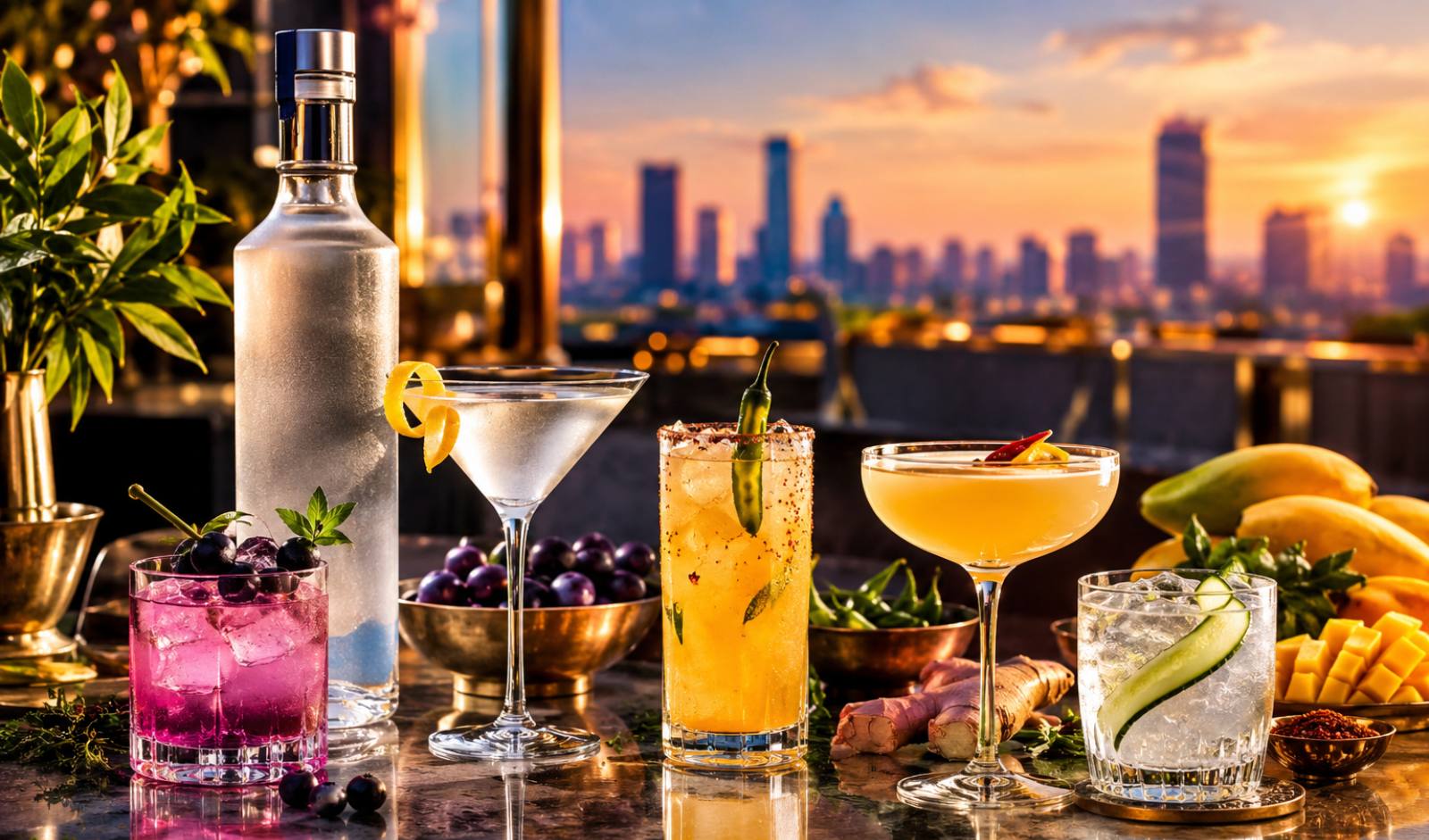
Distillers are experimenting with:
- Botanical infusions
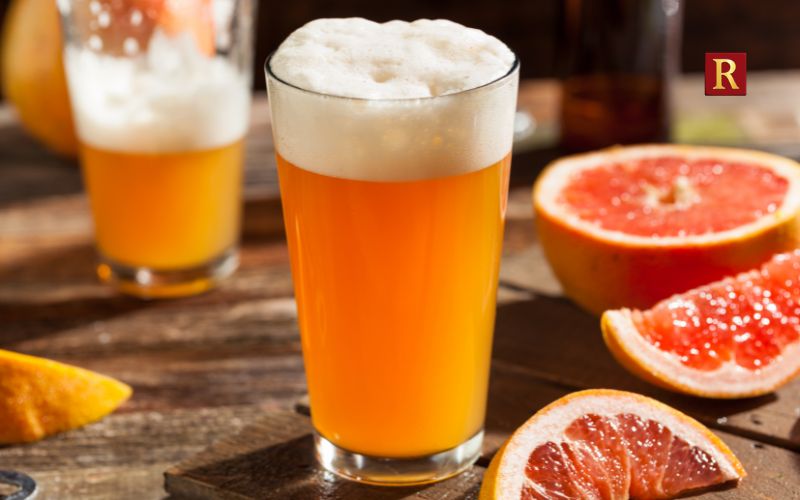
- Citrus-forward profiles
- Spice-led flavours
- Low-ABV blends
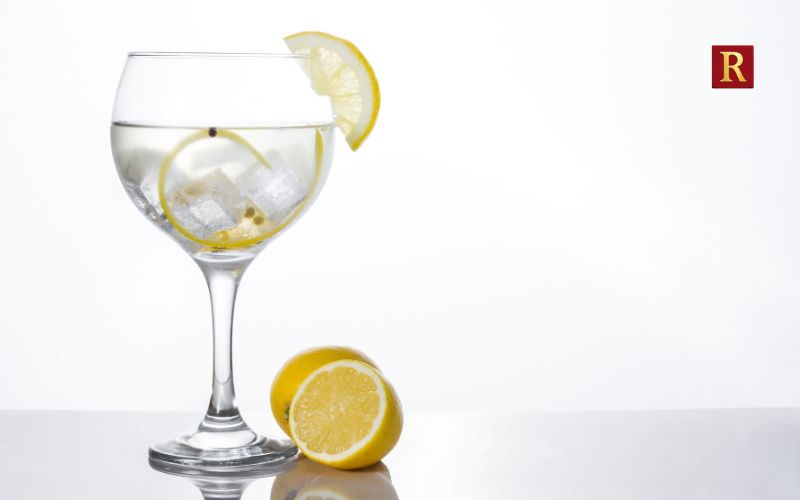
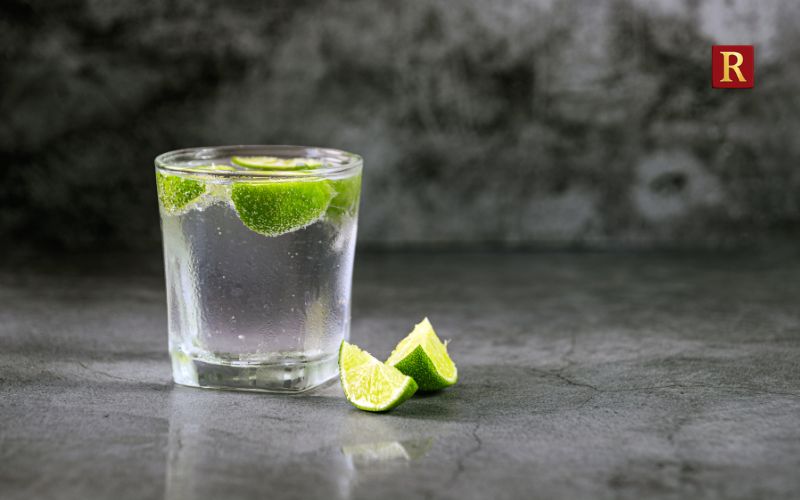
Summer plays a big role in this rise. Heavy, strong drinks feel out of place in warmer months. Consumers want lighter, fresher, more experimental options. Small-batch alcohol delivers exactly that. In India, local ingredients are shaping this trend. Himalayan juniper, saffron, regional citrus, and spices are being used to create distinct flavour profiles. The result is alcohol that feels seasonal. Refreshing. And new.
The End of “One Taste Fits All”
Consistency vs Character: Mass-produced alcohol is designed for uniformity. Large-scale distillation uses standardized processes, controlled blending, and consistent raw materials to ensure every bottle tastes identical. While this builds trust, it also limits flavour diversity and sensory exploration.
Rising Consumer Fatigue: Today’s consumers, especially younger urban drinkers, are growing tired of repetitive taste profiles. With increased exposure to global food and beverage trends, they are actively seeking drinks that offer new flavours, textures, and experiences rather than predictable outcomes.
Limited Editions Create Exclusivity: Small-batch producers often release limited runs. These batches are made in controlled quantities, making each release feel rare and time-sensitive. This adds a sense of discovery and encourages consumers to try something before it disappears.
Regional Variations Add Local Identity: Craft distillers experiment with locally sourced ingredients such as spices, herbs, and fruits. This results in region-specific flavour profiles that reflect local terroir, giving each product a unique identity.
Experimental Blends Drive Innovation: Small-batch alcohol allows flexibility in distillation, aging, and infusion. Producers can test bold combinations, creating layered and evolving flavour profiles that make each sip feel new and engaging.
Premium Is No Longer About Price
Earlier, premium alcohol meant expensive brands. Today, that definition has changed. Consumers are willing to spend. But only when they see value beyond branding. In fact, premium segments in India are growing faster than overall alcohol consumption. This shows that people are not cutting down on spending. They are upgrading their choices.
Premium now means:
- Authentic sourcing
- Transparent production
- Thoughtful craftsmanship
The Home Drinking Culture Boost
Another major driver behind the rise of small-batch alcohol is the growth of home consumption. Since the COVID-19 pandemic, many consumers in India have become more comfortable drinking at home, not just for convenience but for control over their experience. However, this shift is not about compromising on quality. People now want to recreate bar-like experiences in their own spaces. This has led to a noticeable rise in DIY cocktail culture, where consumers experiment with recipes, garnishes, and presentation. Home bar setups are becoming more common, especially among urban millennials, with curated selections of spirits, mixers, and tools. At the same time, there is growing interest in mixology, driven by social media content and easy access to cocktail tutorials. Small-batch alcohol fits naturally into this trend because it offers depth, unique flavour profiles, and versatility. Its complexity enhances cocktails, while its limited-production appeal adds a premium and personalised touch to house parties and small gatherings.
The Role of Gen Z and Millennials
Young consumers are at the center of this shift.
Their preferences are clear:
- They value authenticity
- They prefer local brands
- They care about ingredients
- They look for transparency
They are also more experimental. They are open to trying new formats, flavours, and categories. Importantly, they are driving the “quality over quantity” mindset. Even industry leaders have acknowledged that younger Indians prefer better alcohol over high-volume consumption.
The Numbers Behind the Trend
The growth is not just visible. It is measurable.
- India’s craft spirits segment is expected to grow at over 21% CAGR in the coming years.
- Globally, the craft spirits market is expanding at over 22% CAGR.
- Premium categories in India are already outpacing overall alcohol growth.
These numbers confirm one thing. Small-batch alcohol is not a niche trend anymore. It is a major market shift.
Technical Edge: Why Small-Batch Tastes Better
There is a reason why small-batch alcohol stands out. It comes down to process.
- Distillation: Smaller stills allow better control over temperature and separation of compounds
- Fermentation: Controlled timelines enhance flavour development
- Botanical infusion: Layering ingredients creates depth instead of a flat taste
- Aging: Flexible aging techniques improve balance and smoothness
This technical precision results in:
- Better aroma
- Smoother mouthfeel
- More complex flavour
Consumers may not always understand the science. But they can taste the difference.
The Future
This summer is not just about what people are drinking, but how they are choosing to drink. Across urban India, there is a clear move toward mindful and experience-led consumption. Small-batch alcohol fits seamlessly into this shift because it is built around craftsmanship, quality ingredients, and controlled production methods. These spirits are often distilled in limited quantities, allowing greater attention to flavour, aroma, and balance. Consumers are responding to this detail. They are taking time to understand what they drink, experimenting with cocktails, and appreciating the story behind each bottle, from sourcing to distillation. This approach reflects a broader lifestyle change where drinking is no longer rushed or routine, but curated and intentional. It is also closely linked to the growing premiumisation of the alcohol market in India, where value is defined by authenticity rather than just price. As a result, small-batch alcohol feels more personal and meaningful. The future of drinking in India is clearly shifting away from volume-driven habits toward choices that prioritise quality, individuality, and a more refined overall experience.
Saptopriya Ghosal
Feature Writer
I am a dedicated media professional with a bachelor's degree in mass communication from the State University of Calcutta and a postgraduate degree from Amity University. My academic journey has equipped me with a profound understanding of storytelling and communication. Passionate about the dynamic world of media, I continually strive to explore new ways to engage and inform through compelling narratives.