
Why Restaurants Still Bet Big on Tier 1 Cities
With 30–40% of restaurant sales now coming through online delivery platforms, operators are walking a fine line between growth and profitability. And this is also driving expansion at tier 1 market.

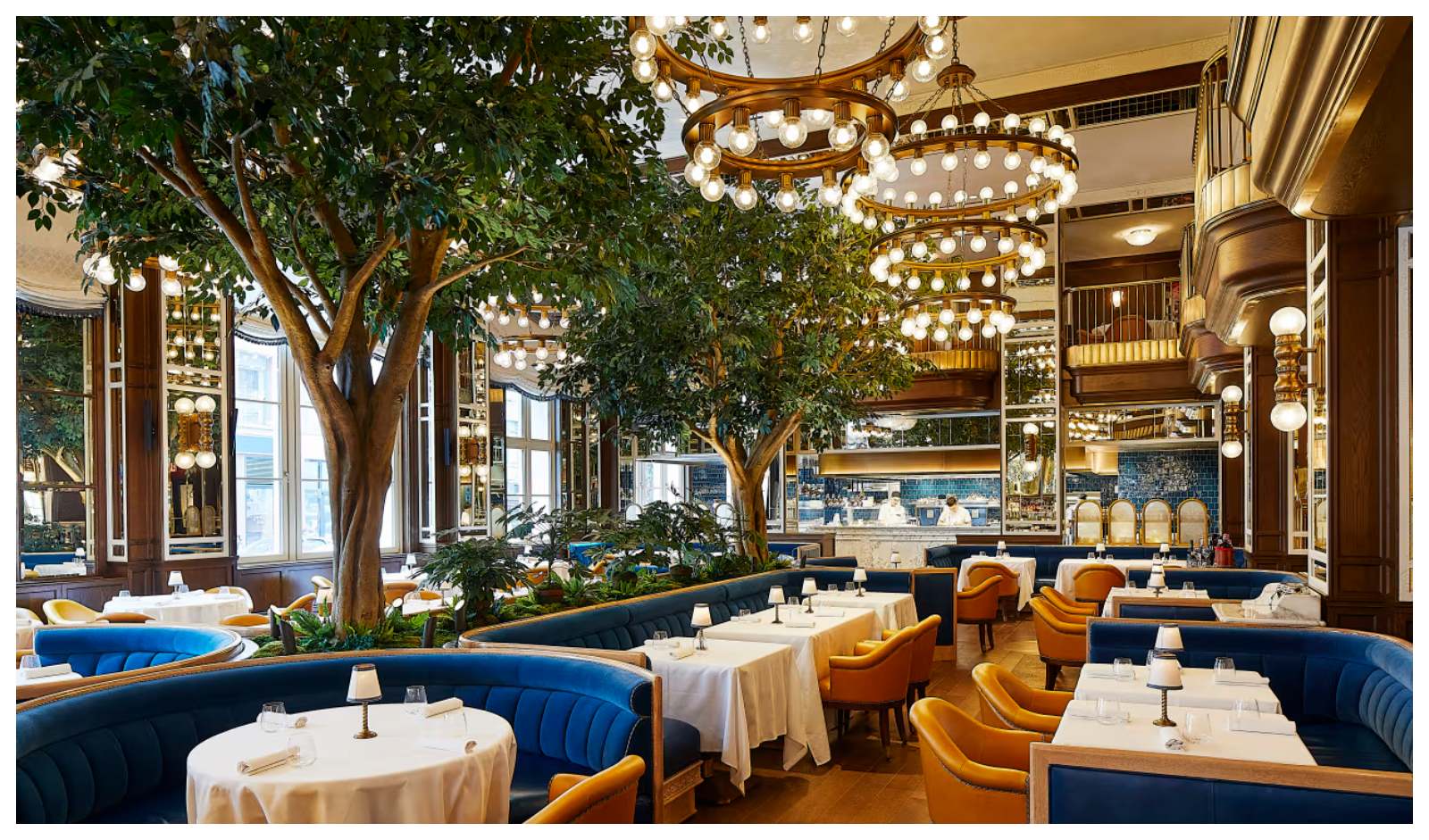
Tier 1 cities remain the most competitive and attractive markets for restaurants due to their large consumer base, high footfall, and strong dining-out culture. India’s foodservice industry is growing rapidly and expected to reach $153 billion by 2031 at a 10 percent annual growth rate, attracting lots of consumption from these cities acting as trend incubators where new formats, cuisines and experiences are tested, refined and scaled.
Consumption at Scale
Nearly 70 percent of India’s foodservice spending comes from the top cities like Delhi, Mumbai, Bengaluru, Hyderabad, Pune, Kolkata and Chennai, followed by few tier-2 markets and tourist locations.
Dining out in Tier 1 cities is a daily habit, spanning weekday lunches, coffee meetings, late-night orders, and weekend brunches. This consistent demand attracts more restaurants, expands choice, and drives repeat visits.
Commenting on this, Chef Rahul Punjabi, Founder of Bang Bang Noodle, said, “Many large brands attempted to scale pan-India, but they didn’t see the returns they expected, which led to a sense of disillusionment.”
“Tier 1 cities remain the primary battlefield due to high disposable income and a concentrated "foodie" culture. While competition is fierce, the sheer volume of footfall and the presence of a corporate workforce provide a reliable revenue floor that emerging markets are still developing," added Sibi Kuruvilla, General Manager, Suka Brew and Kitchen.
Visibility at a Cost
With 30–40% of restaurant sales now coming through online delivery platforms, operators are walking a fine line between growth and profitability. And this is also driving expansion at tier 1 market.
Online aggregators are a double-edged sword—they offer reach but squeeze margins. Kuruvilla pointed, “Our strategy is to treat them as marketing channels while incentivizing direct loyalty through our own platforms. To counter rising costs, we are optimising supply chains and implementing data-driven inventory management.”
Talking further, Sharath T. Gowda, Founder of Arena Brew House& Kitchen added, “From data-led menu engineering and inventory optimisation to CRM tools and smarter reservation systems, technology is enabling restaurants to balance operational efficiency with elevated guest experiences.”
Also, there's a much bigger market at a lower price point, and the rentals are better again when you move further away from the main neighborhoods of even the Tier 1 cities. 90% of the restaurants still prefer Tier-1 as the best market to explore.
“So, the biggest market opportunity for me is: when you go to the outskirts of a Tier 1, you get rates that are closer to Tier 2, but you have customers who are exposed to that Tier 1 mindset, they see stuff on Instagram, their colleagues are there who are eating out at fancy places. So, they want fancy experiences, and if it's provided to them again, if it's done tastefully, artfully, within that price point, and you can make money at that price point, then you're really going to kill it,” commented Punjabi.
Success in a crowded market isn't about being everywhere; it’s about being the most authentic choice in a specific category.
Premium Dining is Driving the Growth
Premium dining is driving expansion in Tier 1 markets as rising disposable incomes, urban lifestyles, and experiential spending fuel demand for high-quality, differentiated concepts. For operators, these markets offer stronger brand visibility, higher average ticket sizes, and a customer base willing to pay for curated dining experiences.
And there is a clear shift toward spaces that offer strong design, layered experiences, well-curated menus and a sense of occasion. Restaurants are responding by investing in immersive environments, premium offerings and limited-edition menus, while also using collaborations and pop-ups to stay culturally relevant.
With this, we can surely say that Tier 1 cities offer unmatched demand density, higher spending power, strong digital adoption, cultural influence, and intense competition. As Tier 2 and Tier 3 cities grow, Tier 1 metros will remain the core testing grounds for India’s restaurant industry, continuing to shape trends and set benchmarks as the country’s most competitive dining markets.
Vijetha Iyer
Content Editor
Working as a Content Editor with Restaurant India. I have worked in various sectors like food and beverage sector, chemicals, pharma, nutraceuticals, now specially focusing on restaurant side. But my core knowledge was always on content. Be it writing poems to verses, I always loved writing and have been exploring my career on the same. In Restaurant India, I deliver insightful stories, take interviews of various brands and update the audiences about the newest happenings in the restaurant industry.









































