Why Restaurants Should Prioritise Profit Over Expansion
As per reports, Restaurant EBITDA margins typically range between 10% and 18%, depending on format.

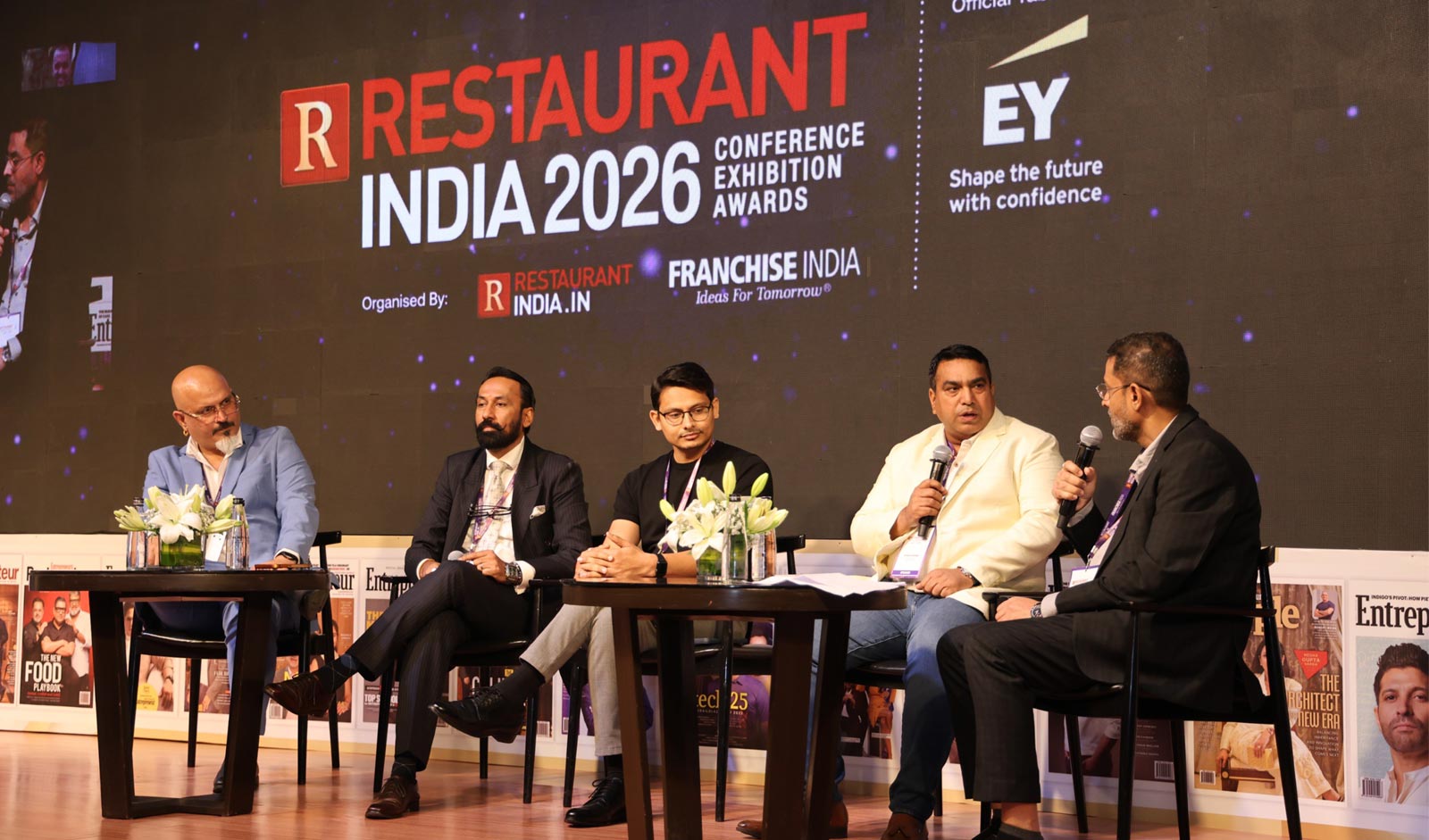
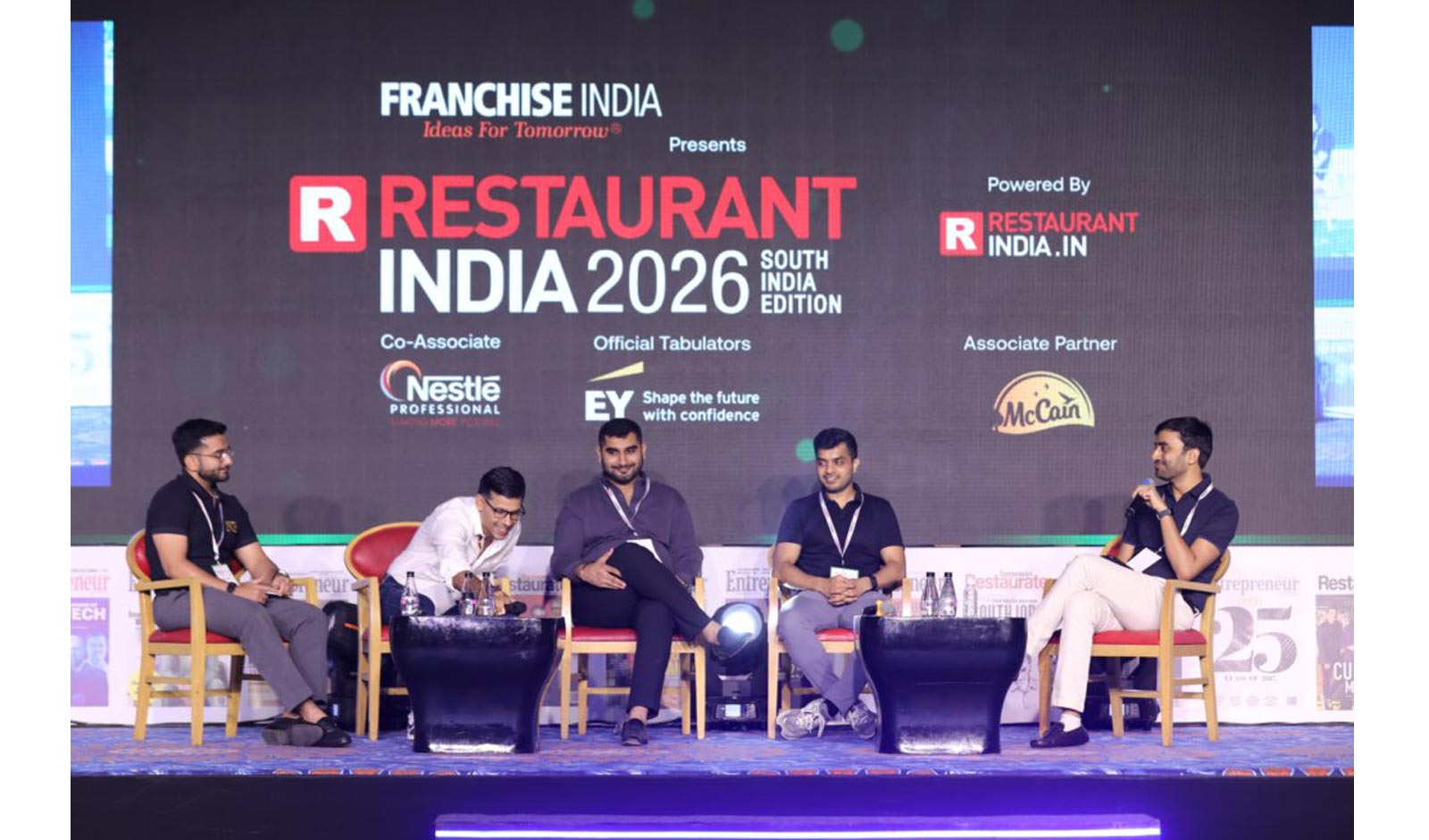
India's restaurant industry is entering a new phase of disciplined growth. With the food services market projected to exceed USD 125 billion by the end of the decade, expansion remains high on every brand's agenda. Yet, rising rentals, tighter margins and changing consumer expectations mean that growth is no longer measured by outlet count alone. From choosing the right locations and understanding unit economics to protecting guest experience while scaling, restaurant leaders agree that building profitable businesses matters far more than opening more restaurants.
Investors Want More Than Big Market Numbers
While India's growing consumer market makes the restaurant sector attractive, investors are becoming increasingly cautious about businesses that rely on broad industry statistics instead of demonstrating viable economics.
According to Ashwani Singh, Managing Partner, 35North Ventures, one of the biggest concerns is founders who present generic market data without explaining why their concept will succeed in a specific catchment. "Eventually becoming profitable is not a business strategy. Investors want to know when and how profitability will happen and not just that it will happen someday."
He also explained that while India's large population ensures demand almost everywhere, successful businesses are built around the right customers, realistic timelines and clear financial planning.
For investors, break-even expectations also vary significantly depending on the format. While many fine-dining restaurants may take 8-15 months to break even, expensive locations, high rentals and capital-intensive kitchen equipment can extend that timeline considerably.
"Your costs are upfront, while footfalls build gradually and pushes your break-even further,” he added.
Location Still Remains the Biggest Competitive Advantage
Location. Location. Location. Industry experts estimate that nearly 60-70% of a restaurant's performance is influenced by location, catchment quality and accessibility, making site selection one of the most important investment decisions.
CBRE and JLL reports have also shown sustained demand for premium retail spaces from food and beverage brands across India's major cities.
According to Amit Jambhotkar, COO, Mirah Hospitality, expansion decisions begin and end with choosing the right site.
"A delayed opening is always better than opening too early and struggling to survive,” he mentioned by adding that rather than rushing to add outlets, every property undergoes detailed feasibility studies, demographic analysis and spending pattern evaluations before any investment decision is made.
The objective, he explained, is not simply to open another restaurant but to ensure that the business can remain relevant and profitable for years. He also acknowledged an uncomfortable truth that many operators often avoid discussing.
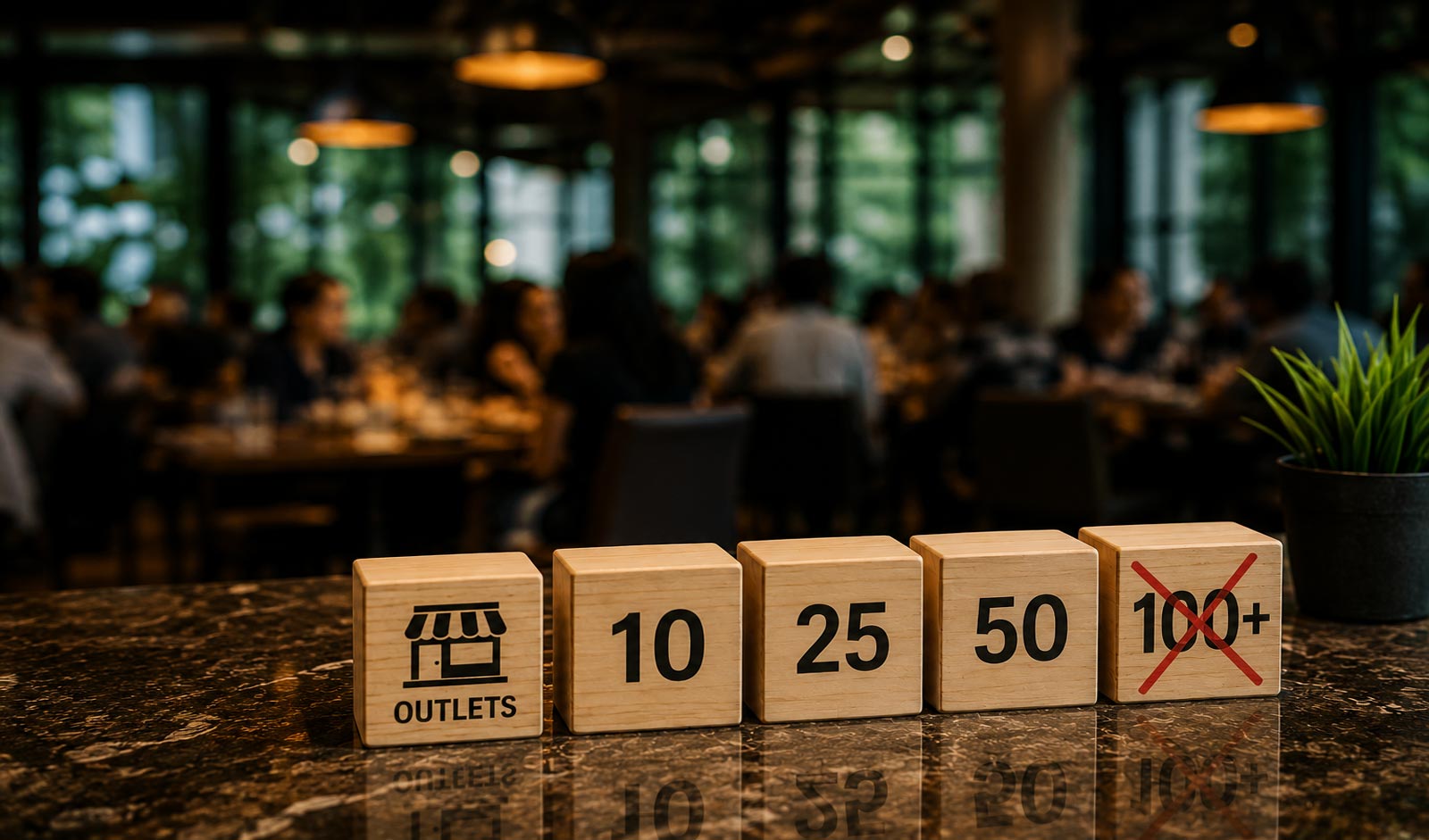
"I've never met a restaurateur who opened 100 restaurants and succeeded with all 100. There will always be hits and misses. The goal is ensuring the portfolio performs profitably overall."
Scaling Isn't About Stores, It's About Repeat Customers
While many restaurant brands focus on geographic expansion, Abhijeet Anand, Founder and CEO, abcoffee believes density matters more than distance.
Speaking about abcoffee's growth strategy, he explained that the company concentrates on increasing its presence within existing cities before entering new markets. With over 50 locations already operating in Mumbai and another 100 planned within the same city, the objective isn't visibility, it's convenience.
The strategy revolves around what he calls "throat share", capturing a greater share of consumers' daily beverage consumption rather than competing as an occasional café destination.
"We're not a café. We're your daily pit stop. Our business runs on frequency and repeat purchases,” he added as his average app users order an average of 17 times every month, while thousands of cups are pre-purchased through subscription plans before the month even begins.
However, he stressed that none of this growth would matter if operational consistency suffers. "I'll never accelerate expansion unless I'm confident the same quality and service can be delivered across the network."
Profitability Can't Come at the Cost of Guest Experience
One of the biggest dilemmas facing restaurant operators today is balancing margins with customer satisfaction. Acquiring a new customer can cost 5-7 times more than retaining an existing one.
"Guest satisfaction and profitability are two different goals, but every organisation has to achieve both. "If a guest leaves unsatisfied even after you've made a great margin, they're unlikely to return. We are in the business of repeat customers,” pointed Nitin Mathur, COO, EHV International that operates award-winning restaurants like Indian Accent and Comorin.
Restaurants naturally need healthy margins, but sacrificing the guest experience for short-term financial gains ultimately damages long-term business. Each restaurant format, whether fine dining, casual dining or cafés, requires different financial expectations and operating models. While premium concepts may generate stronger EBITDA margins, that economics cannot simply be replicated across every brand.
Instead, every concept needs its own profitability model while maintaining consistent service standards. As per reports, Restaurant EBITDA margins typically range between 10% and 18%, depending on format.
Hence, it’s clear that expansion should never be driven solely by investor expectations or competitive pressure. Whether evaluating locations, maintaining service standards or protecting margins, every decision ultimately comes back to building a stronger business rather than simply becoming a larger one. "Revenue creates headlines. Profit creates businesses."
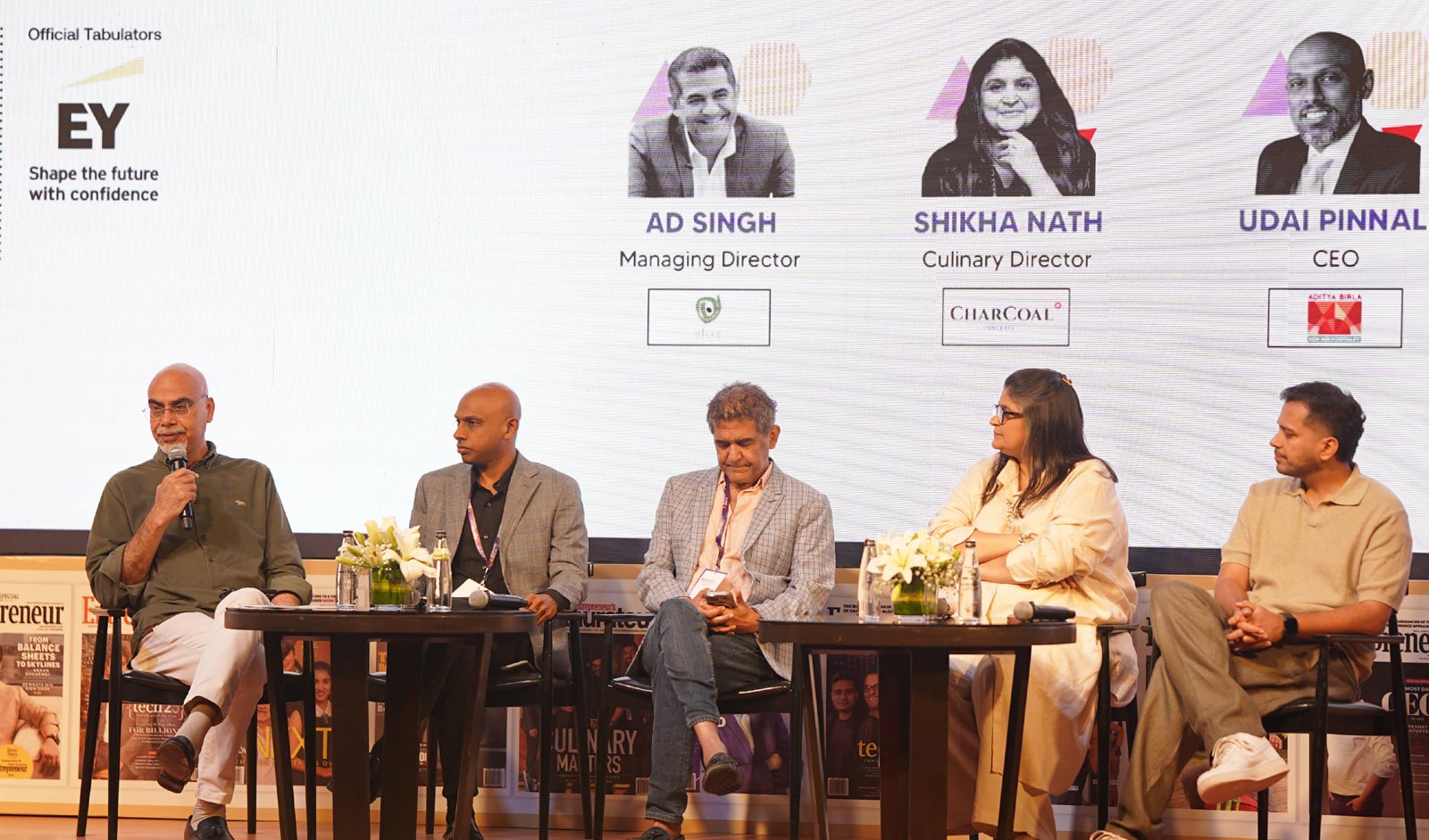
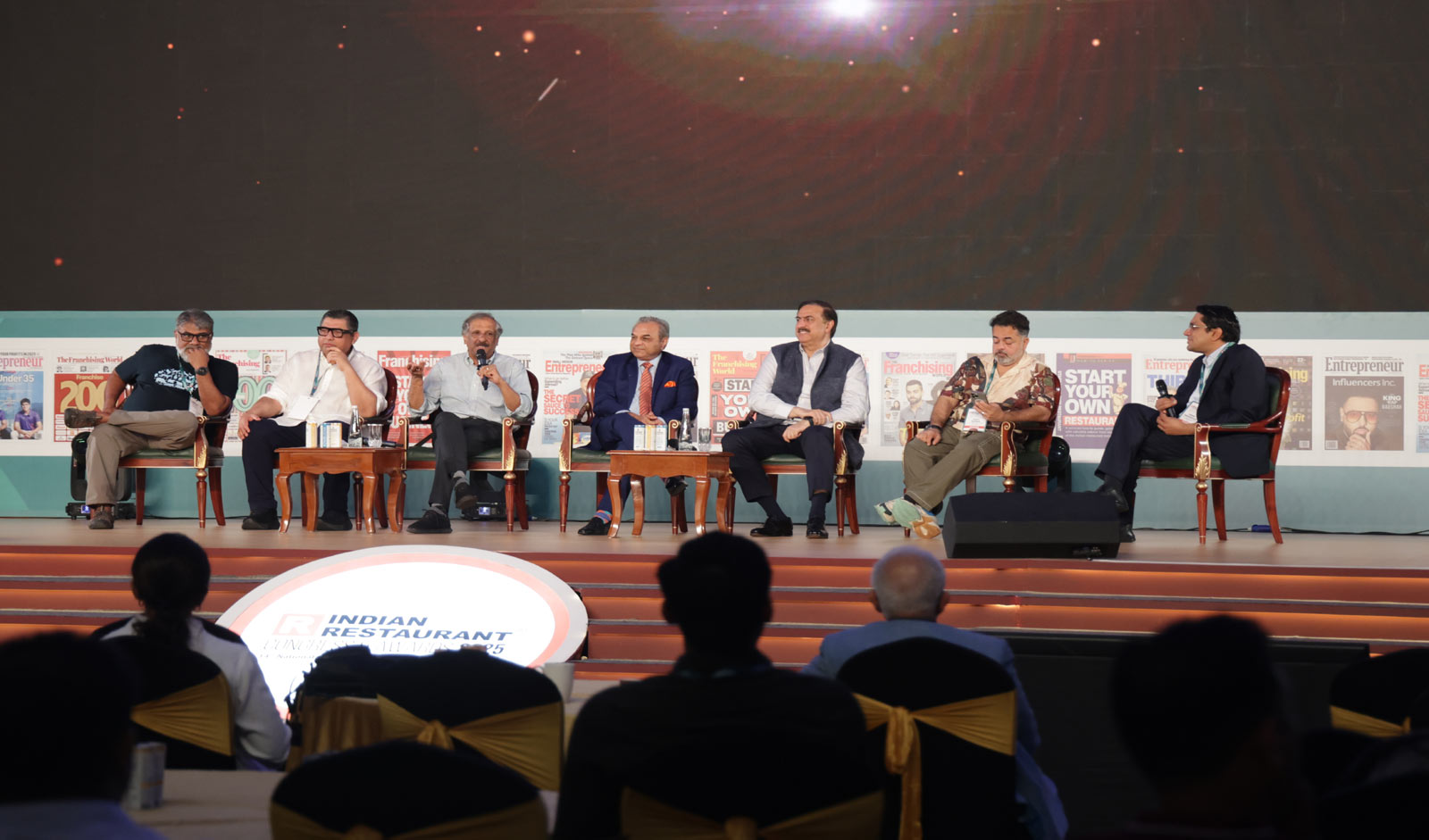
In an industry often captivated by outlet counts, fundraising announcements and rapid expansion, the leaders on stage offered a timely reminder that the most successful restaurant brands are not necessarily the fastest growing—they are the ones that grow with patience, consistency and profitability at the core of every decision.
Nusra
Consultant Associate Editor
A seasoned journalist with more than a decade experience in restaurant and retail business. I eat, drink, breathe and sense food as a source of my living and lifestyle. A foodie by birth and a journalist by choice. I started my career with Hindustan Times doing hard news, moving into features and finally landing myself in a food coma. Love to talk, hear and publish all food stories that makes anyone happy and hearty for more than a decade now. Apart from food, I love reading fiction, helping others and finding joy in little things...