
Why Restaurants Are Investing Heavily in Beverage Programmes
While food has traditionally taken center stage, beverages often deliver higher profit margins. With rising competition and operating costs, many restaurateurs are now treating the bar and drinks menu as a key revenue generator.

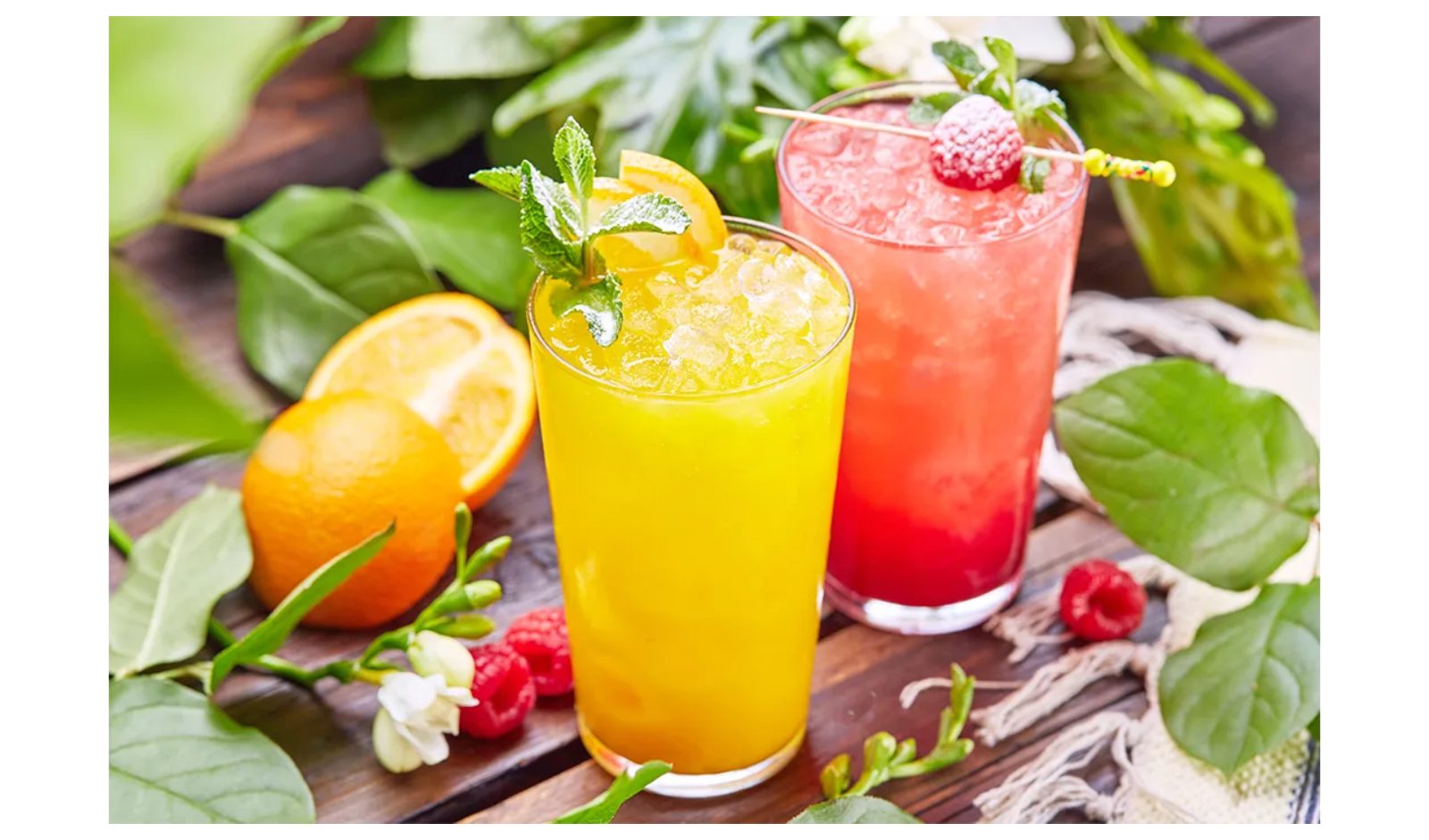
India’s restaurant industry is booming, and beverage programmes are emerging as a major growth driver. From craft cocktails and artisanal coffees to zero-proof drinks and curated wine lists, restaurants are strengthening their beverage offerings to boost profits, build brand identity, and elevate the dining experience.
While food has traditionally taken center stage, beverages often deliver higher profit margins. With rising competition and operating costs, many restaurateurs are now treating the bar and drinks menu as a key revenue generator.
Delivering Higher Profit Margins
Restaurants are increasingly investing in beverage programmes because drinks deliver significantly higher profit margins than food. As per reports, beverages especially cocktails and wine can generate gross margins of 70–85%, compared to 60–65% for most food items.
Gautam Mehta, Head Mixologist at Solaire, Grand Hyatt said, “Across the industry, there has been a clear shift towards more thoughtful and expansive beverage menus. Restaurants are investing significant time and creativity into cocktails, mocktails and zero proof drinks, ensuring there is something interesting for every guest. The focus is not only on serving drinks but also on creating beverages that complement the food and enhance the overall meal.”
While the ingredient cost of cocktails is often lower than the selling price. For example, a craft cocktail priced at Rs.700–900 may contain ingredients worth only Rs.80–120, while premium cocktails can achieve margins of up to 85–90% when priced based on experience, presentation, and brand value.
Average Spending Per Table
When beverage programmes are done well, they keep guests engaged and often encourage them to stay longer, which naturally increase the overall table experience.
Expressing his views, Varun Sharma, Head of Bars, EHV International said, “Techniques like batching, clarification, house infusions, and preparing syrups, cordials, and vermouths in advance help the bar team work faster and keep operations smooth while also helping with better inventory control.”
Also, when guests see a diverse selection of drinks, they are naturally more inclined to explore the menu. Many start with a cocktail, try another during the meal, or even end with a digest, which increases the average spending per table.
Operationally, a structured program is a game changer. It allows for 'mise-en-place' efficiency, pre-batching complex elements to ensure speed during peak hours while drastically reducing inventory waste through smarter ingredient rotation. "The biggest challenge in Delhi is maintaining consistency against seasonal supply fluctuations. We have created rigorous SOPs to overcome this and also by sourcing ingredients hyper-locally we have created a more resilient supply chain. The impact is a healthy bottom line driven by high-margin signatures and ironclad guest loyalty," added Vikas Narula, Founder, Depot48.
Rise of Craft Cocktail Culture in India
The rise of craft cocktail culture in India is also about storytelling and familiar flavours. Sharma shared that Upstairs at Indian Accent, their intimate cocktail bar and one of EHV International’s newer ventures, present Indian flavours in a modern way. For example, their Desi Dirty Martini is inspired by the classic Dirty Martini but with an Indian twist. “We use gin or vodka with In House nimbu-infused vermouth and a little achaar brine. It is garnished with olives stuffed with mashed potatoes and cheese,” he added.
The idea was to create a drink that reminds people of flavours like nimbu ka achaar with aloo parantha, but in a refined cocktail format.
Enhancing the Dining Experience
Restaurants are enhancing the dining experience through food and drink pairings, creative glassware, smoke infusions and tableside cocktail preparation. At the same time, rising wellness trends are driving the addition of craft mocktails, kombucha and botanical drinks, attracting non-drinkers while still offering strong margins.
Ranbir Singh Nagpal, CEO of Yazu Hospitality Pvt Ltd said, “Because Juliette caters to different moments of the day, guests often start with coffee or brunch and later explore cocktails or evening drinks. This layered beverage journey naturally increases guest engagement and enhances overall table value.”
For restaurants operating on tight overall margins of 3–10%, strong beverage sales can significantly boost profitability. He also noted that the beverage programme reflects their AM–PM philosophy. “From specialty coffees developed with Nandan Coffee in the morning to refreshing coolers and crafted cocktails in the evening, the drinks evolve with the day,” added Nagpal. This allows the beverage menu to mirror the café-to-bar transition and become a key part of the brand experience.”
Food typically contributes 60–65% of restaurant revenue, while beverages account for 35–40%. Increasingly, hospitality groups are adopting “bar-first” concepts, where drinks drive the experience and food plays a supporting role. Going forward, experiential beverage programmes that blend café and bar culture are set to shape the future of modern hospitality.
Vijetha Iyer
Content Editor
Working as a Content Editor with Restaurant India. I have worked in various sectors like food and beverage sector, chemicals, pharma, nutraceuticals, now specially focusing on restaurant side. But my core knowledge was always on content. Be it writing poems to verses, I always loved writing and have been exploring my career on the same. In Restaurant India, I deliver insightful stories, take interviews of various brands and update the audiences about the newest happenings in the restaurant industry.









































