Why Restaurant Growth Is No Longer a Number Game
The organised segment will grow at 12–14% CAGR between 2025 and 2030, versus 5–7% for the unorganised segment.

India’s food and beverage industry is entering a new phase of growth. The country’s foodservice market is projected to reach around ₹10.7–11.1 lakh crore by 2030, while the organised segment continues to expand as consumers become more willing to spend on dining, convenience, experiences and differentiated formats. But as the market grows, the definition of success is also changing. Growth is no longer simply about adding more outlets; it is about building the right brands, understanding consumers at a deeper level and creating businesses that can scale profitably.
For restaurant and hospitality leaders, the next phase will therefore be shaped by more than capital and expansion. Brand strategy, data-led decision-making and talent are emerging as critical levers for sustainable growth. As operators navigate changing consumer preferences, rising costs and an increasingly competitive market, the ability to balance scale with relevance—and technology with human intelligence—will determine who builds enduring businesses.
Different Brands, Different Growth Chart
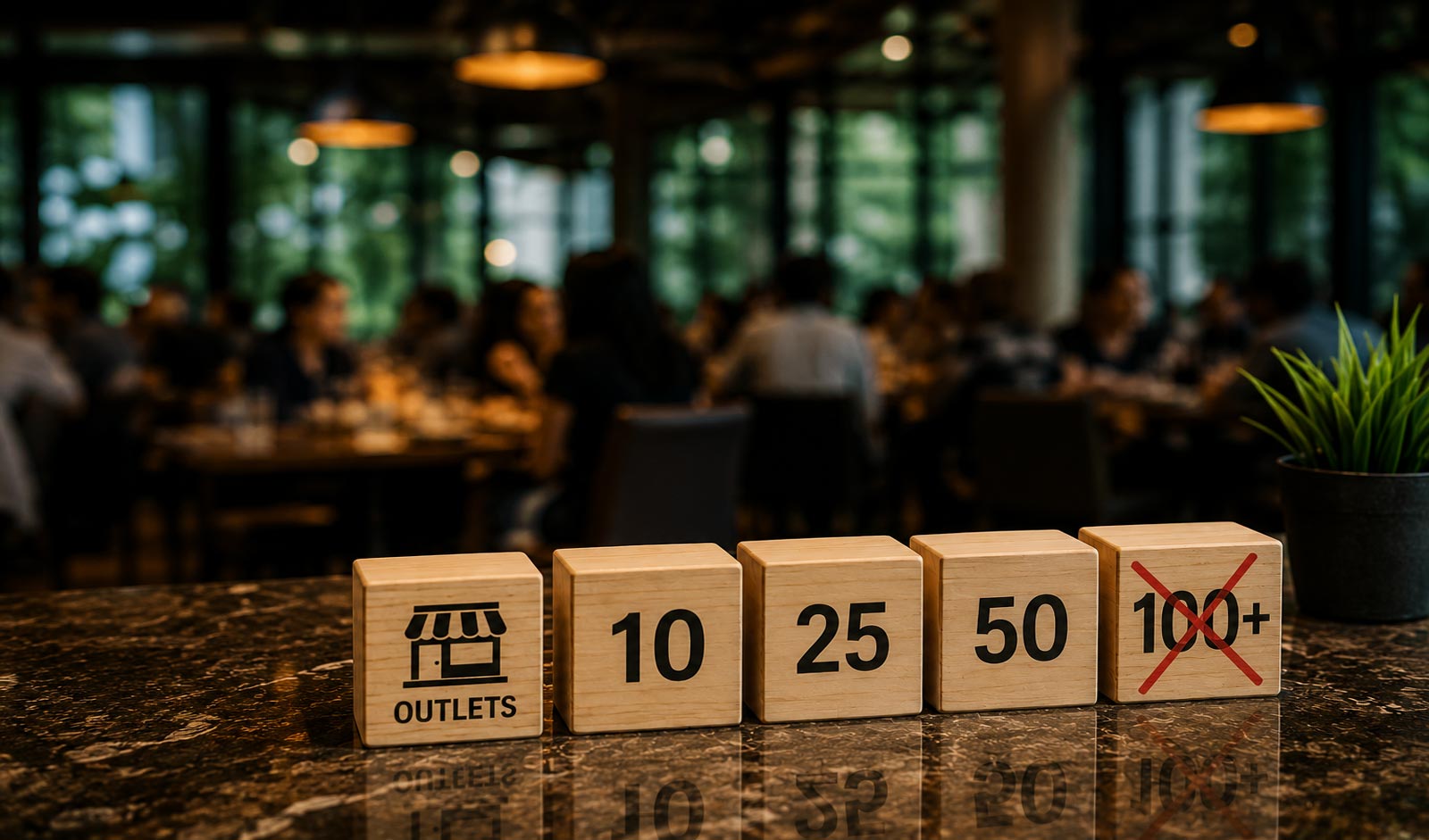
In the restaurant business, scale cannot be measured by outlet count alone. While some brands are built for rapid expansion and a large store network, others are designed around a smaller number of high-value, differentiated experiences. The right growth strategy, therefore, depends on the ambition, positioning and role of each brand within the larger portfolio.
At a time when India’s food service is entering a high-growth phase, the opportunity is increasingly shifting towards organised and branded formats. As per, The Kearney-Swiggy How India Eats 2025 report estimates, the organised segment will grow at 12–14% CAGR between 2025 and 2030, versus 5–7% for the unorganised segment. Within organised food services, cloud kitchens are projected to grow at 32–37% CAGR, while QSRs are expected at 15–17%.
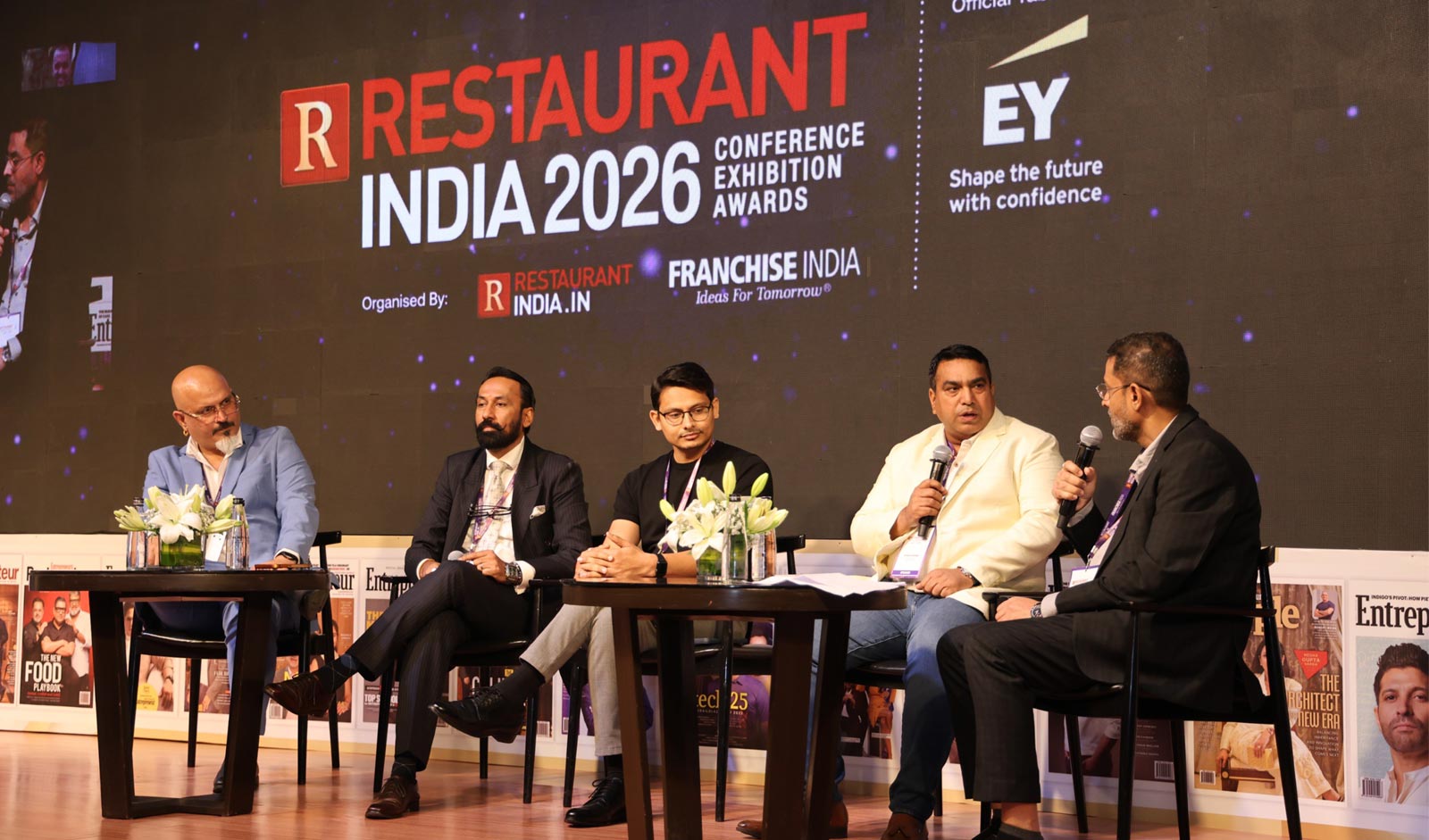
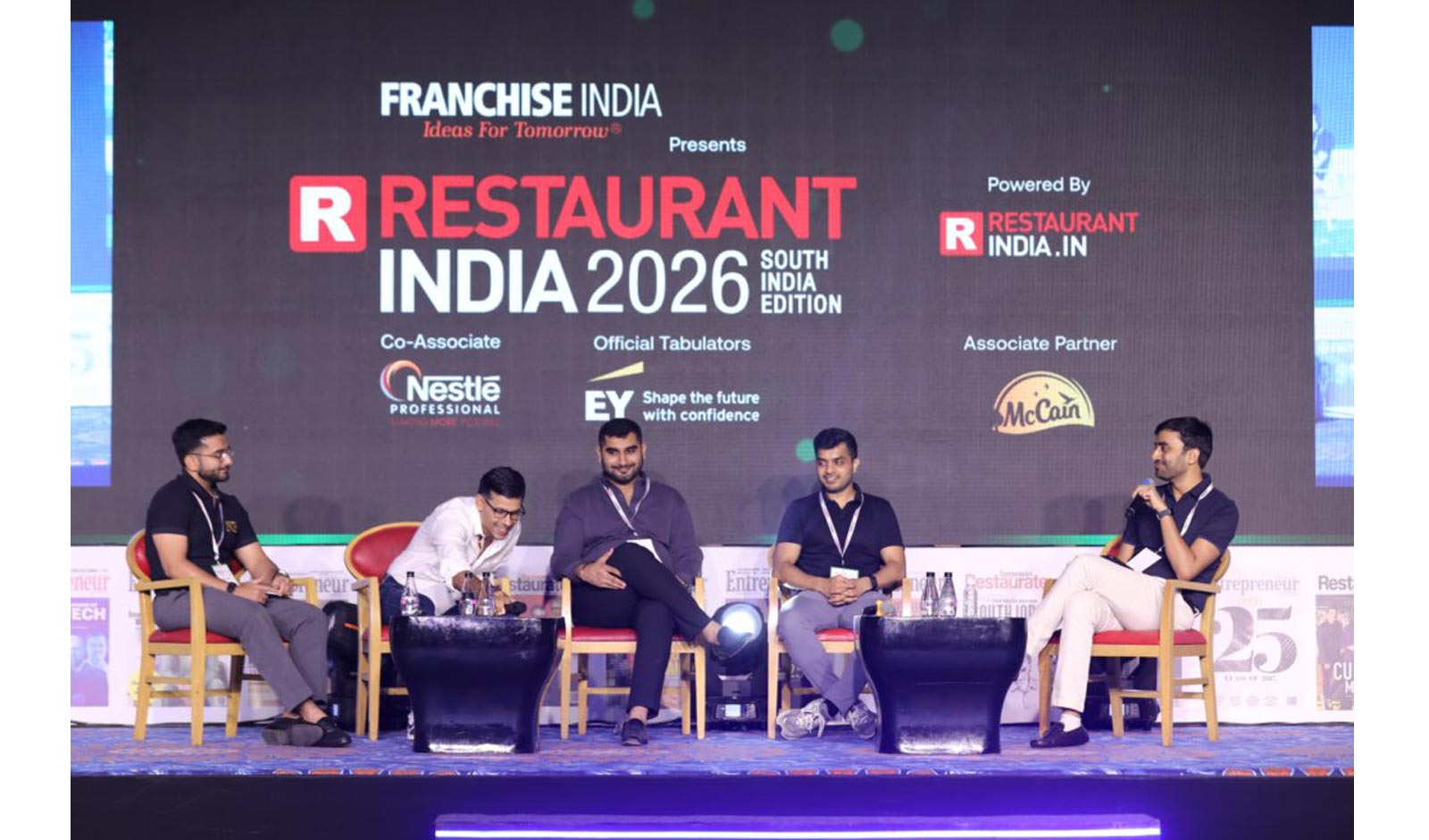
“Food is a difficult business. Building 100 stores of one format is very different from building five stores of another magnitude. Ultimately, it comes down to what you want to achieve with a particular brand. We have different brands, and each one works differently. There is no one-size-fits-all approach—it’s about understanding what works for each brand and building it accordingly,” Nitin Mathur, COO, EHV International that operates celebrated restaurants like Indian Accent and Comorin.
Data as a Multiplier for Food
In an industry as diverse and culturally nuanced as food, understanding the customer goes far beyond basic sales numbers. India’s food landscape is shaped by seasons, festivals, regional preferences and deeply personal consumption habits. This creates an enormous amount of data that can help brands understand not just what customers buy, but why, when and how they make those choices.
As per the Swiggy report, consumers are ordering 20% more unique cuisines per customer and ordering from 30% more restaurants per customer. That is a powerful indicator that consumers are no longer behaving in predictable, fixed food segments.
For food businesses looking to scale, the opportunity lies in using this information to identify and serve increasingly specific customer segments. From beverage preferences to dietary choices and even consumption patterns on particular days, data can help brands move from mass offerings to more personalised experiences without losing the ability to scale.
As brands increasingly look to build communities around their products, the ability to decode these micro-preferences could become a key competitive advantage.
The report also mentioned that cuisines such as Goan, Bihari and Pahari are growing at 2–8 times the rate of mainstream cuisines. Local Indian beverages such as buttermilk and sharbat are growing at 4–6 times the overall beverage category.
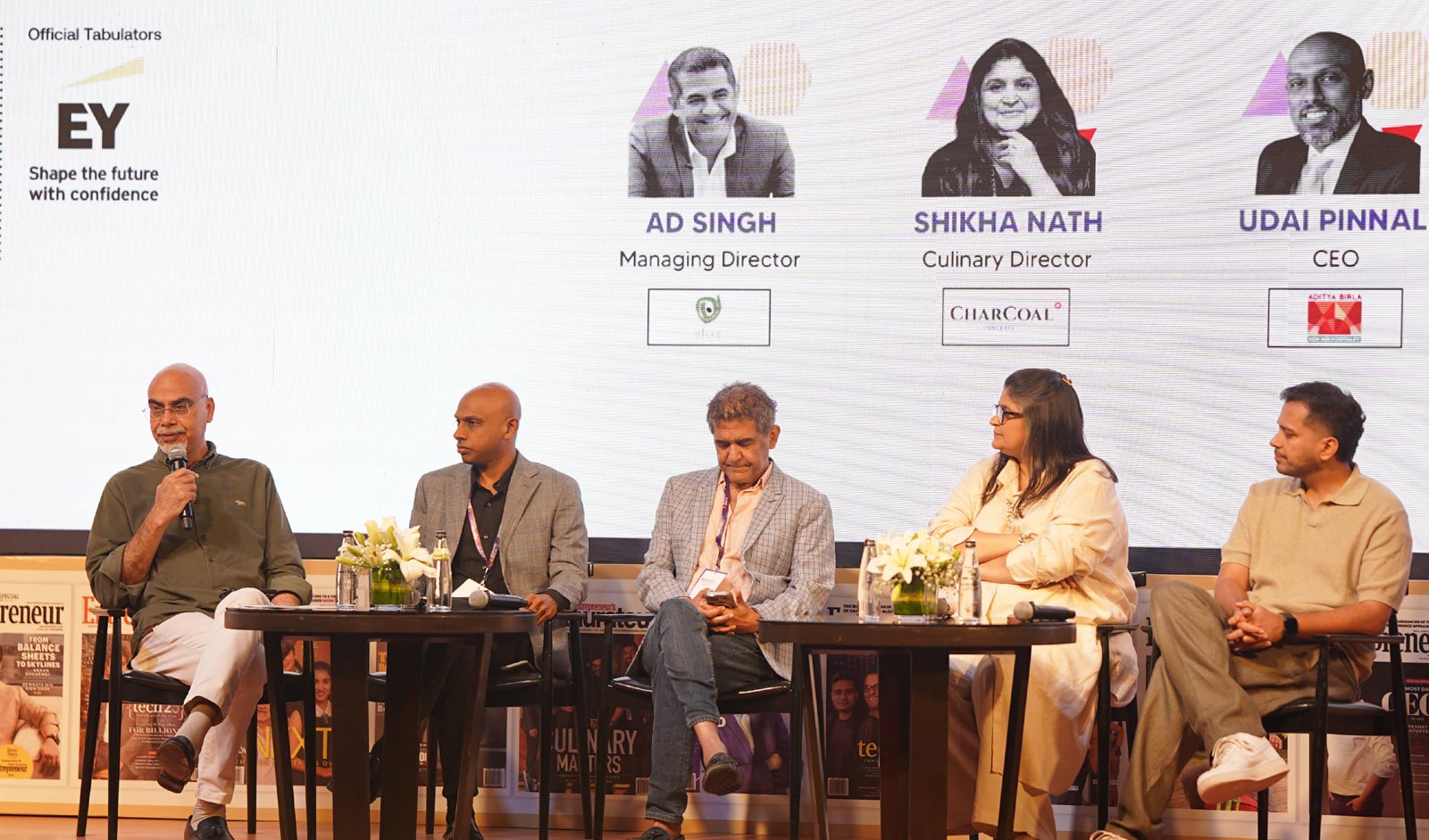
“I come from banking, where we used to rely heavily on data, and for an industry like finance, it is relatively straightforward—I’m still to find someone who is allergic to money! But in food, the layer of data is far more impactful, especially in a country like India, where we have different seasons, festivals and unique ways of celebrating food. Our brains have unlimited capacity to access information, but the real question is: how do we know that a certain product or dish exists, and who it is relevant to? There are customers who prefer a particular kind of milk, have specific preferences or even choose certain foods on certain days. If we want to scale while continuing to serve these micro-communities, data will be the multiplier," mentioned banker turned restaurateur Rohit Dadlani.
Why Talent Will Define the Future of F&B
As India’s food and beverage industry continues to scale, the ability to attract, develop and retain talent is becoming a critical competitive advantage. While technology can improve efficiency and operations, the human element remains central to delivering hospitality, building relationships and creating memorable experiences. For businesses looking at long-term growth, investing in people will be as important as investing in technology and infrastructure.
India’s tourism and hospitality sector is expected to require around 3.5–4.0 million additional workers by 2030, according to industry estimates. This makes talent availability a potential constraint on restaurant and hotel expansion.
“I would put talent at the very top of the F&B agenda. Over the next five to six years, talent will define whether a business survives or thrives, because ultimately, we are in the people business. Technology can enhance what we do, but it cannot replace human intelligence, empathy and the ability to create genuine connections—that is where the real differentiation lies. We need to protect, nurture, train and groom our people, and create meaningful opportunities for them to grow. In India, F&B will continue to be a key differentiator and a powerful driver of the hospitality business. Get F&B right, and you build the foundation for sustainable growth,” Abhishek Sahai, General Manager, Conrad Pune.
The next phase of India’s F&B growth will be defined by how intelligently brands scale. As the market expands, the winners will be those that balance ambition with relevance using the right growth model to build brands, data to understand consumers and people to deliver the experience.
Nusra
Consultant Associate Editor
A seasoned journalist with more than a decade experience in restaurant and retail business. I eat, drink, breathe and sense food as a source of my living and lifestyle. A foodie by birth and a journalist by choice. I started my career with Hindustan Times doing hard news, moving into features and finally landing myself in a food coma. Love to talk, hear and publish all food stories that makes anyone happy and hearty for more than a decade now. Apart from food, I love reading fiction, helping others and finding joy in little things...