Why Restaurant Break-Even is No Longer Just About Sales
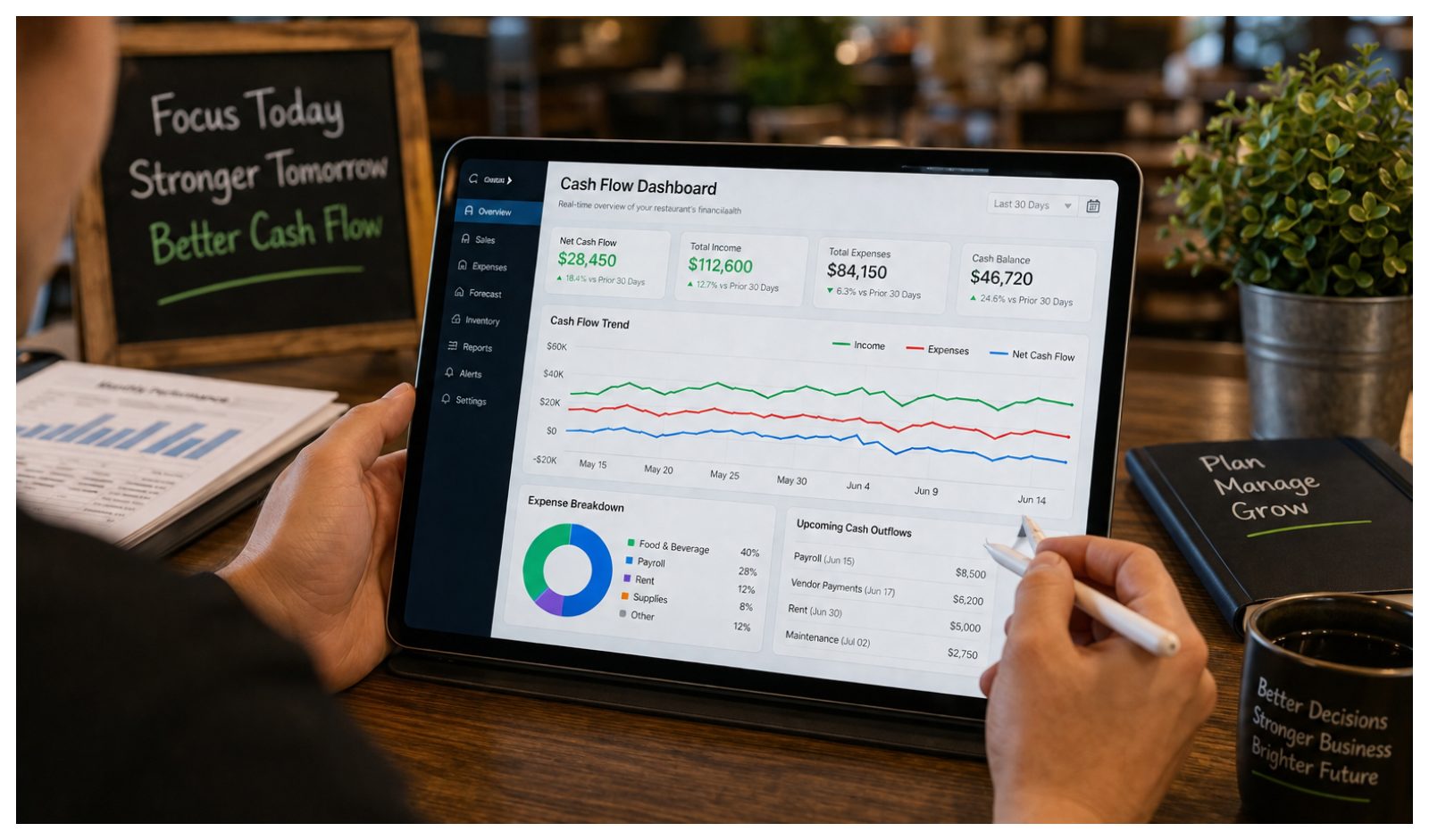
The basic break-even formula remains Fixed Costs ÷ Contribution Margin. With fixed costs of ₹6 lakh, a 60% contribution margin requires ₹10 lakh in sales to break even. At a 50% margin, that rises to ₹12 lakh, while a 40% margin pushes the requirement to ₹15 lakh. The numbers underline a fundamental shift: the quality of revenue can materially change a restaurant’s break-even point.

For years, restaurant break-even was largely about one question, how much needs to be sold to cover costs? Today, that calculation is becoming more nuanced. A restaurant can be packed, hit its revenue target and still struggle to generate healthy profits.
A ₹500 order, for instance, is not worth ₹500 to the business once food costs, discounts, packaging, payment charges, delivery commissions and other variable expenses are deducted. What matters increasingly is not simply how much a restaurant sells, but how much each sale contributes to the business.
The basic break-even formula remains Fixed Costs ÷ Contribution Margin. With fixed costs of ₹6 lakh, a 60% contribution margin requires ₹10 lakh in sales to break even. At a 50% margin, that rises to ₹12 lakh, while a 40% margin pushes the requirement to ₹15 lakh. The numbers underline a fundamental shift: the quality of revenue can materially change a restaurant’s break-even point.
Break-Even Moves Beyond Sales
Operators are increasingly tracking contribution by order, cover, table, menu category and sales channel rather than relying solely on top-line revenue. Discounts, commissions, packaging and other transaction-level costs are being factored into the equation.
For dine-in restaurants, contribution per seat-hour can offer another layer of insight, revealing whether a busy table is actually generating enough value for the business.
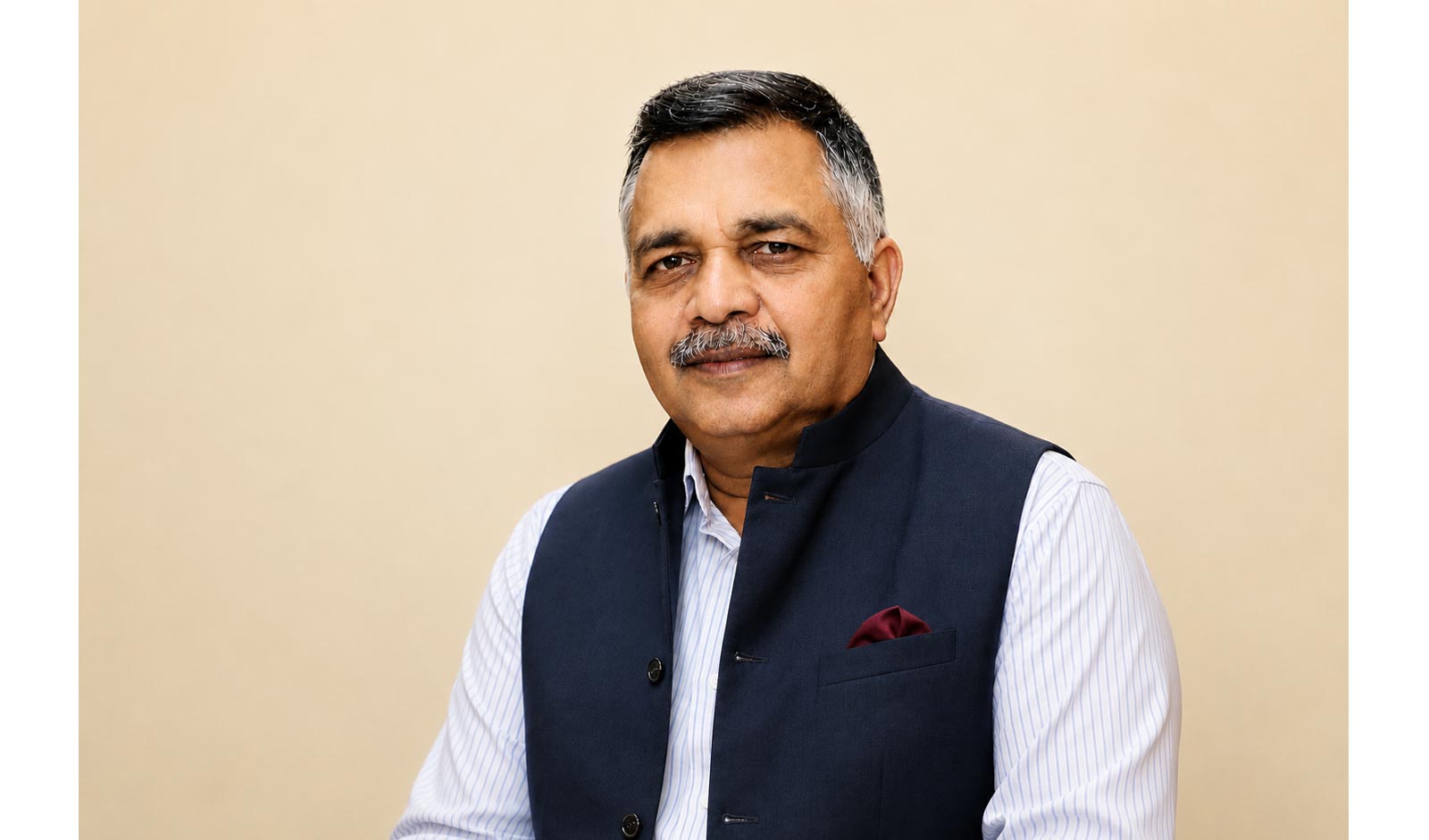
“For a restaurant brand like PizzaExpress, this means looking at the entire equation, from ingredient costs and wastage to labour, table utilisation and guest frequency. A restaurant can have strong footfall, but the business becomes healthier when that footfall translates into the right mix of average spends, repeat visits and sustainable margins,” said Kumar Asit, Brand CEO, PizzaExpress. “The objective is to build a business that performs consistently across different occasions and dayparts, rather than simply chasing volume.”
Chef Bobby Patel, Co-Founder, Trinetra Ventures Pvt Ltd, points to the same shift. “Traditionally, restaurants calculated break-even by asking: ‘What monthly sales figure do we need to cover our costs?’ But today, two restaurants generating the same revenue can have completely different financial outcomes. Higher sales may also bring higher commissions, discounts, packaging costs, food costs and additional manpower requirements. Therefore, revenue alone does not indicate whether a restaurant is financially healthy.”
From Revenue Targets to Revenue Quality
Sales remain important, but topline revenue alone does not reveal whether a restaurant is operating sustainably. The focus is increasingly shifting towards revenue quality. That means looking at the profitability of individual products, the ratio of full-price to discounted sales, the contribution of dine-in, takeaway and delivery, average transaction value, repeat customer behaviour and revenue generated per seat, table and operating hour.
“Every sale has a hidden cost attached to it, food cost, manpower, discounts, aggregator commissions, packaging, marketing spends, etc. This is why contribution margin is becoming a far more relevant measure. The question is no longer simply, ‘How much did we sell?’ but ‘How much did this sale actually contribute?” said Raj Mehta, Chairman, Little Italy Group.
“For example, ₹1 lakh in dine-in revenue with strong margins may contribute more to the business than ₹1.5 lakh of heavily discounted aggregator sales. A lower revenue figure with a healthier contribution margin can bring the restaurant closer to profitability than a higher but inefficient revenue figure. Therefore, targets should not be assigned only in terms of top-line sales,” added Patel.
Every Table, Dish and Daypart Matters
A restaurant’s menu is both a culinary proposition and a business tool. It needs to offer sufficient choice while remaining operationally manageable and commercially viable. Ingredient overlap, preparation time, wastage, portion sizes and kitchen complexity can all influence the profitability of the menu.
Table utilisation is another important consideration. The objective is not simply to turn tables as quickly as possible, but to improve productivity across the day without compromising the guest experience.
“Table utilisation is similar. It is not simply about turning a table as quickly as possible. The right approach is to improve productivity across the day while protecting the guest experience,” pointed Asit.
For PizzaExpress, this means catering to different occasions, from quick meals to longer social gatherings, while ensuring the restaurant can serve each occasion efficiently.
Dharmendra RS, COO, Icon Hotels India under Bhagini Group added that a busy restaurant is not automatically a profitable restaurant. “A full restaurant where guests linger for three hours over low-margin food is a slow leak. A brisk, well-paced service with the right dishes turns the same room into a money engine.”
Smart pricing, portion management, menu engineering and upselling can therefore improve restaurant economics without necessarily requiring more footfall.
“For dine-in restaurants, table utilisation is equally important. The same fixed cost base can deliver very different returns depending on table turns, occupancy across dayparts and average spend per cover. Improving weekday lunches or early dinners, for example, can sometimes be more valuable than chasing additional peak-hour business,” said Mehta.
Profitability Without Compromising Experience
The biggest challenge is balancing commercial discipline with what guests actually value. Cost management cannot come at the expense of food quality, service, consistency or the overall restaurant experience.
At the same time, India’s restaurant market is becoming increasingly competitive, with consumers having more choice and expectations evolving rapidly. This makes menu discipline, customer understanding and operational efficiency increasingly important as brands scale.
For PizzaExpress, Asit said the focus remains on building a sustainable restaurant business while staying true to what the brand stands for: quality pizza, a distinctive restaurant experience and choice for different guests and occasions.
“The impact is a more disciplined and sustainable restaurant business. When decisions are based on contribution rather than gross sales, management can identify which products, dayparts, tables, offers and sales channels are genuinely creating value,” said Patel.
Ultimately, the new restaurant math is not about maximising sales at any cost. It is about building the right sales mix—where every order, table, menu item and operating hour contributes meaningfully towards profitability.
Vijetha Iyer
Content Editor
Working as a Content Editor with Restaurant India. I have worked in various sectors like food and beverage sector, chemicals, pharma, nutraceuticals, now specially focusing on restaurant side. But my core knowledge was always on content. Be it writing poems to verses, I always loved writing and have been exploring my career on the same. In Restaurant India, I deliver insightful stories, take interviews of various brands and update the audiences about the newest happenings in the restaurant industry.