
Why Regional Cuisine Is the Next Big Thing in Airport F&B
As per the Airports Authority of India, in FY24, domestic air passenger traffic rose to about 30.6 crore, up 13 percent from the previous year.

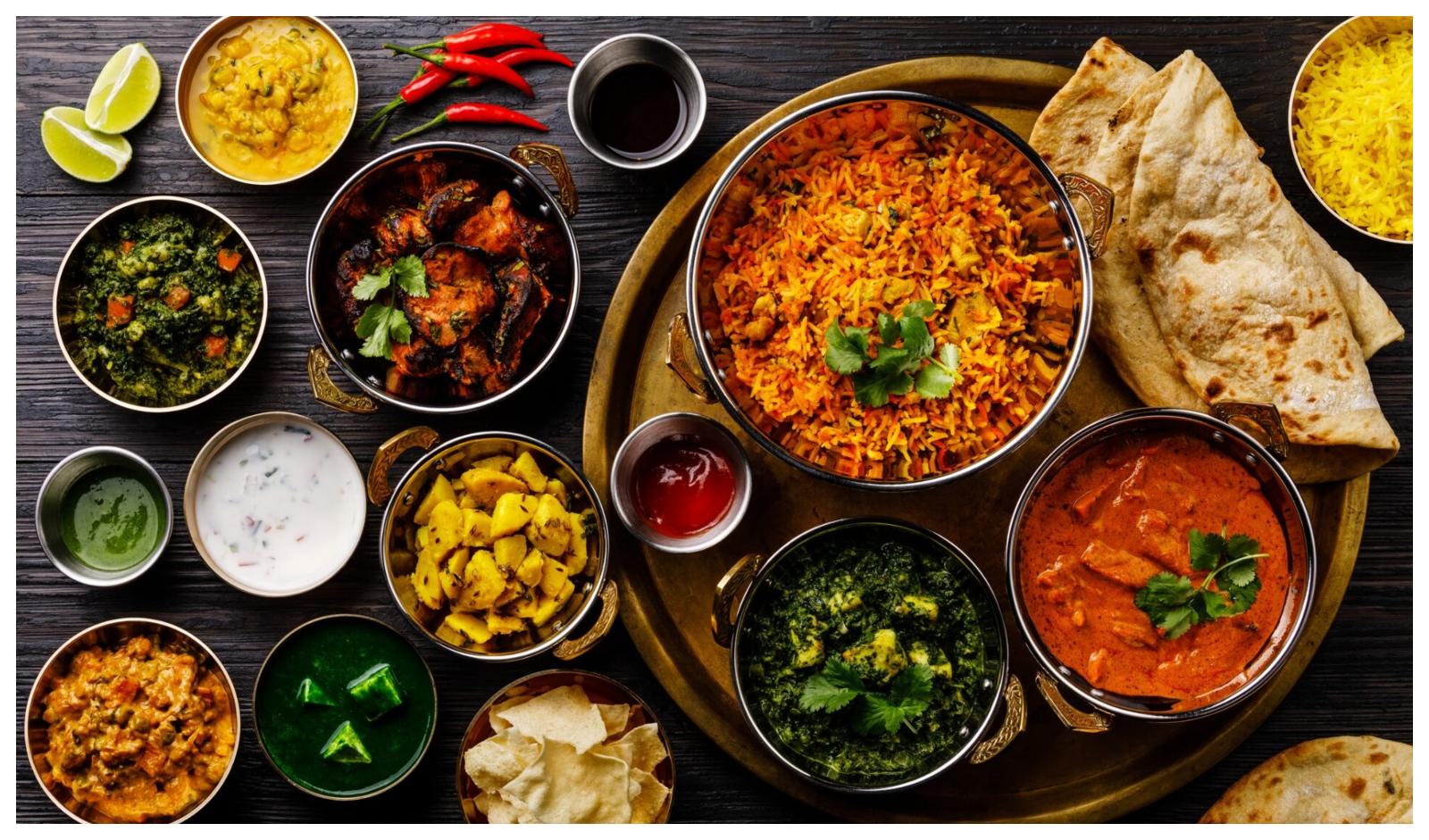
Airports have become the first chapter of a journey, not just the lobby to a flight. India’s terminals are busier than ever, and that scale matters for food choices. As per the Airports Authority of India, in FY24, domestic air passenger traffic rose to about 30.6 crore, up 13 percent from the previous year. When millions pass through a space built for waiting and wandering, the most memorable offer is not a generic snack; it is a plate that tastes like the city outside the glass.
What today’s traveller looks for
The post-pandemic flyer is more selective and more experience led. Hygiene cues, open kitchens, clear labelling and transparent sourcing have become default expectations, not premium features. Contactless payment and pre-order within the terminal are now common behaviour. At the same time, there is a greater appetite for discovery. Government tourism data shows domestic visits concentrated at large scale across key states, with Uttar Pradesh alone recording 478.5 million visits in 2023. That movement has widened palates and built confidence to try regional specials at the airport, not just familiar global menus. A well-run regional counter turns the wait before boarding into a short, safe tasting session of the city.
Gen Z and millennial travellers are amplifying this shift. Food discovery now starts on phones before it reaches the counter. Short videos and reels, map-based recommendations and creator lists push demand toward specific dishes and small brands. This cohort looks for provenance, plant-forward options, millets, low-waste packaging and stories they can share. If a terminal offers a Kolhapurimisal that tastes right, a Kumaonibhattkichurkani with smart plating, or a fresh toddy-shop style prawn curry at Kochi, it will find its way onto social feeds before the aircraft blocks out. Word of mouth becomes a repeat driver, especially on busy metro routes.
Why regional works for business, not just nostalgia
Regional cuisine is a practical differentiator. It helps airports avoid menu sameness while supporting local micro and small enterprises that are already organized at scale on the Udyam portal. Shorter supply lines improve freshness and reduce stock-outs. Central prep with regional recipes keeps consistency high even during peaks. For concessionaires, a tight core of always-on hero dishes anchored to the catchment area can be priced across tiers, from quick entry-point snacks to premium plates that justify a small uplift through provenance and portion.
Airports can borrow that playbook to curate “carry-on friendly” assortments: vacuum-sealed mithai, GI-linked spices and teas, ready-to-drink filter coffee, artisanal crisps and condiments. Done right, takeaway turns a last-minute browse into a premium basket.
The post-pandemic reset also favors regional supply. Disruptions made large chains rethink long logistics. Local producers and MSMEs proved more resilient for staples and fresh components. Bringing them into airport contracts creates dependable offtake for the region and builds a stable farm-to-terminal chain that can flex in peak seasons and festivals. Measured well, this becomes a local development lever that still meets the operational standards of a national hub.
How to make it work
Success depends on discipline, not just romance. Start with dishes that truly define the first ring of the airport’s catchment and travel well from kitchen to counter. Build a compact menu with clear day-part cues so training sticks and service stays quick. Keep hygiene signals visible and FSSAI labelling consistent to reassure first-time tasters. Price for breadth, with one honest entry option and one flagship plate in each category. Use data to tune the offer: attach rates by hour, repeat purchase by route, waste reduction from local sourcing, and social mentions that tie the dish to the terminal by name. As volumes stabilize, extend regional items into lounges, forecourts and pre-order, and rotate seasonal pop-ups for return flyers.
The biggest mindset shift is to see food as identity, not just inventory. A terminal that serves a real taste of its city earns higher recall and stronger spend without adding heavy capex. It supports local producers, gives younger travellers something they want to share and gifts departing passengers a way to take the region along. With domestic aviation on a steady upswing and tourism patterns deepening across states, regional cuisine is the rare idea that satisfies travellers, strengthens local economies and improves operating metrics. The next phase of airport F&B in India will belong to terminals that taste like where they stand—and package that taste so it can travel.
Naresh Sharma
CEO, IRHPL Group of Companies









































