
Why Naga, Andhra, and Awadhi Flavours Are Finding New Audiences Across India
The future of Indian dining will not be defined by a handful of popular dishes. It will be shaped by thousands of regional recipes, centuries-old techniques, and the stories of communities that have preserved these culinary traditions for generations.

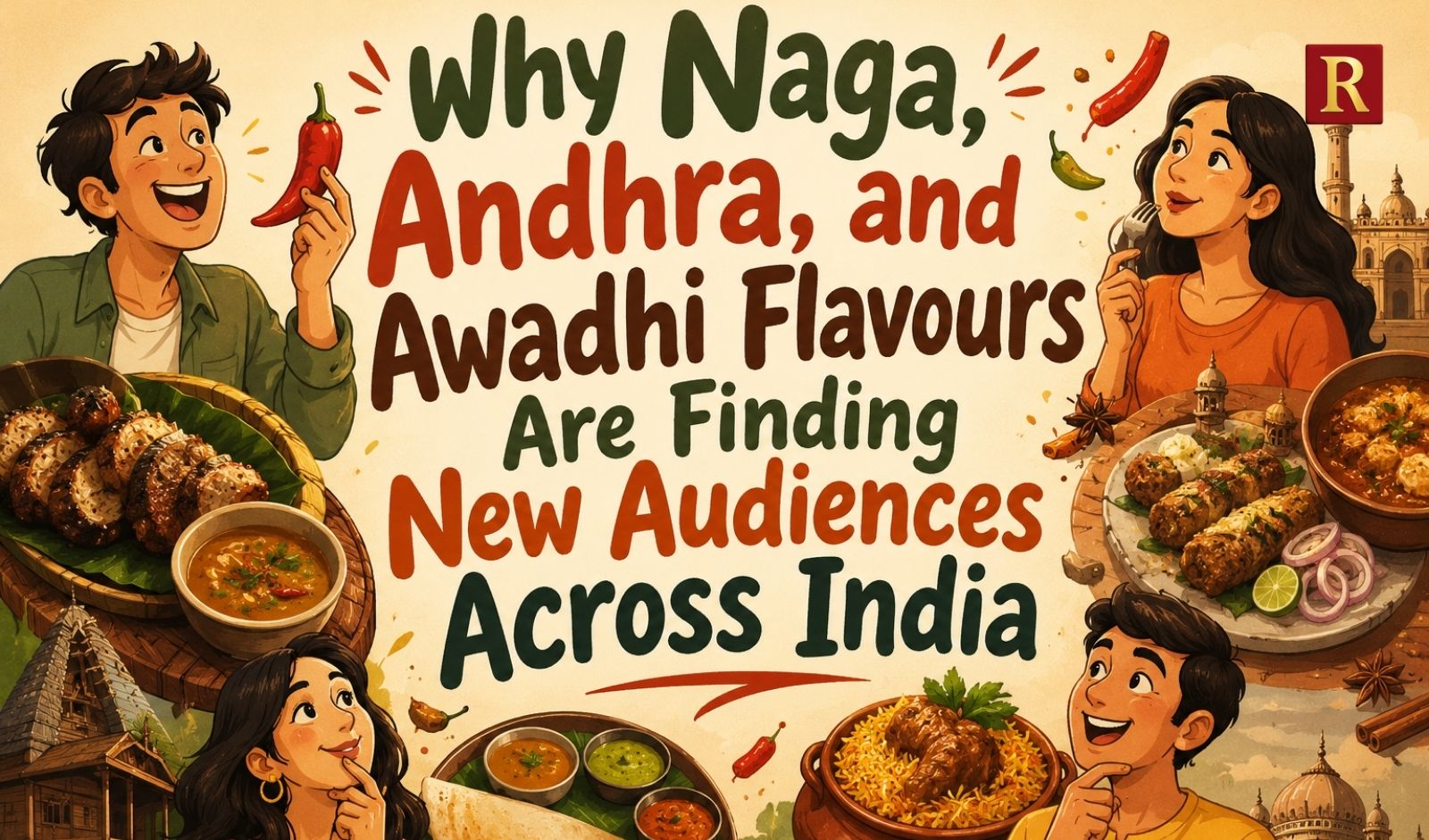
India's culinary landscape is experiencing a major shift. For decades, restaurant menus across the country were dominated by a handful of familiar North Indian and Indo-Chinese dishes. Today, however, consumers are increasingly exploring regional cuisines that were once considered niche. Among the biggest beneficiaries of this trend are Naga, Andhra, and Awadhi cuisines. From luxury hotels in Delhi and Mumbai to cloud kitchens in Bengaluru and Hyderabad, these regional flavours are appearing everywhere. What was once limited to specific states and communities is now becoming part of mainstream dining culture.
According to the National Restaurant Association of India (NRAI), India's food service industry is expected to surpass Rs 7.7 lakh crore in value by 2028. One of the fastest-growing segments within this market is regional and experiential dining, driven by consumers seeking authenticity, storytelling, and unique flavours. The growing popularity of Naga, Andhra, and Awadhi cuisines reflects a larger movement that is redefining how Indians eat, travel, and connect with their cultural heritage.
India's Diners Are Moving Beyond Generic Menus
Indian consumers have become significantly more adventurous over the past decade. A combination of social media, food tourism, OTT travel shows, and increased interstate migration has exposed people to cuisines they may never have encountered before. Today, a young professional in Gurugram can easily discover smoked pork from Nagaland, Gongura Mutton from Andhra Pradesh, or a traditional Awadhi kebab from Lucknow without leaving the city.
Food delivery platforms have also played a major role. Swiggy and Zomato have made regional cuisines more accessible by connecting consumers with specialized restaurants. Searches for regional Indian dishes have increased steadily as diners seek alternatives to standard restaurant offerings. Industry experts often describe this trend as India's "regional food renaissance." Instead of looking outward for culinary inspiration, consumers are increasingly exploring the country's own diverse food traditions. India has more than 28 states, 8 union territories, hundreds of communities, and thousands of traditional recipes. Many of these cuisines remained underrepresented in mainstream hospitality for decades. That is finally changing.
Naga Cuisine: The Northeast's Best-Kept Secret Is Going Mainstream
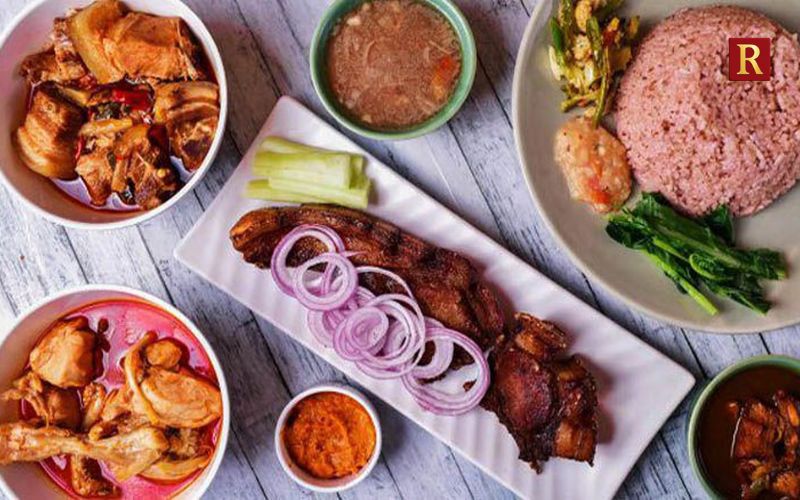
Naga cuisine is one of India's most distinctive food traditions. Unlike many Indian cuisines that rely heavily on spice blends, Naga cooking focuses on preserving the natural flavours of ingredients through smoking, fermenting, drying, and slow cooking. One reason for its growing popularity is its uniqueness. There is simply nothing else in India that tastes quite like Naga food.
The Science Behind Naga Flavours
Many traditional Naga ingredients undergo fermentation, a process that creates natural umami compounds. Umami is often referred to as the fifth taste after sweet, sour, salty, and bitter. Fermented bamboo shoots and Axone (fermented soybean) are excellent examples. During fermentation, microorganisms break down proteins into amino acids, creating deeper and more complex flavours. Interestingly, fermentation is one of the oldest food preservation methods in the world. Long before refrigeration existed, Naga communities relied on fermentation to preserve ingredients and enhance taste.
The Bhut Jolokia Effect
No discussion of Naga cuisine is complete without mentioning Bhut Jolokia, commonly known as the Ghost Pepper. This chilli was once recognized by Guinness World Records as the world's hottest chilli pepper. It can measure over 1 million Scoville Heat Units (SHU).
For comparison:
- Jalapeño: 2,500–8,000 SHU
- Bird's Eye Chilli: 50,000–100,000 SHU
- Bhut Jolokia: Over 1,000,000 SHU
Its extreme heat has made it famous worldwide and has attracted adventurous food lovers to Naga cuisine.
Popular Dishes Driving Interest
- Smoked Pork with Bamboo Shoot
- Pork with Axone
- Galho (Naga rice porridge)
- Anishi (fermented yam leaves)
- Naga Chilli Chutney
Many chefs believe Naga cuisine represents one of the most untapped opportunities in Indian hospitality because it offers flavours that consumers cannot easily find elsewhere.
Andhra Cuisine: India's Capital of Spice
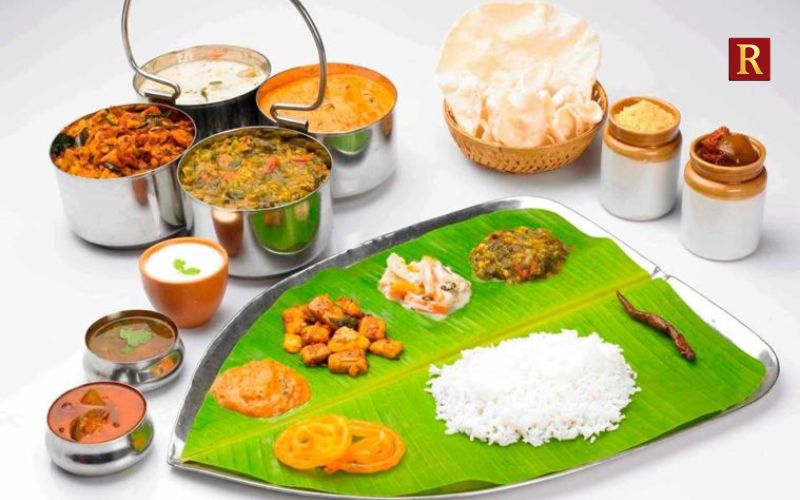
When it comes to bold flavours, Andhra Pradesh has few rivals. Andhra cuisine has built its reputation on intense heat, rich gravies, and powerful spice combinations. Yet reducing it to "just spicy food" would be a mistake. What truly sets Andhra cuisine apart is its complexity.
Andhra Produces Some of India's Most Important Chillies
Andhra Pradesh is one of India's largest chilli-producing regions. The famous Guntur district is often called India's chilli capital. Every year, thousands of tonnes of chillies are traded through Guntur's markets and exported worldwide. India itself produces nearly 40 percent of the world's chilli supply, and Andhra Pradesh contributes significantly to that output. This abundance of chillies has shaped the state's culinary identity for generations.
The Secret Is Layered Flavour
Professional chefs often highlight Andhra cuisine's sophisticated spice-building techniques. Instead of relying on a single spice blend, Andhra recipes frequently involve:
- Dry roasting
- Tempering
- Fresh chilli pastes
- Tamarind balancing
- Multiple cooking stages
This creates dishes that deliver heat alongside depth and aroma.
Gongura: Andhra's Culinary Superstar
Gongura, a sour leafy green also known as Roselle leaves, is one of Andhra cuisine's signature ingredients. Its tangy flavour acts as a natural flavour enhancer and provides balance against rich meats and spicy gravies. Many food historians consider Gongura Mutton one of the most iconic regional dishes in India.
Dishes Winning New Fans
- Gongura Mutton
- Andhra Chicken Curry
- Royyala Iguru (Prawn Curry)
- Gutti Vankaya (Stuffed Brinjal)
- Pesarattu
- Kodi Vepudu
The rise of spicy food challenges and food influencer content has also introduced Andhra cuisine to younger audiences who enjoy bold and memorable flavours.
Awadhi Cuisine: The Royal Art of Slow Cooking
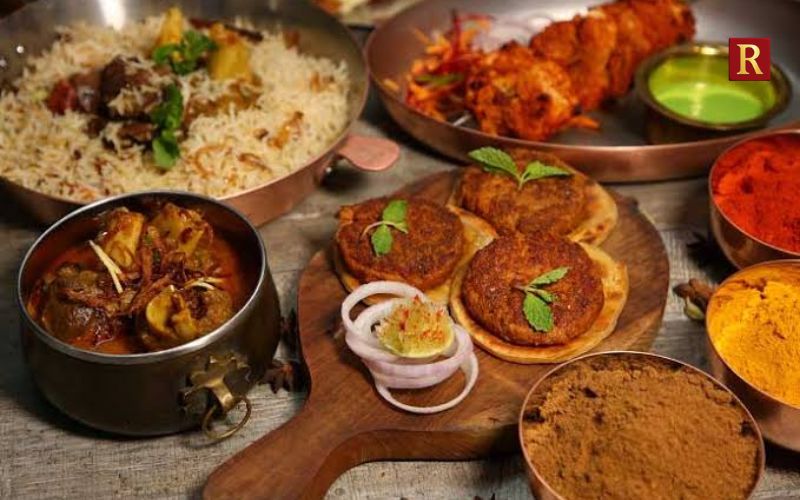
If Naga cuisine is about smoke and Andhra cuisine is about spice, Awadhi cuisine is about refinement. Developed in the royal courts of Lucknow during the Nawabi era, Awadhi cuisine reflects centuries of culinary innovation and craftsmanship.
The Origins of Dum Pukht
One of Awadhi cuisine's most celebrated contributions to Indian gastronomy is Dum Pukht cooking. Historical records suggest this technique became popular in the late 18th century under the Nawabs of Awadh. Food is sealed inside a pot using dough and cooked slowly over low heat. The trapped steam circulates continuously, allowing flavours to develop naturally. Modern chefs often compare Dum Pukht to pressure-controlled cooking because it maximizes flavour retention while preserving moisture.
Why Awadhi Cuisine Feels Luxurious
Unlike cuisines that emphasize heat, Awadhi cooking focuses on balance.
Many recipes use:
- Saffron
- Rose water
- Kewra water
- Cardamom
- Nut pastes
- Slow-cooked meats
The goal is not to overwhelm the palate but to create layers of aroma and texture.
The Legend of the Galouti Kebab
One of Awadhi cuisine's most famous stories involves the Galouti Kebab. According to culinary folklore, the kebab was created for an ageing Nawab who had lost many of his teeth but still wanted to enjoy meat dishes. Chefs reportedly developed a kebab so soft that it would melt in the mouth. Today, Galouti Kebab remains one of India's most celebrated culinary creations.
Signature Awadhi Dishes
- Galouti Kebab
- Kakori Kebab
- Nihari
- Awadhi Biryani
- Korma
- Sheermal
- Shahi Tukda
Luxury hotels and fine-dining restaurants across India continue to showcase Awadhi cuisine because of its rich history and premium appeal.
Social Media Has Become a Powerful Discovery Engine
The rise of Instagram, YouTube, and food-focused content creators has dramatically changed how people discover food. A decade ago, many Indians had never heard of Axone or Gongura. Today, videos featuring these ingredients can attract millions of views. Food content performs exceptionally well because it combines visual appeal with cultural storytelling.
Consumers are no longer just interested in what they eat. They want to know:
- Where the dish comes from
- How it is prepared
- The history behind it
- The ingredients involved
This curiosity has created ideal conditions for regional cuisines to thrive.
Why Younger Consumers Are Leading the Trend
Gen Z and millennials are at the centre of this regional food movement. Research consistently shows that younger consumers prioritize experiences over possessions. Dining out has become a form of exploration and self-expression. Trying a Naga pork dish or an Awadhi tasting menu allows consumers to experience a region's culture without travelling there.
For many diners, authenticity has become more important than familiarity. That shift is encouraging restaurants to invest in regional storytelling, traditional cooking methods, and locally sourced ingredients.
Looking Ahead!
Industry experts believe the demand for regional cuisines will continue growing over the next decade. As consumers become more knowledgeable about food, they are seeking depth, authenticity, and cultural meaning. Naga, Andhra, and Awadhi cuisines represent three completely different culinary philosophies. One celebrates fermentation and smoke. Another embraces spice and intensity. The third focuses on elegance and slow cooking. Their growing popularity shows that Indian diners are ready to move beyond standard menus and explore the extraordinary diversity that exists within their own country. The future of Indian dining will not be defined by a handful of popular dishes. It will be shaped by thousands of regional recipes, centuries-old techniques, and the stories of communities that have preserved these culinary traditions for generations.
Saptopriya Ghosal
Feature Writer
I am a dedicated media professional with a bachelor's degree in mass communication from the State University of Calcutta and a postgraduate degree from Amity University. My academic journey has equipped me with a profound understanding of storytelling and communication. Passionate about the dynamic world of media, I continually strive to explore new ways to engage and inform through compelling narratives.



































































































































































