
Why More Restaurants Are Designing Food You’re Meant to Eat With Your Hands
The experience is no longer limited to what is on the plate. It also includes what the diner does with it. And in India, that idea has been part of eating culture all along.

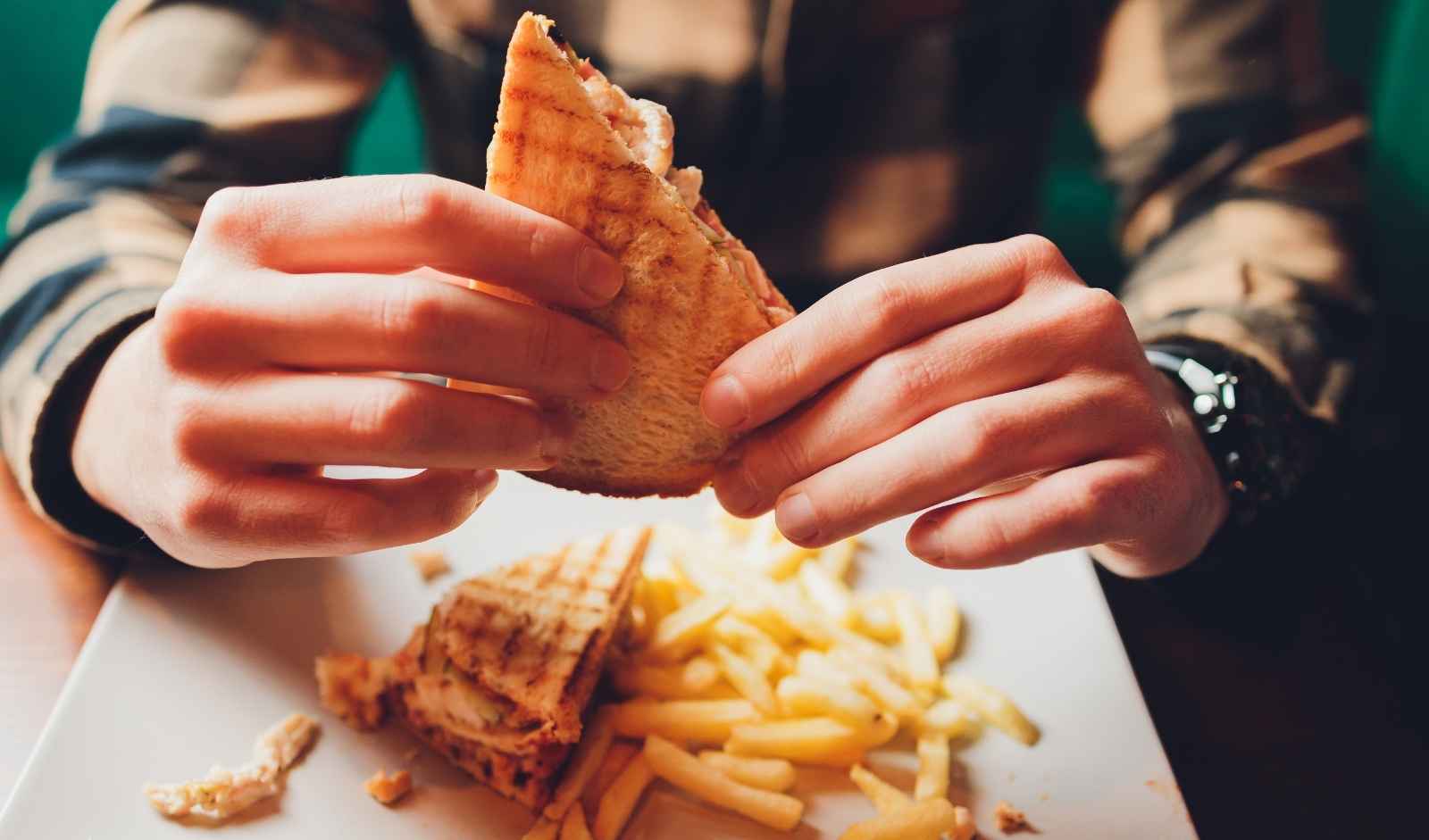
A vada pav, taco, kebab roll or bao is more than a convenient food. Its shape, filling and texture are designed around the simple act of picking it up and taking a bite. That idea is becoming increasingly relevant to modern restaurant menus.
For India, the concept is hardly new. Eating with the hands has long been part of regional food traditions, from rice and dal to dosa, thalis and banana-leaf meals. Research on Indian eating practices notes that using the hands has cultural and sensory dimensions, rather than simply being an alternative to cutlery. What is changing is the way restaurants are approaching this format. Chefs are paying closer attention to how food is held, torn, dipped, carried and eaten. In other words, the hand is becoming part of food design.
Eating With Your Hands Is Not a New Trend
Calling hand-eaten food a new trend would miss the bigger story. Across India, food has traditionally been designed around direct interaction. Roti is used to scoop curry. Dosa can be torn into pieces and dipped into chutney or sambar. Kebabs are often eaten with bread. Street foods such as vada pav, kathi rolls and pani puri are built around quick, direct consumption.
A 2018 review in the Journal of Ethnic Foods describes hands, leaves and different serving vessels as important parts of traditional Indian eating practices. This makes today's interest in handheld food less about discovering something new and more about modern restaurants rediscovering an old principle: food can be designed around the way people eat it.
The Banana Leaf Shows How Food and Eating Can Work Together
Few examples demonstrate this better than the banana-leaf meal. Banana leaves have a long history as dining plates in southern India, particularly in Tamil Nadu, Karnataka, Kerala, Andhra Pradesh and Telangana. Their large surface can hold rice, curries, chutneys, pickles, vegetables and sweets in a single meal.
The leaf is not simply a substitute for a ceramic plate. It works with the food and the eating method. A traditional meal served on a banana leaf is commonly eaten by hand. The diner can combine rice with different gravies, adjust each bite and move between flavours. That is food design at a much broader level. The plate, serving order, ingredients and eating method are all connected.
From Finger Food to Food Designed for the Hand
There is an important difference between finger food and food designed for the hand. Finger food is simply food that can be picked up. Think fries, pakoras or chicken wings. Hand-designed food goes further. Its structure is created specifically for handling. A taco needs a shell or tortilla that can hold its filling. A burger needs a bun that can support its patty and toppings. A kathi roll needs a wrapper that keeps its filling together. A bao needs a soft exterior that can be gripped without crushing the filling.
That creates a form of food architecture. Restaurants have to think about the grip, weight, moisture, filling, texture and portion size of the dish. A good handheld should ideally stay together long enough for the diner to enjoy it.
Why Food Structure Matters
Designing food for hands involves several practical decisions.
- Structure: The food should not collapse as soon as it is lifted.
- Moisture: Sauces add flavour, but too much liquid can make bread or wraps soggy.
- Texture: Crunchy, soft, creamy and chewy elements can make each bite more interesting.
- Portion: The size should make sense for the number of bites required.
- Temperature: Food needs to remain enjoyable to eat while still being comfortable to handle.
- Grip: There should be a natural way to hold the food without squeezing the filling out.
These details matter even more when the same food is prepared for takeaway or delivery. A dish that looks perfect on a restaurant plate can become difficult to eat after 30 minutes inside packaging.
Street Food Has Already Solved the Problem
India's street-food culture offers restaurants a useful blueprint. Vada pav places a fried potato patty inside a pav. Kathi rolls wrap fillings inside paratha. Dabeli compresses spiced potato, chutneys and toppings into a bun. Momos provide a compact dumpling that can be picked up and dipped. These foods combine flavour, portability and speed without needing elaborate tableware. That is one reason street-food formats continue to influence restaurant menus. The opportunity for restaurants is not simply to copy street food. It is to understand why these formats work and apply those principles to new dishes. A chef might take a regional curry and rethink it as a stuffed flatbread. Another might turn a kebab into a compact roll. The innovation lies in making the format useful without losing the identity of the food.
The Tactile Side of Dining
Hands also change how diners interact with food. A spoon separates the diner from the food. Hands provide direct contact with its temperature and texture. You can tear bread, break a kebab, mix rice with dal or decide how much chutney goes into the next bite. Research on traditional Indian eating practices has highlighted this sensory dimension of eating with the hands. That does not mean eating with hands is automatically healthier or better than using cutlery. It simply creates a different physical relationship with food. For restaurants focused on memorable experiences, that interaction can be valuable.
Why Handheld Food Fits Modern Restaurant Menus
Handheld food also fits several practical restaurant formats.
- It works naturally in casual dining, quick-service restaurants, food courts, events and takeaway.
- It can also support smaller portions and sharing. A table could order several different handheld dishes rather than one large main course.
- For younger urban diners, this format can also fit informal social eating. A meal does not always need to follow the traditional starter-main-course-dessert structure.
- A table can instead contain a few rolls, tacos, kebabs, momos and dips.
The result is less formal and often more interactive.
Packaging Is Part of the Food Design
The experience does not end in the kitchen. For takeaway and delivery, packaging becomes part of the dish.
Restaurants need to consider:
- Sauce leakage
- Soggy bread
- Heat retention
- Ventilation
- Grease resistance
- Structural support
- Ease of opening
- One-hand handling
A handheld dish should survive the journey from kitchen to packaging to customer. This is particularly important in India's growing takeaway and delivery culture. A food format that works well on a plate may need a different construction for delivery.
Hygiene Still Matters
The popularity of hand-eaten food should never be confused with relaxed food-safety standards. There is a clear difference between a customer eating with their hands and a food handler touching ready-to-eat food with bare hands.
FSSAI guidance requires food handlers to maintain high personal hygiene and wash their hands at appropriate points, including before food preparation, after handling raw food and after using the toilet. It also stresses measures to prevent cross-contamination. FSSAI also notes that gloves depend on the food-handling activity; proper handwashing and sanitisation remain essential. For restaurants promoting hand-eating experiences, clean handwashing facilities, suitable serving practices and visible hygiene standards should therefore be part of the experience.
India Has a Strong Head Start
The most interesting part of this movement is that India does not need to invent the idea. The country already has centuries-old examples of food where the eating method is inseparable from the dish.
Consider the range:
- Roti: tear and scoop.
- Dosa: cut or tear and dip.
- Vada pav: hold and bite.
- Pani puri: fill and eat in one bite.
- Kathi roll: wrap and carry.
- Momos: pick up and dip.
- Kebabs: tear, wrap and bite.
- Banana-leaf meals: combine and eat by hand.
Modern restaurant menus can learn from this existing knowledge while still developing new formats.
The Future May Be More Interactive
The next stage of handheld food is unlikely to be about replacing every fork and spoon. Instead, restaurants may become more thoughtful about how a dish is held, opened, dipped, torn and shared. That could mean more regional Indian handhelds, small tasting formats, premium versions of street food, interactive dipping plates and desserts designed to be picked up rather than spooned. But innovation should have a purpose. Changing the shape of a traditional dish simply to make it look different is not enough. A good adaptation should improve portability, create a useful interaction or make the food easier to enjoy. The growing interest in hand-designed food therefore tells us something important about modern dining. The experience is no longer limited to what is on the plate. It also includes what the diner does with it. And in India, that idea has been part of eating culture all along.
Saptopriya Ghosal
Feature Writer
I am a dedicated media professional with a bachelor's degree in mass communication from the State University of Calcutta and a postgraduate degree from Amity University. My academic journey has equipped me with a profound understanding of storytelling and communication. Passionate about the dynamic world of media, I continually strive to explore new ways to engage and inform through compelling narratives.



































































































































































