
Why India's Restaurant Industry is Becoming an Asset-Light Business
With India's foodservice market expected to surpass US$150 billion by 2030, growing at 10–11% annually, restaurant brands are balancing strong demand with rising rentals, labour costs, fit-out expenses, food inflation, delivery commissions and talent shortages.

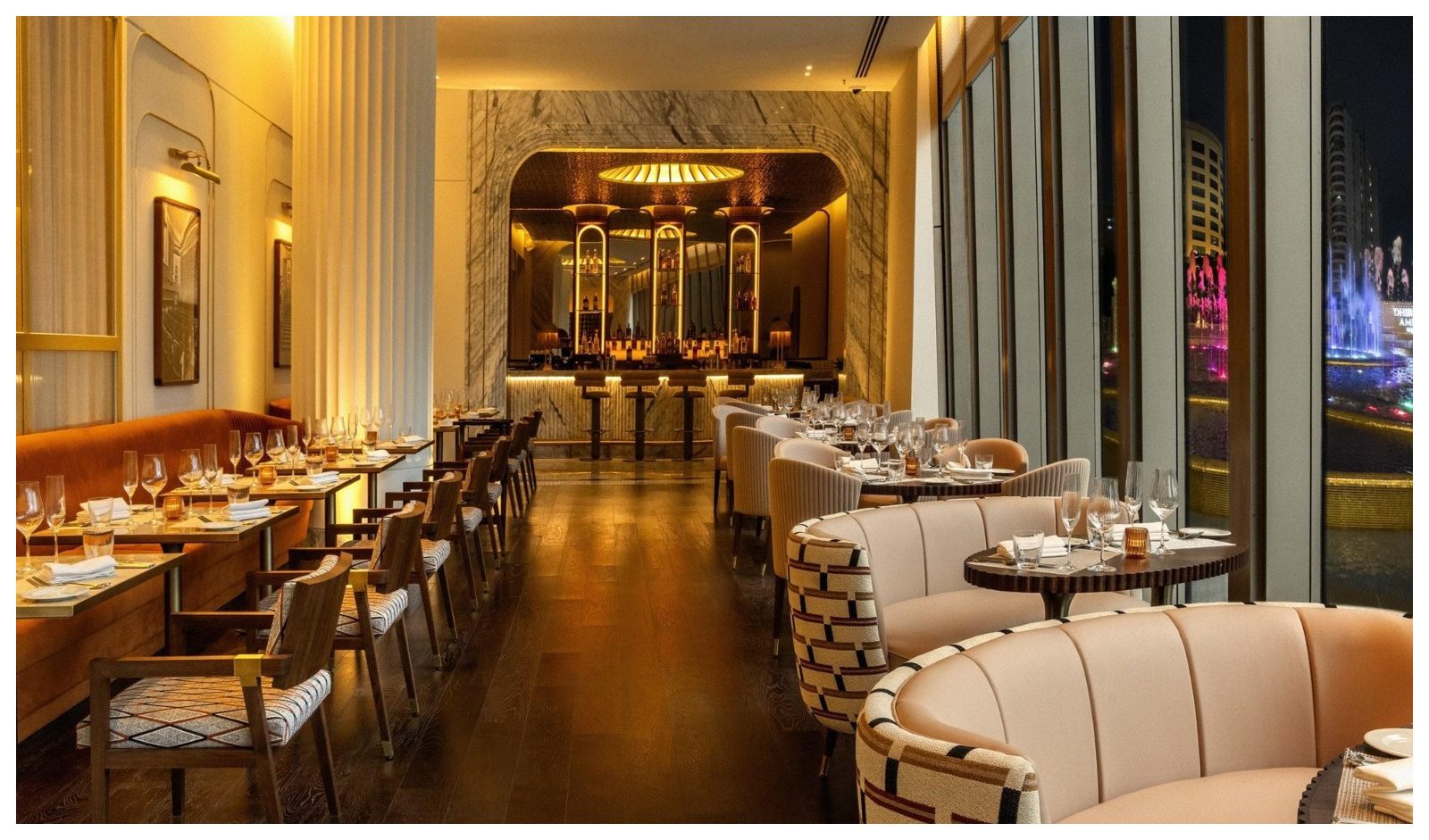
India's restaurant industry is moving from asset ownership to scalable growth. Today, brands are scaling through franchising, licensing, cloud kitchens, delivery partnerships and technology-led operations. The asset-light approach enables faster expansion, lower capital investment, improved profitability and reduced operational risk.
With India's foodservice market expected to surpass US$150 billion by 2030, growing at 10–11% annually, restaurant brands are balancing strong demand with rising rentals, labour costs, fit-out expenses, food inflation, delivery commissions and talent shortages.
Moving Towards Asset-Light Models
Rising rentals, security deposits, fit-out costs and labour expenses have made company-owned expansion increasingly capital-intensive, with a single casual dining outlet requiring investments of ₹2–8 crore and payback periods of up to seven years.
“Several factors are accelerating this trend rising real estate and rental costs in metro cities, increasing labour and operational expenses and need for faster expansion across multiple markets,” said Vanita Verma, Equity Partner/ Shareholder in Vietnom (Yuvi Success Pvt Ltd) and Tulsi (Fraterniti Luxury Pvt Ltd).
An asset-light restaurant model focuses on building the brand rather than owning physical infrastructure. The model also improves returns on capital, strengthens cash flow, reduces debt and appeals to investors seeking scalable, capital-efficient businesses.
While, Sharad Bansal, Founder of Warmup Ventures who has invested in Nothing Before Coffee, Babai Tiffins and Boba Bhai said, “Any entrepreneur should have a long-term vision so franchise partners or investors will be interested in putting their money and their source and invest their time in scaling it up. Also, there has to be an easy exit for the investors which make it easier for all of us.”
“We'd rather invest in product, people and the customer experience than duplicate infrastructure across every outlet. Our base kitchen reflects that philosophy by centralising production while allowing restaurants to focus on hospitality and operational consistency,"added Priyamvada Gupta, Founder, Dumbo Deli.
Franchising is Powering Restaurant Expansion
Franchising has emerged as the preferred growth model for restaurant brands, enabling rapid expansion with minimal capital investment. While franchise partners invest in restaurant setup, hiring and day-to-day operations, brands focus on menus, supply chains, technology, marketing, training and quality standards, earning recurring revenue through franchise, royalty and marketing fees.
Top brands in India like Jubilant FoodWorks combines company-owned outlets with technology-led, delivery-focused expansion, Devyani International drives growth through franchise-led, multi-brand operations, while Wow! Momo Foods scales through cloud kitchens, kiosks and dine-in formats, Rebel Foods pioneered the multi-brand, cloud kitchen model and Barbeque Nation Hospitality focuses on operational efficiency and disciplined expansion.
Gaurav Dua, Franchise Partner, Dhaba Estd. 1986 Delhi said, “Franchising enables brands to expand with capable entrepreneurs who understand local markets. Cloud kitchens have expanded delivery reach and created opportunities to enter new catchments with lower capital investment.”
He added, “The next phase of growth in India's restaurant industry will be defined less by ownership and more by operational excellence. Asset-light expansion works when brands invest in strong systems, supply chains and franchise partnerships. As someone operating a franchise, I've seen that sustainable growth comes from consistency, customer trust and disciplined execution not just opening more outlets."
The model is gaining momentum in Tier II and Tier III cities such as Indore, Surat, Coimbatore, Lucknow, Kochi and Nagpur, where rising demand for organised dining and strong local entrepreneurs are accelerating expansion beyond metro markets.
“India's next phase of restaurant growth is increasingly coming from smaller cities due to rising disposable incomes, growing aspirations for branded dining experiences and lower real estate costs,” shared Verma.
Partnerships and Licensing Are Simplifying Growth
Restaurant brands are increasingly outsourcing functions such as logistics, warehousing, HR, payroll, procurement, technology and customer support, allowing them to focus on food, branding and customer experience.
Dua pointed strategic partnerships with delivery platforms, malls and commercial developers have also helped brands access customers more efficiently.
At the same time, brand licensing is gaining traction with companies licensing their intellectual property to experienced operators who manage daily operations, staffing and local marketing. This enables brands to earn recurring licensing income while maintaining quality standards, a model increasingly adopted by celebrity brands, international chains and premium dining concepts.
Technology is Becoming the New Growth Asset
Technology is replacing many traditional investments in restaurant operations. AI-powered demand forecasting reduces food waste, kitchen display systems improve efficiency, QR code menus cut printing costs, POS analytics provide real-time insights into sales and inventory, AI-driven pricing optimises profitability, and CRM platforms boost customer retention. Instead of investing heavily in physical assets and manpower, restaurant brands are increasingly relying on technology to drive scalable, efficient growth.
Gupta said, "Technology is an enabler, not a replacement. Systems can fail, but restaurants remain a people-led business, and no software can substitute for a capable team and a strong operational culture. The same principle applies to partnerships. Founders don't need to own every part of the value chain."
“The economics of the restaurant industry have changed considerably. Many companies have realised that deploying capital into brand development, digital capabilities and supply chain infrastructure often creates greater long-term value than owning every restaurant,” mentioned Dua.
As organised foodservice expands beyond metro cities and digital ordering continues to grow, asset-light models are emerging as the preferred strategy for restaurant brands seeking faster, capital-efficient expansion.
Vijetha Iyer
Content Editor
Working as a Content Editor with Restaurant India. I have worked in various sectors like food and beverage sector, chemicals, pharma, nutraceuticals, now specially focusing on restaurant side. But my core knowledge was always on content. Be it writing poems to verses, I always loved writing and have been exploring my career on the same. In Restaurant India, I deliver insightful stories, take interviews of various brands and update the audiences about the newest happenings in the restaurant industry.









































