
Why Diners Are Choosing Comfort Over Complexity
As per Swiggy 2025 report, Biryani led orders with about 93 million orders, followed by burgers (44.2 million), pizzas (40.1 million), and even traditional Indian items like veg dosa (26.2 million).

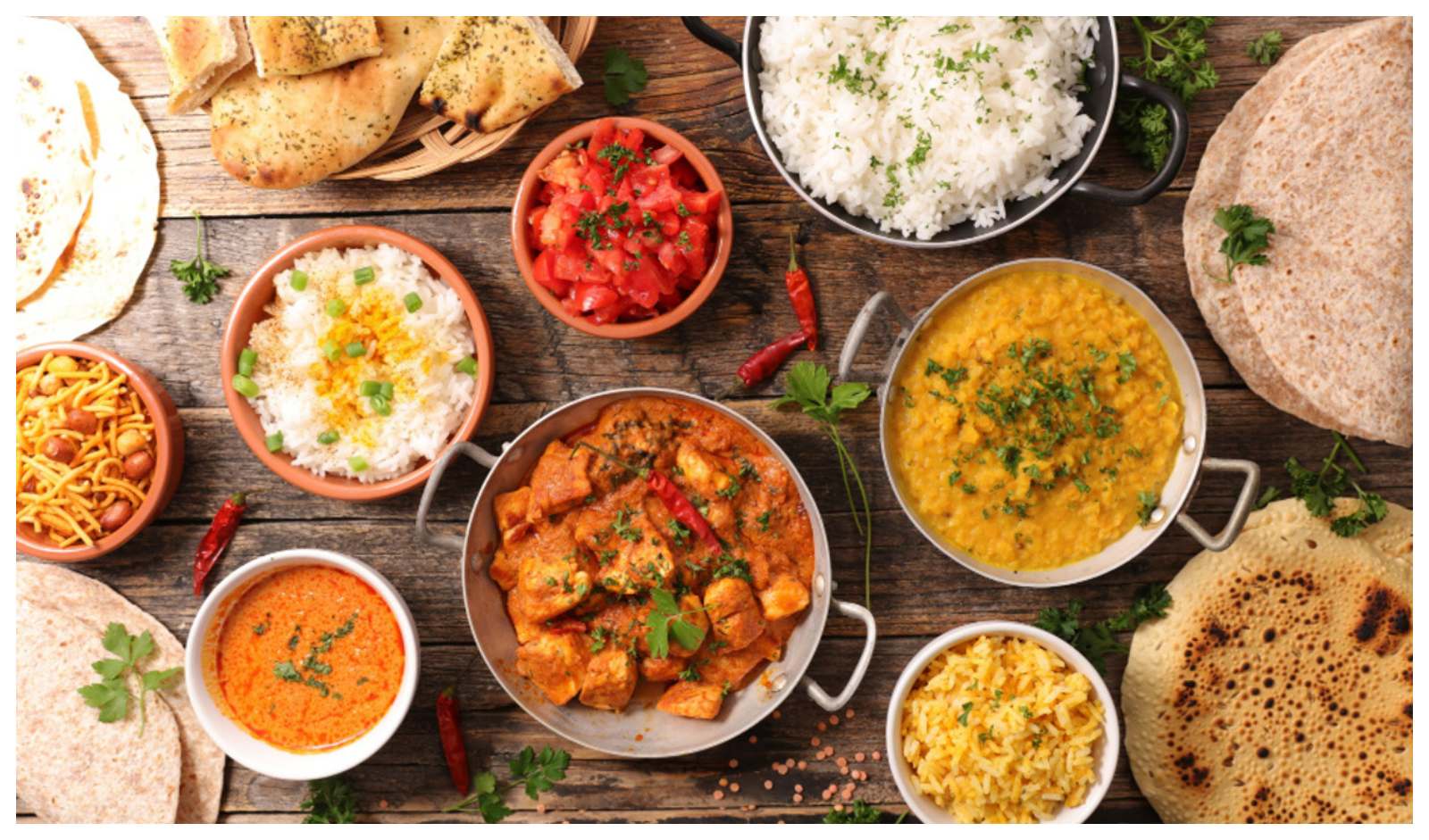
The global restaurant industry is witnessing a notable shift in diner preferences: comfort food is outselling experimental cuisine across segments from casual diners to fine dining. In an uncertain world, diners are seeking emotional reassurance as much as flavour. Familiar dishes offer predictability, nostalgia, and trust, qualities that increasingly influence where and how often people dine out.
As per Swiggy 2025 report, Biryani led orders with about 93 million orders, followed by burgers (44.2 million), pizzas (40.1 million), and even traditional Indian items like veg dosa (26.2 million).
Comfort Food = Familiarity
One of the most powerful forces driving dining choices is a fundamental emotional need: comfort and familiarity.
“In India, food has always been a form of inheritance, carried forward by karigars whose craft is shaped by generations of lived experience. At The Bombay Chapter 003, our role is not to reinterpret that legacy, but to honour it,” shared Arpitha Rai, Co-Founder and Vibe Architect, The Bombay Chapter 003.
For decades, dining was about 'performance'—molecular gastronomy and theatrics. “Consumers are trading the unpredictability of experimental cuisine for the emotional safety of comfort food. However, this isn't a regression; it’s an evolution. The modern makeover of comfort food is what I call 'Elevated Familiarity.' We aren't seeing a return to basic recipes, but rather a structural upgrade of them,” added Anirudh Kheny, Owner, SuzyQ.
The Emotional Connection
There is definitely an element of emotional connection but emotional connection only lasts so long. There are some outlets that survive because of emotional connection.
Adding further, Suraj Gupta, Co-Founder of Fiori added, “Comfort food works well today because you’re plugging it with modern elements. It’s truly difficult for only comfort food, in its most conventional or traditional sense to survive. You have to understand that people are looking for comfort, but they’re also paying for innovation.”
“We witnessed this shift early through our supper clubs in Bangalore, where strangers gathered over traditional meals and left feeling like family. That same emotional connection now plays out daily in the restaurant,” shared Rai who also noted that guests returning for the flavours they grew up with and bringing others along.
Around 70-75% chefs are trying to bring back the nostalgic recipes and food by connecting customers to the roots.
Cultural Shift in Dining Behavior
What works in Bombay v/s Bangalore is different, but today even what works in Bandra can be very different from what works in Fort or Juhu. These micro-markets express different traits and different preferences in food.
“In terms of degrees of experimentation, I cannot become super experimental in Fortbecause it is very family-led and the demographics there are not super pro-experimentation. Even the most successful outlets in Fort, like places such as In Americano and others, do the basics very well and have very strong foundations,” added Gupta.
Predictability Drives Sales
From a business perspective, predictable sales are invaluable. When restaurants know which dishes move consistently, forecasting becomes tighter, wastage reduces, and cash flow stabilizes.
Gagan Agarwal, Co-Founder & Creative Director, Dramqiue, The Grand, Vasant Kunj, New Delhi said, “Comfort food also allows operators to engineer better margins through ingredient control. These dishes typically rely on fewer, more versatile components that can be cross-utilised across the menu, improving inventory efficiency and negotiating power with suppliers.”
Predictable sales enable tighter control over inventory, portioning, and procurement. “Comfort food menus rely on fewer, well-established ingredients that reduces wastage, improve kitchen efficiency, and allow better margin management through supplier negotiations and standardized recipes,” pointed Divya Kadam, Founder of Bodega39.
The Major Challenges
The challenges are the same as the cultural shift — lack of micro-market understanding, inability to explain food properly, and not investing enough in training and resources for front-of-house teams.
The future of the sector lies in accessible luxury. It’s about taking a dish the customer has known since childhood and executing it better than they have ever tasted.
Vijetha Iyer
Content Editor
Working as a Content Editor with Restaurant India. I have worked in various sectors like food and beverage sector, chemicals, pharma, nutraceuticals, now specially focusing on restaurant side. But my core knowledge was always on content. Be it writing poems to verses, I always loved writing and have been exploring my career on the same. In Restaurant India, I deliver insightful stories, take interviews of various brands and update the audiences about the newest happenings in the restaurant industry.









































