
Why Cuisine-Led Focus is Working for Indian Restaurants
As margins tighten and diners become more deliberate, operators are finding that focused menus and clear cuisine identities offer stronger control, consistency and recall than multi-cuisine formats

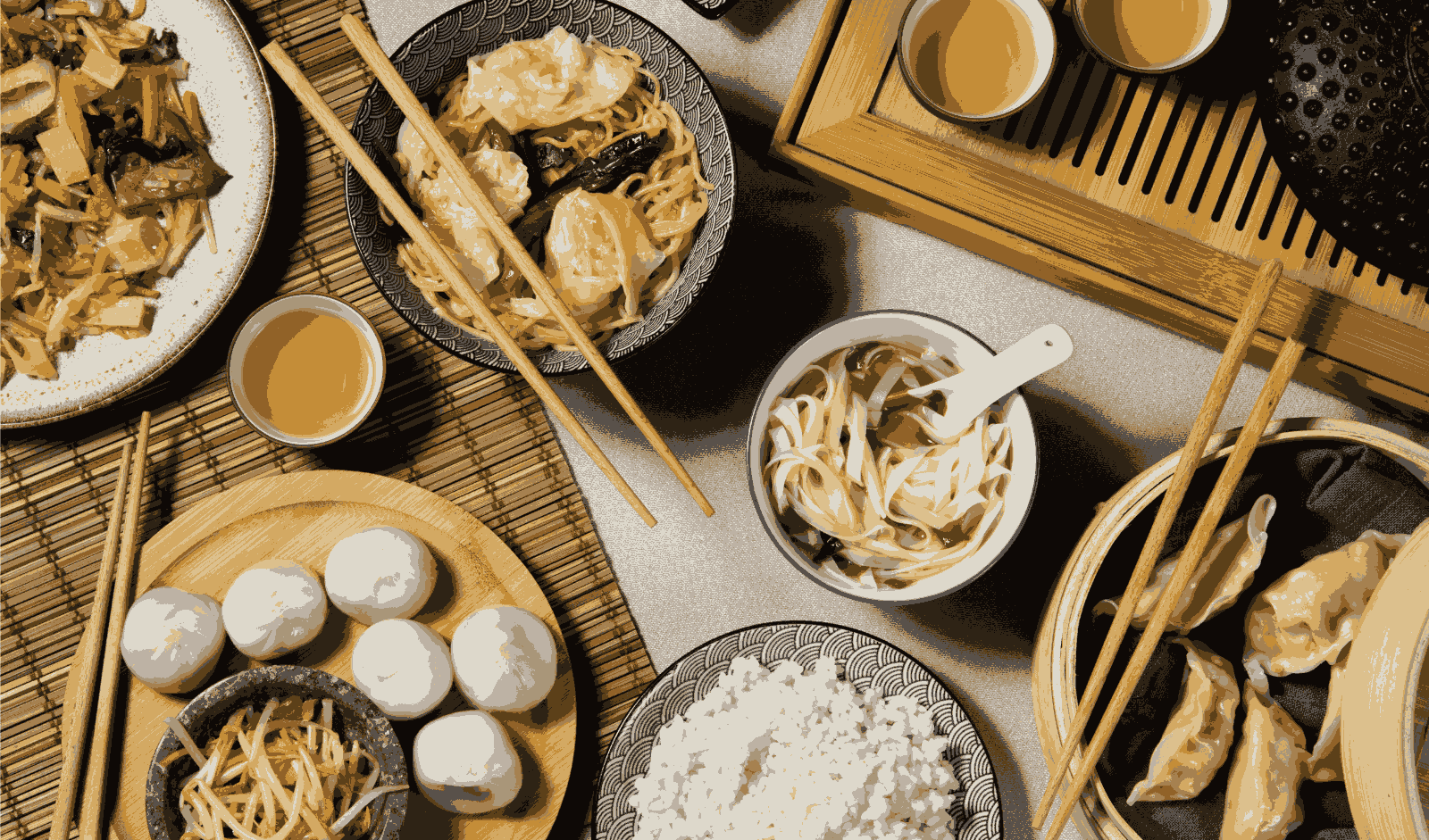
From ramen bars to specialist pizzerias, India’s urban dining landscape is increasingly being shaped by restaurants that are choosing depth over breadth. The once-dominant multi-cuisine model, built on variety as a proxy for value, is steadily giving way to cuisine-led and micro-cuisine restaurants that operate with tighter menus, clearer narratives, and stronger operational discipline.
This shift is unfolding against the backdrop of a rapidly growing yet increasingly competitive food services market. India’s food-services sector is valued at nearly INR 5.7 lakh crore and is projected to cross INR 7.7 lakh crore by 2028, with organised formats, delivery-led models and casual dining driving much of the growth. As costs rise and consumers become more intentional, operators are rethinking whether breadth still makes business sense.
Increasingly, restaurants are responding by narrowing their offerings. Industry operators say focused menus, often limited to 10–25 core items, allow for better cost control, faster kitchen training and stronger consistency, compared to multi-cuisine menus that can run into 40–50 dishes and strain operations.
Consumers are No Longer Browsing
Across cities, restaurant owners say the modern Indian diner arrives with intent. Discovery still happens online and on social media, but the decision-making is sharper than it was a decade ago.
“Indian diners today are far more decisive and informed than they used to be. They’re no longer stepping out to see what’s available. They’re stepping out knowing exactly what they want to eat,” said Yash Bhatia, Founder of Mai Mai, Bengaluru.
At Mai Mai, which focuses on Southeast Asian flavours, menu restraint is central to the brand’s positioning. “Guests don’t want twelve cuisines done reasonably well. They want one cuisine done with clarity, depth, and confidence,” Bhatia added as this clarity of intent is echoed by newer-format QSR and casual dining brands as well.
For Ritik Goker Choudhary, Co-Founder of Tosi in Thane, the move towards a micro-cuisine format wasn’t driven by trend-spotting, but by an unmet everyday need.
“We were looking for a place that did a good dosa consistently, in a clean, comfortable setting, and realised how rare that actually was,” he said, adding, “We made a conscious decision to centre the brand around the Benne Dosa and build everything around doing that exceptionally well.”
Why Focus Works Operationally
From a business standpoint, cuisine-focused formats offer tangible operational advantages, particularly in an environment where margins are under pressure. Industry benchmarks show food costs typically account for 25–35 per cent of revenue, labour another 20–30 per cent, while delivery commissions can take away up to 30 per cent of order value.
Against this backdrop, operational efficiency has become critical.
“From a business perspective, cuisine-led restaurants are simpler to execute and easier to scale, but only when the focus is honest and disciplined,” said Bhatia.
Choudhary echoed this view from a QSR lens. “When you are not stretched across multiple cuisines, everything becomes sharper from sourcing, kitchen training, prep processes, and quality checks. Our teams understand the product better, wastage is lower, and consistency becomes easier to maintain,” he said.
However, this operational clarity comes with its own pressures.
“The biggest challenge with a cuisine-focused format is that there’s nowhere to hide. dish has to earn its place. You can’t rely on variety to cover up weaknesses,” Bhatia added.
Heritage Cuisines Find New Relevance
Beyond global cuisines, focused formats are also helping underrepresented Indian and colonial-era cuisines find renewed relevance with urban audiences.
“At Maize & Malt, we have chosen to focus on Anglo-Indian cuisine, a heritage cuisine rooted in Kolkata with strong colonial influences,” said Keshav Keshu, General Manager, Maize & Malt.
He pointed that dishes such as butter garlic prawns, railway mutton curry and pepper chicken balance familiarity with discovery. “From a business perspective, a tight, cuisine-led menu improves consistency, sourcing efficiency, and operational control, while also helping build a strong and differentiated brand identity,” Keshu pointed.
But here too, discipline is non-negotiable. “Quality and execution must be flawless every day, as there is no room to hide behind variety,” he added.
Who Will Scale
Looking ahead, operators agree that cuisine-led restaurants are unlikely to broaden their menus. Instead, they will narrow further.
“Cuisine-led restaurants in India aren’t going to get broader. They’re going to get sharper,” said Bhatia. “We don’t see cuisine-led formats as a trend but rather a correction.”
According to founders and operators, three factors will determine long-term success:
Bhatia said success comes down to clarity and discipline. Restaurants that know exactly what they are and stand out more easily, but that focus only works when strong operations and training back it. In the long run, he adds, it is consistency, not constant reinvention, that keeps customers coming back.
Saumyangi Yadav
Senior Correspondent
Saumyangi is a Senior Reporter with over three years of experience in journalism and a strong passion for writing and storytelling. She covers D2C and consumer brands for Entrepreneur India and contributes to Restaurant India, where she writes about restaurants, cafés, and whatever is new and exciting in the F&B world. She has previously covered education, social, and civic issues, and continues to enjoy exploring new stories in Bengaluru and beyond.









































