
Why Crispy Rice Is Becoming a Dish of Its Own
Crispy rice can now be a base, topping, snack, salad component or central textural element. Its strongest advantage is its ability to transform an ordinary staple through heat and technique.

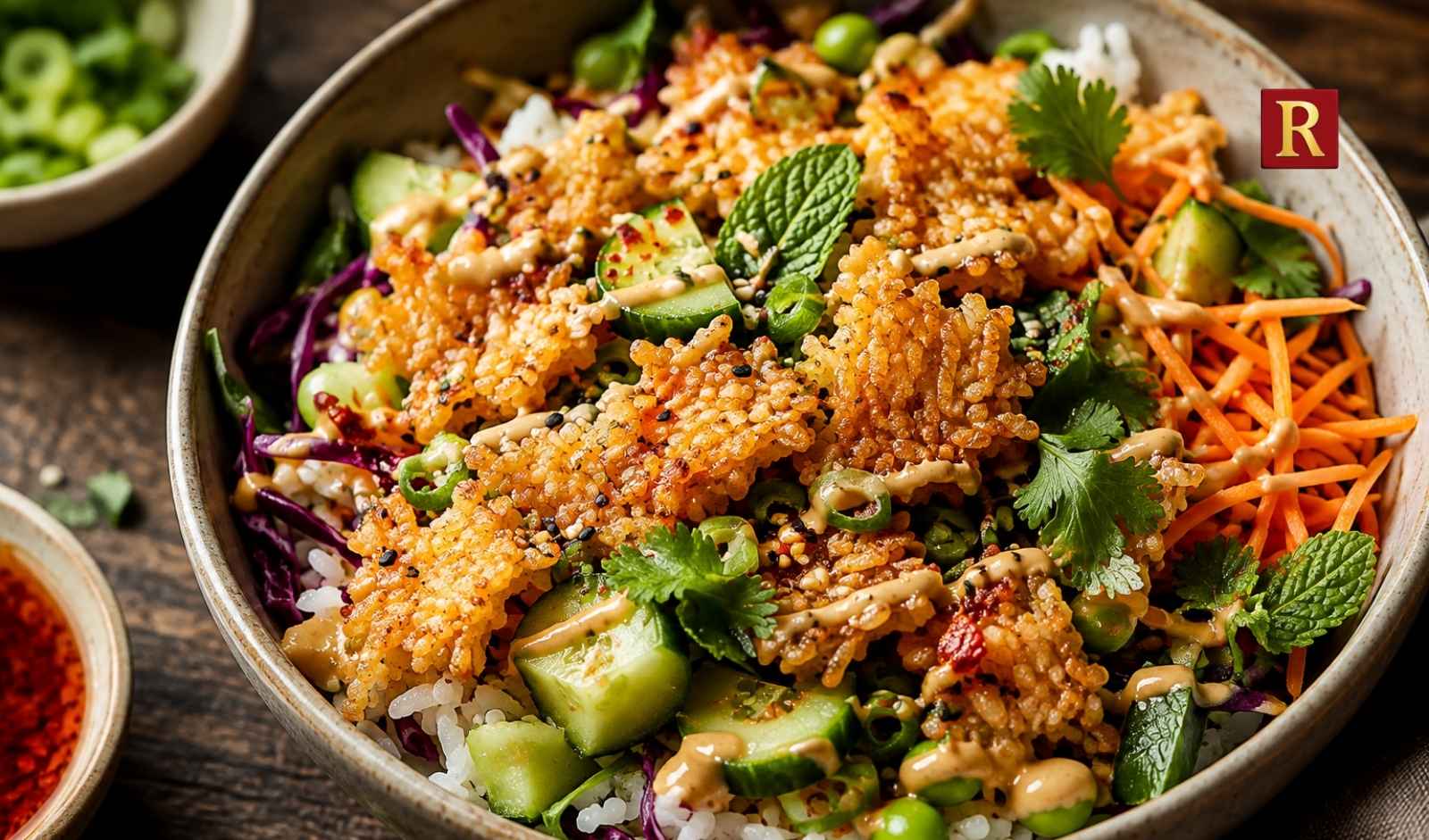
Crispy rice is no longer being treated only as the browned layer left at the bottom of a cooking pot. Chefs are using it as a deliberate part of the dish. It can form the base of a seafood plate, add crunch to a salad, or become a snack on its own. The idea is not new. Persian tahdig, Korean nurungji and Spanish socarrat have long celebrated the crisp parts of rice dishes. What is changing is the way restaurants are presenting this texture. Crispy rice is moving from an incidental cooking result to an ingredient with its own place on the plate.
Crispy Rice Has a Long Culinary History
The current interest in crispy rice is better understood as a rediscovery than a new invention. In Iran, tahdig refers to the crisp layer that forms at the bottom of a rice pot. The word literally relates to the bottom of the pot. Depending on the preparation, the crust can be made with rice and fat, and sometimes ingredients such as yogurt, saffron or egg are used to create a distinct golden layer. In Korea, the equivalent is nurungji. It forms when cooked rice comes into contact with the hot bottom of the cooking vessel. It can be eaten as a crunchy preparation or combined with hot water to make sungnyung, a traditional toasted-rice drink. Korea's official tourism organisation also notes that nurungji is now deliberately produced as a snack. Spain has another famous example. Socarrat is the crisp, browned rice layer that develops at the bottom of a paella. Its appeal comes from the concentrated heat and the contrast it creates with the softer rice above it.
China also has a tradition of crisped rice known as guōbā, which has been used in dishes where the crunchy rice is combined with sauces and other ingredients. These preparations are not interchangeable. Their techniques and cultural contexts are different. But they demonstrate a common culinary idea: the rice at the bottom does not have to be discarded or treated as an afterthought. It can be the most anticipated part of the meal.
The Crunch Is What Makes It Different
Rice is usually associated with softness. Crispy rice reverses that expectation. The change may appear simple, but it has a major effect on how a dish is eaten. Think of a bowl containing soft rice, grilled vegetables and a creamy dressing. The dish may have plenty of flavour, but most of its textures are tender or soft. Add a layer of crisp rice and the experience changes.
Now there is:
- Soft + crisp
- Creamy + crunchy
- Moist + dry
- Tender + brittle
This is one reason texture is becoming an important part of food development. A 2026 report on trends highlighted at the Specialty Food Association's Fancy Food Show identified texture-driven eating as an emerging direction. The report, cited by USA Rice, said around 70% of consumers consider texture as important as flavour. Crispy rice was among the formats highlighted as an opportunity for foodservice and food products. For restaurants, that matters because texture can make a familiar ingredient feel different without completely changing its flavour.
What Actually Happens When Rice Turns Crispy?
The science behind crispy rice is more interesting than simply calling it “burnt rice.” As cooked rice remains against a heated surface, moisture is gradually driven away from the contact area. The grains become firmer and drier. Continued heating causes browning and the development of toasted aromas. Several processes can contribute to the final result, including moisture loss, changes in starch structure and Maillard reactions. The Maillard reaction occurs when amino compounds and reducing sugars react under heat. It is responsible for many of the roasted and browned flavours found in cooked foods. Research into rice aroma has also linked thermal processing and Maillard chemistry with aroma compounds such as 2-acetyl-1-pyrroline, which is associated with the characteristic aroma of some rice varieties. This is why a good crispy rice layer is not simply hard. It should have a pleasant toasted aroma, a firm bite and enough depth to complement the softer ingredients around it.
Restaurants Are Giving Crispy Rice More Jobs to Do
The biggest change is its growing versatility. Crispy rice can now perform several roles in a restaurant dish.
1. Crispy Rice Salad
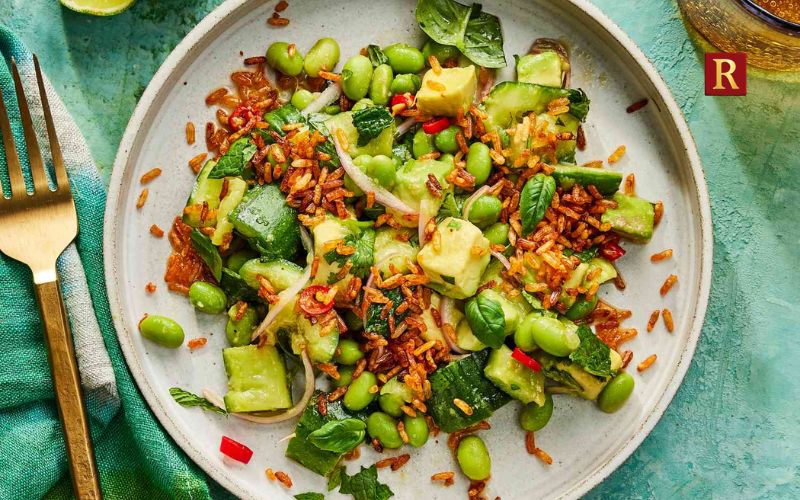
Crispy rice is becoming a popular way to add texture to salads without relying only on croutons, nuts or fried toppings. The rice is cooked until golden and crunchy, then broken into pieces and mixed with fresh vegetables, herbs and dressing. Its toasted flavour works especially well with ingredients that bring acidity and freshness, such as cucumber, tomatoes, citrus, herbs and vinaigrettes. The format has also gained attention on social media and food media. ABC News reported on the growing popularity of crispy rice salads in 2024. The combination works because every bite brings a contrast between fresh, juicy ingredients and crisp, toasted rice.
2. Crispy Rice With Seafood
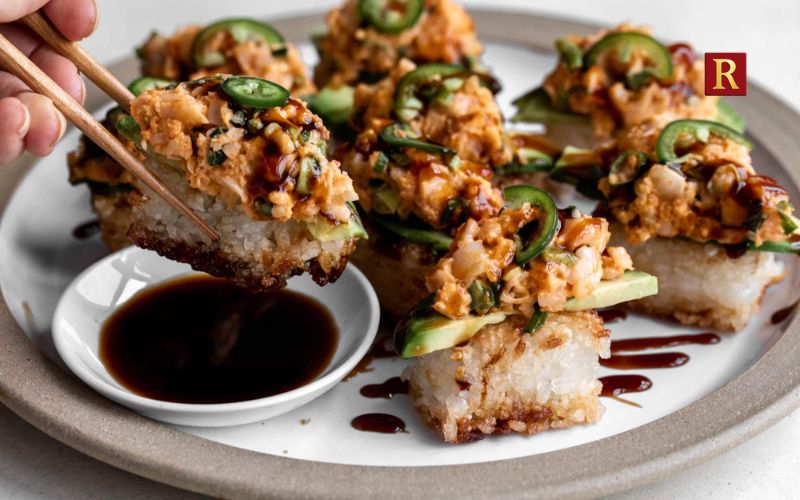
Crispy rice works particularly well with seafood because it creates a clear contrast between delicate and crunchy textures. Ingredients such as tuna, salmon, prawns and scallops can be served over a crisp rice base or paired with smaller pieces as a topping. One familiar restaurant format is spicy tuna served over crispy rice, where the firm rice provides structure for the soft, seasoned fish. The combination also allows chefs to build different flavour profiles using sauces, herbs, chilli, citrus and pickled ingredients. Crispy rice can therefore turn a delicate seafood preparation into a more layered dish without overpowering the main ingredient.
3. Crispy Rice Bowls
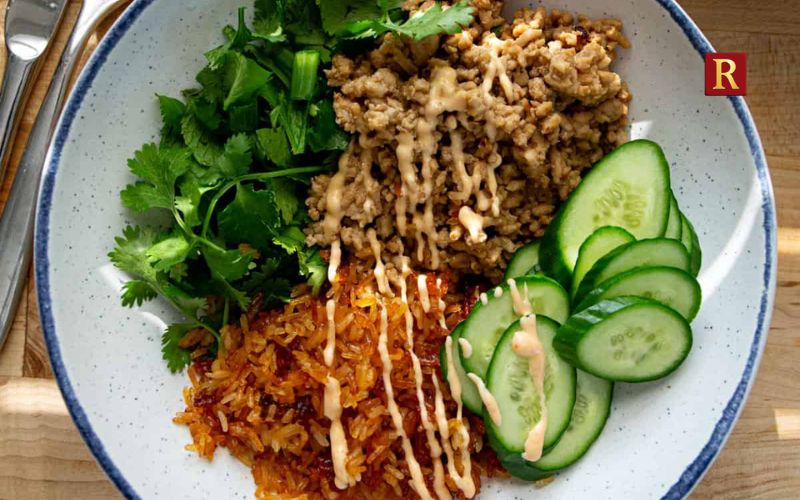
Crispy rice can add another layer of texture to the increasingly popular bowl format. Instead of replacing steamed rice completely, chefs can use crisped rice alongside fluffy grains to create a more varied eating experience. A bowl might combine steamed rice, crispy rice, roasted vegetables, grilled chicken or tofu, fresh herbs and a sauce. The crisp component provides contrast to ingredients that are soft, creamy or juicy. It can also be seasoned to match the dish, using spices, chilli, sesame, herbs or regional condiments. This makes crispy rice particularly useful for restaurants looking to give familiar rice bowls a more distinctive texture and presentation.
Why Restaurants Can Work With It
There is also a practical reason for the interest. Rice is a familiar and comparatively accessible ingredient. Its transformation depends heavily on technique rather than on an expensive raw material. That gives chefs room to experiment. A restaurant could season crispy rice with chilli and lime. Another could pair it with fermented vegetables. An Indian kitchen could explore it with regional spices, pickles, coconut, tamarind or curry leaves. This is where the ingredient becomes particularly interesting for Indian restaurants. India already has a strong cultural appreciation for browned and crisp food. The browned portions of rice dishes, including the crisp bottom layer that can develop in biryani, show that the preference is not foreign to Indian cooking. The opportunity is to take that familiar idea further. Instead of allowing the crisp rice to remain at the bottom of the vessel, chefs can deliberately portion it, season it and build a dish around it.
Even Leftover Rice Can Become Useful
Crispy rice also connects with the practical question of using leftover cooked rice. Chilled cooked rice becomes firmer as its starches change during refrigeration. This is one reason leftover rice is commonly used for fried-rice preparations and other cooking applications. That does not mean every leftover batch should automatically become crispy rice. Food safety remains important. The USDA recommends refrigerating leftovers promptly and using refrigerated leftovers within 3 to 4 days. Reheated leftovers should reach 165°F (74°C). For professional kitchens, proper cooling, storage and reheating procedures therefore matter as much as the final crisping technique.
The Hard Part Is Keeping It Crisp
Creating crispy rice is only half the job. Holding the texture is the bigger restaurant challenge. Crispy rice contains much less available moisture at its surface than steamed rice. Once it comes into contact with watery sauces, dressings or other moist ingredients, it can gradually lose its crunch.
That means chefs need to think about:
- Rice variety
- Moisture level
- Pan temperature
- Oil or fat
- Thickness of the rice layer
- Contact time
- Seasoning
- Holding time
- Sauce placement
- Plating speed
A beautifully crisp piece of rice can become soft before it reaches the diner if it is assembled too early. This makes crispy rice a useful test of kitchen precision. The ingredient may be inexpensive, but achieving the right texture consistently requires control.
From Cooking By-Product to Menu Identity
The most interesting part of the crispy rice movement is not that diners suddenly like crunchy rice. They always have. The change is that chefs are increasingly designing around that crunch. Tahdig shows how a rice crust can become the prized part of a Persian meal. Nurungji shows how it can move from the bottom of a cooking vessel into the snack category. Socarrat demonstrates how the browned base can become an essential part of a famous rice dish. Modern restaurants are adding another chapter. Crispy rice can now be a base, topping, snack, salad component or central textural element. Its strongest advantage is its ability to transform an ordinary staple through heat and technique. For Indian restaurants in particular, there is room to take this further. Regional flavours already offer a rich toolkit of spices, chutneys, pickles, fermented ingredients and sauces that can turn crispy rice into something distinctly local. The future of crispy rice may therefore not be about making it more complicated. It may simply be about giving the crunch the attention it has always deserved.
Saptopriya Ghosal
Feature Writer
I am a dedicated media professional with a bachelor's degree in mass communication from the State University of Calcutta and a postgraduate degree from Amity University. My academic journey has equipped me with a profound understanding of storytelling and communication. Passionate about the dynamic world of media, I continually strive to explore new ways to engage and inform through compelling narratives.



































































































































































