
Why Consumers Are Looking Beyond Generic 'Indian' Flavours
The idea of "Indian cuisine" is becoming more detailed and diverse. Consumers no longer see India's food culture as a single category.

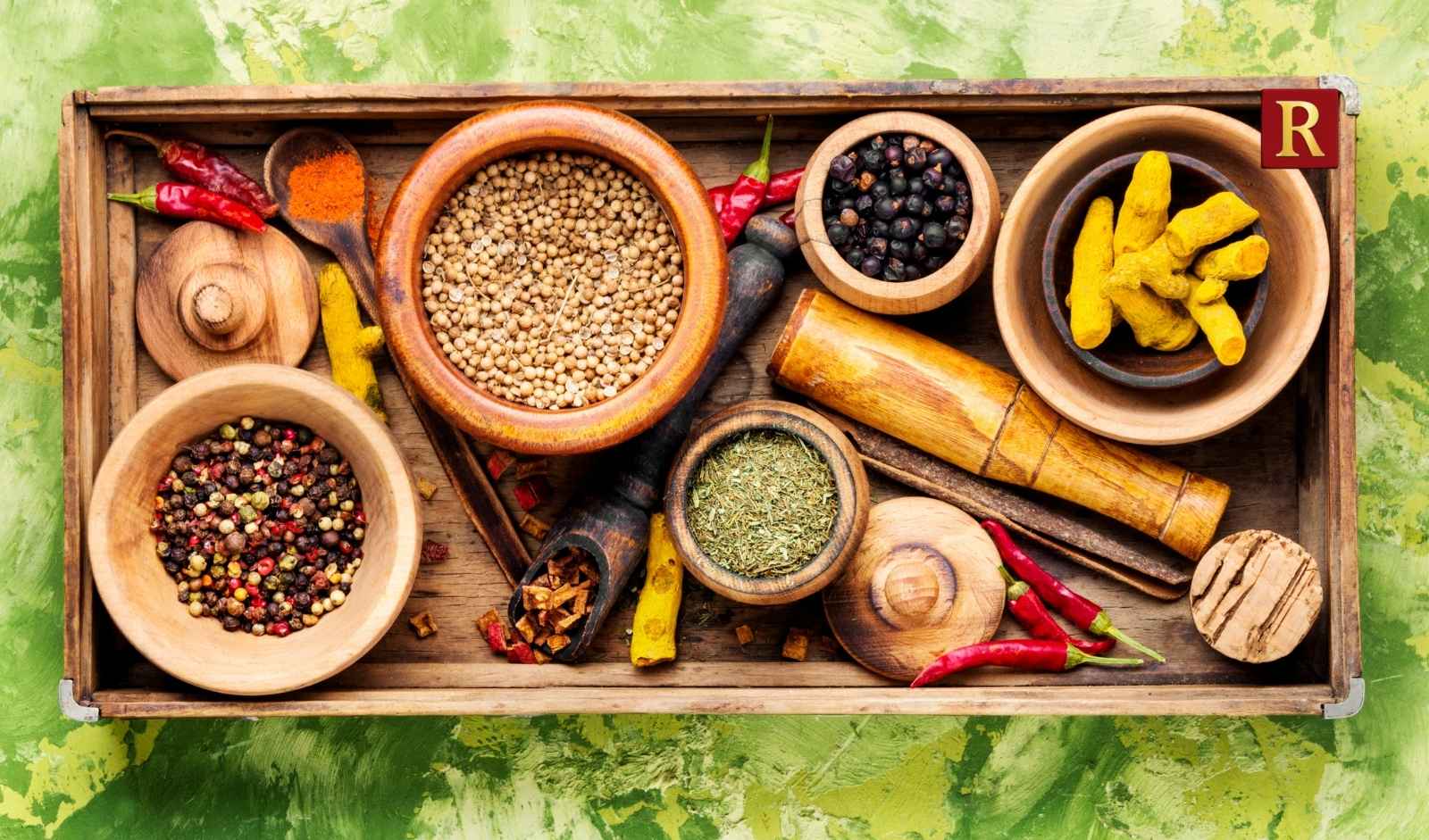
For many years, restaurant menus across India followed a familiar pattern. Butter chicken, paneer tikka, dal makhani, naan, biryani, and a few Indo-Chinese dishes dominated dining tables. While these classics remain popular, they represent only a small part of India's vast culinary heritage.
Today, consumers are looking for something more authentic. They want dishes that reflect the traditions of a particular region, community, or even a single village. From smoked Naga pork and Kodava pandi curry to Kumaoni bhatt ki churkani and Malvani seafood, regional cuisines are finding a much larger audience than ever before. This shift is changing how restaurants design menus, source ingredients, and tell their stories. Instead of offering a generic "Indian" menu, many brands are celebrating India's rich regional diversity to create memorable dining experiences.
India's Culinary Diversity
India has one of the world's most diverse food cultures. According to the Ministry of Tourism, the country has 28 states, 8 Union Territories, hundreds of communities, and thousands of traditional recipes, each shaped by local geography, climate, farming practices, and history. Yet restaurant menus often presented Indian cuisine as a handful of North Indian dishes.
Modern consumers are now questioning this limited representation. Better travel opportunities, digital content, and food-focused television shows have exposed people to cuisines they had never heard of before. As diners become more informed, they are actively seeking flavours that feel authentic rather than standardised. For restaurants, this growing curiosity presents an opportunity to move beyond familiar recipes and introduce customers to India's lesser-known culinary traditions.
Consumers Want Food That Tells a Story
Dining today is no longer only about satisfying hunger. Many people want every meal to have a story behind it.
They are interested in learning:
- Where a dish comes from
- Why certain spices are used
- How local communities prepare it
- What makes it unique from similar dishes
For example, Chettinad cuisine from Tamil Nadu is famous for its complex spice blends, while Mappila cuisine from Kerala reflects centuries of Arab trading influence. Kodava food from Coorg highlights locally grown pepper, pork, and forest ingredients, whereas Kashmiri Wazwan showcases elaborate royal cooking traditions. When restaurants explain these stories through menus or trained staff, customers often develop a stronger connection with the food. This creates a richer dining experience that goes beyond taste alone.
Social Media Has Changed Food Discovery
Social media has become one of the biggest drivers behind the rise of regional Indian cuisine. Instagram Reels, YouTube travel creators, and food bloggers regularly showcase hidden food destinations across India. A single viral video featuring bamboo shoot curry from Nagaland or Bhutte Ka Kees from Madhya Pradesh can introduce millions of viewers to dishes they have never seen before. Consumers now arrive at restaurants already familiar with regional specialties. Instead of ordering familiar curries, they are willing to try dishes like:
- Sol Kadhi from Maharashtra
- Gongura Mutton from Andhra Pradesh
- Siddu from Himachal Pradesh
- Smoked Pork from Nagaland
- Patrode from Karnataka
- Chhurpi-based dishes from Sikkim
This digital exposure has made regional cuisines more accessible than ever.
Authenticity Has Become More Valuable Than Familiarity
Modern diners increasingly associate authenticity with quality.
Many restaurants are responding by using:
- Traditional cooking techniques
- Freshly ground spice mixes
- Indigenous ingredients
- Seasonal vegetables
- Handmade accompaniments
- Recipes passed down through generations
Consumers appreciate these details because they create flavours that cannot easily be copied. Research from the National Restaurant Association of India (NRAI) has consistently highlighted that diners are placing greater importance on quality ingredients, authentic experiences, and unique menu offerings rather than simply looking for familiar dishes. Restaurants that invest in genuine regional cooking often enjoy stronger customer loyalty because guests feel they are experiencing something distinctive.
Hyper-Regional Menus
One of the biggest developments in India's restaurant industry is the rise of hyper-regional dining. Rather than representing an entire state, some restaurants now focus on a specific district, community, or culinary tradition.
Examples include restaurants specialising in:
- Malvani coastal cuisine
- Bihari home-style cooking
- Garhwali mountain food
- Angami Naga cuisine
- Awadhi royal cuisine
- Coorgi specialties
- Konkan seafood
This specialised approach helps restaurants stand out in an increasingly crowded market. Instead of competing with hundreds of restaurants serving similar menus, these brands create a unique identity that customers remember.
Local Ingredients Are Driving New Menu Innovation
Consumers are also becoming more interested in ingredients that were once considered too regional for mainstream restaurant menus. Several indigenous ingredients are now appearing in fine dining restaurants, cafés, and modern cloud kitchens.
These include:
- Ragi
- Jowar
- Little millet
- Barnyard millet
- Kokum
- Bamboo shoots
- Jackfruit
- Roselle leaves
- Black rice
- Native rice varieties
- Gondhoraj lemon
- Bhut Jolokia chilli
Many of these ingredients support sustainable farming because they are naturally suited to local climates and often require fewer agricultural inputs than commercially grown alternatives. The United Nations declared 2023 as the International Year of Millets, bringing global attention to traditional grains that have been part of Indian diets for centuries. Since then, millet-based dishes have become increasingly common across restaurant menus.
Consumers Are Paying for Experiences, Not Just Meals
Restaurant visits are becoming experience-led rather than purely transactional.
Many diners are willing to spend more when restaurants offer:
- Regional tasting menus
- Chef storytelling sessions
- Seasonal festivals
- Live traditional cooking
- Limited-time regional specials
- Ingredient-focused menus
These experiences make dining more memorable while encouraging customers to explore unfamiliar cuisines. Restaurants also benefit because experiential dining increases customer engagement, generates social media content, and encourages repeat visits.
Technology Helps Preserve Authentic Regional Flavours
Expanding regional cuisine across multiple outlets requires consistency. Restaurants are increasingly using digital kitchen management systems to standardise recipes without losing authenticity.
Modern restaurant technology supports:
- Standardised recipe documentation
- Ingredient traceability
- Portion control
- Inventory monitoring
- Quality checks across locations
These systems ensure that a regional dish prepared in one city delivers a similar experience elsewhere while respecting traditional cooking methods. Technology also helps restaurants manage seasonal ingredients, forecast demand, and reduce food waste, making regional menus more practical to scale.
Challenges Still Exist
Despite growing demand, serving authentic regional cuisine is not always easy.
Restaurants often face challenges such as:
- Limited availability of indigenous ingredients
- Seasonal supply fluctuations
- Higher sourcing costs
- Training chefs in traditional techniques
- Educating customers about unfamiliar dishes
Some ingredients also have short shelf lives, while others must be sourced directly from specific regions to maintain authenticity. Successful restaurants overcome these challenges by building partnerships with local farmers, working with regional suppliers, and continuously training their kitchen teams.
The Future
The idea of "Indian cuisine" is becoming more detailed and diverse. Consumers no longer see India's food culture as a single category. They recognise that every region has its own ingredients, cooking methods, traditions, and flavours worth exploring. This change is creating exciting opportunities for restaurants. Those that embrace regional identities can offer richer dining experiences, stronger brand differentiation, and deeper customer connections. As food tourism grows, digital discovery expands, and consumers continue seeking authentic experiences, regional Indian cuisine is likely to become one of the defining forces shaping the country's restaurant industry. The future of Indian dining is not about replacing beloved classics. It is about giving equal recognition to the thousands of local flavours that have always been part of India's remarkable culinary heritage.
Saptopriya Ghosal
Feature Writer
I am a dedicated media professional with a bachelor's degree in mass communication from the State University of Calcutta and a postgraduate degree from Amity University. My academic journey has equipped me with a profound understanding of storytelling and communication. Passionate about the dynamic world of media, I continually strive to explore new ways to engage and inform through compelling narratives.



































































































































































