Why Coffee Retail is Moving from Beans to Complete At-Home Experiences
For retailers, this means selling not just better coffee, but a better, easier and more personalised coffee routine.

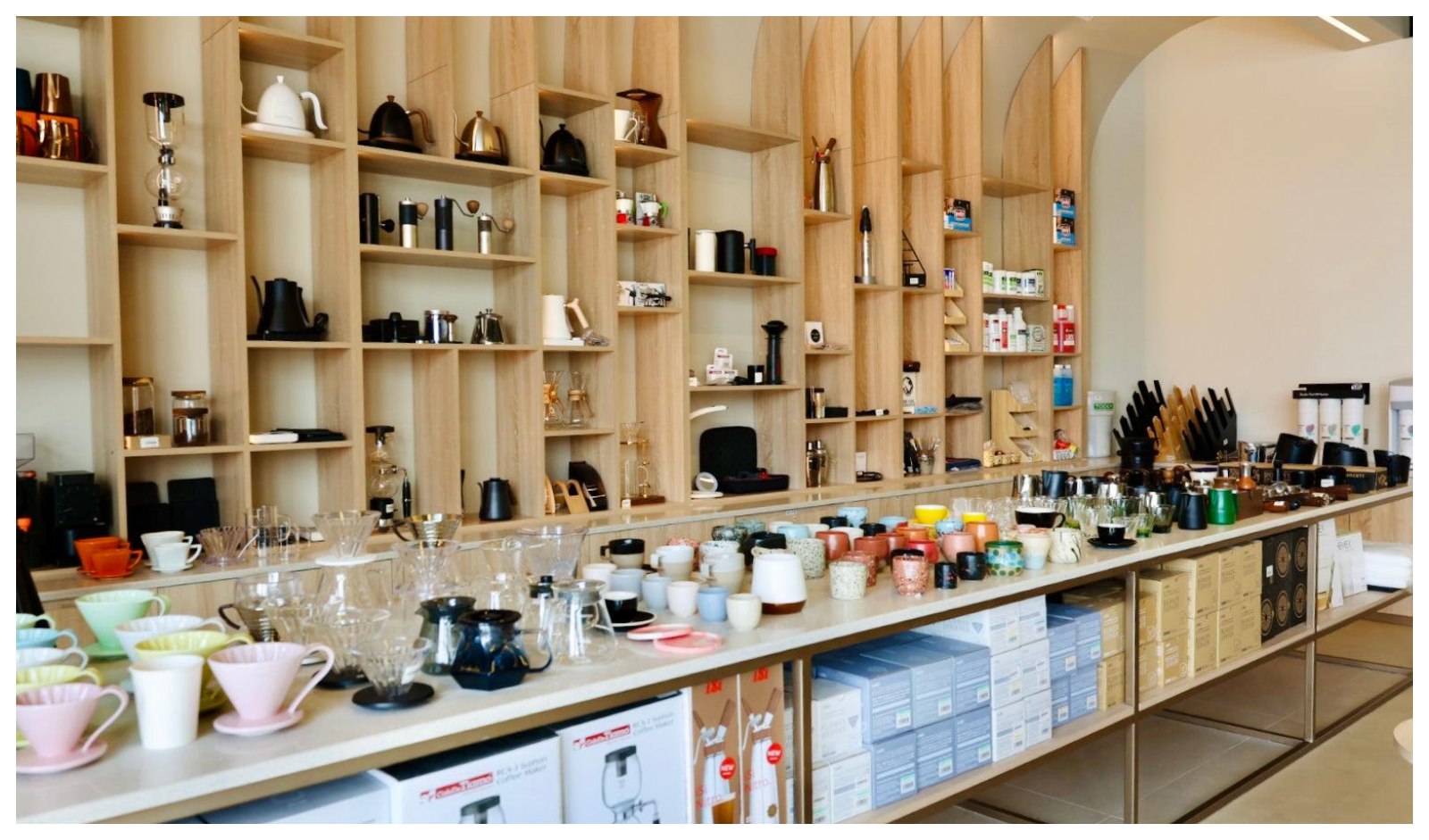
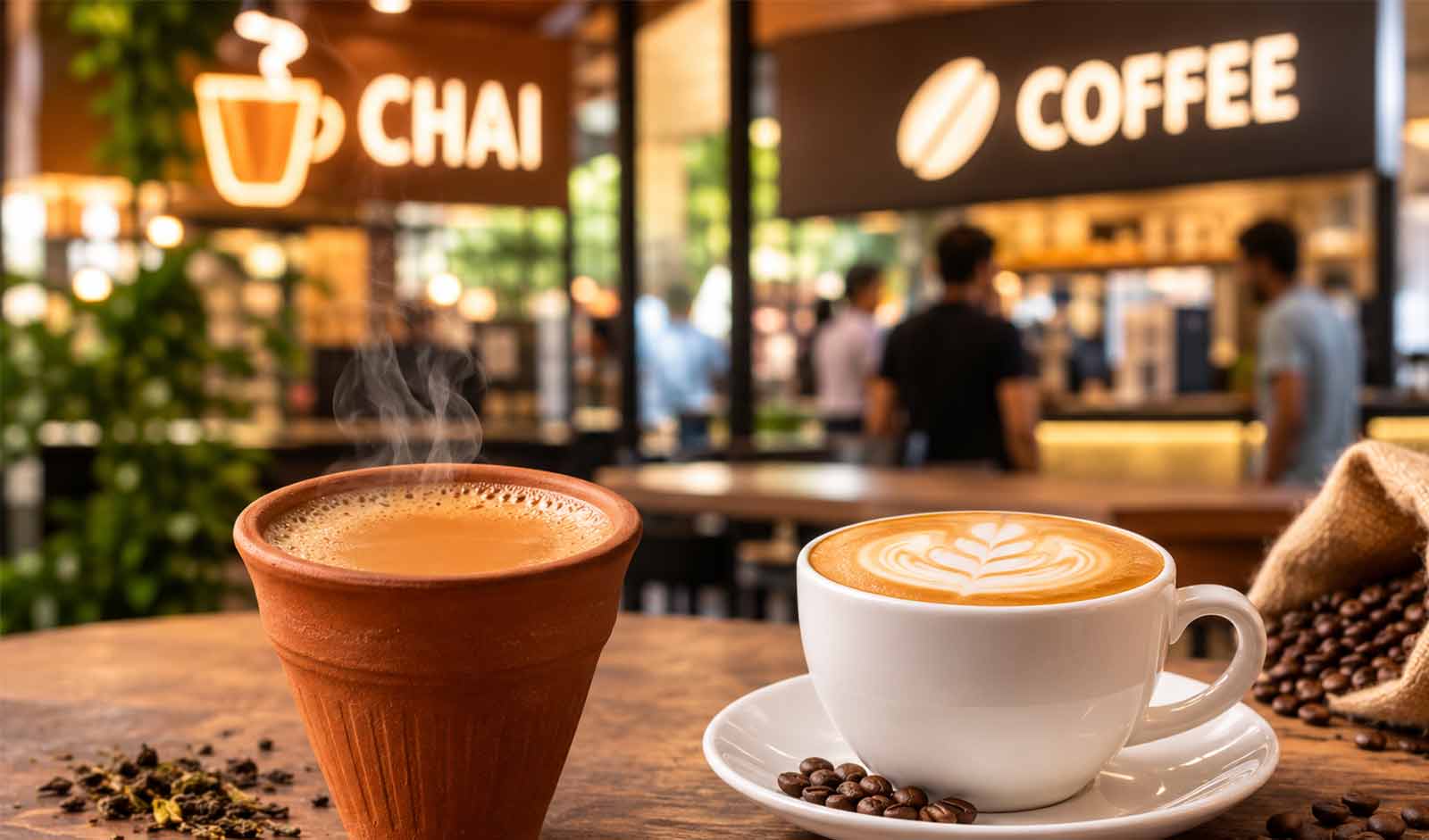
Coffee retail is moving beyond beans; it is no longer viewed as a commodity. The opportunity now lies in the wider at-home experience—from machines and grinders to brewing tools, recipes and subscriptions. In India, as coffee becomes more premium and lifestyle-driven, home consumption is also creating new demand. For retailers, this means selling not just better coffee, but a better, easier and more personalised coffee routine.
From Selling Coffee to Selling the Coffee Ritual
Coffee retail was once simple: buy the beans, brew and drink. Today, the journey is expanding to grinders, machines, brewing tools and accessories as more consumers build coffee routines at home.
As per IMARC, India’s coffee-machine market is projected to reach US$344 million by 2034. For retailers, this means a coffee pack is no longer the only sale. The bigger opportunity is to sell the machine, the beans and everything that keeps the ritual going.
Sharing his views, Parimal Shah, Founder, Cherise India said, “Once coffee becomes a lifestyle purchase, consumers tend to spend across the ecosystem rather than on the beverage alone. A person who becomes more involved in coffee may move from simply buying beans to investing in a machine, grinder, brewer or other accessories that improve the preparation process. This creates opportunities for retailers to build larger baskets through complementary products and bundled experiences.”
More importantly, equipment can deepen engagement with the category because it turns coffee preparation into part of the consumer's daily ritual rather than just another grocery purchase.
Café Experience at Home
The café experience has become more about the quality and personalisation of the beverage. Consumers are becoming more confident about exploring different coffees, preparation styles and formats at home, particularly as brewing technology becomes easier to use.
Gautam Sharma, Founder, Elevens Coffee said, “As the Indian consumer is evolving and looking for quality, convenience and consistency, it's opening up avenues for new players. For a younger, urban consumer, coffee is becoming an everyday ritual and lifestyle choice, rather than just a beverage.”
Mintel’s 2026 research points to premium home coffee, café-style iced drinks and coffee equipment as key ways to add value to the at-home experience.
“We're seeing demand across every price segment simultaneously from entry-level manual brew kits for specialty coffee enthusiasts to mid-range semi-automatic machines for espresso and milk-based drinks, all the way up to aspirational barista-level machines for homeowners building dedicated coffee corners,” shared Abhinav Mathur, Founder & MD, Something’s Brewing.
“Younger consumers in particular are treating coffee as part of their lifestyle, whether as a morning ritual, a workday break or an occasion to experiment with different flavours. This is creating demand for products that can deliver consistency and a more elevated experience without requiring professional-level expertise,” added Shah.
Value-added opportunity
The value-added opportunity lies in guiding consumers through the complete coffee journey. Retail can move beyond just selling a packet of beans to helping people understand which coffee suits their palate, how it should be brewed and which equipment brings out its best flavours.
“A physical store can become a discovery centre where consumers can taste different coffees, explore various brewing methods, learn how to use equipment and take that experience home. In this way, the café and retail environment can complement each other rather than operate as separate businesses,” commented Rupal Jain, Founder of Bombay Island Coffee.
Sharma noted, “Once consumers adopt a system they enjoy, the relationship can extend beyond the initial purchase through repeat coffee purchases, new flavours, discovery packs and gifting. Retail and experiential formats can further strengthen this relationship by allowing consumers to discover the category firsthand.”
The US shows how this trend is evolving. NCA’s 2026 data found that 85% of past-day coffee drinkers had coffee at home, while 48% had specialty coffee—the highest level recorded. Espresso-based drinks also hit a record high.
Coffee Education & Convenience
Convenience is no longer seen as separate from quality. Consumers increasingly expect both, which is why formats such as capsules, concentrates, instant speciality coffee and ready-to-brew options are finding greater relevance.
“At the same time, the speciality category needs to become easier to understand for a wider consumer base. The more approachable the category becomes, the easier it is for consumers to explore it with confidence,” mentioned Shah.
Mathur said, “Our workshops have been sold out every weekend for three months running across Delhi, Surat, and Bangalore. That tells you everything. Convenience is the entry point - our Budan One Touch machine needs nothing more than a button press. But knowledge is what keeps people engaged. Once the habit is formed, customers naturally want to go deeper - better beans, better technique, better equipment. Education isn't a value-add for us. It's a core part of what we sell.”
Equipment: Creating Bigger Market
The machine is the highest-value transaction anywhere from ₹15,000 to ₹10 lakhs. But the machine is also a one-time purchase. The recurring revenue from beans, filters, and accessories is where the long-term business is built.
“Our Explorer Box a bi-monthly curated subscription of specialty beans is the bridge between the first machine purchase and a lifelong relationship with the brand,” pointed Mathur who also added that the lifetime value of a serious home brewer compounds significantly over time, and that's the customer we've designed our entire ecosystem around.
Coffee technology and specialty coffee can sometimes feel intimidating or overly technical to the everyday consumer. Sharma added, “Brands need to simplify the conversation around coffee, focusing on taste, convenience and the experience rather than jargon. Affordability and easy discovery will also be important in taking these systems beyond existing coffee enthusiasts.”
From a business perspective, a machine can have greater long-term value than an individual coffee pack because it can establish an ongoing consumption cycle. Once a consumer adopts a particular system, future purchases of coffee, capsules, filters and other consumables become part of that relationship. This shifts the focus from the value of a single transaction to the lifetime value of the consumer.
“Subscription models, direct-to-consumer sales and automated replenishment can further strengthen this recurring revenue opportunity, making retention and continued consumption increasingly important to the economics of the category,” highlighted Shah.
As the category expands, brands must maintain quality across sourcing, roasting, brewing and the final at-home experience, without making specialty coffee feel complicated or intimidating.
Vijetha Iyer
Content Editor
Working as a Content Editor with Restaurant India. I have worked in various sectors like food and beverage sector, chemicals, pharma, nutraceuticals, now specially focusing on restaurant side. But my core knowledge was always on content. Be it writing poems to verses, I always loved writing and have been exploring my career on the same. In Restaurant India, I deliver insightful stories, take interviews of various brands and update the audiences about the newest happenings in the restaurant industry.