Why Carbonation Is Becoming a Culinary Tool
That is where the technique becomes more than a visual trick. It becomes a practical tool for designing how a dish or drink is experienced from the first sip or bite to the last.

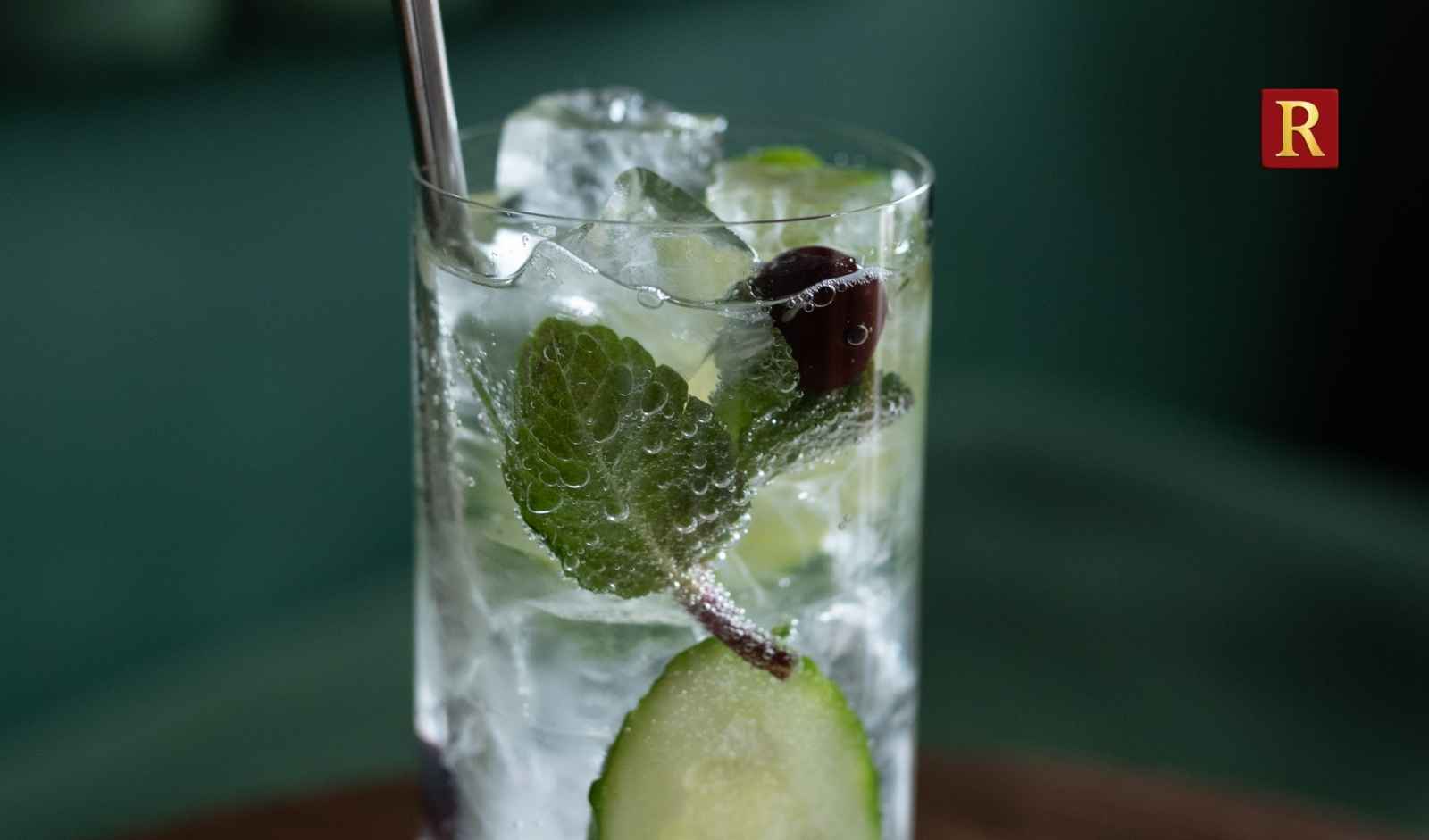
Carbonation is no longer limited to soda, sparkling water and beer. Chefs and bartenders are increasingly using carbon dioxide (CO₂) to change how food and drinks taste, feel and behave. From carbonated fruit and cocktails to lighter batters, the technique is becoming another way to control texture and sensory experience. For restaurants, this matters because carbonation can give familiar ingredients a different character without completely changing their identity. In India, that could mean taking flavours such as kokum, nimbu, aam panna or jaljeera and exploring them through controlled effervescence.
Carbonation Is About More Than Bubbles
At its simplest, carbonation means dissolving CO₂ into a liquid under pressure. When that pressure is released, the dissolved gas begins to escape as bubbles.
- The chemistry is straightforward: CO₂ + H₂O ⇌ H₂CO₃
Some dissolved CO₂ reacts with water to form carbonic acid. This contributes to the characteristic sharpness associated with carbonated drinks. But the culinary importance of carbonation goes beyond acidity. Research has found that CO₂ produces both chemical and sensory responses in the mouth. One study identified carbonic anhydrase 4 as an important CO₂ sensor and showed that carbonation activates sensory pathways linked to the perception of the gas. That explains why carbonation feels like more than liquid with bubbles. It creates a distinct physical sensation. A 2026 study involving young adult consumers found that cooling was identified by 93.3% of participants, carbonation by 86.7%, bite by 83.3% and overall fizziness by 76.7% as important texture characteristics of carbonated beverages. For chefs, this makes carbonation a useful sensory variable.
Why Carbonation Can Change Flavour Perception
One of the more interesting aspects of carbonation is its relationship with aroma. Research on mint-flavoured carbonated beverages found that CO₂ increased aroma perception. Carbonated drinks released a greater quantity of aroma compounds into the nose space than non-carbonated versions. This gives carbonation a role beyond refreshment. A sparkling kokum drink, for example, may not simply taste like kokum with bubbles. The carbonation can alter how the acidity, aroma and mouthfeel are experienced together. A recent 2026 study also found that dissolved CO₂ can affect saliva and increase sourness perception during oral processing. This is why carbonation needs to be balanced carefully. More gas does not automatically mean a better drink.
The Crispness Connection: Carbonated Water in Batter
Carbonation can also influence texture. Carbonated water is commonly used in some tempura-style batters. The bubbles can contribute to a lighter coating, while chilled liquid helps keep the batter cold and can improve its consistency. However, carbonation is only one part of the process. Flour type, mixing, batter temperature, oil temperature and frying time still determine the final result. Treating soda water as a guaranteed shortcut to crisp food would oversimplify the science. The more accurate explanation is that dissolved gas can contribute to the structure of the batter as it heats and escapes. That makes carbonation interesting as a texture-supporting technique, rather than a standalone solution.
Carbonated Fruit Turns Familiar Ingredients Into a New Experience
Fruit is another area where carbonation can become particularly interesting. Grapes, strawberries and other high-moisture fruits can be exposed to CO₂ under pressure. When the gas becomes incorporated into the fruit and is later released during eating, the result can produce a noticeable tingling sensation. Indian bartenders are already experimenting with carbonated fruit as a garnish. Perfect Serve India highlights applications including carbonated grapes and strawberries, along with directly carbonated cocktails and carbonation-assisted flavour techniques. This approach has strong potential for tasting menus. A grape is already familiar. A carbonated grape changes the eating experience without requiring an unfamiliar ingredient. That is useful for chefs looking for innovation that remains approachable.
Indian Flavours Could Benefit From the Technique
India already has a long relationship with sparkling drinks. Nimbu soda is perhaps the most obvious example. It combines citrus, sweetness, salt and carbonation in a format that is familiar across the country. The next opportunity is to apply the same thinking more deliberately to regional flavours.
Consider:
- Kokum: a sparkling kokum aperitif
- Aam panna: a carbonated summer cooler
- Jaljeera: a savoury sparkling drink
- Sol kadhi: an experimental lightly carbonated serve
- Sattu: a sparkling savoury beverage concept
- Kanji: a carbonated fermented drink concept
- Seasonal fruit: carbonated garnishes for cocktails and desserts
These are culinary possibilities rather than claims that all are established restaurant trends. There is, however, evidence of commercial interest in the broader category. A CSIR-CFTRI technology profile lists carbonated fruit beverages made using mango, grapes, lime and orange, with applications across beverages, restaurants, cafés, cocktails and mocktails. The technology is listed as already commercialised.
Bars Are Taking Carbonation More Seriously
The beverage industry is arguably where carbonation is becoming most sophisticated. Indian bar programmes are experimenting with directly carbonated cocktails, house-made sodas, fermented mixers, carbonated fruit and carbonation-based infusion techniques. Perfect Serve India describes these applications as part of the evolving Indian cocktail scene.
The technical details can be surprisingly precise. For example, one Indian bar setup described by Perfect Serve India uses an extremely cold chilling system and triple-charges bottled highballs overnight to allow CO₂ to dissolve gradually. The objective is consistent carbonation and fine bubbles. This highlights an important point: good carbonation is a process-control issue. Temperature, pressure, liquid composition and time all matter.
Temperature and Pressure Are Critical
Cold liquids generally retain dissolved CO₂ better than warmer liquids. Pressure also determines how much gas can be dissolved into the liquid.
Once the container is opened, pressure drops and CO₂ begins leaving the liquid. This is why service timing matters. A drink that is perfectly carbonated when prepared can lose its intended texture if it sits too long before reaching the guest. Bubble characteristics also influence sensory perception. Research has linked bubble and foam properties with mouthfeel, aroma release and taste and aroma perception. For professional kitchens and bars, consistency therefore matters as much as creativity.
Carbonation Can Influence Texture Beyond Drinks
The technique does not have to stop with beverages. Food researchers have studied bubble-containing foods, including chocolate, and found that bubbles can significantly change texture, chew and mouthfeel. Different gases can produce different sensory effects. This creates possibilities for modern pastry and dessert kitchens.
Carbonation and controlled gas incorporation can be explored in:
- Aerated chocolate
- Fizzy confectionery
- Carbonated fruit
- Frozen desserts
- Dessert garnishes
- Foams and other aerated preparations
But carbonation should not be confused with every form of aeration. Air, nitrogen, nitrous oxide and CO₂ behave differently and create different sensory results. That distinction is important when discussing food technology accurately.
What Carbonation Adds to a Restaurant Menu
For restaurant professionals, the biggest opportunity is not simply creating something unusual. It is using CO₂ to solve a sensory or presentation objective.
A chef might use it to:
- Create contrast: Add a fizzy element to an otherwise soft dessert.
- Lift a drink: Give a regional fruit beverage a sharper, lighter finish.
- Add texture: Use carbonation as one component of a crisp batter.
- Increase aroma impact: Take advantage of CO₂'s influence on aroma release.
- Modernise familiar flavours: Present traditional Indian ingredients in a contemporary format.
- Strengthen zero-proof menus: Carbonation can give non-alcoholic drinks more texture and energy without relying on alcohol.
The result can be innovative without becoming disconnected from the food's identity.
The Real Opportunity Is Controlled Carbonation
Carbonation is unlikely to replace conventional cooking techniques. It does not need to. Its value is that it adds another variable to the chef's toolkit. A modern kitchen already works with heat, acid, salt, sugar, fat, fermentation and texture. Controlled carbonation adds dissolved gas and pressure to that list. The most useful question is therefore not, "What can we make fizzy?"
It is: "What does carbonation add to this ingredient?" If the answer is better texture, greater aroma release, a sharper sensory contrast or a more interesting way to experience a familiar flavour, then carbonation has a genuine culinary purpose. That is where the technique becomes more than a visual trick. It becomes a practical tool for designing how a dish or drink is experienced from the first sip or bite to the last.
Saptopriya Ghosal
Feature Writer
I am a dedicated media professional with a bachelor's degree in mass communication from the State University of Calcutta and a postgraduate degree from Amity University. My academic journey has equipped me with a profound understanding of storytelling and communication. Passionate about the dynamic world of media, I continually strive to explore new ways to engage and inform through compelling narratives.