
Why Cafés Are Chasing Repeat Visits, Not Just New Customers
According to World Coffee Portal, India’s branded coffee-shop market reached 5,339 outlets in 2025, adding around 600 stores in a year.

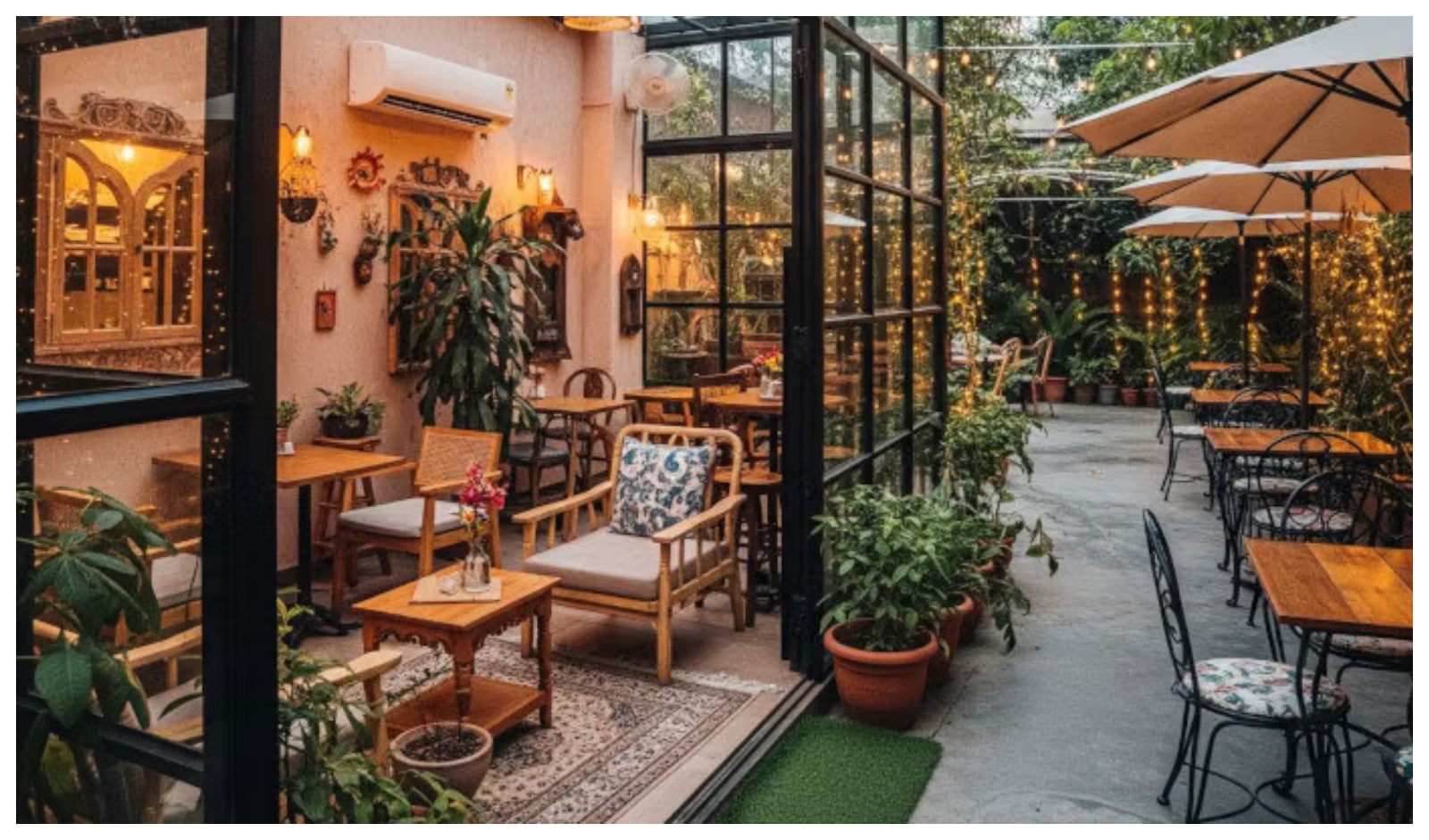
For years, cafés focused on attracting new customers. Now, the bigger opportunity is getting existing customers to return more often. There’s no denying that a weekly visitor is valuable. But a customer who stops by every morning for coffee, returns for a snack and occasionally brings a friend is far more valuable.
According to World Coffee Portal, India’s branded coffee-shop market reached 5,339 outlets in 2025, adding around 600 stores in a year. As competition intensifies, cafés are looking beyond new footfall to find smarter ways to increase visits, frequency and customer value. Cafés don’t always need more customers. Sometimes, they simply need existing customers to come back one more time. And a customer doesn’t have to visit every day to become a regular.
When Each Visit Counts
Cafés don’t always need more customers; they simply need existing customers to come back whether they are coming twice a week or twice a month. It’s about the comeback ratio. Take 1,000 customers visiting four times a month at an average spend of ₹250. That generates ₹10 lakh in monthly revenue. Increase frequency to five visits, and the same customer base generates ₹12.5 lakh, a 25% increase without acquiring a single new customer.
“We've seen customers come in for coffee one day, lunch another, bring a friend the next time, and perhaps order something to take home. What matters is becoming part of their routine. Once you're a place someone feels comfortable walking into without having to think about it, the relationship changes. And a regular's value extends well beyond their own spend,” shared Rohit Dadlani, Co-Founder of Pause Mumbai.
The “second cup” doesn’t always mean another coffee. It could be a sandwich at lunch, an iced drink in the afternoon, a dessert in the evening or a delivery order from a customer who visited earlier. The opportunity is to give customers more reasons to return and at different times of the day.
“The second-cup culture has also changed how cafés need to think about their spaces. Comfortable seating, charging points, Wi-Fi and an atmosphere where people are happy to spend a little more time naturally lead to another coffee, dessert or snack being ordered,” added Eesha Sukhi, Founder of Bluebop Café and Bar.
Breakfast can capture the morning crowd, snacks and cold beverages can drive afternoon visits, while desserts and indulgent drinks can bring customers back in the evening. The point isn’t to keep adding items to the menu. It’s about creating more occasions to visit.
“The second cup isn’t always another coffee. The food plays a major rule as that’s where food becomes more than an add-on, it becomes the bridge to the next visit,” pointed Anjali Gupta, Founder of Third Table, Goa.
And the opportunity extends well beyond mornings. Around one-third of branded coffee-shop visits in India happen after 5pm, showing that café demand is no longer confined to the traditional morning coffee occasion.
Habit Beats Discounts
Discounts can drive a transaction, but they rarely build a habit. “Habit comes from becoming part of someone’s everyday routine. That’s why the idea of the ‘third place’ is becoming a real revenue engine,” added Gupta.
Restaurateurs also believed that loyalty programs should therefore reward frequency and not only the amount spent. “A guest coming in three times a week should feel recognised, even if the bill value is small. I believe stronger repeat business can add around 10–20% to revenues” commented Sukhi.
Simple rewards after a certain number of visits, personalised offers or even remembering what a regular customer likes can make a difference. The challenge is not to make loyalty only about discounts.
Vijetha Iyer
Content Editor
Working as a Content Editor with Restaurant India. I have worked in various sectors like food and beverage sector, chemicals, pharma, nutraceuticals, now specially focusing on restaurant side. But my core knowledge was always on content. Be it writing poems to verses, I always loved writing and have been exploring my career on the same. In Restaurant India, I deliver insightful stories, take interviews of various brands and update the audiences about the newest happenings in the restaurant industry.









































