
Why Asian Beverages are Becoming India’s Coolest Café Trend
Asian flavours being vibrant, versatile and social-media friendly are perfectly positioned to ride the next growth curve.

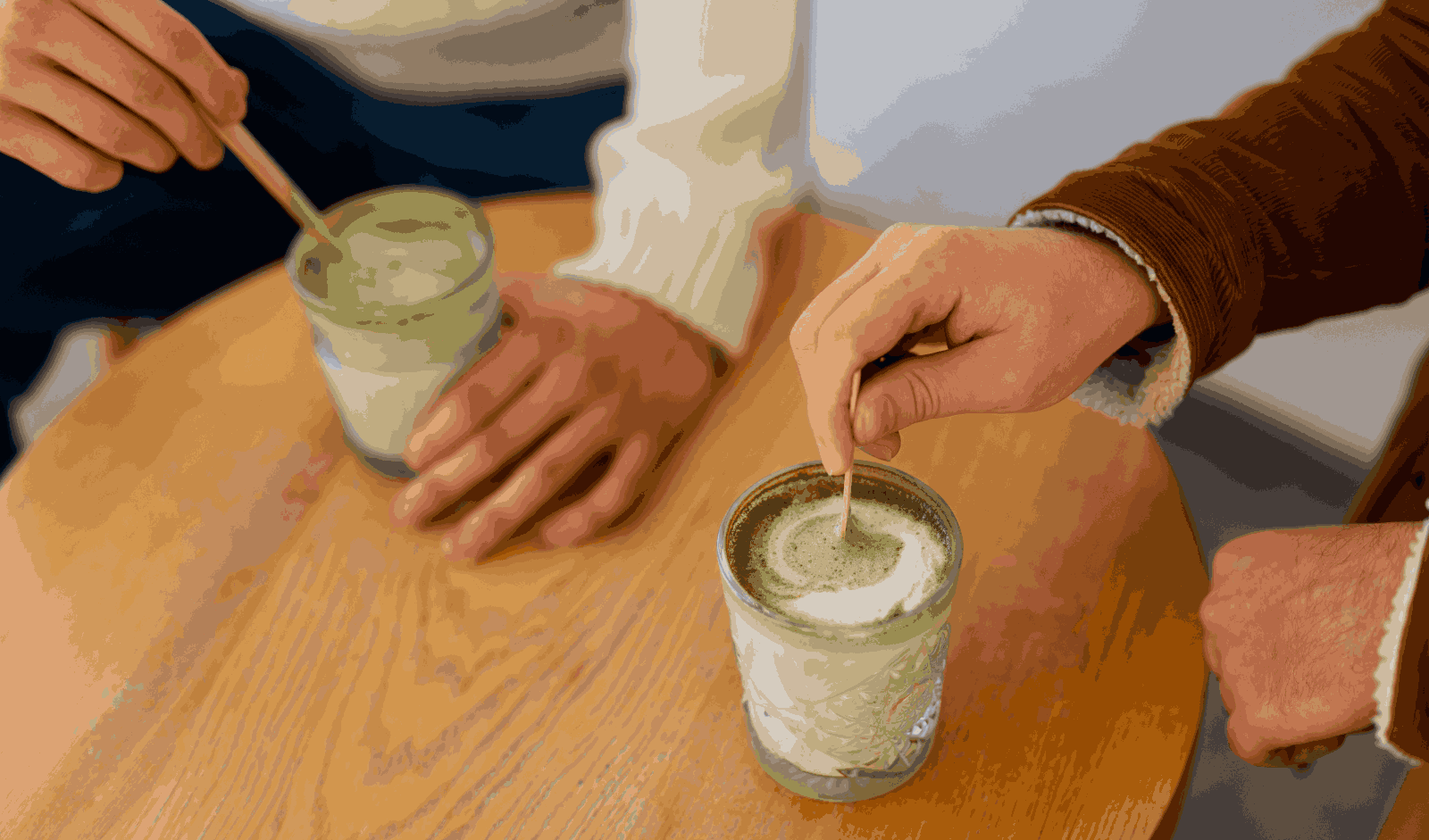
Asian flavours have been dominating the food menus in Indian restaurants for years, but now they have taken over beverages too. Cafe menus once defined by cappuccinos and cold brews are now filled with matcha lattes, hojicha drinks, vietnamese coffee and bubble tea. And this shift is being led by younger Indian consumers, Gen Z.
Swiggy’s How India Eats 2025 report shows the scale of this shift: Korean cuisine is growing 17x, Vietnamese 6x and Japanese 2.8x. These numbers are reshaping what young consumers expect to find in their neighbourhood cafes. Searches reflect this curiosity too, with matcha growing 4x over five years and boba searches rising 11x.
What’s Leading the Asian-Beverage Boom
India’s evolving palate and rising preference for cold beverages have created fertile ground for new beverage categories. Cold beverages today are growing 60 per cent faster than hot beverages, widening the runway for everything from iced matcha to fruit-forward boba teas.
For Suhas R, founder of Matcha & Mocha Cafe, this shift became obvious almost immediately. “When we started, matcha was mildly popular but as the trend picked up, we began getting search traffic from Instagram. Matcha became viral, and people randomly wanted to try it,” he recalled.
The cafe began with three matcha flavours; it now has 11 to 12, driven entirely by demand. Weekend matcha sales today equal his entire daily sales from a year ago, he shared, a sign of how rapidly consumer preferences are shifting. And, today, 60 per cent of his revenue comes from matcha-based drinks.
Similarly, Boba Bhai, a QSR chain focused on boba tea and Korean food, scaled rapidly because India was primed for a refreshing, customisable drink. As founder Dhruv Kohli pointed “Weather plays a part too. India is tropical and until now there wasn’t much innovation in cold beverages. Bubble tea arrived at the right time.”
What Gen Z Want
Gen Z’s influence is unmistakable: they experiment more, transact more digitally and explore cafés as social spaces. Their dining-out cohort is growing 3x faster than older age groups, and restaurants now spend nearly 75 per cent of marketing budgets on digital channels to capture their attention, shared the Swiggy report.
Harika Ganeshni Bommana, founder of Grumpy Girl Coffee, sees this behaviour daily. “Asian-inspired flavours aren’t just a trend anymore, they’re becoming part of the everyday Indian palate,” she said. Young customers often seek out the cafe specifically to try her miso caramel latte, shoyu latte or spicy guava espresso tonic. The experience is interactive: they come to experiment and return with friends to share discoveries.
Boba Bhai’s Dhruv Kohli sees similar patterns across cities. “Tier-2 and tier-3 consumers have increased appetite for spending and more time to explore,” he shared emphasizing that the curiosity is no longer metro-specific. In fact, Boba Bhai is now active in 179 cities on Blinkit alone and sells 80,000 to 100,000 cans a month on quick-commerce platforms.
Travel exposure has also widened palates. As Kohli pointed out, “Asian flavours adapt well to Indian palates as they use ginger, garlic and spice similar to Indian curries.” This makes the transition feel familiar rather than foreign, even in cities just beginning their cafe evolution.
Innovation and Experimentation
While the demand is high, cafe owners aren’t simply riding the trend; they are adapting these drinks for Indian palates.
At Grumpy Girl Coffee, experimentation is constant. Harika explained, “Honestly, many ideas start as my midnight notes,” but every drink goes through customer tasting, feedback rounds and careful balancing.
Boba Bhai, meanwhile, has leaned into novelty and scale simultaneously. They launched India’s first domestically produced bubble tea in a can, designed for q-commerce. They also broke category conventions by pairing bubble tea with Indian foods. As Kohli said, “Everybody else was selling bubble tea alone; pairing it with Indian food attracted Gen Z and millennials.”
Future of Asian Beverages
Despite the buzz, India is still early in its Asian-beverage journey. Bubble tea in India is projected to grow from USD 450 million in 2024 to nearly USD 930 million by 2033. Matcha, now an INR 870 crore market, is expected to grow to INR 1,400 crore by 2030. This aligns with Suhas’s belief that matcha will become “the next big beverage category” and eventually a default order, the way coffee is today.
As Harika observed, India is moving towards deeper, layered flavours like sesame, yuzu, hojicha and fermented beverages, echoing global wellness trends. Kohli sees the same wave: hojicha is picking up, and nostalgia-driven Indian flavours like kala khatta are entering premium beverage menus.
With organised food service projected to cross USD 125 billion by 2030, cafes have every incentive to experiment. And Asian flavours being vibrant, versatile and social-media friendly are perfectly positioned to ride that growth curve.
Saumyangi Yadav
Senior Correspondent
Saumyangi is a Senior Reporter with over three years of experience in journalism and a strong passion for writing and storytelling. She covers D2C and consumer brands for Entrepreneur India and contributes to Restaurant India, where she writes about restaurants, cafés, and whatever is new and exciting in the F&B world. She has previously covered education, social, and civic issues, and continues to enjoy exploring new stories in Bengaluru and beyond.









































