When Street Food Becomes a Brand: What Happens Next?
India's street-stall and kiosk category continues to be shaped by affordability, convenience and regional food, while organised players are expanding alongside a much larger base of independent operators.

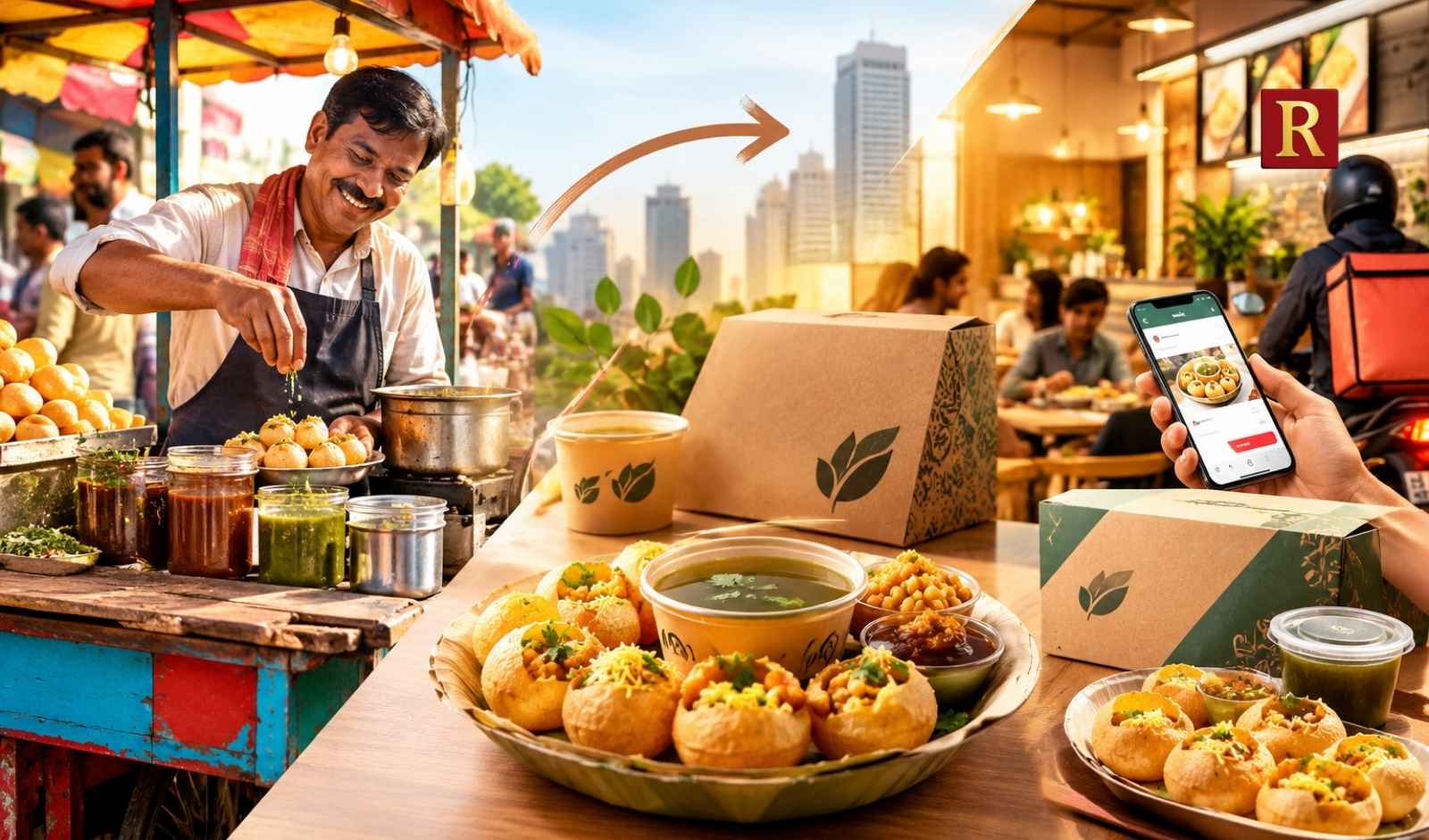
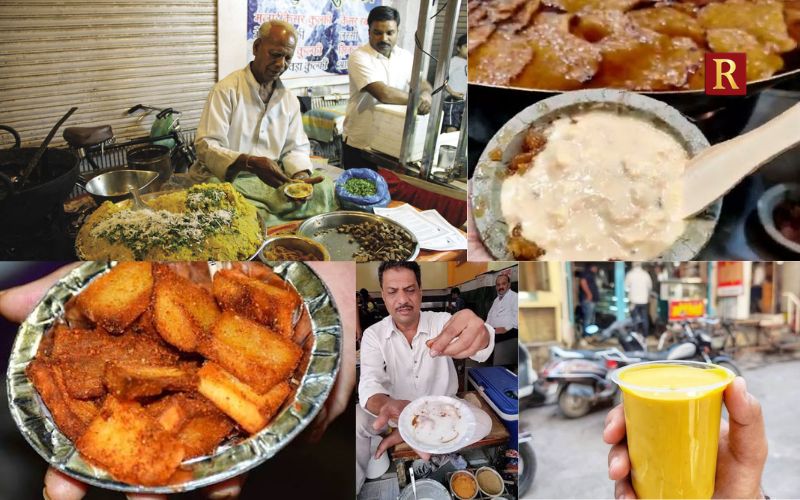
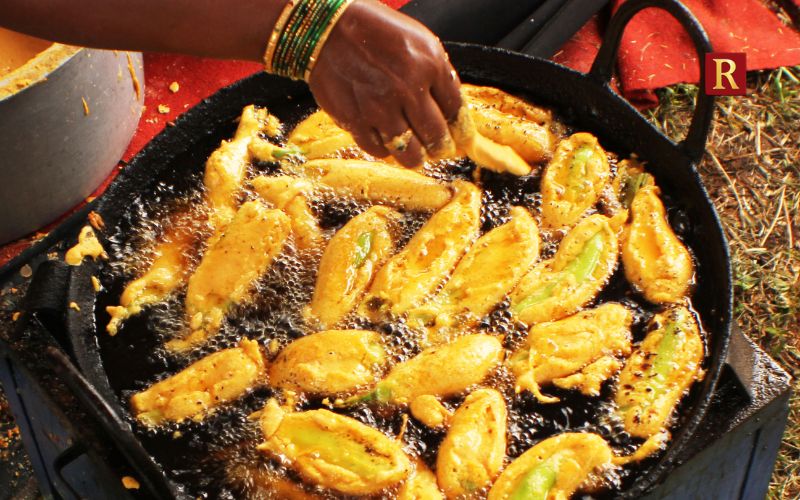
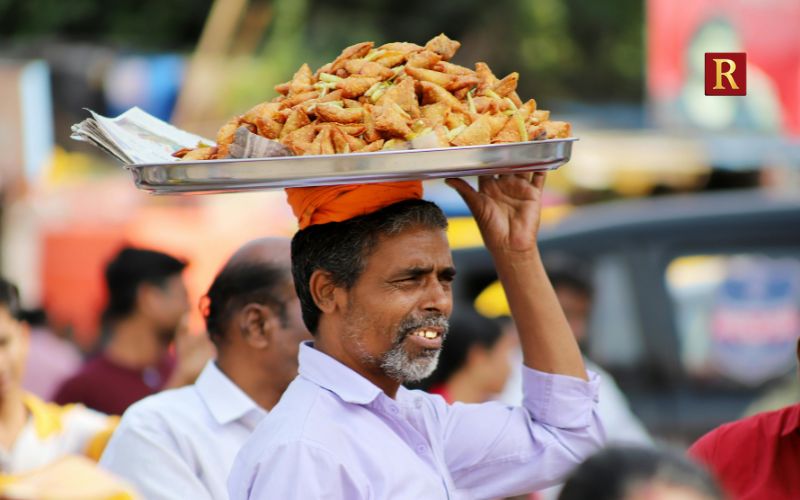
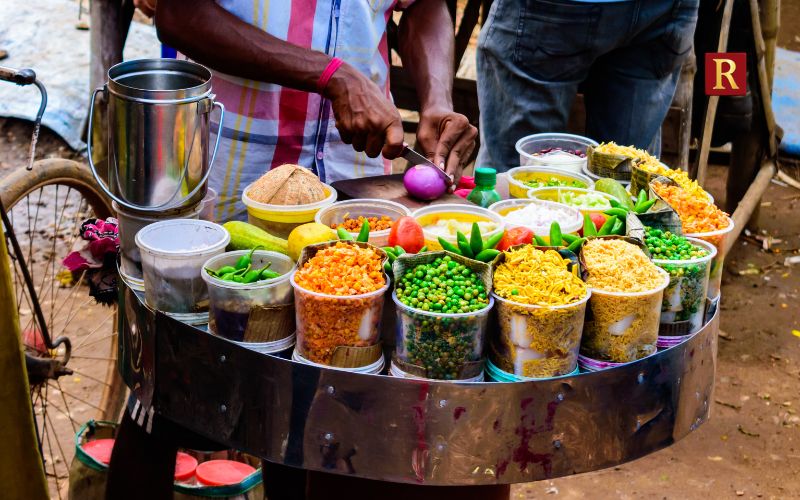
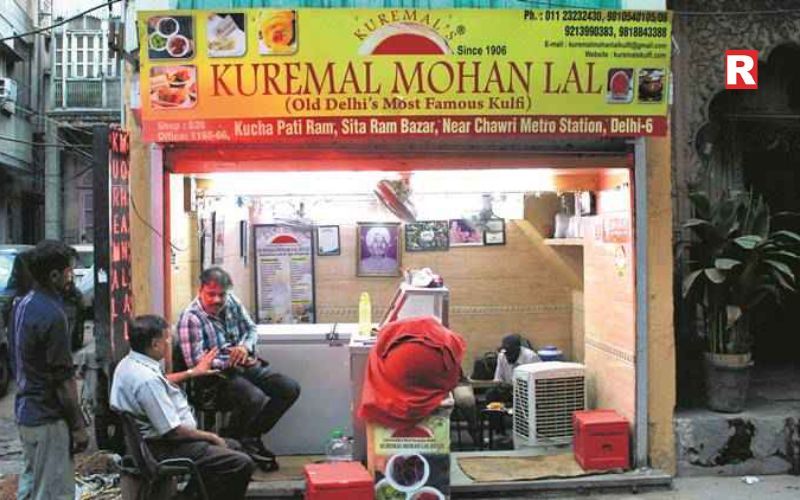
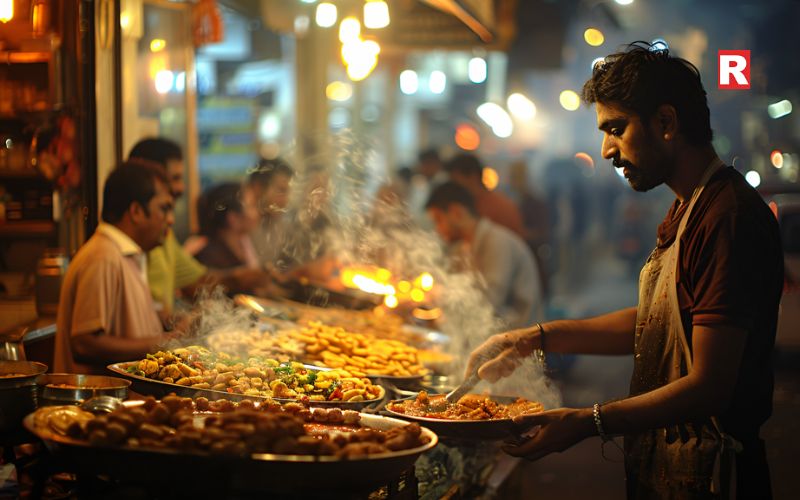
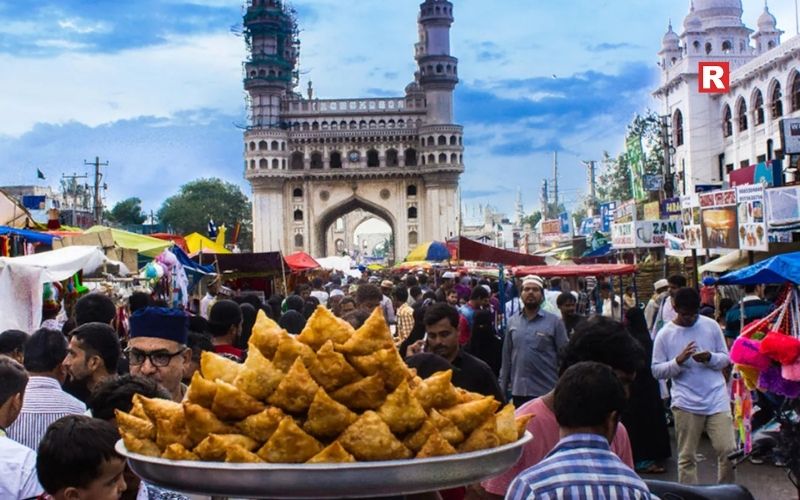
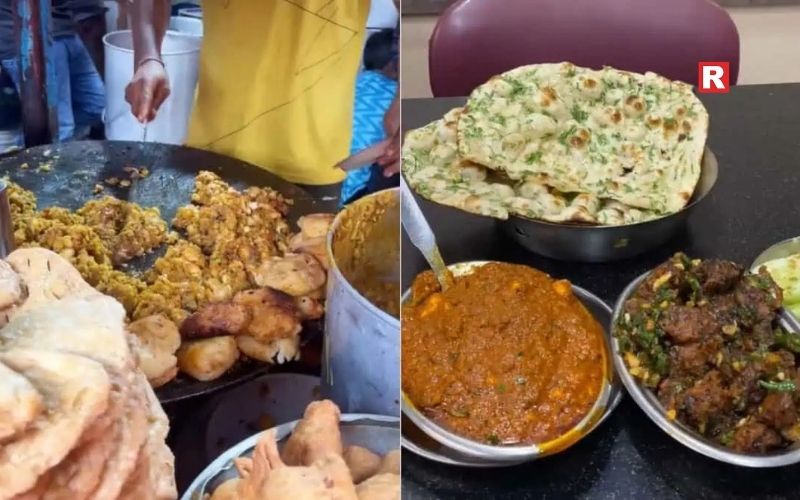
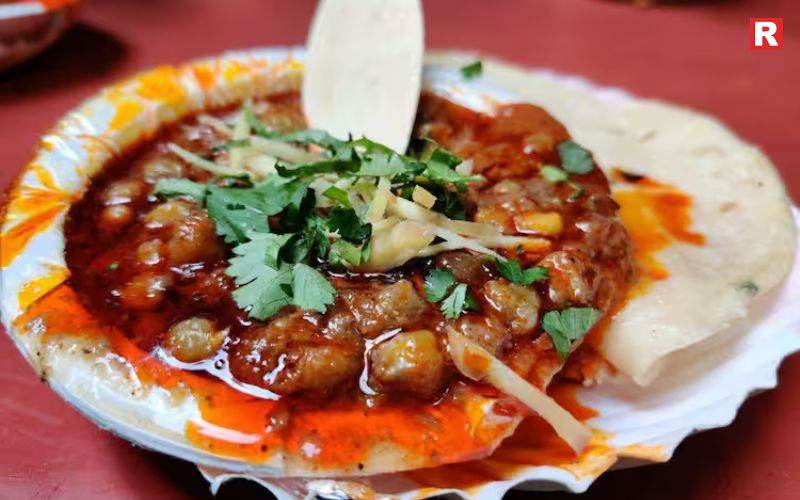
A street-food vendor can build a loyal customer base without a logo, website or expensive restaurant. The recipe may live in the vendor's memory. The supplier may be someone in the neighbourhood. The customer may know the vendor by name. The food may be served from a cart, kiosk or small shop.
- But what happens when that food becomes a brand?
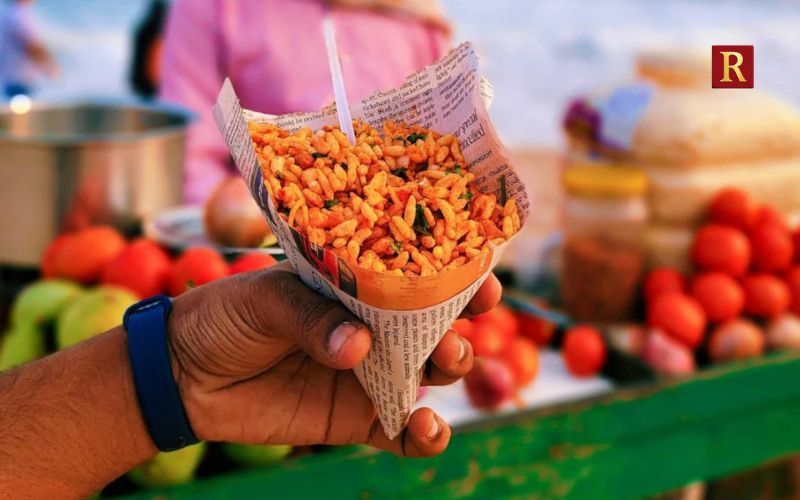
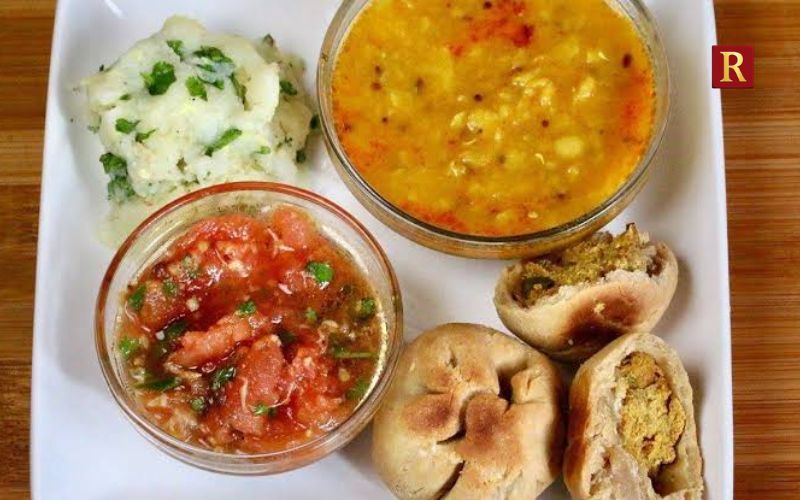
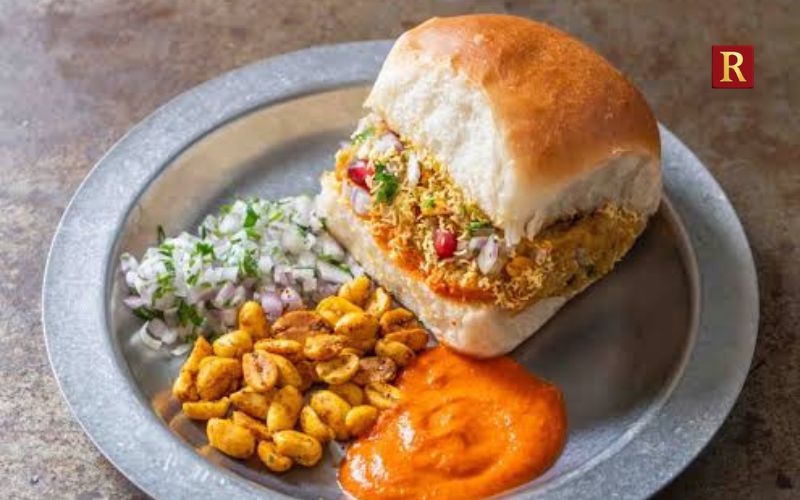
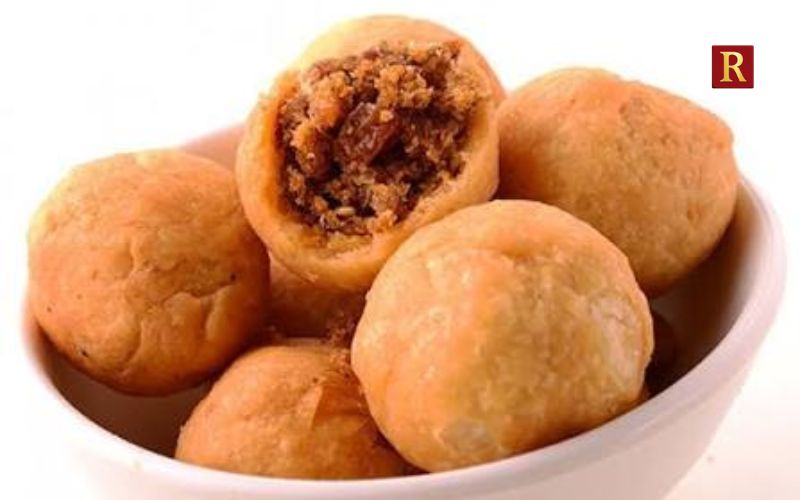
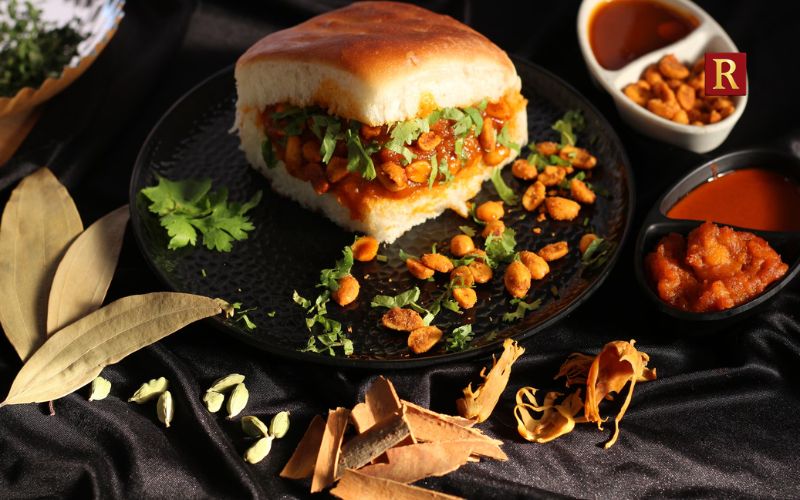
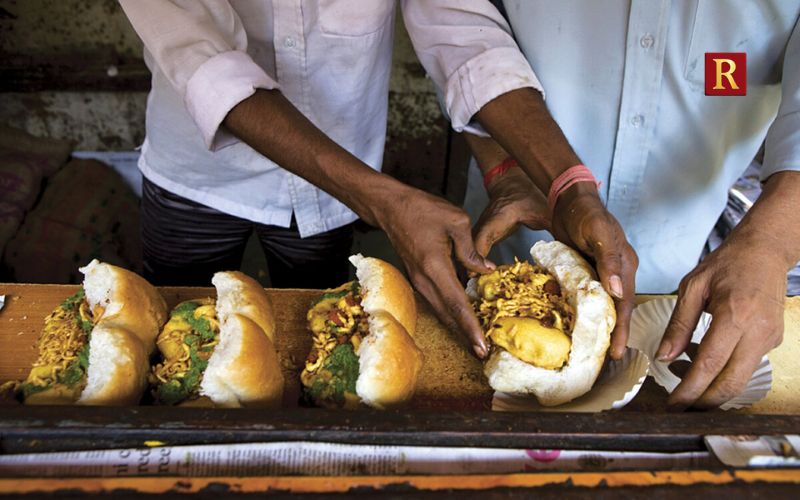
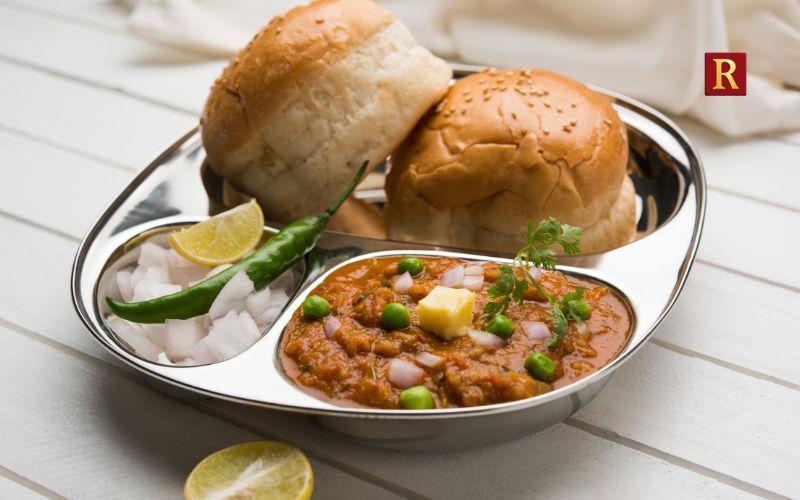
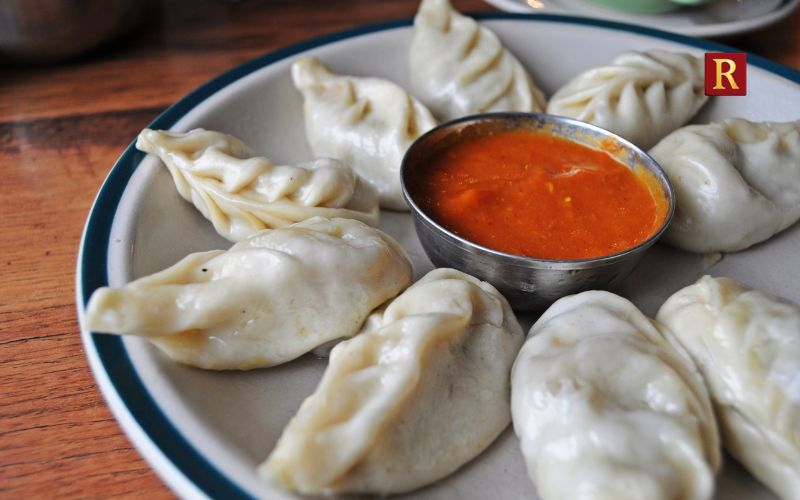
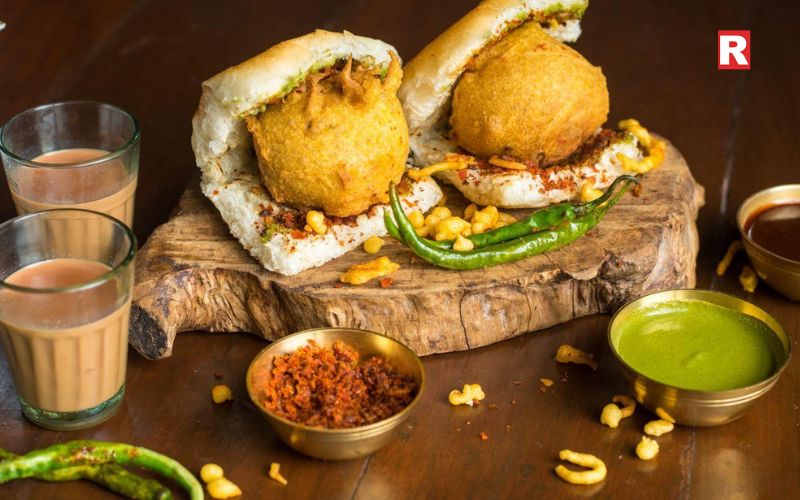
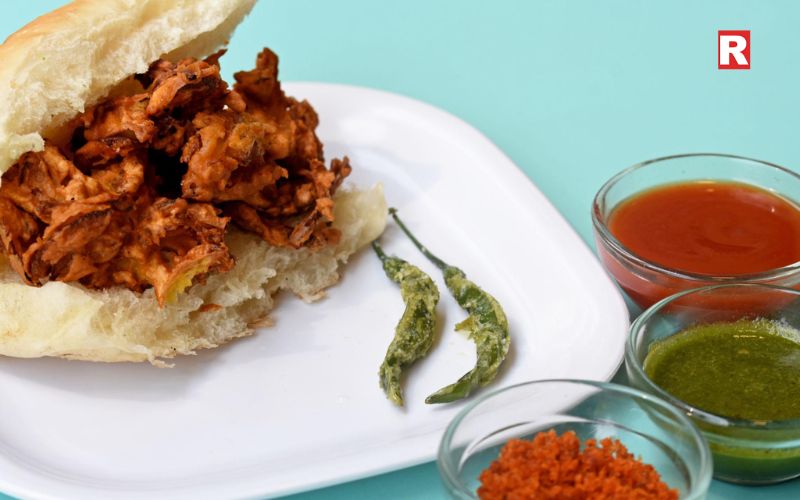
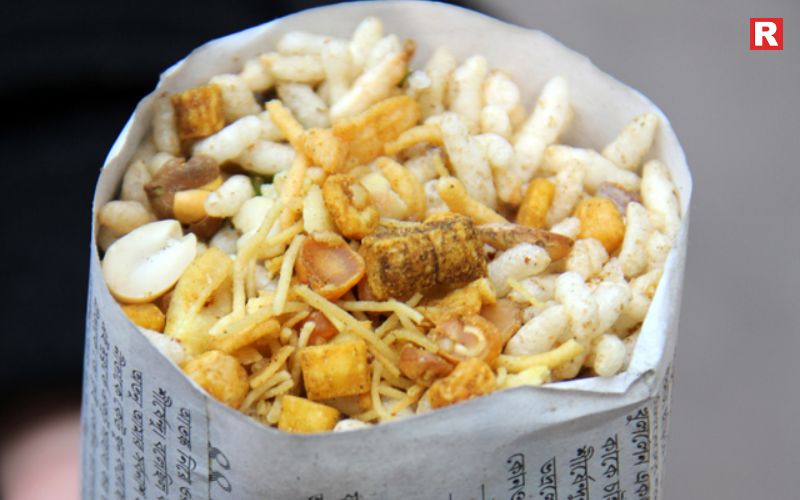
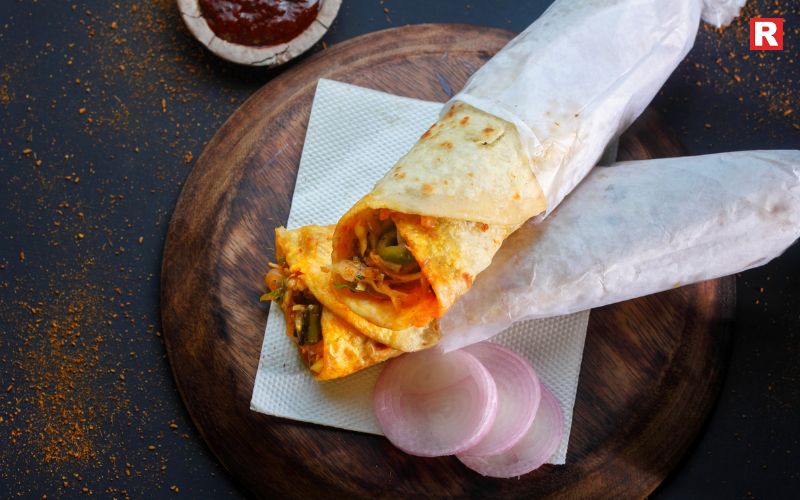
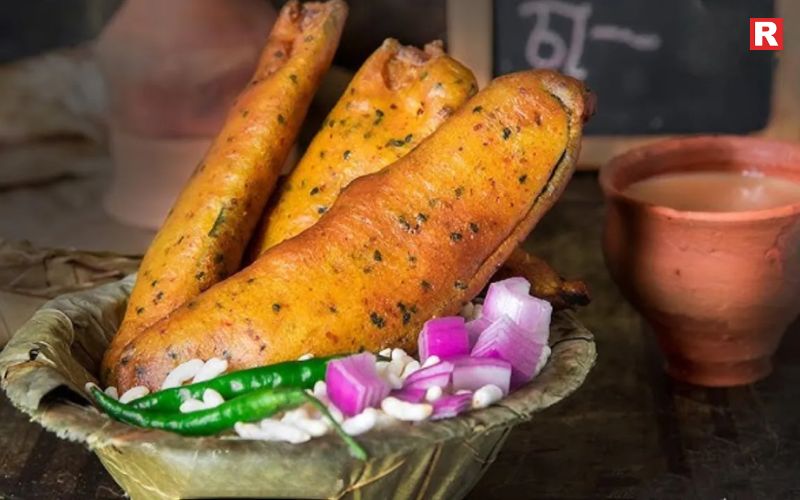
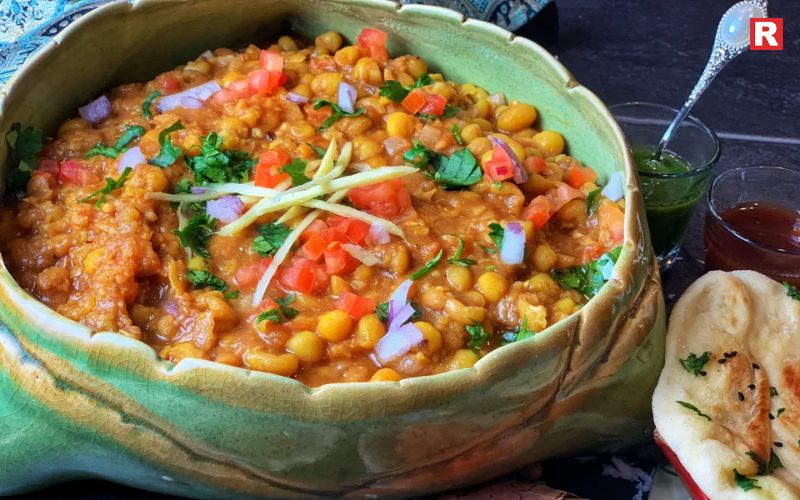
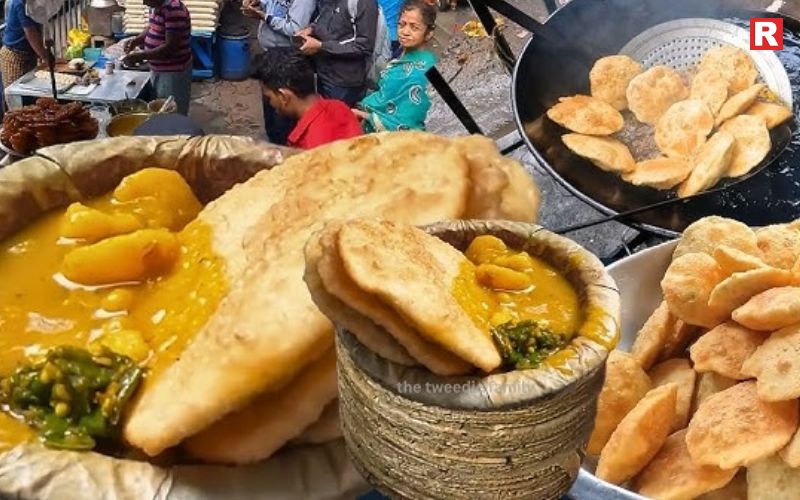
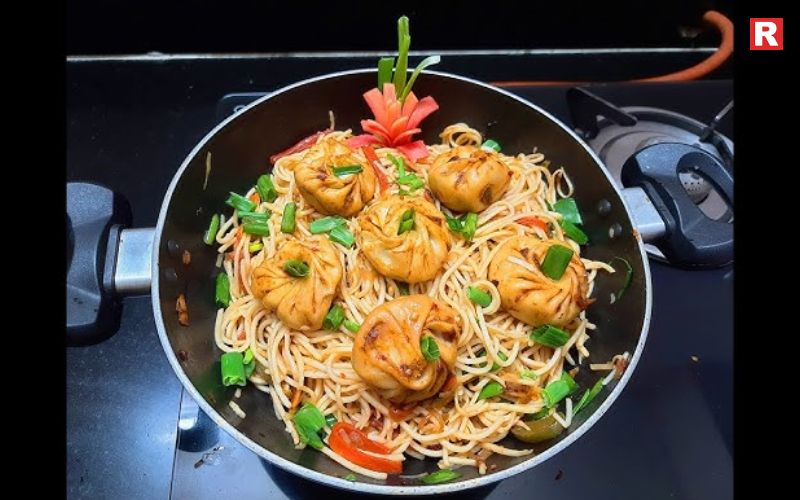
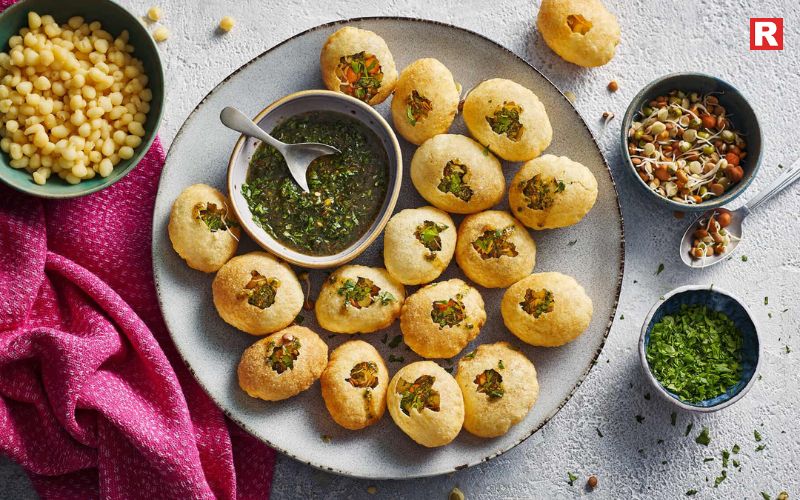
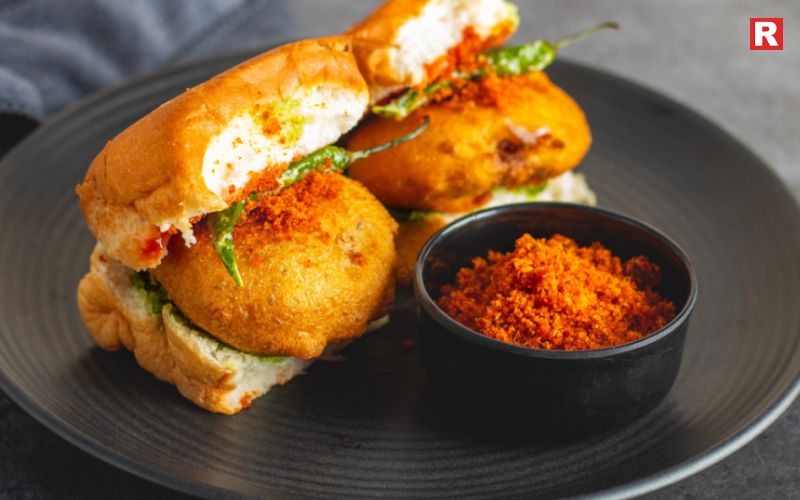
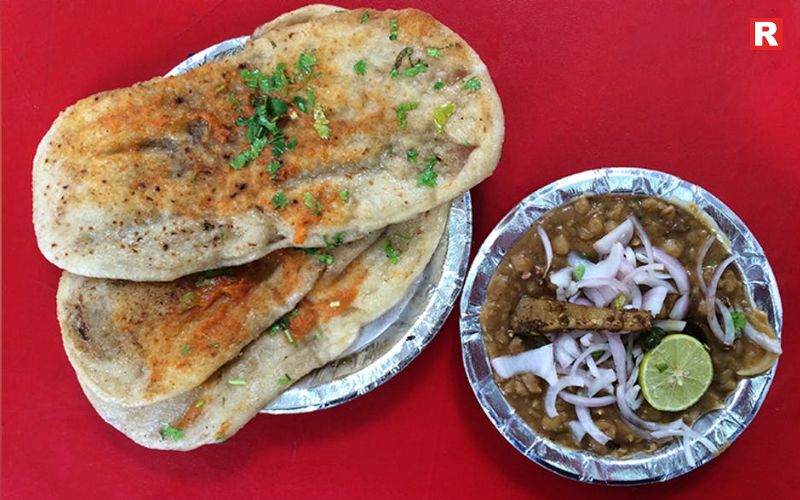
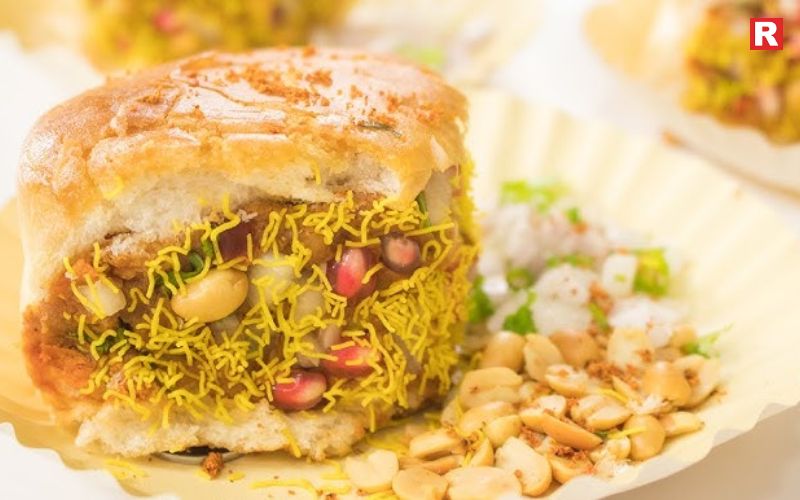
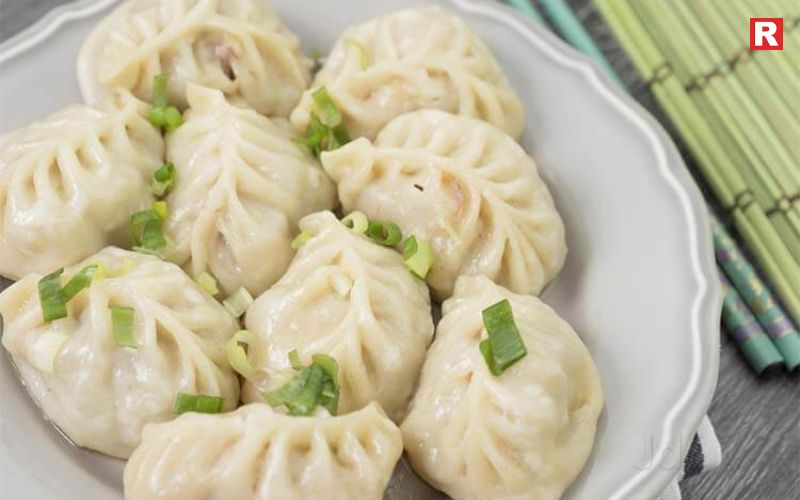
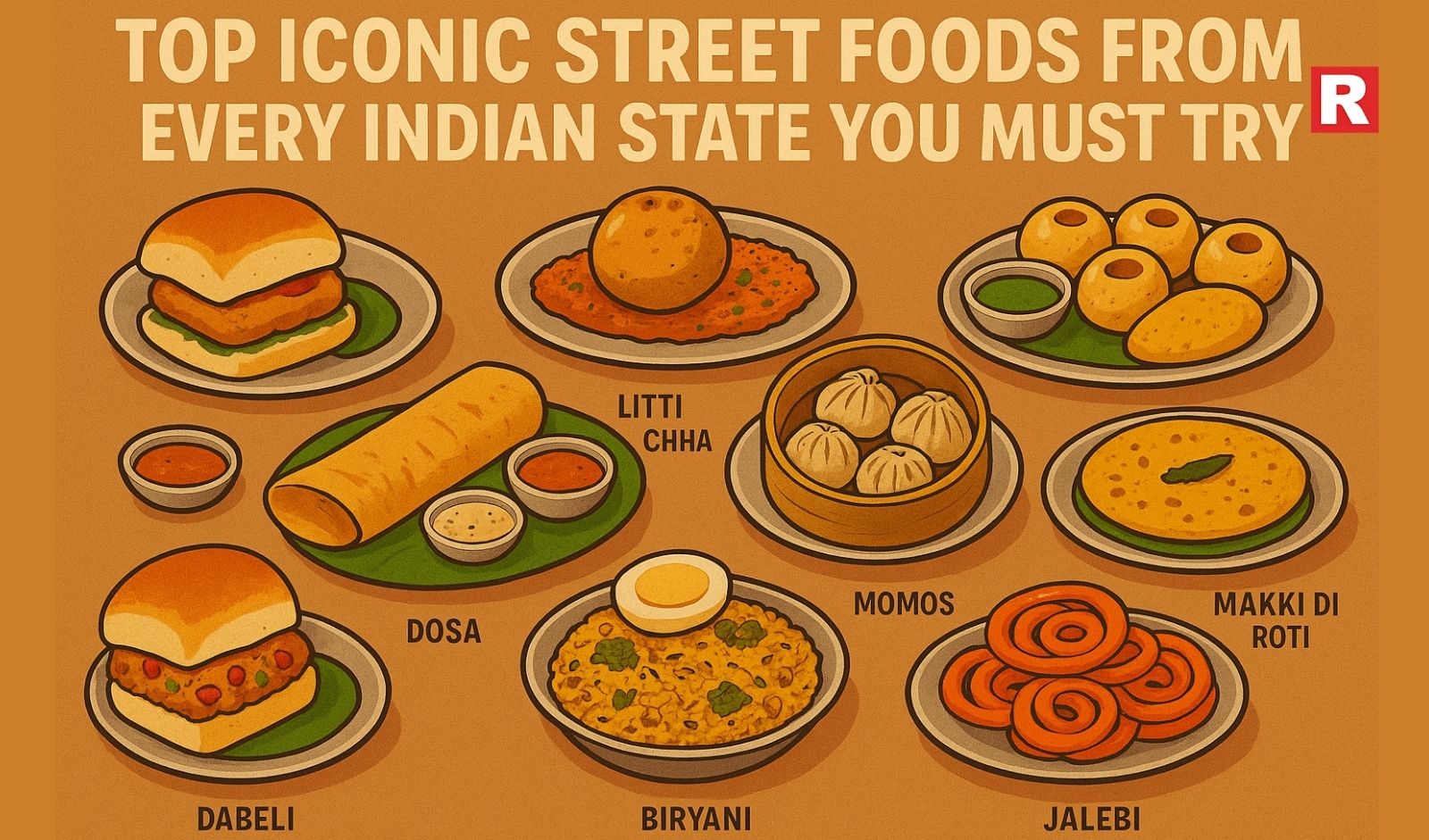
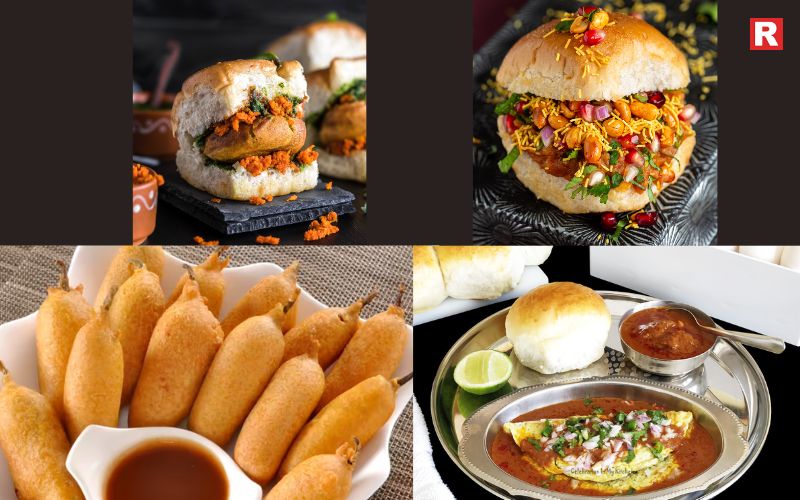
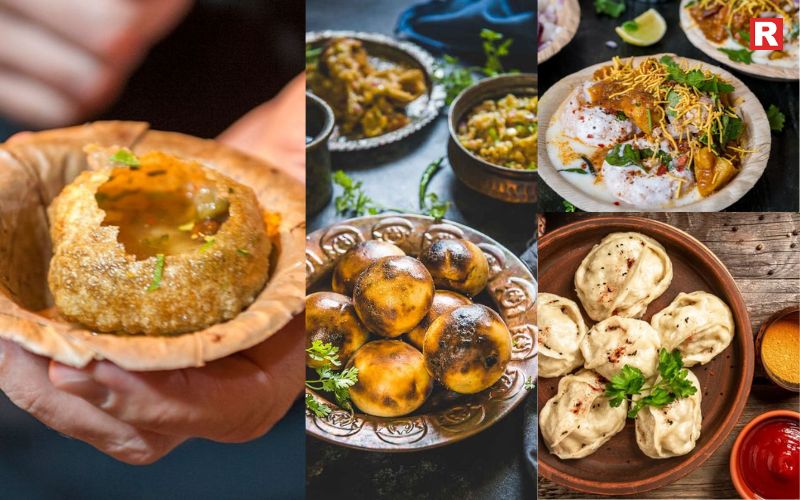
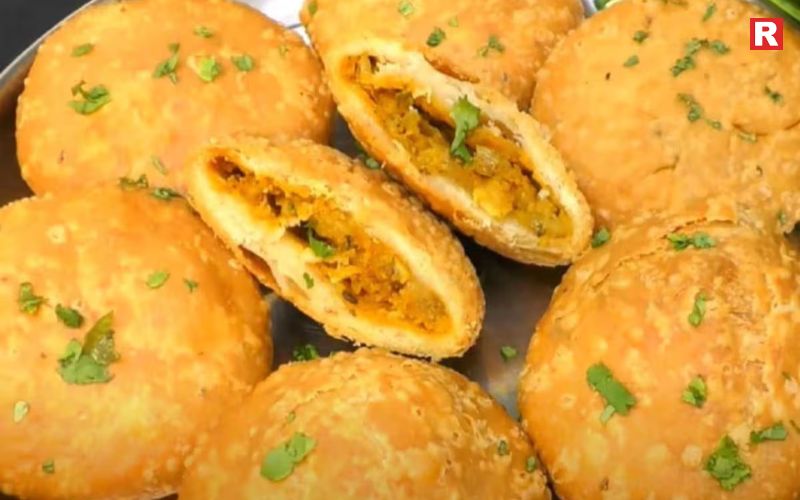
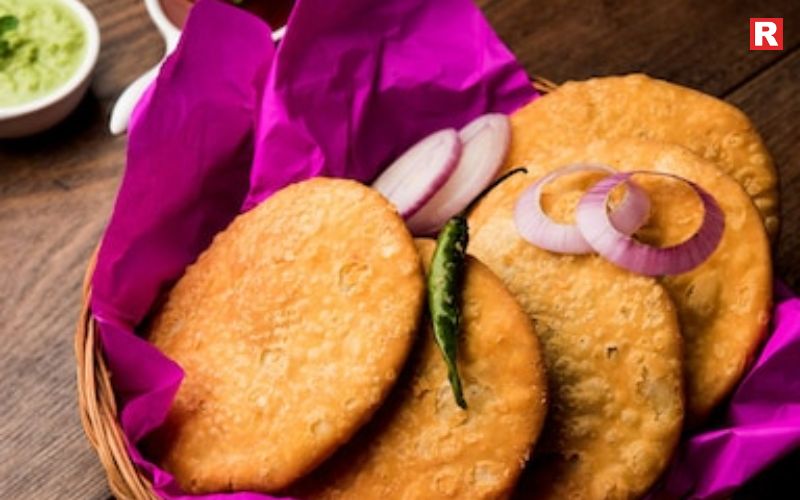
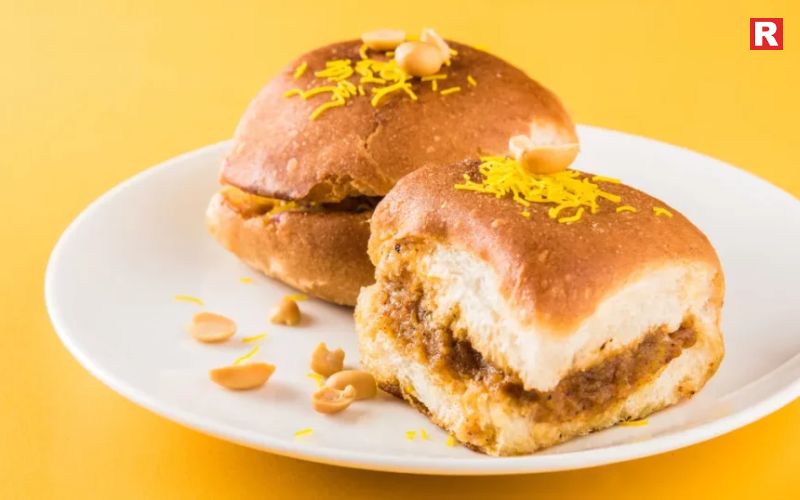
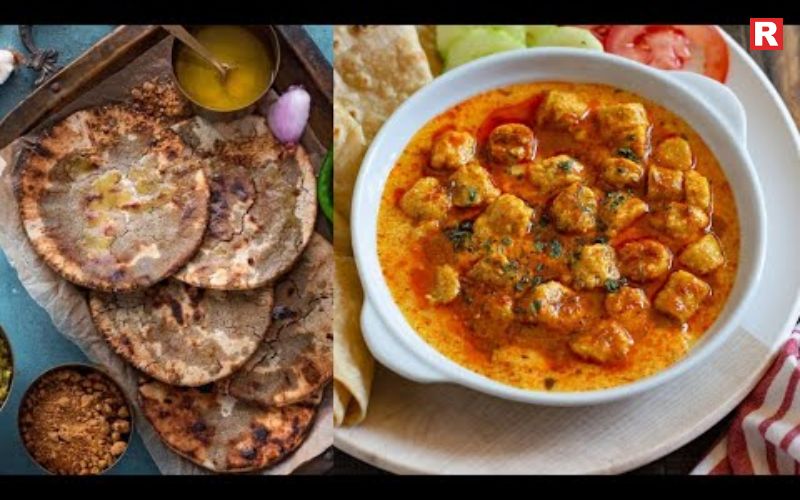
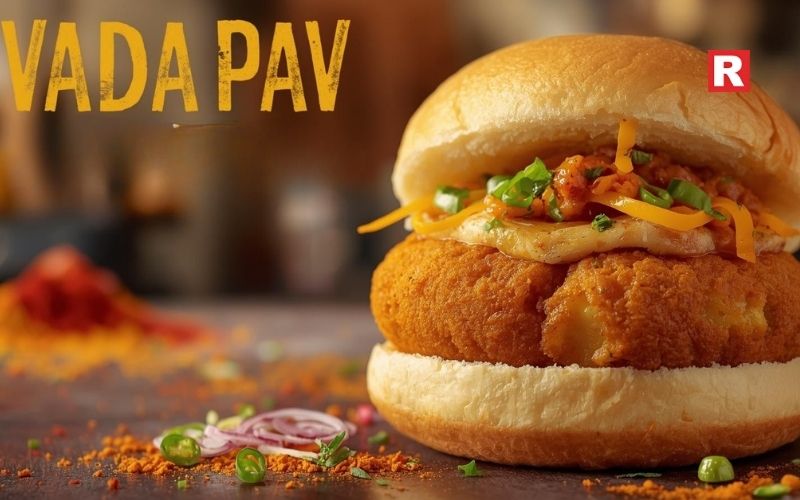
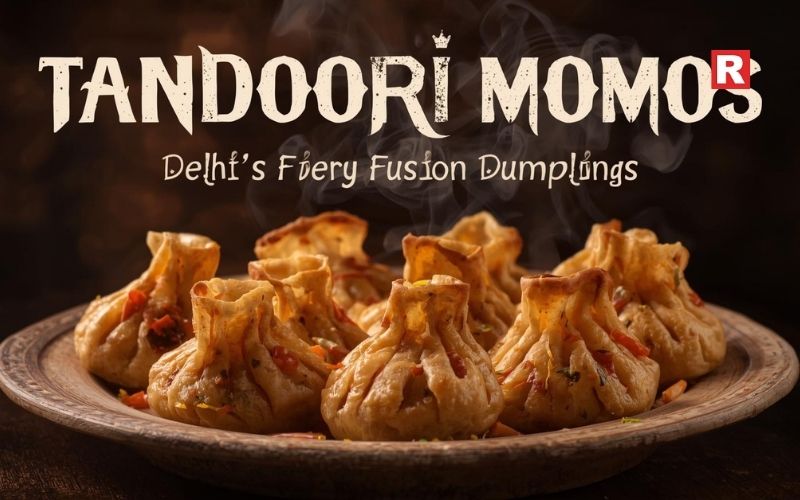
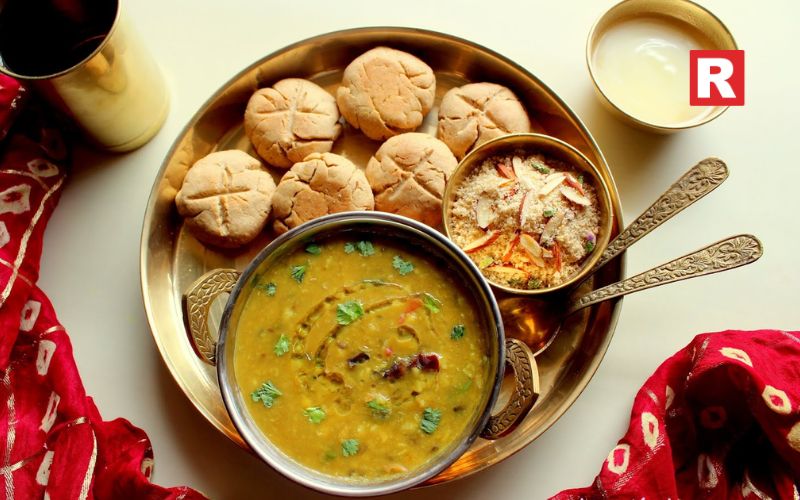
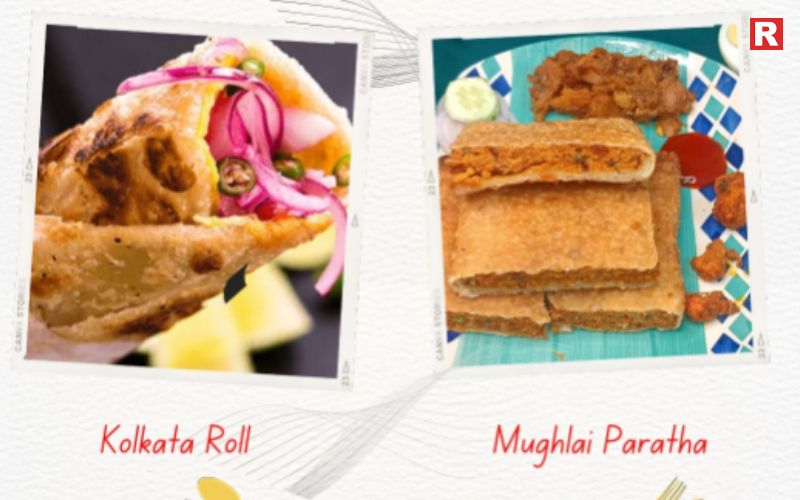
The biggest change is not the signboard. It is the system behind the plate. India's street-food market is still largely driven by independent operators. Euromonitor's 2026 India report says independent operators remained dominant in 2025, supported by low operating costs, local food traditions and demand for affordable and flexible formats. At the same time, organised players are expanding. This creates an interesting opportunity for regional foods such as litti, vada pav, chaat, kathi rolls, momos and other local snacks. The journey from street stall to food brand, however, is not as simple as opening another outlet.
From One Famous Plate to 1,000 Identical Plates
A street vendor can adjust a recipe by instinct. A pinch more spice. A little extra chutney. A different frying time. A customer may even ask for a personal variation. A growing brand cannot depend on memory. It needs a recipe card.
The quantity of flour, oil, spices, filling and sauces has to be measured. Cooking time has to be defined. Portion size has to be fixed. Employees need training. This is where a recipe becomes an SOP. The transformation may sound small, but it is one of the biggest steps in scaling street food. A vendor knows how to make the food. A brand has to teach another person how to make it exactly the same way.
The Price of the Plate Also Changes
Street food has traditionally benefited from low overheads. A cart or small stall does not carry the same rent, interiors and staffing costs as a conventional restaurant. Once the same product moves into a branded outlet, the cost structure changes. The business now has to account for rent, salaries, utilities, packaging, technology, marketing, delivery costs, wastage and compliance. This is why a Rs 30 street-food item cannot simply become a Rs 30 branded product. The business has to decide what the customer is actually paying for. It could be convenience. It could be hygiene. It could be better seating. It could be packaging, consistency or a recognisable brand. The challenge is to increase the value without losing the affordability that made the product popular in the first place.
Hygiene Becomes Part of the Brand
For street food, hygiene is no longer only a compliance discussion. It can become part of the customer experience. FSSAI's Clean Street Food initiative focuses on training vendors, improving hygiene and strengthening food-safety practices. The programme also aims to support the economic upliftment of street vendors and increase the popularity of Indian street food. For a growing food brand, this becomes even more important. Water quality, raw-material storage, hand hygiene, cooking temperatures, waste disposal and pest control need processes rather than individual judgement. A customer may forgive a small variation in spice. They are much less likely to forgive a food-safety problem.
The Cart Becomes a Business Format
Once the product is branded, the company has to decide where it should be sold. The answer could be a kiosk, QSR, food court, high-street store, cloud kitchen or delivery-only outlet. This is important because the same street food does not necessarily work in every format. A product designed to be eaten immediately may lose its texture during delivery. A dish that works perfectly at a roadside stall may not generate enough sales to justify a high-rent location.
This is why format engineering becomes important. The business has to consider preparation time, kitchen size, equipment, staff requirement, average order value and expected daily orders. The best street-food product is not automatically the best restaurant format.
The Menu Starts Behaving Like a Portfolio
A street vendor can sell whatever customers ask for. A branded food business has to make harder decisions.
- Which item brings customers in?
- Which item delivers the best margin?
- Which product can be prepared quickly?
- Which item travels well?
- Which dish can become a combo?
This can turn one famous street-food item into an entire menu. A hero product may bring the customer. Beverages, sides, desserts and add-ons can increase the average order value. But adding too many products creates another problem. More ingredients mean more inventory, more storage and more chances of wastage. The smartest brands therefore need to balance variety with operational simplicity.
Technology Can Change the Way the Vendor Understands Customers
A traditional vendor often knows demand through observation. A branded outlet can know it through data. A POS system can show the best-selling item by hour. Digital orders can reveal which neighbourhoods generate demand. Customer reviews can identify recurring complaints. Inventory software can track wastage. This creates a new layer of intelligence around an old food format.
The street-food entrepreneur who once asked, "How many plates will I sell today?" can eventually ask much more specific questions.
- Which product sells between 6 pm and 8 pm?
- Which outlet has the highest repeat rate?
- Which ingredient creates the most wastage?
- Which city prefers a particular flavour?
The plate remains traditional. The decision-making system becomes modern.
The Real Test Is Consistency
Scaling street food across cities creates a difficult problem. Taste is local. A recipe that works in Delhi may need careful positioning in Bengaluru, Mumbai or Kolkata. The brand has to decide what cannot change and what can. The core recipe may remain fixed. Spice levels, accompaniments, portion sizes or menu combinations may be adapted. This creates a fine line between localisation and dilution.
- If everything changes, the brand loses its identity.
- If nothing changes, it may fail to understand local customers.
That balance can determine whether a regional street-food concept becomes a scalable business.
From Street Food to QSR and Beyond
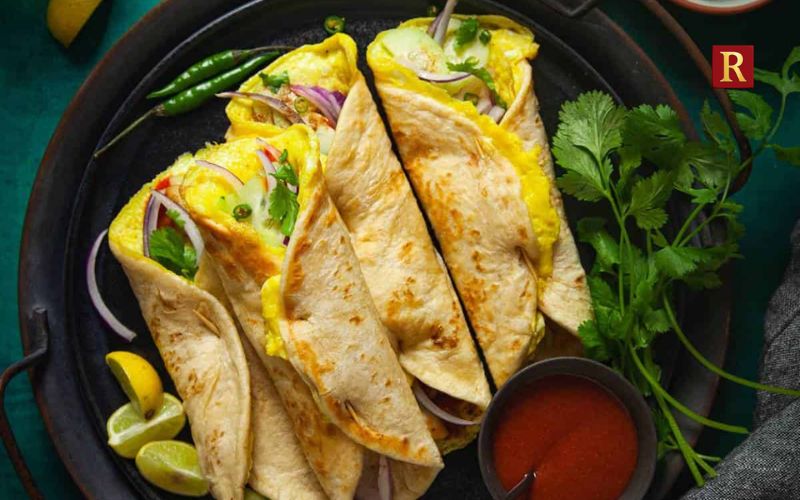
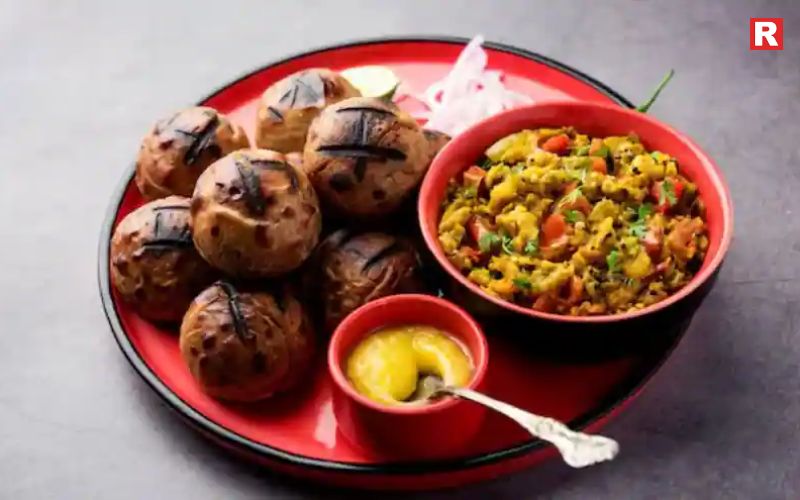
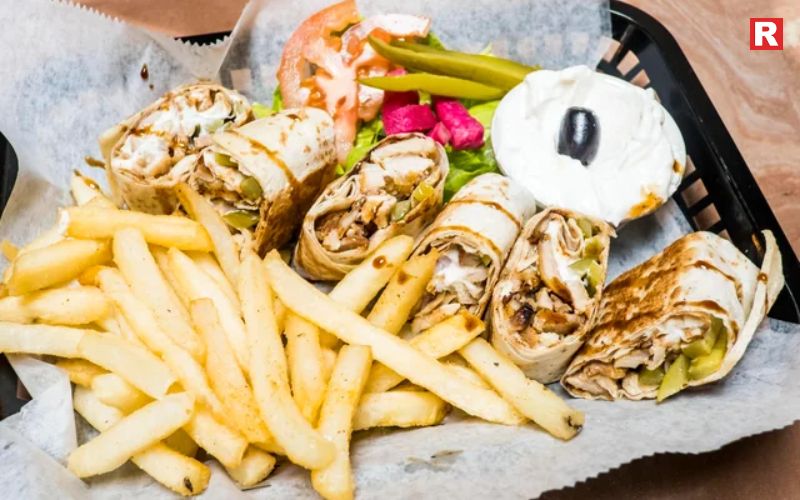
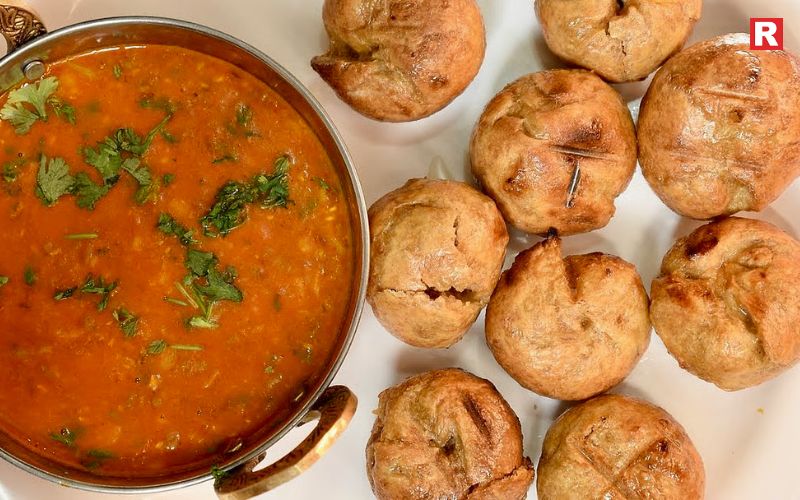
Some concepts are already demonstrating how regional foods can be converted into organised formats. For example, Chicka Litti has built its proposition around litti and describes the use of customised equipment to improve consistency and scale. Roll Nation has also positioned kathi rolls within a multi-city QSR format. These examples show the operational question behind regional food: how do you reproduce a familiar product beyond its original location? The next step could be even bigger. Once a food brand develops a reliable recipe, supply chain and packaging system, the product does not have to remain inside a restaurant. It can potentially move into frozen food, ready-to-eat products, sauces, chutneys, spice mixes or retail packs.
- That changes the journey from: Street → Restaurant → Multiple outlets
- To: Street → QSR → Central kitchen → Packaged food → Retail
The food is no longer restricted to the location where it was born.
What Happens to the Original Street Food?
This is perhaps the most interesting question. When a street-food recipe becomes a brand, it gains systems. It can gain better packaging, wider distribution, standardised quality and greater visibility. But something else may change too. The informal experience can become more structured. The vendor's personal touch can become a brand guideline. A handwritten recipe can become an SOP. A local supplier can become part of an organised procurement network. A familiar stall can become a franchise model. The transformation is not necessarily about replacing street food. It is about making a local food idea capable of travelling.
India's street-stall and kiosk category continues to be shaped by affordability, convenience and regional food, while organised players are expanding alongside a much larger base of independent operators. Euromonitor also points to hybrid fulfilment and creative twists on traditional street food as important developments for the category. The future of street food may therefore not be about choosing between the street and the restaurant. It may be about building a system strong enough to take the taste of one street, one neighbourhood or one family recipe to thousands of customers without losing the reason they loved it in the first place. A street vendor creates a plate. A brand has to create a system that can recreate that plate.
Saptopriya Ghosal
Feature Writer
I am a dedicated media professional with a bachelor's degree in mass communication from the State University of Calcutta and a postgraduate degree from Amity University. My academic journey has equipped me with a profound understanding of storytelling and communication. Passionate about the dynamic world of media, I continually strive to explore new ways to engage and inform through compelling narratives.