What Your Cooking Method Changes Inside a Food
Understanding that simple question makes everyday cooking more than a matter of taste. It becomes a way of understanding what is actually happening inside the food on your plate.

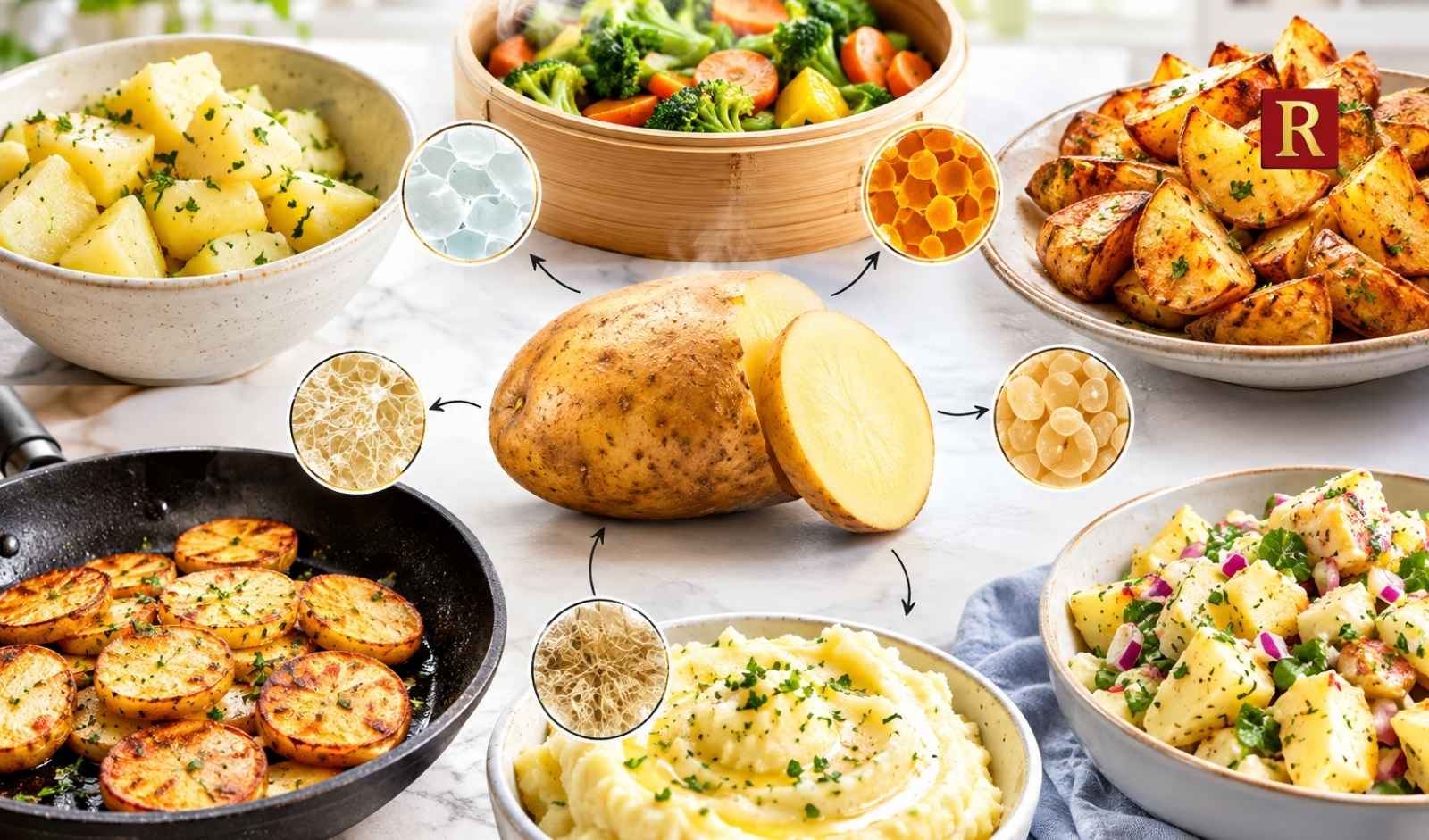
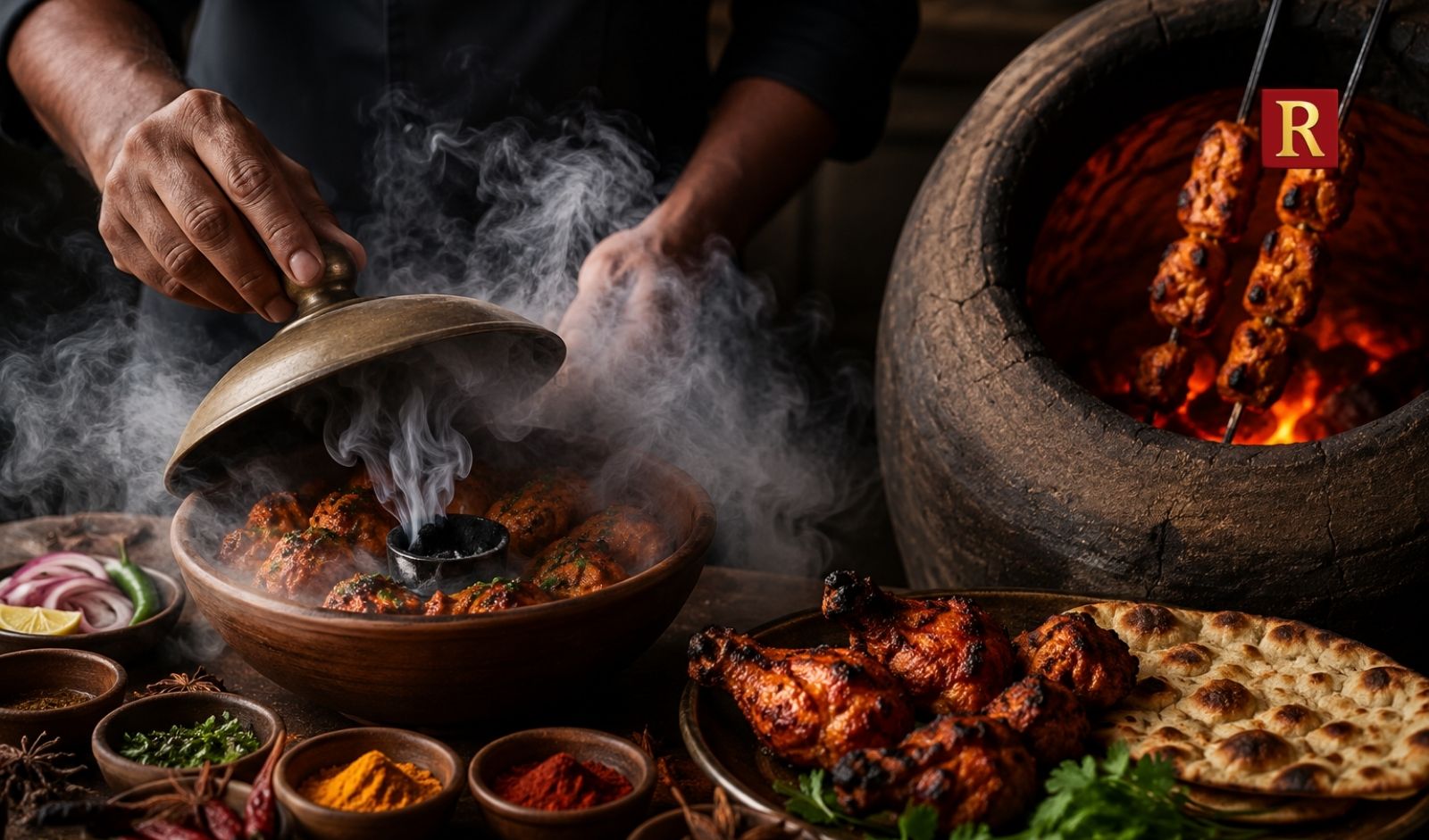
The way you cook food can change more than its taste and texture. Heat, water, oil and cooking time can alter the structure of proteins and starches, reduce some vitamins, improve the availability of certain compounds and create new flavour molecules. That is why the same potato can behave differently when it is boiled, fried, roasted or cooled after cooking. A tomato can also provide lycopene differently depending on how it is prepared. Cooking is not simply about making food hotter. It is a process that changes what is happening inside the food.
Boiling Can Move Some Nutrients Into the Water
Boiling exposes food to both heat and water. This is important because some nutrients, including vitamin C, are sensitive to heat and can also move into cooking water. A study that compared boiling, steaming, microwaving and blanching found that vitamin C retention varied widely between vegetables and cooking methods. In general, boiling produced the lowest vitamin C retention, while steaming and microwaving often performed better because they involved less contact with water. Broccoli offers a useful example. In one study, its vitamin C retention was about 53% after boiling, compared with more than 88% after blanching and more than 111% after steaming when retention was calculated using the study's yield-based method. This does not mean boiled vegetables have no nutritional value. It also does not mean that boiling is always the wrong method. The result depends on the food, the nutrient, the cooking time and whether the cooking liquid is consumed. In a dal, soup or curry, for example, compounds that move into the liquid remain part of the dish.
Steaming Changes the Amount of Water Food Meets
Steaming uses moist heat, but the food is not sitting directly in boiling water. That difference matters. Less direct contact with water can reduce the movement of some water-soluble nutrients out of the food. Shorter cooking times can also help protect heat-sensitive compounds. Research on vegetables has found that steaming and microwaving often retain more vitamin C than boiling. But steaming is not a magic preservation method. Cooking time still matters. A vegetable exposed to heat for a long period will not behave exactly like one that is steamed briefly.
This is why the more useful question is not simply, "Is steaming healthy?"
It is: How much heat, water and time does this particular food need?
Frying Creates New Flavours at the Surface
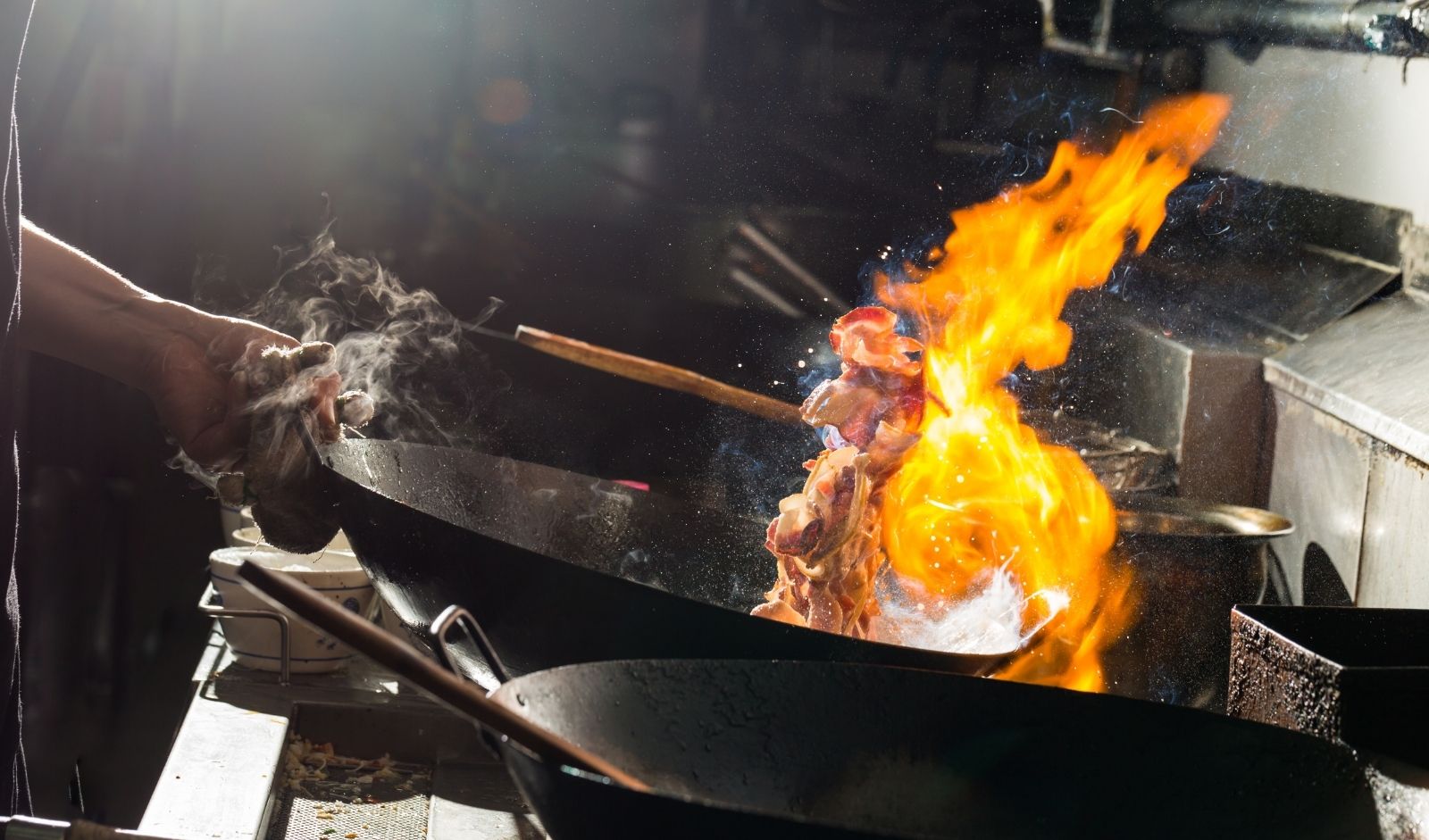
Frying produces one of the biggest changes in food because the surface can become much hotter and drier than it would during boiling. As water leaves the surface, chemical reactions that create colour and flavour become easier.
One of the most important is the Maillard reaction. It involves amino compounds and reducing sugars and helps create the brown colour, aroma and complex taste associated with foods such as toasted bread, roasted vegetables and fried potatoes. This is why a boiled potato and a crisp roasted potato can taste so different even though they started with the same ingredient. Frying is therefore not simply a way of adding oil. It changes the food's surface chemistry.
Golden-Brown Color Has More Than One Explanation
Two terms often get mixed together: Maillard reaction and caramelisation.
They are not the same.
The Maillard reaction involves sugars reacting with amino compounds. Caramelisation is the thermal breakdown of sugars.
Both can contribute to the colour and flavour of cooked food, but through different chemical pathways.
This matters in everyday Indian cooking too. The browned surface of a dosa, roasted cumin, toasted bread, roasted peanuts and a well-seared food all show how heat can create new flavour compounds. The cooking method decides which reactions are possible.
High Heat Can Also Create Unwanted Compounds
High-temperature cooking can have another side. Acrylamide can form in certain plant-based foods during high-temperature cooking such as frying, roasting and baking. It develops from naturally occurring sugars and the amino acid asparagine. It is commonly associated with foods such as potato products, grain-based foods and coffee.
The FDA notes that acrylamide formation generally increases with higher temperatures and longer cooking times. It also says that boiling and steaming do not typically produce acrylamide. This does not mean that every fried, roasted or baked food is dangerous. The FDA does not advise people to stop eating these foods. Its guidance focuses on an overall healthy eating pattern and, for people who want to reduce acrylamide exposure, avoiding excessively dark browning and using appropriate cooking practices.
The useful lesson is simple: More heat and more time can create different chemistry inside food.
Cooking Can Make Some Compounds Easier to Absorb
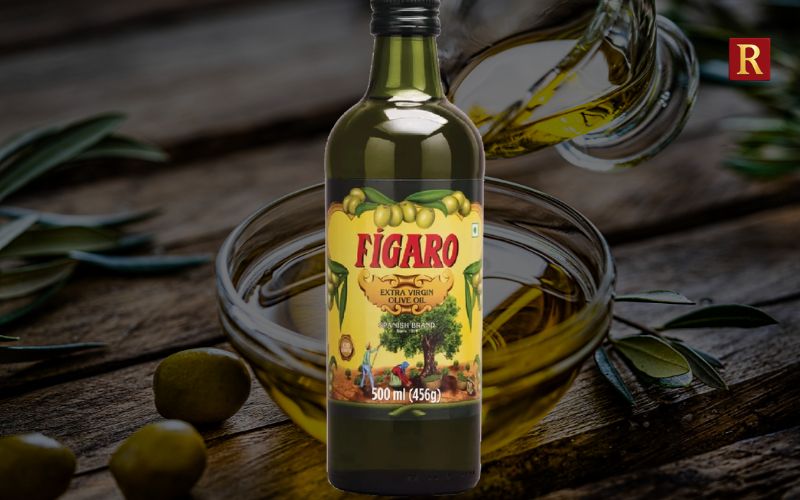
One of the most interesting parts of food science is that cooking does not always mean losing nutrients. Sometimes processing can make certain compounds more available to the body. Tomatoes are a good example. Lycopene is a carotenoid found in tomatoes. A small human study compared diced tomatoes cooked with 25 ml of extra-virgin olive oil with tomatoes cooked without oil. After five days, the group eating tomatoes cooked with olive oil had an 82% increase in plasma trans-lycopene and a 40% increase in cis-lycopene. The group eating tomatoes cooked without oil did not show a significant increase in trans-lycopene. This does not mean that adding oil automatically makes every food healthier. It shows something more useful: How food is prepared can affect bioavailability, or how much of a compound becomes available for absorption. The food matrix, heat, fat and other ingredients can all play a role.
Heat Changes Protein Structure Too
Eggs make this easy to see. A raw egg white is transparent and fluid. Heat causes its proteins to unfold and interact with one another. The egg white becomes opaque and firm. This is called protein denaturation and coagulation. But the change is not only visual. A human study involving five people with ileostomies compared the digestion of cooked and raw egg protein. The measured true ileal digestibility was about 90.9% for cooked egg protein, compared with 51.3% for raw egg protein. The study was small, so the number should not be treated as a universal value for every person.
However, it clearly demonstrates an important principle: Cooking can sometimes make protein easier for the body to digest.
So "raw" does not automatically mean "more nutritious."
Starch Also Changes When It Meets Heat and Water
Rice, potatoes and other starchy foods undergo another major transformation during cooking. When starch is heated with enough water, its granules swell and their internal structure changes. This process is called gelatinisation. It makes cooked starch more accessible to digestive enzymes. That is one reason cooked rice feels completely different from uncooked rice. But the story does not end when the stove is turned off.
Cooling Can Change Cooked Rice Again
When cooked starch cools, some of its molecules can rearrange into a more ordered structure. This is called retrogradation. Some of the resulting starch can become resistant starch, which is less readily digested in the small intestine. Research on rice has shown that cooling after cooking can increase resistant starch, although the amount depends on the rice, cooking conditions and storage conditions.
A 2026 review also highlights how rice variety, starch structure, cooking and storage temperature influence retrogradation and the properties of rice-based foods. This makes the familiar bowl of leftover rice an interesting food-science example. Cooking changes the starch. Cooling can change it again. Reheating can change the structure further. The final food is therefore not chemically identical to freshly cooked rice.
The Same Food Can Follow a Completely Different Path
Consider a potato.
Boiled: Heat and water soften the starch and tissue.
Fried: The surface loses moisture and develops intense browning and flavour.
Roasted: Dry heat removes moisture and creates a browned, concentrated surface.
Cooled after cooking: Some starch can reorganise through retrogradation.
The ingredient is still a potato. But its structure, texture, flavour and some aspects of its nutritional behaviour have changed. The same idea applies to rice, tomatoes, eggs, vegetables, grains and many other foods.
There Is No Single "Best" Cooking Method
The most useful way to think about cooking is not to label one method as healthy and another as unhealthy.
Each method does something different.
Cooking method | Main effect |
Boiling | Heat and water soften food; some water-soluble compounds may move into the cooking liquid |
Steaming | Uses moist heat with limited direct water contact |
Frying | Creates strong surface browning, flavour and moisture loss |
Roasting | Uses dry heat to reduce moisture and develop flavour |
Pressure cooking | Uses heat, moisture and pressure to soften food quickly |
Microwaving | Can cook quickly with little added water |
Cooling | Can reorganise cooked starch in foods such as rice |
The best method depends on what you want from the food. If the goal is to retain a water-soluble vitamin, limiting water contact and cooking time can help. If the goal is to develop roasted flavour, dry heat is more useful. If the goal is to soften dal or beans, moist heat and pressure can be valuable. Cooking is therefore a series of trade-offs.
Food Changes With the Way We Prepare It
A carrot is not simply a carrot after 20 minutes of cooking. A tomato is not chemically identical before and after heating. An egg's proteins change when exposed to heat. Rice changes when it is cooked and can change again when it cools. Some nutrients can decrease. Some compounds can become more available. Starch can change its structure. New flavour compounds can appear. Under certain high-temperature conditions, unwanted compounds can also form.
That is why the most useful question in the kitchen is not, "Which cooking method is healthiest?"
It is: "What do I want this cooking method to change?"
Understanding that simple question makes everyday cooking more than a matter of taste. It becomes a way of understanding what is actually happening inside the food on your plate.
Saptopriya Ghosal
Feature Writer
I am a dedicated media professional with a bachelor's degree in mass communication from the State University of Calcutta and a postgraduate degree from Amity University. My academic journey has equipped me with a profound understanding of storytelling and communication. Passionate about the dynamic world of media, I continually strive to explore new ways to engage and inform through compelling narratives.