
What to Eat on a Vegetarian Diet: A Simple, Healthy, and Balanced Food Guide
A vegetarian diet is not limiting. Indian food already includes all the nutrients needed for daily health.

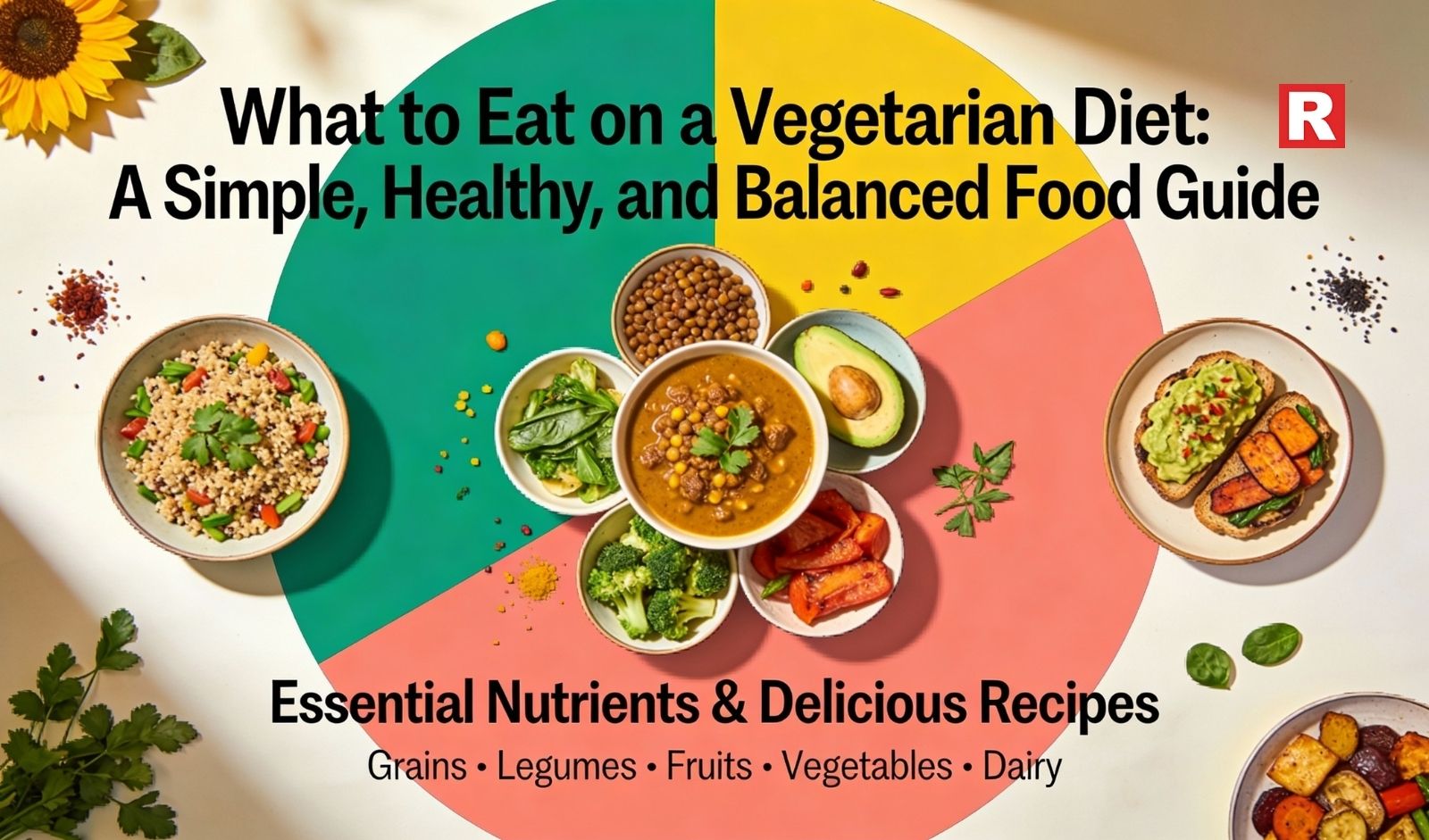
A vegetarian diet has always been a natural part of Indian life. It is seen in everyday home cooking and grand festive meals. From simple dal and roti to elaborate thalis, plant-based food is deeply connected to tradition and routine. Many families have followed vegetarian eating for generations. Still, confusion exists today. People often wonder what to eat to stay healthy. Some worry about getting enough protein. Others feel a vegetarian diet may cause low energy or weak immunity. These concerns are common but often misplaced.
The truth is straightforward. A vegetarian diet can meet all nutrition needs when planned well. Indian food already offers a wide variety of grains, pulses, vegetables, fruits, and dairy. Each food group plays a role in keeping the body strong and active. Balance is more important than restriction. Eating the right mix at the right time makes a difference. This guide focuses on familiar Indian foods. It explains what to eat daily. It highlights simple habits that support health. With the right choices, vegetarian eating becomes easy, nourishing, and sustainable for everyday life.
What Is a Vegetarian Diet?
A vegetarian diet includes foods made from plants. It also includes dairy for most Indians. Meat, fish, and poultry are excluded. In India, vegetarian diets usually fall into these types:
- Lacto-vegetarian: Includes milk and milk products
- Lacto-ovo vegetarian: Includes dairy and eggs
- Jain vegetarian: Avoids root vegetables like onion and garlic
No matter the type, the base remains the same. Grains. Pulses. Vegetables. Fruits. Dairy. Nuts. Seeds.
Read more: Top 10 Vegan Street Foods in India Every Indian Loves
12 Delicious High-Protein Foods to Eat Daily for a Healthier You
Why a Vegetarian Diet Works Well in India
India has one of the widest varieties of vegetarian foods in the world. Every region offers its own grains, dals, vegetables, and cooking styles. Seasonal produce is easily available. Traditional meals already follow the idea of balance. A simple dal, sabzi, roti, and curd meal is a complete vegetarian plate when eaten in the right portions.
Daily Foods Every Vegetarian Should Eat. A healthy vegetarian diet is not about eating less. It is about eating right.
Whole Grains for Energy: Whole grains form the base of a healthy vegetarian diet. They give steady energy throughout the day. Foods like wheat roti, rice, millets, oats, and quinoa are commonly eaten in Indian homes. These grains are rich in fibre, which helps digestion stay smooth and regular. They also help control hunger and reduce unnecessary snacking. Millets like jowar, bajra, and ragi are especially useful for strength and stamina. Oats and quinoa are light and easy to digest. When different grains are rotated during the week, the body gets a wider range of nutrients. This simple habit improves gut health and keeps meals interesting. Whole grains also support heart health and long-lasting fullness.
Pulses and Legumes for Strength: Pulses and legumes are the backbone of Indian vegetarian meals. Almost every meal includes some form of dal. Toor dal, moong dal, masoor dal, chana, rajma, lobia, and soybeans are widely used. These foods are rich in plant protein and iron. They help build and repair muscles. They also support daily energy levels. Dal is filling but light on the stomach when cooked simply. Legumes work best when paired with rice or roti. This combination improves protein quality. Regular intake of pulses supports strength and endurance. They are affordable and easy to store. Including at least one pulse-based dish daily helps maintain balanced nutrition.
Vegetables of All Colours: Vegetables play a key role in a vegetarian diet. They provide vitamins, minerals, and natural antioxidants. Green vegetables like spinach, methi, and amaranth are rich in iron and folate. They support blood health and immunity. Other vegetables such as carrot, beans, lauki, tori, pumpkin, and cauliflower add variety and texture to meals. Each colour offers different nutrients. Eating mixed vegetables improves overall balance. Seasonal vegetables are always the best choice. They are fresher, tastier, and more nutritious. Simple cooking methods help retain nutrients. Daily vegetable intake supports digestion, skin health, and overall wellness. A colourful plate often means a healthier meal.
Fruits for Digestion and Immunity: Fruits add freshness and natural sweetness to a vegetarian diet. They are easy to eat and quick to digest. Common fruits like banana, apple, papaya, orange, and guava are easily available in India. Seasonal fruits are especially beneficial. Fruits provide vitamins, minerals, and water content. They help improve digestion and support gut health. Papaya aids digestion. Citrus fruits boost immunity. Bananas provide quick energy. Eating whole fruits is better than drinking fruit juices. Whole fruits contain fibre, which slows sugar absorption. Fruits work well as snacks or part of breakfast. Regular fruit intake keeps the body hydrated and balanced.
Explore Best Protein Sources for Vegetarians
Protein is often misunderstood in vegetarian diets. The truth is that Indian food already offers many protein-rich options.
1. Dal and Legumes
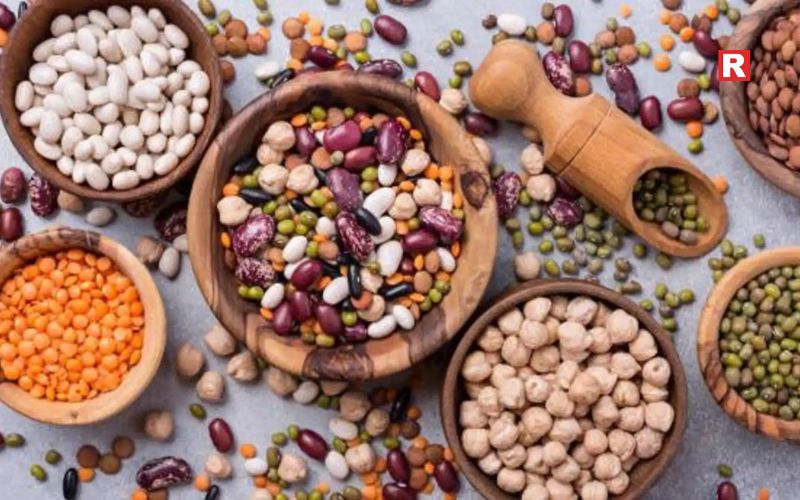
Dal and legumes are a daily staple in most Indian vegetarian homes. They are affordable and easy to cook. Toor dal, moong dal, masoor dal, chana, and rajma are commonly used. These foods are rich in plant protein and iron. They help support muscle strength and steady energy. Dal is light on the stomach when cooked with less oil and spices. It becomes more nutritious when eaten with rice or roti. This combination improves protein quality and keeps the body full for longer hours. Regular intake of dal supports overall health. It also helps maintain good digestion. A simple bowl of dal can make any meal balanced and complete.
2. Dairy Products
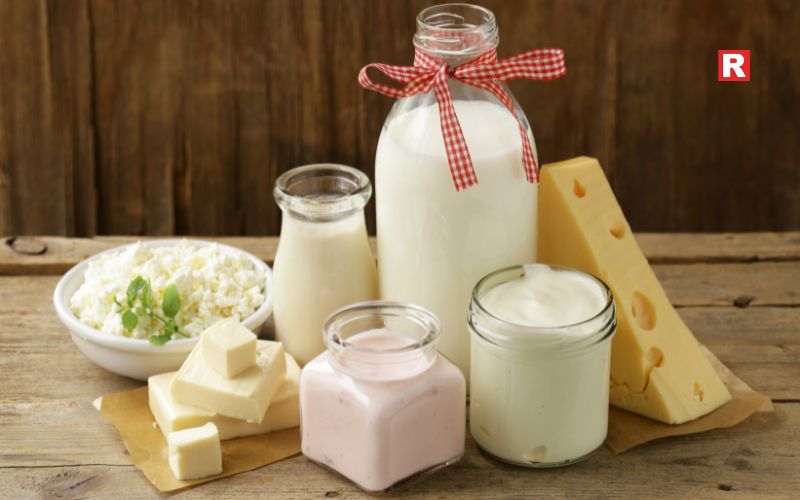
Dairy products play an important role in a vegetarian diet. Milk, curd, paneer, and buttermilk are widely consumed in India. Milk supports bone strength and daily nourishment. Curd improves digestion and supports gut health. It also helps the body absorb calcium better. Paneer is filling and works well in many dishes. It provides protein and keeps hunger under control. Buttermilk is light and cooling, especially in warm weather. Dairy adds variety and comfort to meals. When consumed in moderation, it supports strength and balance. Simple homemade dairy foods fit easily into daily vegetarian eating.
Know more: High Protein Indian Meals You Should Try
3. Soy-Based Foods
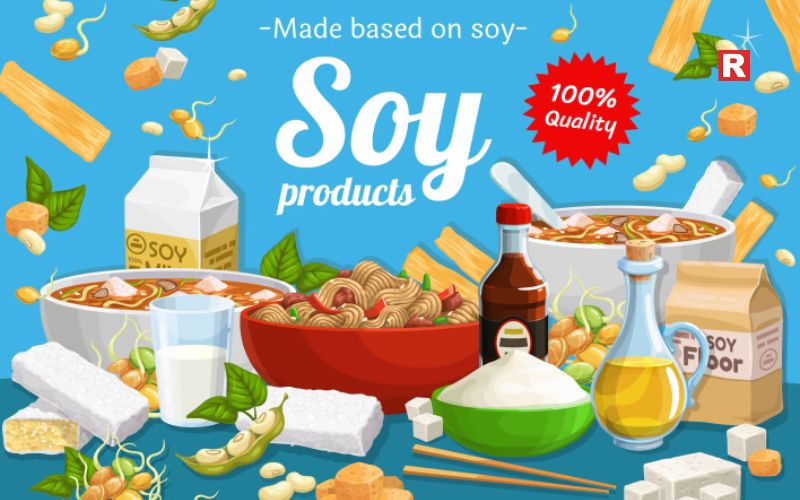
Soy-based foods are a strong protein option for vegetarians. Soy chunks, tofu, and soy milk are commonly used. Soy provides complete protein, which supports muscle health. It is especially helpful for people who avoid dairy. Soy chunks work well in curries and pulao. Tofu absorbs flavours easily and suits Indian spices. Soy milk can be used in beverages or cooking. These foods are filling and nutritious. They also help maintain energy levels. When cooked simply, soy-based foods are easy to digest. Including soy a few times a week helps improve protein intake in a vegetarian diet.
4. Nuts and Seeds
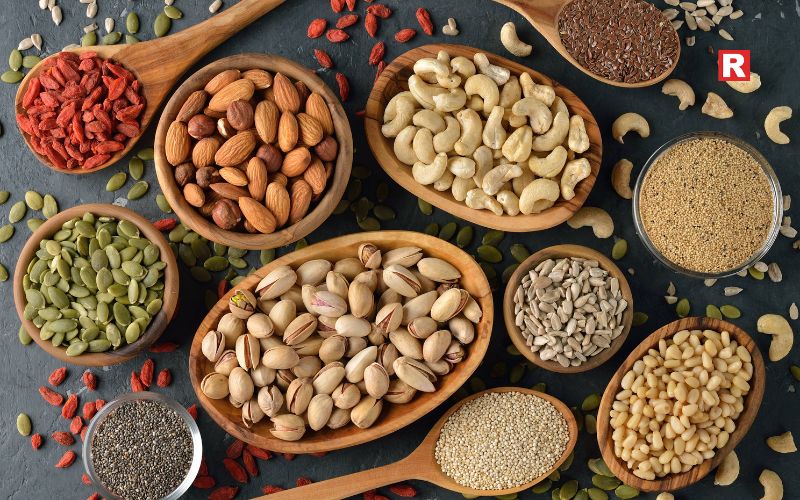
Nuts and seeds add nutrition in small amounts. Almonds, peanuts, and cashews are commonly eaten. Seeds like pumpkin, sunflower, and flaxseeds are also beneficial. They provide healthy fats, protein, and minerals. A small daily portion supports heart health and brain function. Nuts work well as snacks or breakfast additions. Seeds can be added to salads or curd. They help control hunger between meals. Roasting them lightly improves taste and digestion. Regular intake supports overall strength. Though high in calories, they are beneficial when eaten in controlled portions as part of a balanced vegetarian diet.
5. Sprouts
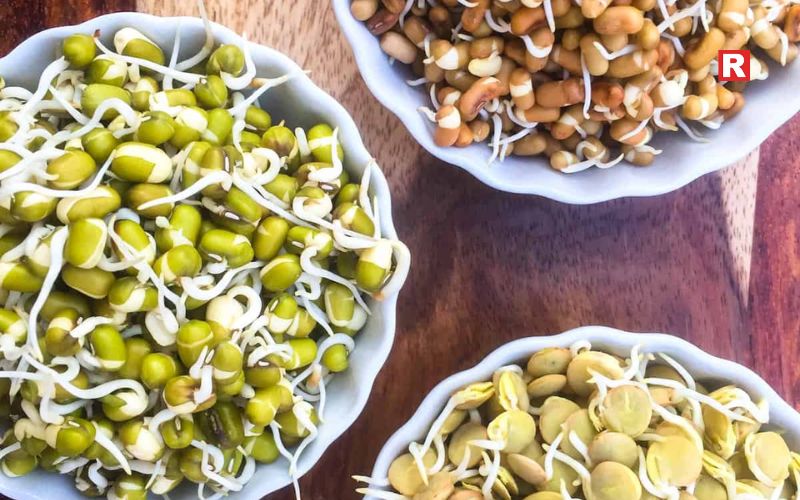
Sprouts are light, fresh, and rich in nutrients. Sprouted moong and chana are the most common choices. They are easy to digest and high in protein. Sprouts also provide fibre and vitamins. They support gut health and improve metabolism. Sprouts work well for breakfast or as an evening snack. They can be eaten raw or lightly cooked. Adding lemon and simple spices enhances taste. Sprouts keep meals light yet filling. They are especially useful for people who want clean eating. Including sprouts a few times a week adds freshness and balance to a vegetarian diet.
Also check: Try These Veg Soups in These Freezing Winters
A Balanced Vegetarian Meal Plate (Indian Style)
A healthy vegetarian plate should look simple.
- One or two rotis or a small bowl of rice
- One bowl of dal or paneer
- One dry vegetable
- One bowl of curd or buttermilk
- Fresh salad
This combination covers carbs, protein, fats, fibre, and probiotics.
Common Vegetarian Diet Mistakes
Many people eat vegetarian food but still feel low on energy.
Common mistakes include:
- Eating too much rice or roti
- Ignoring protein sources
- Relying on fried snacks
- Skipping vegetables
- Not drinking enough water
Vegetarian food should be nourishing, not just filling.
Check more: 7 Desi Alternatives to Oatmeal for Weight Loss
Top 5 States With the Spiciest Food in India
5 Foods to Avoid for Better Cholesterol
Happy Tummy!
A vegetarian diet is not limiting. Indian food already includes all the nutrients needed for daily health. Grains provide energy. Pulses add strength. Vegetables and fruits support digestion and immunity. Dairy adds balance and nourishment. Healthy fats help the body function well. When these foods are eaten together, meals feel complete and satisfying. Vegetarian eating does not mean giving up taste or tradition. It means choosing food that suits the body and daily routine. Indian kitchens have followed this pattern for years. Simple home meals often follow the right balance without effort. The focus stays on freshness and moderation. When meals are planned with care, vegetarian food supports long-term health. It fits family life and cultural habits. A well-planned vegetarian diet feels natural and sustainable. It supports energy, digestion, and overall well-being. With the right choices, vegetarian eating remains easy and fulfilling every day.
Saptopriya Ghosal
Feature Writer
I am a dedicated media professional with a bachelor's degree in mass communication from the State University of Calcutta and a postgraduate degree from Amity University. My academic journey has equipped me with a profound understanding of storytelling and communication. Passionate about the dynamic world of media, I continually strive to explore new ways to engage and inform through compelling narratives.



































































































































































