What’s The Difference Between Single Malt, Whiskey, And Scotch?
These names are often used casually, but each one has a distinct meaning rooted in tradition and technique. Understanding these terms can make choosing a drink much easier and more enjoyable.

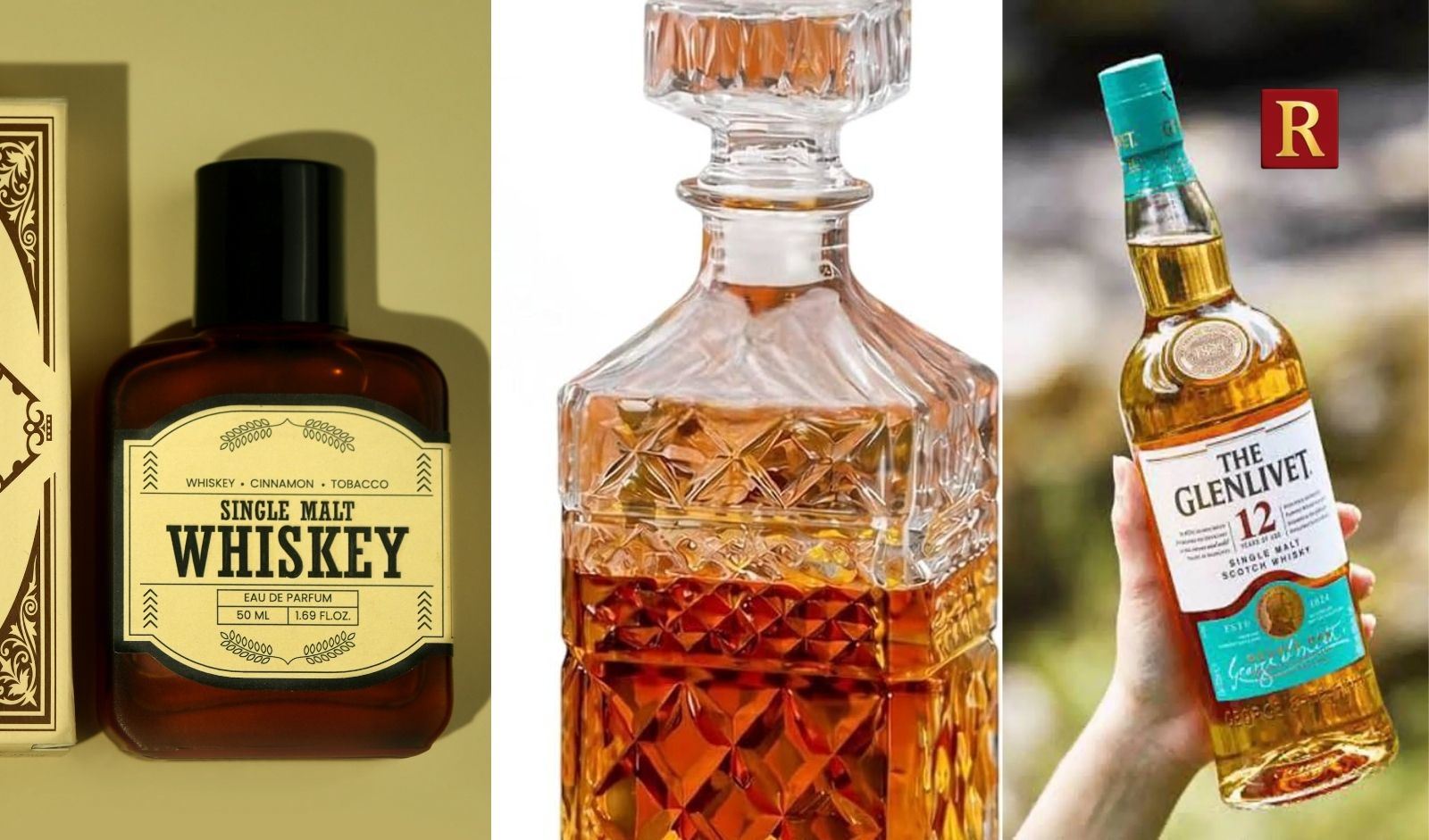
Many people have stood in front of a bar menu, puzzled by the terms whiskey, single malt, and scotch. If you've ever wondered what is whiskey, what is scotch, or what does single malt mean, you're not alone. These names are often used casually, but each one has a distinct meaning rooted in tradition and technique. Understanding these terms can make choosing a drink much easier and more enjoyable.
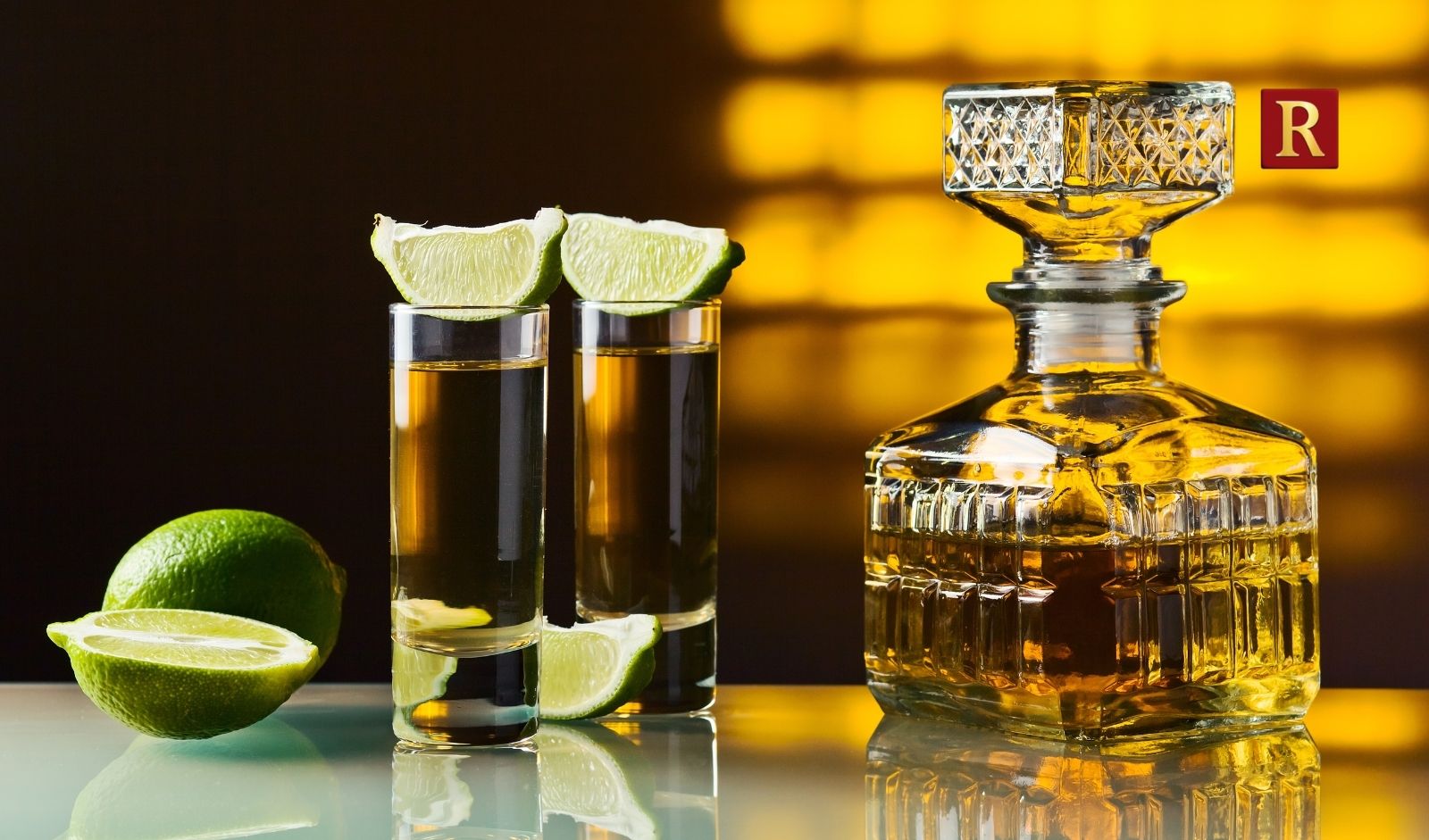
Whiskey is a broad category of spirit made from grains, distilled, and aged in wooden barrels. If you're wondering what is whiskey made of or what is whiskey made from, the answer includes grains such as barley, corn, rye, and wheat. Single malt is a specific type of whisky made only from malted barley at a single distillery, while scotch refers to whisky produced exclusively in Scotland under strict regulations. Understanding the difference between scotch and whiskey, the difference between scotch and whisky, and the difference between whisky and whiskey helps you appreciate the history, production methods, and flavours behind every glass.
Whiskey 101: The Big Umbrella
Whiskey, sometimes spelled whisky, is a well-known distilled spirit made from grains such as barley, corn, rye, or wheat. People often ask whisky or whiskey—which spelling is correct? The answer depends on where it is produced. Scotland, Canada, and Japan generally use "whisky," while Ireland and the United States prefer "whiskey."
The process begins by mashing the grains, fermenting them, distilling the liquid, and aging it in wooden barrels. If you're curious about what is whiskey made of, the grains used have a significant impact on the final flavour. It is an umbrella term covering many styles, including single malt and scotch.
What Makes a Single Malt So Special?
Understanding the single malt meaning is quite simple. A single malt whisky is made using only malted barley and is produced at one distillery. So, what does single malt mean? It means the whisky comes from a single distillery rather than a blend of multiple distilleries, preserving the unique character of that producer.
Many people also search for single malt vs double malt or the difference between single malt and double malt. While single malt has a strict definition, "double malt" is not an officially recognised whisky category. It is primarily a marketing term used by some brands and does not follow any universal production standard. Another common comparison is the difference between single malt and blended whisky. Single malt comes from one distillery using only malted barley, whereas blended whisky combines whiskies from different distilleries and may include both malt and grain whiskies to achieve a consistent flavour profile. When buying or planning to serve single malt whisky for a special occasion, it is also useful to check the list of dry days in 2026 to avoid any last-minute restrictions on alcohol sales or service.
Scotch: The Pride of Scotland
Scotch is a type of whisky that comes exclusively from Scotland and follows strict regulations. Many beginners ask what is scotch and what is scotch made from. Scotch is produced in Scotland using malted barley or other approved grains, depending on the style, and must be matured in oak casks for at least three years. The biggest point in the scotch vs whiskey debate is that all scotch is whisky, but not all whisky is scotch. The difference between scotch and whiskey lies primarily in geography, production rules, ingredients, and ageing requirements. Here are three important aspects to understand about scotch:
To be called scotch, the whisky must be produced and matured in Scotland. It must also be aged in oak barrels for a minimum of three years. This aging process gives scotch its depth and complexity.
Scotch can be made entirely from malted barley, which is called single malt, or from a combination of grains, known as blended scotch. Both styles offer unique flavors and appeal to different palates.
The taste of scotch often reflects the region it comes from. Some areas are known for producing light and sweet varieties, while others create bold, smoky, or peaty styles that showcase Scotland’s diverse landscapes and traditions.
Difference Table: Single Malt vs Whiskey vs Scotch
| Feature | Whiskey (General) | Single Malt | Scotch |
|---|---|---|---|
| What it is | Distilled spirit from grains, aged in barrels | A type of whisky made from malted barley at one distillery | Whisky made in Scotland under strict rules |
| Grain used | Barley, corn, rye, or wheat | 100% malted barley | Usually malted barley can be blended with grains |
| Distilleries | It can come from many distilleries | Comes from one single distillery | Must be made in Scotland |
| Aging requirements | Varies by country | Usually aged at least 3 years | Minimum of 3 years in oak barrels |
| Flavor profile | Depends on grain and barrel | Rich, layered, crafted flavors | Often smoky, peaty, bold |
| Where it’s made | Worldwide | Mostly Scotland, but also elsewhere | Only in Scotland |
From Grain to Glory
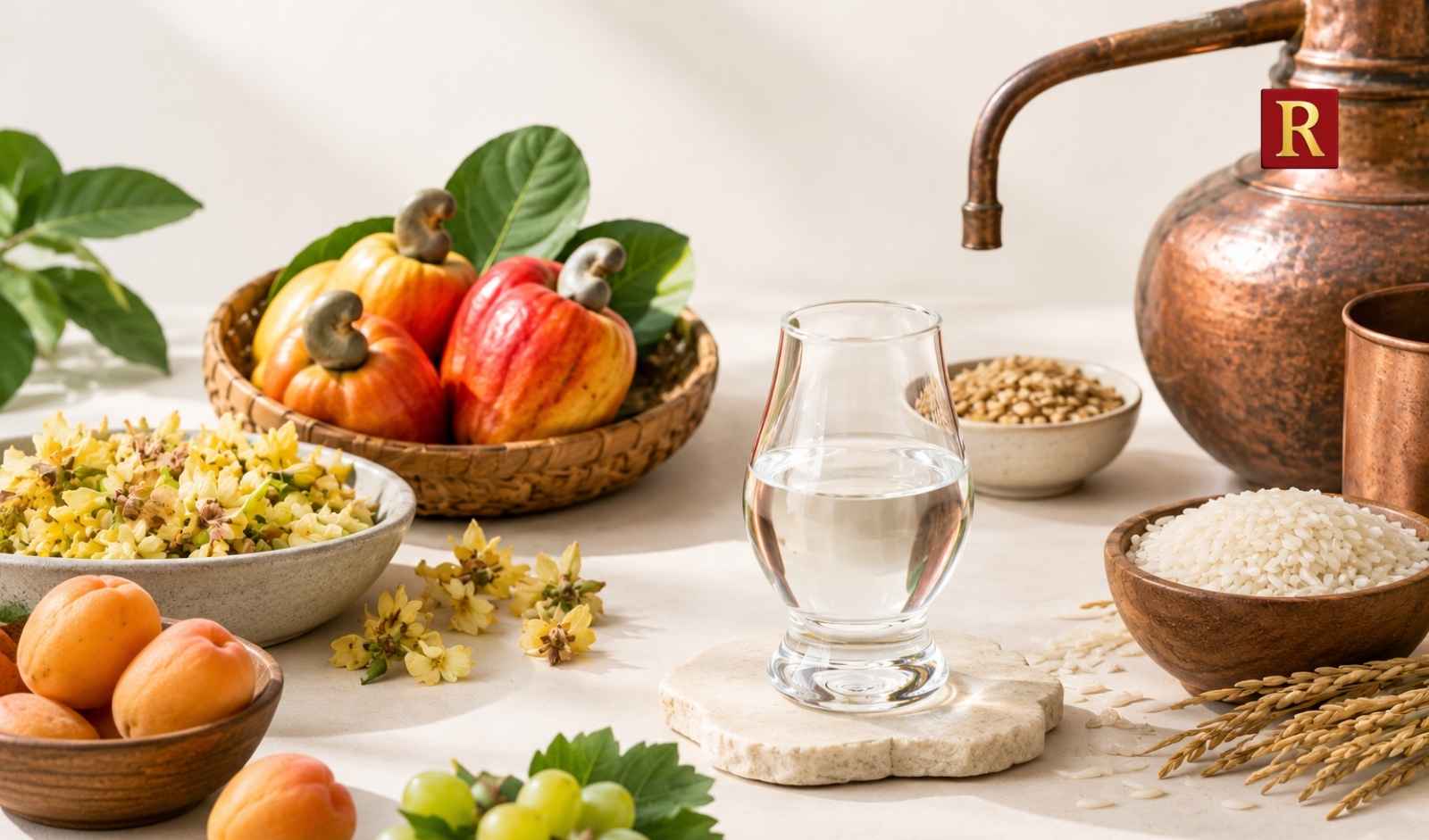
The choice of grain is what sets whiskey styles apart.
Barley gives rich, malty flavors.
Rye adds spice.
Corn makes it sweet and smooth.
Wheat offers a soft, light profile.
Knowing the grain helps you choose the right whiskey for your palate.
Barrel Magic
Whiskey owes much of its character to the barrel it matures in. The type of wood and the barrel’s history play a big role in shaping its color, aroma, and taste. Here are three key points to understand:
The wood of the barrel infuses the spirit with rich flavors and gives it its distinctive golden or amber color. Over time, the whiskey absorbs notes of spice, caramel, and smoke from the charred interior.
Scotch is often aged in barrels that once held sherry or bourbon. This adds layers of sweetness, fruitiness, and sometimes a soft vanilla finish to the final drink.
Single malt whisky highlights more of the oak’s natural influence and delivers subtle, clean flavors because it’s crafted from a pure, traditional recipe.
Scotland vs. The World
Whiskey is made around the world, but each region adds its own twist.
Scotland: Smoky, peaty, dry scotch.
Ireland: Smooth, triple-distilled, lighter whiskey.
USA: Sweet bourbons and spicy rye.
Japan: Delicate, refined whiskies with balanced flavors.
Scotch stands out for its stricter rules and stronger flavors.
Sip The World
By understanding the differences between whiskey, single malt, and scotch, choosing the right drink becomes much easier. Whether you're exploring scotch vs whiskey, trying to understand the difference between scotch and whiskey, or deciding between whisky or whiskey, knowing the basics can enhance your appreciation of every sip. Learning the single malt meaning, understanding what does single malt mean, and knowing the difference between single malt and blended whisky can also help you select a bottle that suits your taste. If you've ever wondered what is whiskey made from or what is scotch made from, the answer lies in the grains, production methods, and aging process. The more you know about these distinctions, the more confidently you can explore the diverse and fascinating world of whisky.
Saptopriya Ghosal
Feature Writer
I am a dedicated media professional with a bachelor's degree in mass communication from the State University of Calcutta and a postgraduate degree from Amity University. My academic journey has equipped me with a profound understanding of storytelling and communication. Passionate about the dynamic world of media, I continually strive to explore new ways to engage and inform through compelling narratives.