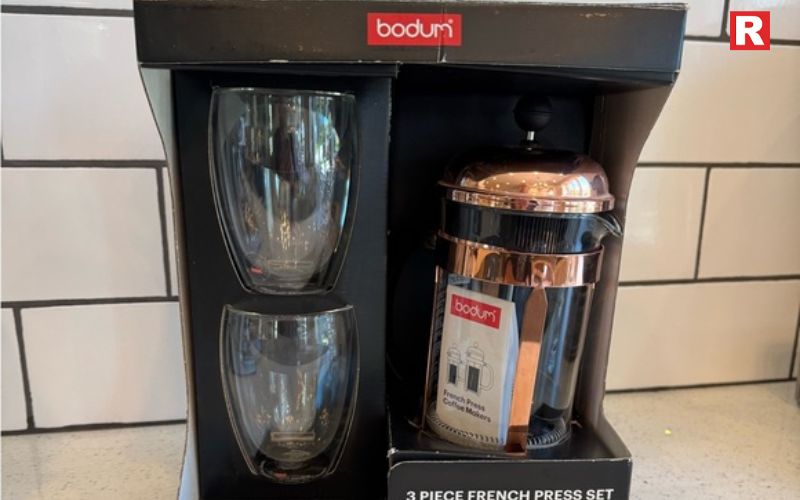
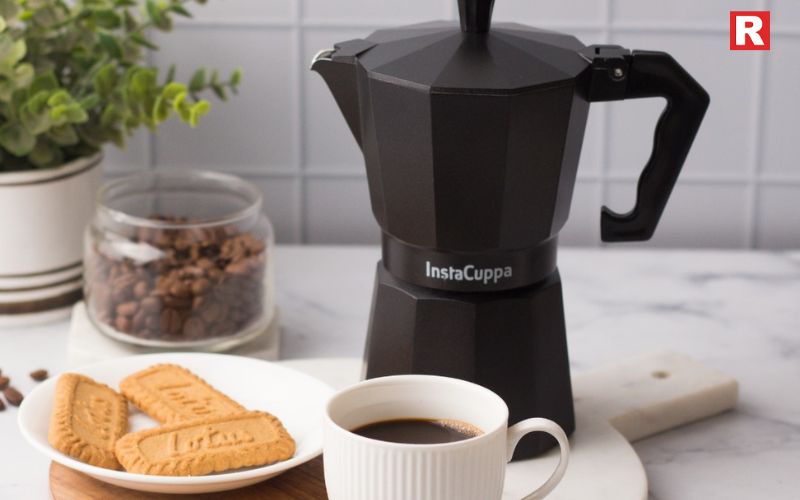
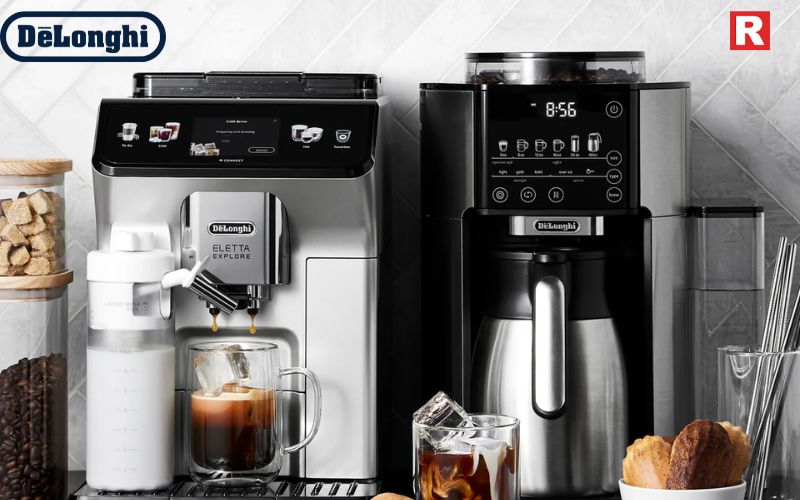
Coffee in India isn’t just a substitute for tea. For decades, it quietly stayed in the kitchens of the south, brewed in steel filters and poured with a practiced hand. Now, things have changed. Cafés are everywhere. People are getting creative at home, trying out pour-over drippers, French presses, moka pots, and many more. Grocery shelves are packed with premium blends from estates scattered across the Western Ghats.
India’s coffee scene is deep and full of surprises. The country’s coffee growers have been at it for generations, and the coffee they produce is famous because it is smooth and balanced, often blending Arabica and Robusta in unique ways. If you like your coffee soft and mellow, you’ll find something. If you want it bold and earthy, there’s that too. There really is a blend for everyone.
In this article, you’ll get to know the ten most popular blends in India, what they taste like, how to brew them, and why people love them so much.
Read more: Top Flavour Coffee Brands in India That Every Coffee Lover Must Try
Understanding What Makes a Blend Stand Out
A coffee blend isn’t just a random mix of beans. It’s a careful combination of different origins, roast levels, and flavors. Roasters use Arabica for its fragrance and complexity, and Robusta for its punch and body. Some blends look for deep, chocolatey richness. Others bring a bright, zesty kick. And a lot of Indian blends add chicory, which is a roasted root that makes the coffee thicker and gives it a bittersweet edge.
The best blends strike a balance that’s perfect for everyday drinking. India’s climate, with its tropical heat, monsoon rains, and high-altitude estates, means there’s a huge range of flavors to play with. Roasters can create blends that appeal to total newbies and coffee enthusiasts alike.
So, with that in mind, let’s look at the ten blends that really get people talking.
Ten Most Popular Blends of India
1. South Indian Filter Coffee Blend
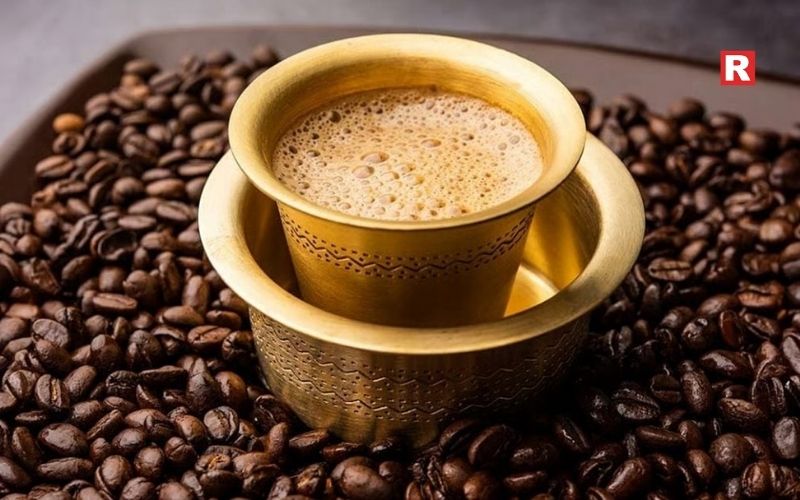
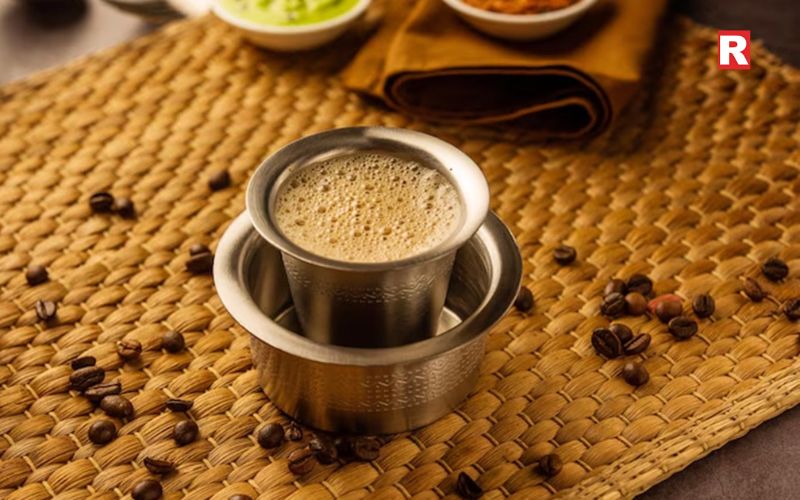
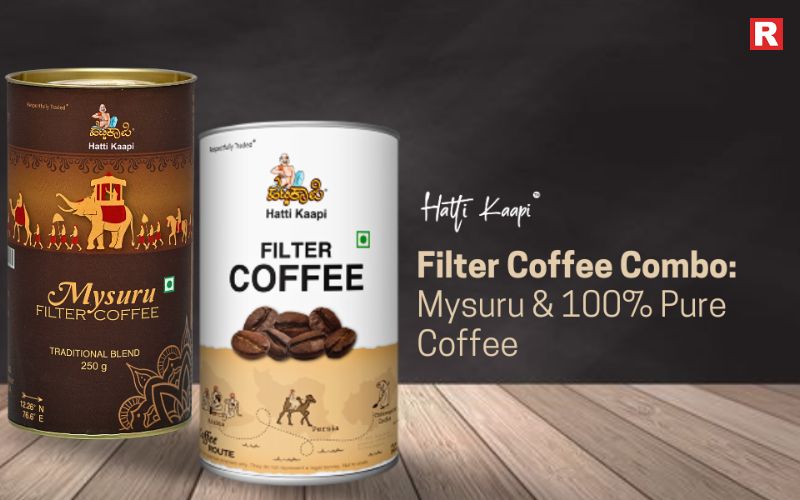
You can’t talk about Indian coffee without starting from here. This blend is more than a drink. It’s a tradition. It’s warm, aromatic, and packed with nostalgia. Usually, it’s a mix of medium-dark roasted Arabica and Robusta, plus a bit of chicory. Chicory thickens the coffee and leaves a caramel finish that pairs perfectly with hot milk.
It’s brewed in a steel filter, and the result i a cup of coffee that’s smooth, full, and never too sharp. For a lot of families, this is an essential part of their breakfast. It’s popular because it tastes great, sure, but also because it feels like home.
Know more: 10 Best Coffee Bean Brands in India
2. Monsooned Malabar Blend
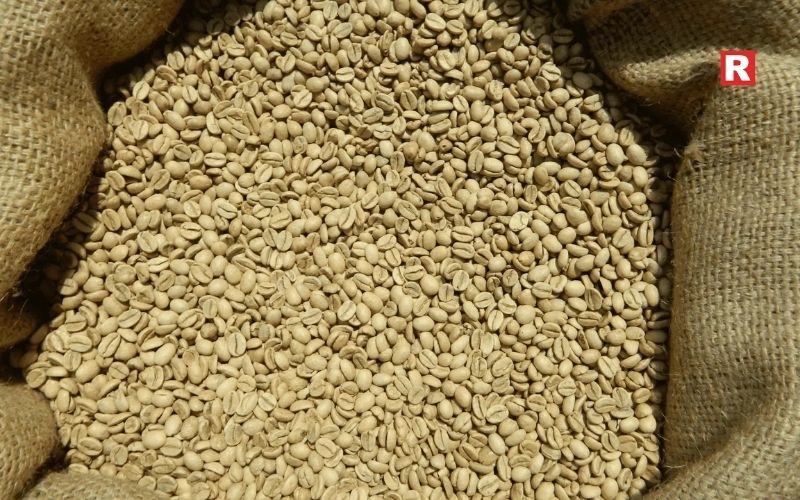
If you want something unique, try this blend. During the monsoon season, these beans are exposed in open warehouses and soak up the damp winds, swelling up and losing most of their acidity. They turn pale gold and taste ridiculously smooth, soft, and mellow, with an earthy finish.
Roasters often mix Monsooned Malabar beans with some lightly roasted Arabica for aroma. The result is a cup that’s low on sharpness and big on comfort. People love it in the afternoon, when you want something gentle. Espresso fans love it too, since it feels like a creamy shot with almost no acidity.
3. Indian House Espresso Blend
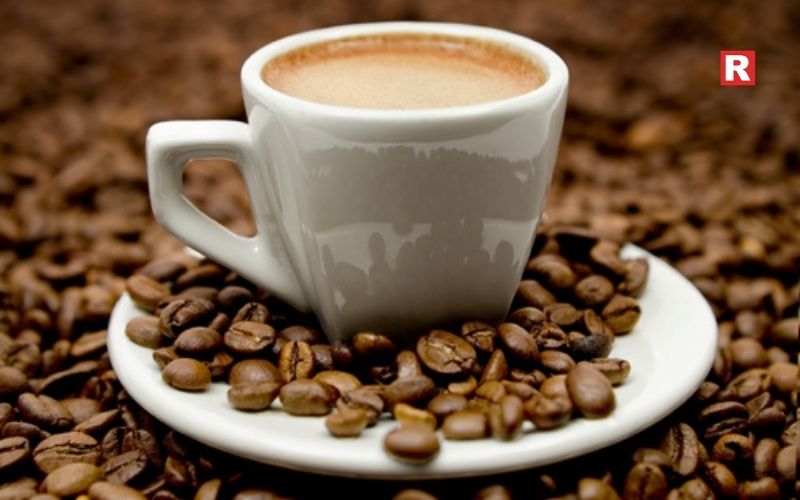
Walk into any café, and you’ll probably be drinking some version of this. It’s built on medium-dark Robusta for body and crema, with Arabica thrown in for a bit of fragrance. If done right, you’ll get flavors of cocoa, roasted nuts, and a hint of spice i your coffee.
This blend works everywhere. It makes a strong, dependable shot of espresso. Cappuccino, latte, mocha, cold coffee, it handles them all. Home baristas love it because it’s reliable, especially with moka pots or espresso machines.
4. Plantation A Blend
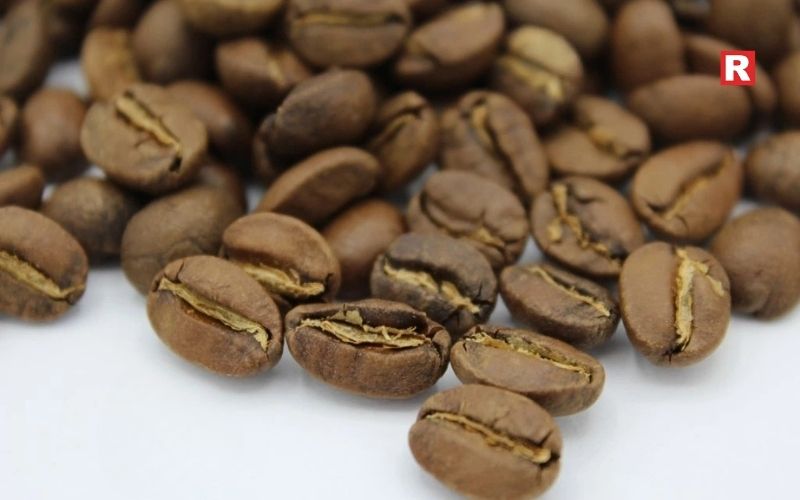
Plantation A is a well-known grade of washed Arabica that’s famous for being clean and balanced. Roasters usually get beans from estates in Karnataka or Kerala and blend them for a medium body and gentle acidity.
Its flavor leans toward mild sweetness, with hints of citrus or light chocolate, depending on how it’s roasted. If you like your coffee clear and not too heavy, this is your blend. It’s perfect for pour-over or drip brews, where those subtle flavors really come through.
5. Peaberry Blend
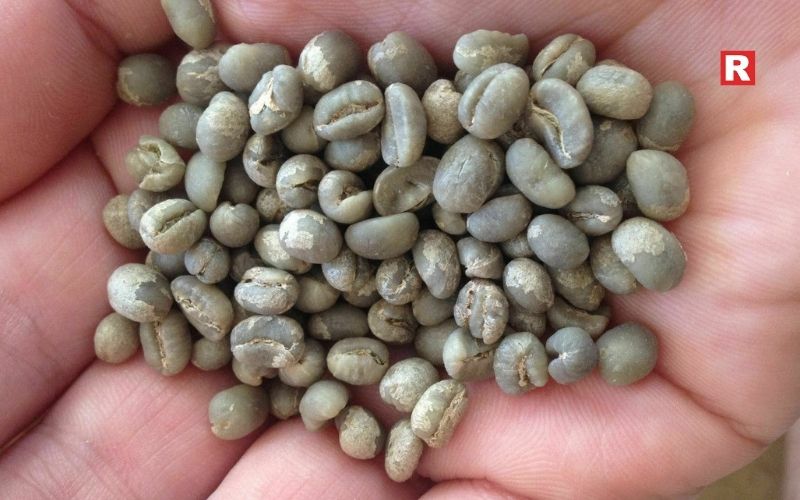
Peaberry beans are a bit of a rarity. When a coffee cherry produces just one round seed instead of two, you get a peaberry. They roast evenly and pack a lot of flavor. Peaberry blends usually mix peaberry Arabica with some peaberry Robusta, giving you a cup that’s bright but still balanced.
This blend’s a favorite for anyone who loves lively acidity and a crisp finish. You’ll usually taste some fruit, a hint of spice, maybe a bit of floral sweetness. It’s great for people who drink their coffee black and want something bright and energetic, without that bitter bite.
What's new: 12 Refreshing Herbal Tea Blends You Must Try This Season
6. Cold Brew Blend
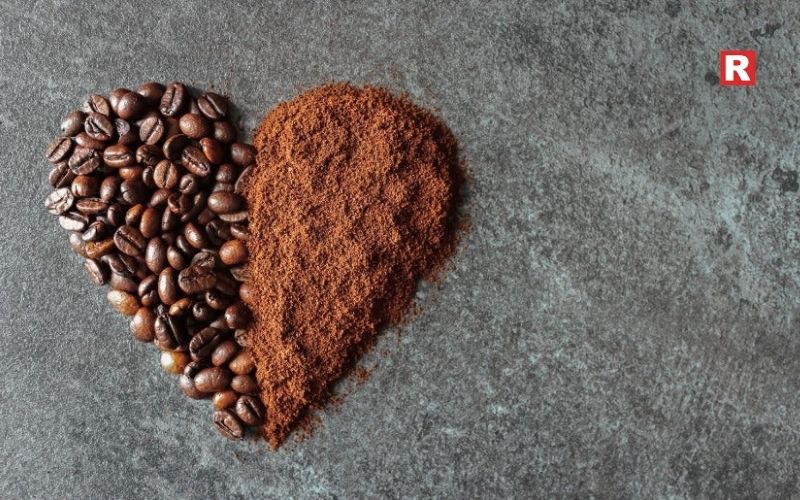
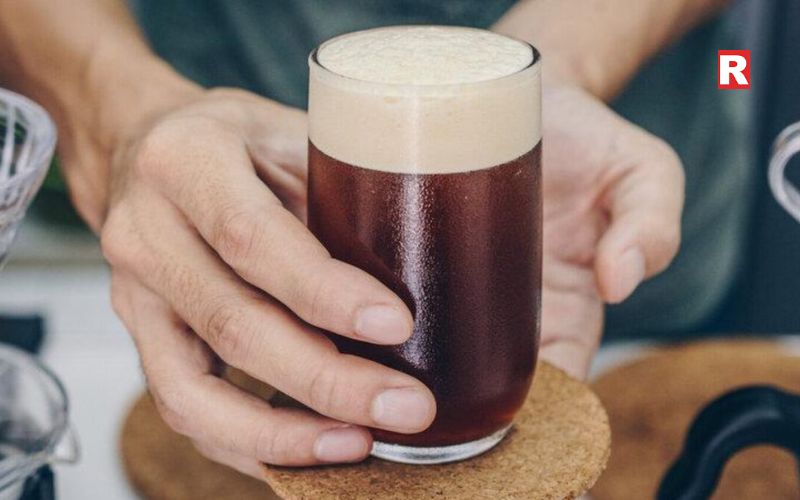
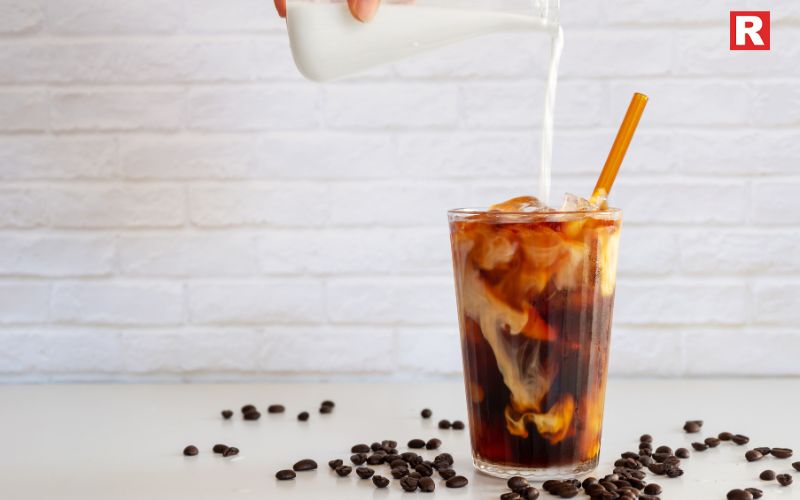
Cold brew needs a different approach. Roasters go for a medium-dark roast, so the coffee’s rich but not too tangy. They pick beans that naturally turn out sweet and smooth after sitting in cold water for hours.
You’ll often notice flavors like chocolate, caramel, or toasted nut flavors. It’s cool and refreshing, with no sharpness. No wonder it’s a go-to in the summer, especially for younger coffee fans and anyone who likes café-style cold brews at home.
7. Specialty Arabica Blend
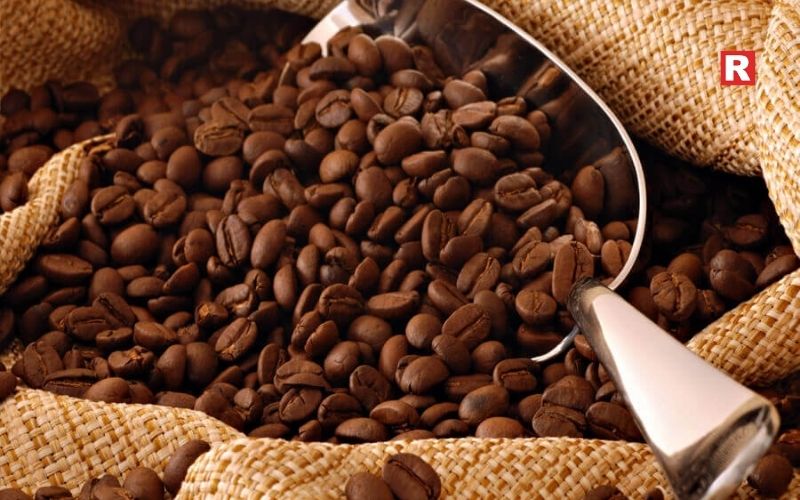
This blend category has gained remarkable popularity thanks to specialty cafés and small-batch roasters. A specialty Arabica blend uses top-grade beans from estates where farmers pay extra attention to careful cultivation, shade-grown, and handpicked.
Flavors can swing all over the place: berries, citrus, cocoa, caramel. These blends are perfect for manual brewing methods, where you can really notice the details. If you’re curious and want to taste something beyond the usual café stuff, this one’s for you.
8. Indian Spiced Coffee Blend
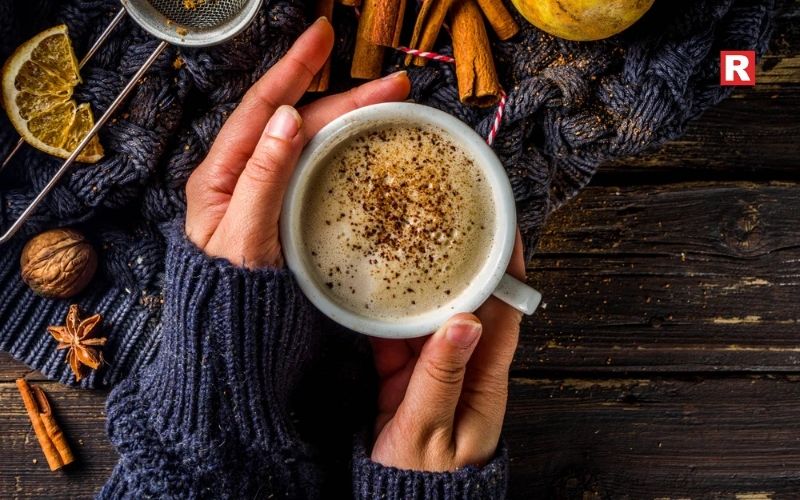
Adding spices to tea is old news in India, but spiced coffee has gained quite an influence of itself. These blends mix ground cinnamon, cardamom, nutmeg, or clove right in with the beans.
The result is a cup that smells amazing and feels warm and festive. It’s especially good with milk and made especially as soon as winter sets in. Now, you’ll find plenty of brands that offer ready-to-brew blends, so you don’t have to mess around with spices yourself.
9. Chicory-Rich Heritage Blend
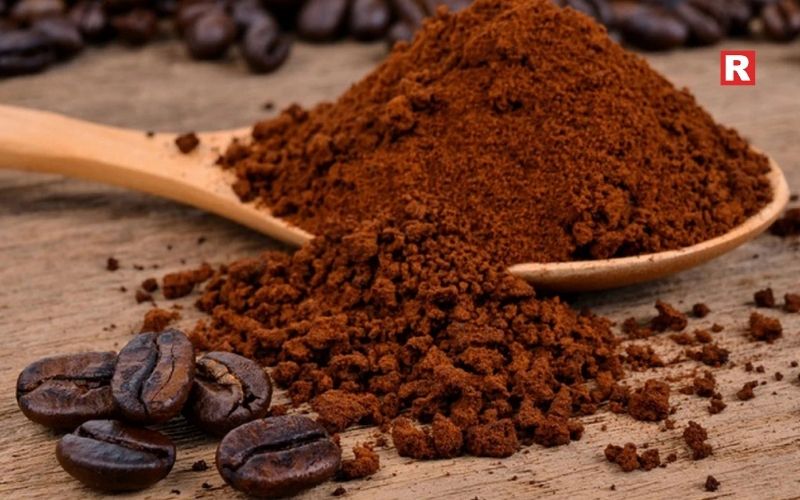
Chicory’s a classic in Indian coffee. Heritage blends pack in more chicory, making the coffee dark, aromatic, and bold.
You get a strong, bittersweet cup that feels thick and satisfying, which is perfect if you like your coffee with milk. It’s affordable and familiar, a true comfort drink for anyone who loves full-bodied, old-school taste.
10. Premium Instant Blend
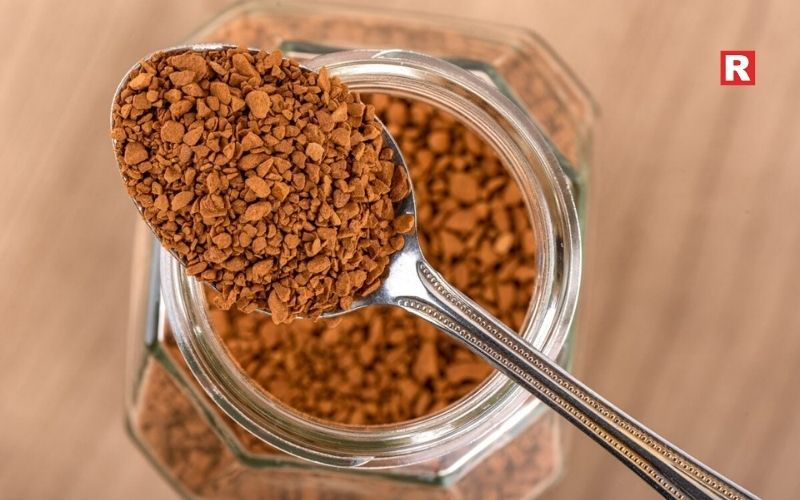
Instant coffee isn’t what it used to be. Newer premium blends combine spray-dried and freeze-dried granules, so your coffee holds onto more aroma and body. Most brands now focus on Arabica, so the taste is much smoother than old-school instant.
It’s still one of India’s top sellers because it’s so easy. No equipment needed, always consistent, and good flavor with zero hassle. Sure, it’s not as deep as fresh-brewed, but it’s reliable, and that’s why it’s a staple in so many homes.
The Influence of Regions on Indian Coffee Blends
India’s coffee belt stretches through Karnataka, Kerala, Tamil Nadu, and parts of Andhra Pradesh. The weather, height, and soil in these states shape every bean.
- Karnataka grows most of India’s coffee, like smooth, full-bodied Arabica and strong Robusta.
- Kerala’s beans are lean, sweet, and clean.
- Tamil Nadu offers balanced flavors and nice acidity.
- Andhra Pradesh contributes smaller than others but is gaining fans for its earthy coffees.
These regional traits give roasters the ability to create blends that feel distinctly Indian, offering character and depth without overpowering acidity.
Check out: Top 10 Tea Brands in India That Every Chai Lover Swears By
10 Vegetarian Indian Foods That Help You Gain Weight the Healthy Way
Choosing the Right Blend for Your Taste
Knowing what you like makes picking a blend simple.
- For strong, milky coffee, go for chicory blends or house espresso.
- If you want something mellow and smooth, try Monsooned Malabar or Plantation A.
- If you like it bright and fresh, Peaberry or specialty Arabica is your best bet.
- For pure convenience, stick with a premium instant.
- Cold brew blends are best if you want iced coffee.
- For that South Indian vibe, filter coffee blends are the way to go.
Your brewing method matters too. Some blends shine in filters, others in espresso machines or French presses.
Brewing Recommendations
Want to get the most from your blend? Then try this:
- Filter brewers bring out aroma and a rounded taste.
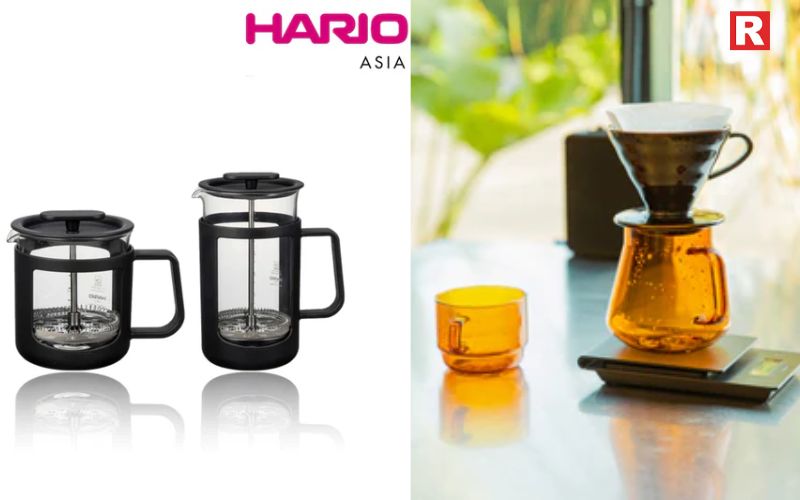
- French press gives you heft and depth.
- Pour-over makes the flavors clear and complex.
- Moka pots deliver a punchy, concentrated cup.
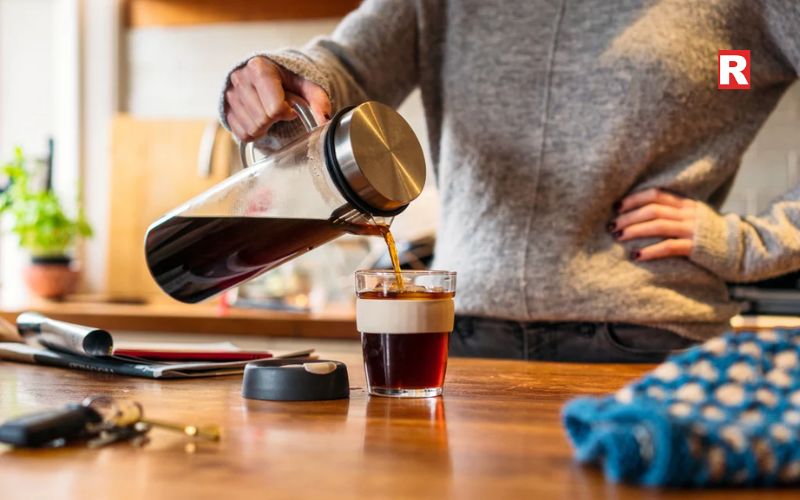
- Cold brew pitchers turn up the sweetness and keep acidity low.
Getting the grind, water temp, and brew time right makes a big difference. Small adjustments can really elevate your coffee cup.
Storage Tips for Freshness
Coffee loses its magic fast if you leave it out. Keep your beans or grounds sealed tight, away from sunlight and moisture. Don’t use the fridge to store food, as condensation ruins flavor. Try to buy smaller packs, especially with special blends. Freshness matters more than you might think.
Last Sip
A good coffee blend stays in your mouth, even after you’ve finished the last sip. In India, some blends are just legendary, rich and cozy, bright and lively, or maybe soft and sweet. Exploring these blends isn’t just about the drink; you start to pick up on how region, roast, and tradition all play into making those flavors. Maybe you wake up craving something strong and bold, or maybe you want something mellow to ease into the morning. Either way, there’s always a blend that matches your mood. As coffee culture keeps picking up steam in India, these classic blends stick around, always there to welcome both newcomers and old fans with something warm, familiar, and just a little bit special.
Learn more: 7 Tequilas That Deserve a Spot on Your Bar Shelf