What Makes a Spirit Become a Cult Favourite?
The bottles that endure are likely to be the ones people can taste, understand, discover and eventually recommend. That is when a spirit stops being just another bottle on the shelf and becomes a cult favourite.


Some spirits are bought because they are expensive. Others are bought because people genuinely want them. A small group goes further. These are the bottles people search for, discuss with bartenders, compare across batches and recommend to friends. That is what gives a spirit cult status.
A cult favourite is not necessarily the oldest, rarest or most expensive bottle on the shelf. Its appeal usually comes from a combination of distinctive flavour, credible craftsmanship, provenance, scarcity and a strong community of drinkers. In India, this question is becoming more relevant as consumers explore more premium and diverse spirits. IWSR reported that India's total beverage alcohol volume grew 7% in the first half of 2025, while premium-and-above volumes grew 8%. Imported spirits also continue to gain ground. So, what makes one bottle become a cult favourite while another remains just another premium spirit?
Premium Does Not Always Mean Cult
The first distinction is important. A premium spirit usually offers a higher price, better packaging, stronger ingredients or a more sophisticated production story. A cult spirit creates something more powerful: desire and recognition.
- A luxury bottle may make a consumer think, “I would like to own this.”
- A cult bottle creates a different reaction: “Where can I find it?”
That difference is built over time. It can come from a limited release, a memorable flavour, a bartender recommendation or simply the feeling that the bottle has a story worth knowing. This is especially relevant as the definition of premium itself changes. IWSR's 2026 research says premiumisation is increasingly being linked to meaningful experiences rather than price alone.
1. The Liquid Needs a Personality
Marketing may introduce a spirit, but the liquid has to give people a reason to remember it. Distillation, fermentation, maturation and blending all influence how a spirit tastes. In whisky, for example, fermentation creates flavour compounds before distillation concentrates and shapes them. Maturation then adds another layer through interaction with the cask. Cask selection can influence colour, aroma, texture and flavour. The length of maturation matters too, but age is not the only measure of quality. Scotch whisky regulations also make age statements precise. If a bottle contains whiskies aged 8, 12 and 15 years, the stated age can only be 8 years because it refers to the youngest whisky in the blend. These technical details matter because cult spirits often have a recognisable identity. A drinker may not know every production step, but they remember the result. It could be a smoky whisky, a strongly botanical gin, an earthy agave spirit or a rum with a distinctive fermentation character. The flavour does not have to be extreme. It has to be memorable.
2. Scarcity Makes the Bottle More Interesting
Availability is another important part of the equation. A bottle that is everywhere may be easier to buy, but a bottle released in small batches can create a different kind of attention. Single-cask whisky, annual releases, distillery exclusives and small-batch spirits all benefit from this effect. But scarcity by itself is not enough. A poorly made spirit does not become a cult favourite simply because there are fewer bottles.
- The stronger formula is: Quality + scarcity + credibility = desire.
When consumers believe that a release is genuinely limited and worth experiencing, finding it becomes part of the experience. That creates the difference between “I bought a bottle” and “I finally found a bottle.”
3. Provenance Gives a Spirit a Story
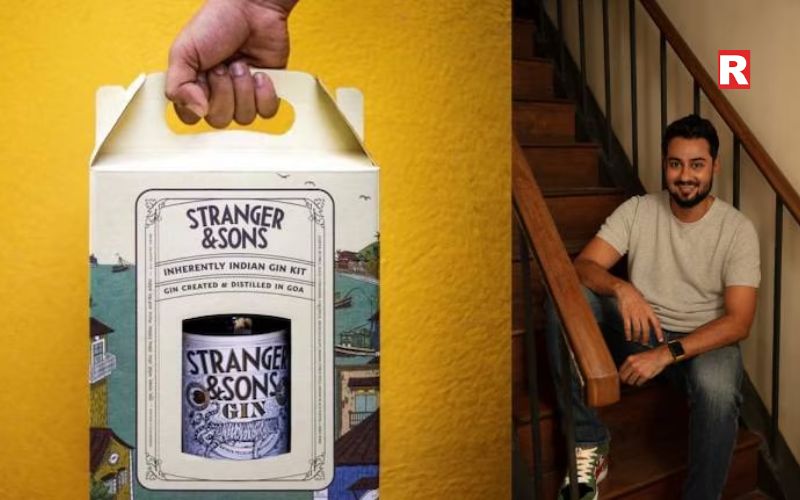
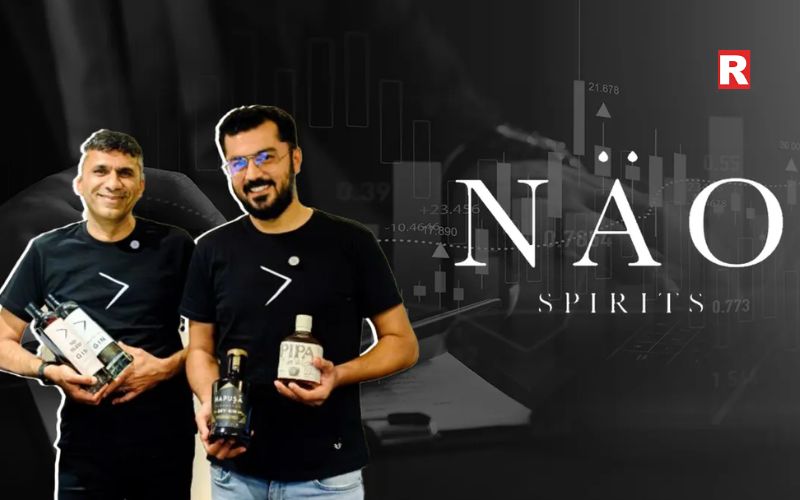
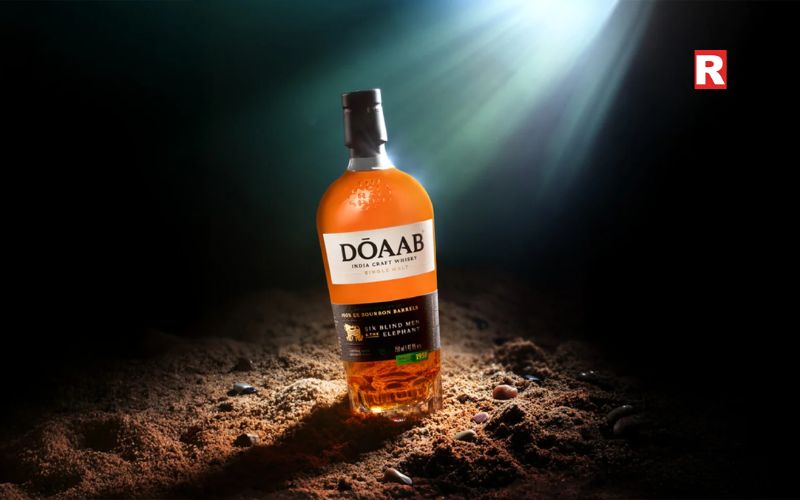
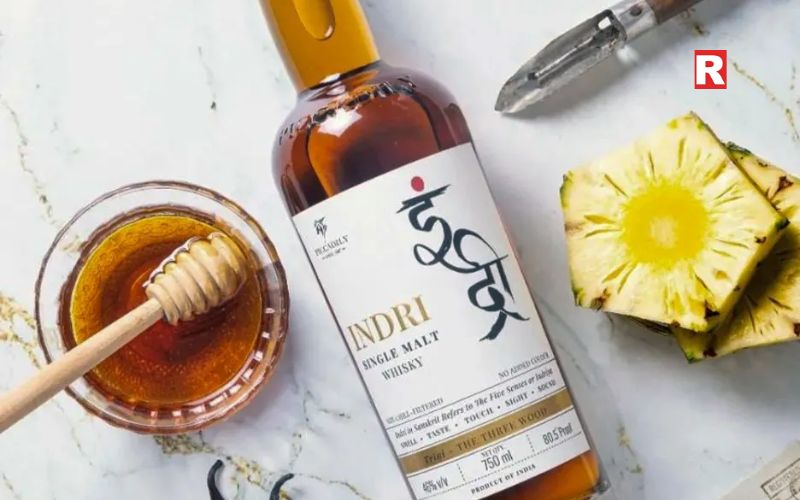
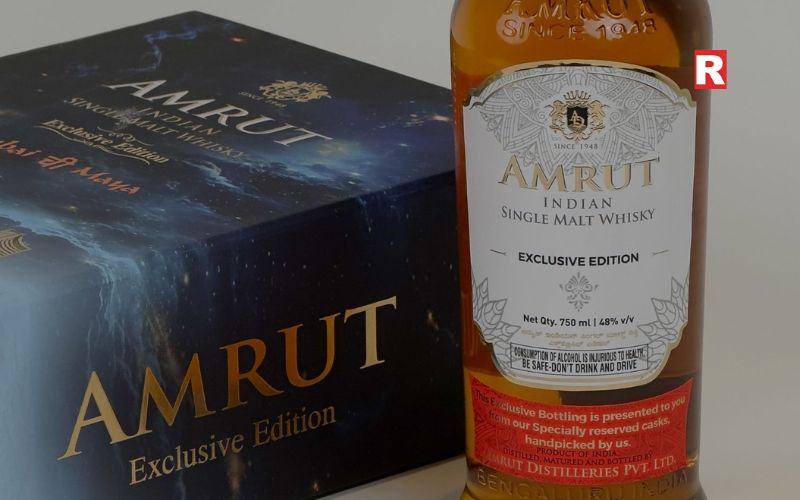
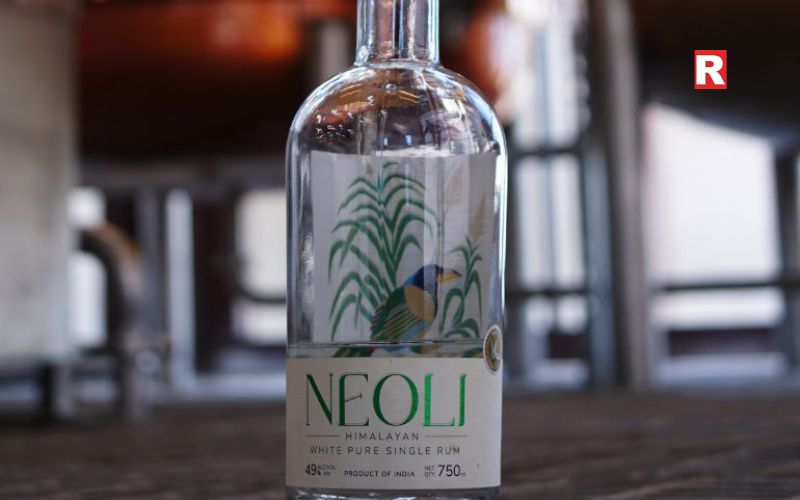
Where a spirit comes from can be almost as important as what is inside the bottle. Its raw materials, water, climate, production location and local ingredients can give it a stronger identity. This is particularly interesting for Indian spirits. India's growing premium market is no longer limited to imported luxury. IWSR has noted increasing recognition of Indian-made premium products, including Indian single malts and craft gins. That opens a wider opportunity. Indian spirits can build identity around regional grains, indigenous botanicals, local fruits, sugarcane, tropical maturation and other ingredients connected to place. The story becomes more credible when it explains something that actually affects the liquid. A Himalayan botanical should not simply be a marketing line. It should have a role in the flavour or production process.
4. Bartenders Can Create Discovery
Many consumers first encounter an unfamiliar spirit at a bar. A bartender can explain why a particular bottle tastes different, recommend a serve or use it in a cocktail. That recommendation can carry more weight than a conventional advertisement because it happens at the exact moment someone is deciding what to drink.
- The journey can be simple: Distillery → bartender → cocktail → curious drinker → home purchase → recommendation.
This is one reason cocktail culture can help smaller spirits gain attention. A bottle that starts as a bartender's recommendation can gradually become something enthusiasts actively seek.
5. A Good Story Gives People Something to Repeat
Cult products often have stories that are easy to pass on.
- Why was the spirit created?
- Why was a particular cask selected?
- Why is a batch different?
- What makes the production location special?
- Who is behind the distillery?
The strongest stories answer these questions without exaggeration. This matters because word of mouth works best when consumers have something specific to say.
- “It's expensive” is not much of a story.
- “It uses a particular botanical from this region and has a distinctive citrus-and-spice profile” is.
6. Ritual Turns a Bottle Into a Habit
Some spirits develop rituals around how they are consumed. Whisky drinkers may compare a spirit neat and with a few drops of water. Gin drinkers may have a preferred garnish. Collectors may wait for every annual release. Enthusiasts may compare different batches side by side. These habits create familiarity. The bottle is no longer just an alcoholic drink. It becomes part of a personal routine. That is valuable because habits are harder to replace than simple purchasing decisions.
7. Community Creates the Cult
Perhaps the biggest difference between a popular spirit and a cult spirit is community. Cult bottles generate conversation. People discuss tasting notes. They compare editions. Bartenders recommend them. Collectors look for older releases. Enthusiasts share discoveries. The consumer becomes part of a group that understands why the bottle matters. This also explains why knowledge is becoming a form of status in premium spirits. The new flex is not always saying, “I own an expensive bottle.” Sometimes it is being able to explain why the bottle is interesting.
India's Opportunity to Build the Next Cult Spirit
India's expanding spirits market provides fertile ground for this behaviour. IWSR expects India's total beverage alcohol volumes to continue growing, with spirits forecast to record roughly 3% to 4% annual growth between 2024 and 2034. Imported spirits also grew strongly between 2019 and 2024. At the same time, Indian drinkers are becoming more familiar with premium categories. Indian single malts, craft gin, agave spirits and premium rum are giving consumers more reasons to explore beyond traditional choices. The opportunity for Indian producers is therefore not simply to make a more expensive bottle. It is to create something with character, credibility and context. A spirit connected to a place, ingredient, production method or distinctive flavour has more material to build a following around.
The 7C Formula Behind a Cult Spirit
A useful way to understand cult status is through seven factors:
- Character: Does the spirit have a recognisable flavour profile?
- Craft: Is there real skill behind its production?
- Context: Does it have a meaningful connection to place or culture?
- Credibility: Do knowledgeable drinkers and bartenders respect it?
- Constraint: Is availability genuinely limited?
- Community: Do people actively discuss and recommend it?
- Continuity: Does the brand maintain its identity and quality over time?
No single factor guarantees cult status. Together, however, they explain why certain bottles develop a following that goes far beyond their price.
The Bottle Becomes More Than a Drink
A cult favourite cannot be created simply by putting a high price on a bottle or calling it limited edition. The liquid has to give people something to remember. The production has to offer something credible. The story has to be worth repeating. And the community has to keep the conversation alive. That makes cult status less about luxury and more about connection. For India's increasingly curious spirits consumer, that distinction could become even more important. As more premium bottles enter the market, simply being expensive will not be enough to stand apart. The bottles that endure are likely to be the ones people can taste, understand, discover and eventually recommend. That is when a spirit stops being just another bottle on the shelf and becomes a cult favourite.
Saptopriya Ghosal
Feature Writer
I am a dedicated media professional with a bachelor's degree in mass communication from the State University of Calcutta and a postgraduate degree from Amity University. My academic journey has equipped me with a profound understanding of storytelling and communication. Passionate about the dynamic world of media, I continually strive to explore new ways to engage and inform through compelling narratives.