
What is the Difference Between Puchka, Golgappa, and Pani Puri? India's Favourite Street Food Battle Explained
The answer lies in the details. Puchka delivers bold tamarind flavors and intense spice. Golgappa focuses on balance with sweet, tangy, and refreshing notes

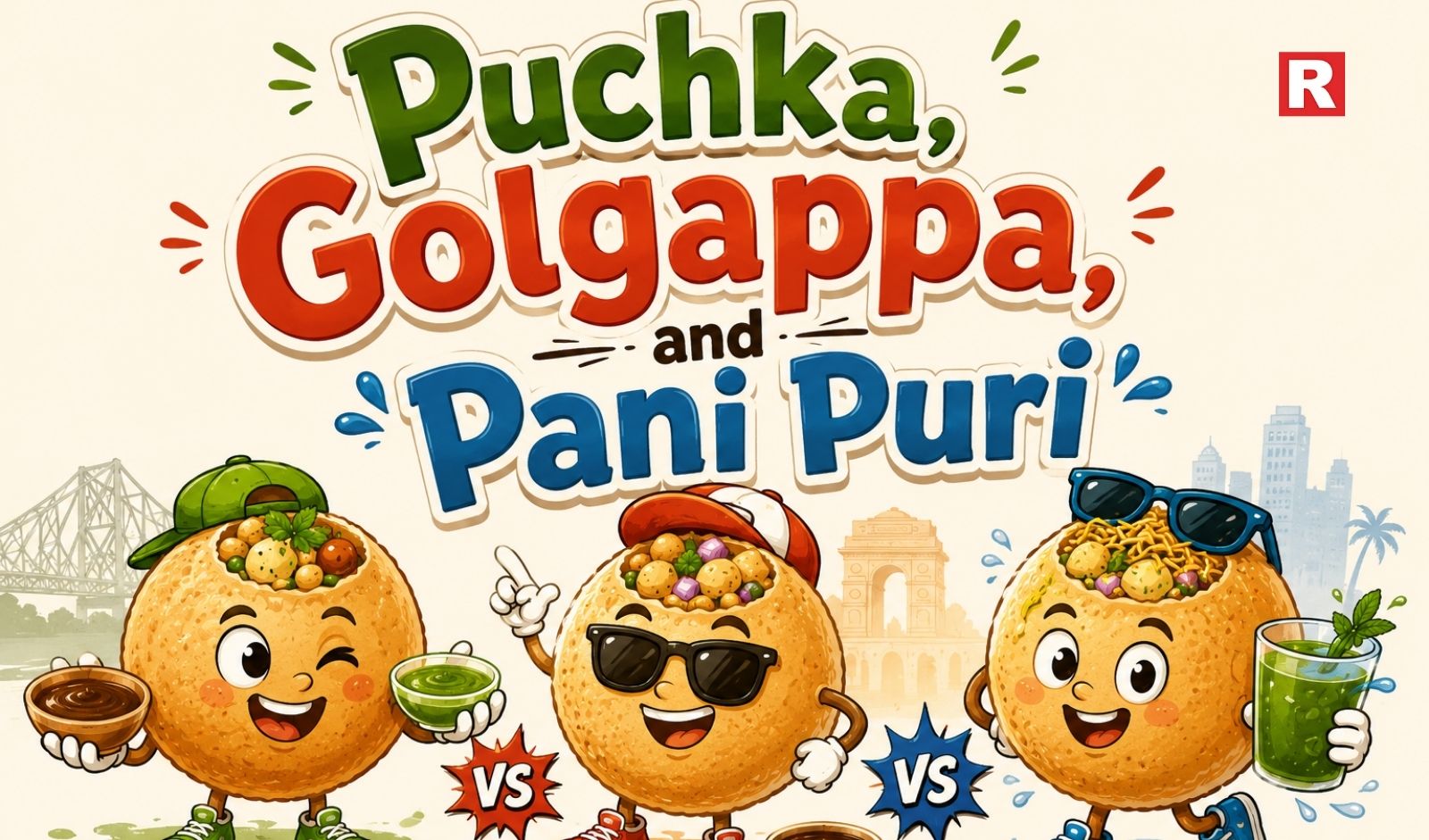
India is known for its rich food culture, and few snacks are as loved as Puchka, Golgappa, and Pani Puri. Whether you are walking through the busy streets of Kolkata, exploring the markets of Delhi, or enjoying an evening in Mumbai, you are likely to find people gathered around a street vendor enjoying these crispy delights.
At first glance, they may look identical. A hollow fried puri filled with potatoes and flavored water does not seem very different. However, ask a local from each region, and you will quickly discover that these snacks have distinct identities. The ingredients, flavors, fillings, and even the way they are served vary from city to city. Let's explore what truly sets Puchka, Golgappa, and Pani Puri apart.
What Are Puchka, Golgappa, and Pani Puri?
All three versions consist of a crispy hollow shell known as a puri. The puri is filled with ingredients such as potatoes, chickpeas, sprouts, or ragda and then dipped in flavored water before being eaten in one bite.
The snack is known by different names across India. In West Bengal and parts of Bihar, it is called Puchka. In Delhi, Punjab, Haryana, and much of North India, it is known as Golgappa. In Maharashtra, Gujarat, and many western regions, it is called Pani Puri. Despite sharing a common foundation, each version offers a completely different eating experience.
Puchka vs Golgappa vs Pani Puri: Quick Comparison Table
Feature | Puchka | Golgappa | Pani Puri |
|---|---|---|---|
Popular Region | West Bengal, Bihar | Delhi, Punjab, Haryana, Uttar Pradesh | Maharashtra, Gujarat |
Puri Texture | Crispier, darker, often made with whole wheat flour | Larger and thicker | Thin, light, and delicate |
Main Filling | Spiced potatoes and black chickpeas | Potatoes and white chickpeas | Potatoes, ragda, sprouts |
Water Flavor | Tangy tamarind, spicy, sour | Minty, jaljeera-style, tangy | Sweet, spicy, and customizable |
Sweet Chutney | Rarely used | Commonly used | Often available separately |
Spice Level | High | Medium to High | Adjustable |
Overall Taste Profile | Sharp, bold, and tangy | Balanced sweet, spicy, and tangy | Diverse and customizable |
The Fascinating History Behind This Street Food
The origins of this iconic snack are surrounded by stories and legends. One popular belief connects it to the Mahabharata. According to folklore, Draupadi was asked to prepare a meal using limited ingredients. She combined small portions of dough, potatoes, and spices to create a filling snack, which many people believe inspired today's Pani Puri.
While historians debate the exact origin, most agree that the dish evolved over centuries and became one of India's most beloved street foods. Today, it represents regional pride as much as culinary tradition.
What Makes Kolkata's Puchka Special?
For many food lovers, Puchka is the most intense and flavorful version of this snack.
The shell is often made with whole wheat flour, giving it a darker color and a stronger crunch.
The filling usually contains mashed potatoes mixed with black chickpeas, green chilies, roasted spices, and tamarind pulp.
The flavored water is where Puchka truly stands apart. It is tangy, spicy, and sharp. Sweetness is almost absent. Instead, the focus is on bold tamarind flavors and spice.
Every bite delivers a strong punch of sourness and heat. This powerful flavor profile is one reason why many people consider Puchka the most authentic version.
Why Delhi's Golgappa Has a Unique Identity
In Delhi and many northern states, Golgappa takes a slightly different approach.
The puris are usually larger and thicker. They are designed to hold generous portions of filling and flavored water without breaking easily.
The filling often combines potatoes and white chickpeas. Sweet tamarind chutney is frequently added, creating a balance between sweet, spicy, and tangy flavors.
The flavored water, commonly called jaljeera pani, contains mint, coriander, cumin, black salt, and spices. This creates a refreshing taste that is especially popular during hot summers.
Delhi's Golgappa is known for offering a complete flavor experience rather than focusing on a single dominant taste.
Why Mumbai's Pani Puri Feels Different
Mumbai has transformed Pani Puri into a highly customizable street food experience. Unlike other regions, vendors often offer multiple water options. Customers can choose spicy mint water, sweet tamarind water, garlic-flavored water, or even special seasonal flavors. The filling frequently includes ragda, a preparation made from white peas, alongside potatoes and spices. This makes the snack richer and slightly heavier.
Mumbai's fast-paced food culture has also encouraged innovation. Today, many vendors offer fusion versions featuring cheese, chocolate, sprouts, and various modern ingredients. The city's version appeals to those who enjoy experimenting with flavors while still enjoying a traditional favorite.
Popular Ingredients That Define Each Version
Ingredient Category | Puchka | Golgappa | Pani Puri |
|---|---|---|---|
Main Base Filling | Mashed potatoes | Potatoes and chickpeas | Potatoes, ragda, sprouts |
Legumes Used | Black chickpeas | White chickpeas | White peas (ragda), sprouts |
Signature Flavor | Tamarind-heavy | Mint and jaljeera | Sweet and spicy mix |
Key Spices | Roasted cumin, black salt, green chili | Cumin, black salt, mint | Chaat masala, mint, tamarind |
Sweet Chutney | Usually absent | Frequently added | Commonly offered |
Herb Usage | Limited | Mint and coriander | Mint and coriander |
Water Style | Tangy and spicy | Refreshing and minty | Multiple flavor options |
Different Names Across India
One of the most interesting aspects of this snack is how it changes identity across states.
- West Bengal – Puchka
- Bihar – Puchka
- Delhi – Golgappa
- Punjab – Golgappa
- Haryana – Golgappa
- Maharashtra – Pani Puri
- Gujarat – Pani Puri
- Odisha – Gupchup
- Madhya Pradesh – Fulki
- Rajasthan – Pani Ke Batashe
- Chhattisgarh – Gupchup
This regional diversity highlights how deeply the snack is connected to local food traditions.
Why Are These Snacks So Addictive?
Food experts often point to the combination of textures and flavors. The crispy shell creates an immediate crunch. The soft potato filling follows. Then comes the burst of chilled flavored water. At the same time, your taste buds experience multiple sensations together. You taste sour tamarind, spicy chilies, fresh herbs, salt, and sometimes sweetness. This combination activates several taste receptors at once, creating a memorable eating experience that keeps people coming back for more. Very few foods offer such a dramatic mix of textures and flavors in a single bite.
Which Version Is Healthier?
The nutritional value depends largely on the ingredients and preparation method. Puchka generally contains less sugar because sweet chutneys are rarely used. Golgappa offers moderate calories and balanced ingredients but may include sweet chutneys.
Pani Puri can be healthier when filled with sprouts and legumes. However, sweet additions and extra toppings may increase calories. Regardless of the version, hygiene remains important. Fresh ingredients, clean water, and proper preparation make a significant difference in food safety.
How Social Media Made Them Even More Popular
The popularity of Puchka, Golgappa, and Pani Puri has expanded beyond street corners thanks to social media. Food creators regularly feature local vendors, regional variations, and unique flavor combinations. Videos showcasing giant Pani Puris, spicy challenges, and fusion recipes attract millions of views. Modern versions now include chocolate Pani Puri, cheese Pani Puri, fire Pani Puri, and many other experimental creations. While traditionalists may prefer the classic recipes, these innovations have helped introduce the snack to younger audiences.
The Final Verdict
So, what is the difference between Puchka, Golgappa, and Pani Puri?
The answer lies in the details. Puchka delivers bold tamarind flavors and intense spice. Golgappa focuses on balance with sweet, tangy, and refreshing notes. Pani Puri embraces customization with a variety of fillings and flavored waters. Each version reflects the culture and food preferences of its region. There is no universal winner because every style has its own loyal fans. Whether you prefer the sharp tang of Kolkata's Puchka, the refreshing taste of Delhi's Golgappa, or the flavorful variety of Mumbai's Pani Puri, one thing remains certain: this humble street food continues to unite food lovers across India, one crunchy bite at a time.
Saptopriya Ghosal
Feature Writer
I am a dedicated media professional with a bachelor's degree in mass communication from the State University of Calcutta and a postgraduate degree from Amity University. My academic journey has equipped me with a profound understanding of storytelling and communication. Passionate about the dynamic world of media, I continually strive to explore new ways to engage and inform through compelling narratives.



































































































































































