
What Is Mandi & How It Differs From Biryani
Today, Mandi has become one of the fastest-growing Middle Eastern dishes served in India, particularly in restaurants specialising in Arabian cuisine.

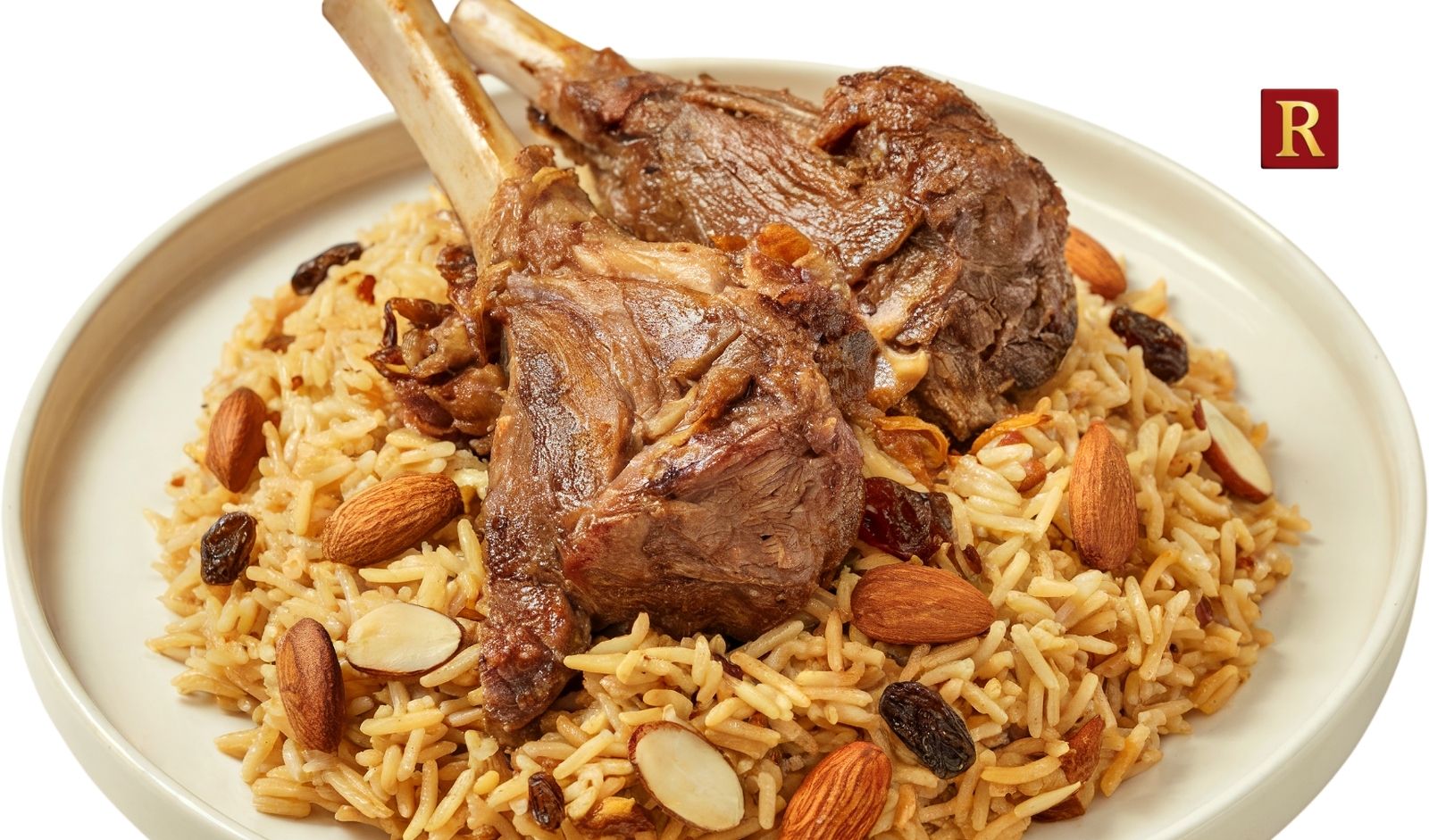
Walk into any popular food street or restaurant today, and chances are you'll find Mandi sharing menu space with biryani. Both dishes feature fragrant rice and tender meat, making them look quite similar at first glance. However, they come from different parts of the world and are prepared using completely different cooking methods.
Biryani has long been one of India's favourite rice dishes, while Mandi has gained popularity over the last decade, especially in cities like Hyderabad, Bengaluru, Chennai, Kochi, and Mumbai. The growing influence of Middle Eastern cuisine, international travel, and social media has made Mandi a preferred choice for people looking to try something beyond traditional Indian flavours. If you've ever wondered whether Mandi is simply an Arabic version of biryani, the answer is no. Here's everything you need to know.
What Is Mandi?
Mandi is a traditional rice dish that originated in the Hadhramaut region of Yemen. It is made with long-grain rice, slow-cooked meat—usually lamb or chicken—and a blend of mild aromatic spices. Unlike heavily spiced rice dishes, Mandi focuses on bringing out the natural flavours of the meat.
The word "Mandi" comes from the Arabic term referring to dew or moisture, highlighting the juicy, tender meat produced through slow cooking. Traditionally, the dish is prepared in a clay-lined underground pit where charcoal provides gentle heat. The meat is suspended above the rice so that its juices drip naturally into the grains while cooking. This process gives Mandi its signature smoky aroma and rich yet delicate taste. Today, Mandi has become one of the fastest-growing Middle Eastern dishes served in India, particularly in restaurants specialising in Arabian cuisine.
The Rich History of Mandi
Mandi has been part of Yemeni food culture for centuries. It was originally prepared by Bedouin communities living in desert regions, where slow cooking helped preserve moisture in the meat despite the harsh climate. The dish soon became a centrepiece for weddings, festivals, and family gatherings. Large platters of Mandi symbolised generosity and hospitality, with everyone eating together from a shared serving. As trade expanded across the Arabian Peninsula, Mandi spread to countries including Saudi Arabia, Oman, the United Arab Emirates, and Qatar. Later, migration between Gulf countries and India introduced the dish to Indian cities. Today, Hyderabad is often regarded as India's Mandi capital, with hundreds of restaurants offering regional variations.
How Traditional Mandi Is Cooked
The cooking process is what truly sets Mandi apart from biryani. Authentic Mandi uses a deep underground clay oven called a taboon. Charcoal burns at the bottom while the seasoned meat hangs above the rice instead of cooking directly with it.
This technique offers several advantages:
- Slow and even cooking prevents the meat from drying out.
- Meat juices naturally flavour the rice.
- Gentle smoke creates a subtle earthy aroma.
- The rice remains fluffy instead of sticky.
From a food science perspective, radiant heat cooks the meat evenly while indirect heat allows moisture to stay locked inside. Unlike frying or pressure cooking, this method develops flavour gradually without requiring large amounts of oil. Although many modern restaurants use ovens or specialised charcoal equipment instead of underground pits, they aim to recreate the same smoky character.
What Makes Mandi Taste Different?
One of the biggest surprises for first-time diners is how mild Mandi tastes compared to biryani. Instead of using strong chilli powders and multiple masalas, Mandi relies on carefully balanced spices such as:
- Cardamom
- Cinnamon
- Cloves
- Bay leaves
- Black pepper
- Saffron
- Dried black lime (Loomi)
- Hawaij spice blend
Loomi adds a gentle citrus flavour that is uncommon in Indian rice dishes, while Hawaij brings warmth without overwhelming the meat. The result is a light, fragrant meal where every ingredient remains distinct.
What Is Biryani?
Biryani has a much longer history in the Indian subcontinent and traces its roots to Persian cooking traditions that evolved further during the Mughal era. Unlike Mandi, biryani depends on layers of flavour. Meat is marinated with yogurt, spices, herbs, and fried onions before being cooked with partially boiled rice using the famous dum method. The cooking pot is sealed so steam circulates inside, allowing every layer to absorb spices and aromas. India alone has dozens of famous biryani styles, including Hyderabadi, Lucknowi, Kolkata, Malabar, Dindigul, Ambur, and Thalassery biryanis. Each version reflects regional ingredients and cooking traditions.
Mandi vs Biryani: The Biggest Differences
Although both dishes include rice and meat, they are very different in flavour and preparation.
Feature | Mandi | Biryani |
|---|---|---|
Origin | Yemen | Indian subcontinent |
Cooking Method | Underground pit roasting | Dum cooking |
Spice Level | Mild | Medium to spicy |
Aroma | Smoky | Rich and spicy |
Rice Texture | Light and fluffy | Moist and layered |
Meat | Slow-roasted | Marinated |
Oil Usage | Lower | Higher |
Main Flavour | Natural meat taste | Complex masalas |
Serving Style | Shared platter | Individual portions or handi |
Why Does Mandi Taste Less Spicy?
The philosophy behind Mandi is completely different from biryani. In Mandi, the meat is the star of the dish. The spices are carefully measured to enhance rather than dominate the natural flavour. Smoke replaces much of the richness that Indian dishes often achieve through fried onions, ghee, and multiple spice layers. This lighter flavour profile makes Mandi appealing to people who enjoy aromatic food without excessive heat.
Is Mandi Healthier Than Biryani?
Neither dish is automatically healthier because recipes vary across restaurants. However, traditional Mandi often contains less oil and fewer fried ingredients. Since the meat is roasted instead of fried and the rice absorbs natural meat juices, Mandi can have a lower fat content than richer versions of biryani. It also includes generous amounts of protein from chicken or lamb. Nutrition depends on serving size, cooking method, and accompaniments, so moderation remains important regardless of the dish you choose.
Popular Types of Mandi
Restaurants now serve several versions of this traditional meal. Vegetarian options featuring paneer or mixed vegetables have also become common in India, allowing more people to enjoy the signature rice and spice combination.
Some popular varieties include:
- Chicken Mandi
- Mutton Mandi
- Lamb Mandi
- Fish Mandi
- Shrimp Mandi
- Mixed Meat Mandi
Why Mandi Has Become So Popular in India
India's restaurant industry has witnessed a remarkable rise in Arabian dining over the past few years. The organised food service market in India is projected to exceed ₹7 lakh crore by 2030, driven by changing consumer preferences, online food delivery, and international cuisines.
Several factors have fuelled Mandi's popularity:
- Growing exposure to Gulf cuisine.
- Strong cultural connections through Indian expatriates.
- Viral food videos on social media.
- Large sharing platters perfect for groups.
- Mild flavours that appeal to a wide audience.
Many restaurants now offer family platters weighing between 2 kg and 5 kg, making Mandi an attractive choice for celebrations and weekend gatherings.
Best Side Dishes Served with Mandi
Traditional Mandi is usually accompanied by simple side dishes that complement its delicate flavours.
Popular accompaniments include:
- Daqqus, a fresh tomato salsa with herbs.
- Toum, a creamy garlic sauce.
- Plain yogurt.
- Fresh cucumber and tomato salad.
- Lemon wedges.
- Mixed pickles.
These additions provide freshness and acidity without overpowering the smoky rice.
Mandi Is Not the Same as Kabsa or Madfoon
Another common misconception is that all Middle Eastern rice dishes are identical. Kabsa is generally spicier and cooked with tomatoes, giving it a deeper colour and richer taste. Madfoon also uses slow cooking but buries the meat beneath the rice instead of suspending it above. Mandi remains unique because of its signature pit-roasting technique and naturally infused flavours.
The Final Verdict
Mandi and biryani may appear similar, but they represent two distinct culinary traditions shaped by different cultures, climates, and cooking philosophies. Mandi celebrates simplicity. It highlights slow-roasted meat, subtle spices, smoky aromas, and fluffy rice infused with natural juices. Biryani, on the other hand, is known for bold flavours, layered spices, marinated meat, and the richness of dum cooking. Neither dish is better than the other—they simply offer different experiences. If you enjoy delicate flavours and smoky meat, Mandi is an excellent choice. If you prefer rich spices and complex aromas, biryani remains hard to beat. Trying both is perhaps the best way to appreciate how two rice dishes, despite sharing a few ingredients, have evolved into iconic meals loved by millions across different parts of the world.
Saptopriya Ghosal
Feature Writer
I am a dedicated media professional with a bachelor's degree in mass communication from the State University of Calcutta and a postgraduate degree from Amity University. My academic journey has equipped me with a profound understanding of storytelling and communication. Passionate about the dynamic world of media, I continually strive to explore new ways to engage and inform through compelling narratives.



































































































































































