
What Is Gourmet Food? Top Gourmet Ingredients You Need to Know
One of the biggest misconceptions is that gourmet food must always be costly. Many gourmet ingredients, such as high-quality olive oil, artisan vinegar, premium butter, or authentic vanilla beans, are affordable when used in small quantities.

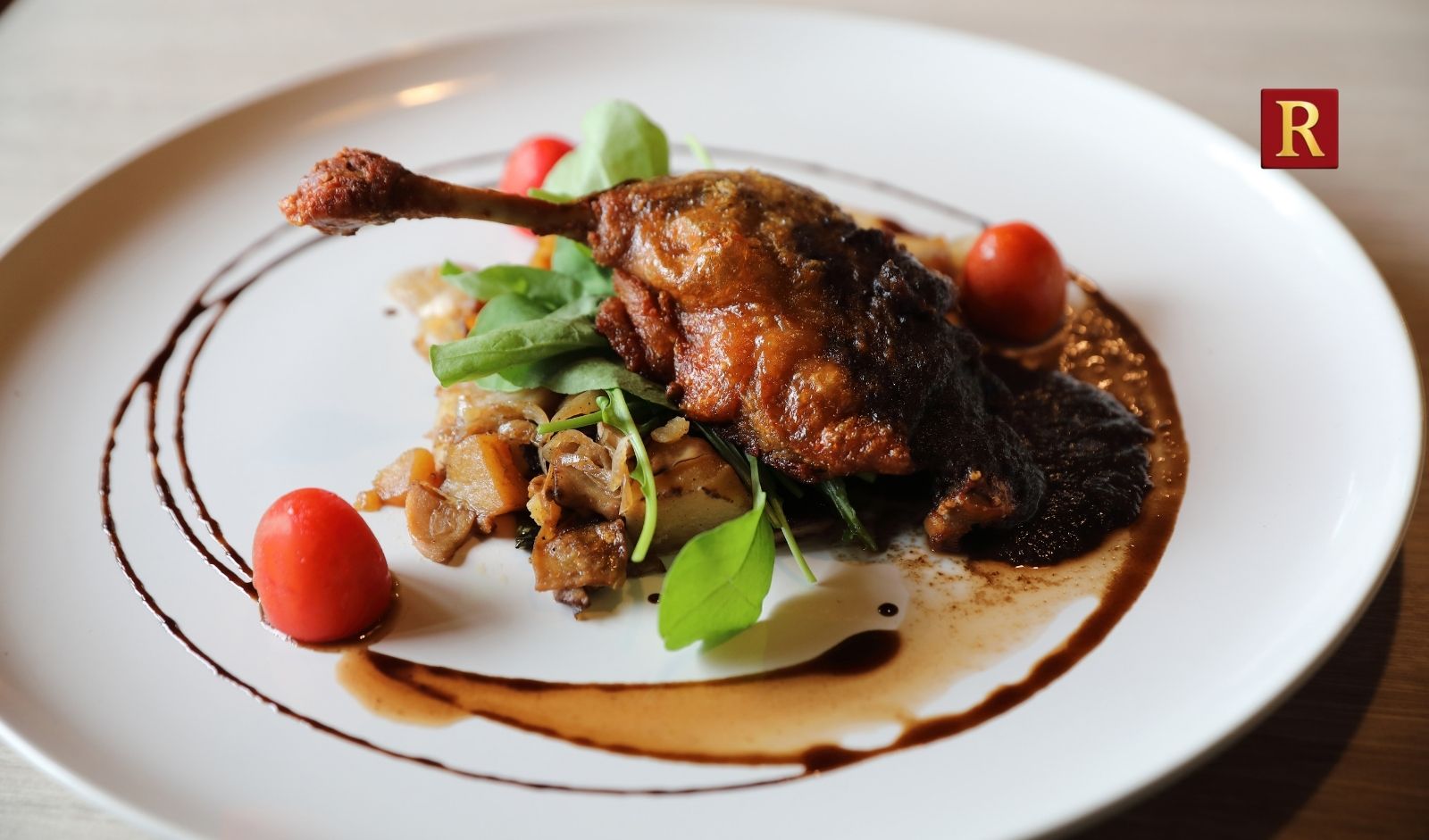
You have probably seen the word gourmet on restaurant menus, food labels, or cooking shows. It is often linked with luxury, but gourmet food is not simply about paying more. It is about choosing exceptional ingredients, using skilled cooking techniques, and creating balanced flavours that offer a memorable dining experience.
From saffron harvested by hand to aged cheeses that take years to mature, gourmet ingredients reflect quality, craftsmanship, and careful sourcing. Today, these premium products are no longer limited to fine-dining restaurants. Many are available in specialty stores and online, allowing home cooks to recreate restaurant-quality dishes in their own kitchens. In this guide, you'll learn what gourmet food really means, how it differs from everyday cooking, and the top gourmet ingredients every food enthusiast should know.
What Is Gourmet Food?
Gourmet food refers to food made with high-quality ingredients, prepared using refined techniques, and presented with attention to detail. The word gourmet comes from French and originally described someone with a refined appreciation for food and drink. Over time, it became associated with dishes that showcase premium ingredients and expert craftsmanship.
A gourmet meal is not defined by its price. Instead, it is judged by several factors:
- Ingredient quality
- Freshness and sourcing
- Cooking technique
- Flavour balance
- Presentation
For example, a simple risotto made with authentic Parmigiano Reggiano, premium Arborio rice, and real saffron can be considered gourmet because every ingredient contributes to the final taste.
What Makes Food Gourmet?
Several elements work together to create a gourmet experience.
Premium Ingredients: The foundation of gourmet cooking is exceptional ingredients. Chefs look for products with distinctive flavours, authentic origins, and consistent quality. These may include seasonal vegetables, artisan cheeses, single-origin chocolate, premium olive oil, or rare mushrooms.
Skilled Preparation: Technique matters just as much as the ingredients. Gourmet dishes often involve slow cooking, fermentation, precise temperature control, or handmade preparation that enhances flavour without overwhelming the ingredients.
Balanced Flavours: Professional chefs carefully balance sweetness, saltiness, acidity, bitterness, and umami. This creates depth and complexity in every bite instead of relying on one dominant flavour.
Thoughtful Presentation: Presentation is the finishing touch. Clean plating, appropriate portion sizes, and carefully placed garnishes make the meal visually appealing while complementing the dining experience.
Gourmet Food vs Regular Food
While both can be delicious, gourmet food focuses on quality and craftsmanship rather than convenience.
Regular Food | Gourmet Food |
Everyday ingredients | Premium, carefully sourced ingredients |
Simple preparation | Advanced cooking techniques |
Standard flavours | Layered and balanced flavours |
Basic presentation | Artistic plating and finishing |
Mass-produced products | Small-batch or specialty products |
Top Gourmet Ingredients You Need to Know
1. Saffron
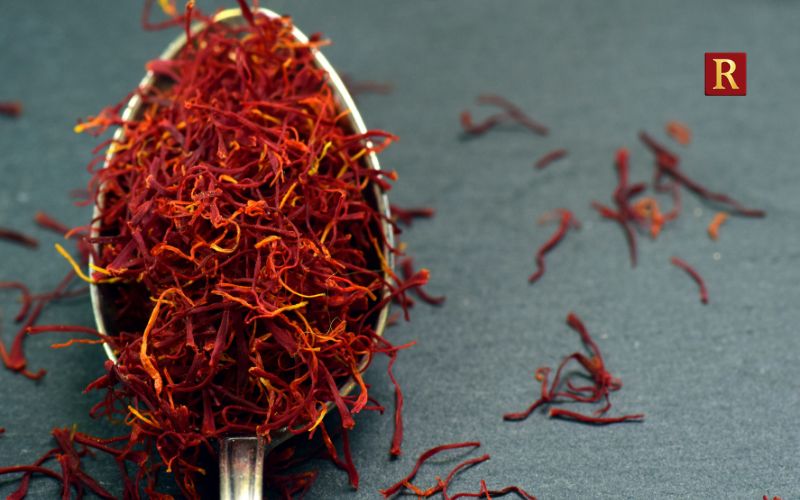
Saffron is widely regarded as the world's most expensive spice by weight because it requires extensive manual harvesting. It comes from the delicate red stigmas of the Crocus sativus flower, and around 150,000 to 200,000 flowers are needed to produce just 1 kilogram of saffron. Its distinctive floral aroma, earthy flavour, and rich golden colour make it a prized ingredient in dishes like biryani, risotto, paella, desserts, and premium beverages. Even a small pinch can transform the taste and appearance of a recipe.
2. Black Truffle
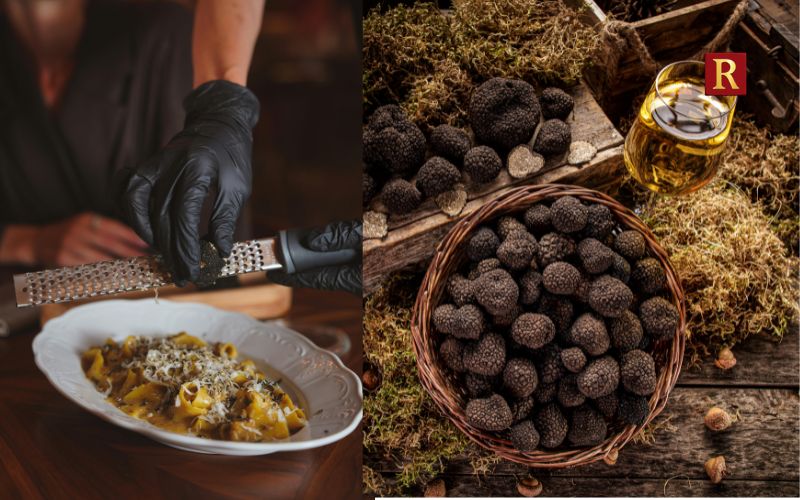
Black truffles are rare edible fungi that grow underground near the roots of oak, hazelnut, and beech trees. They are harvested with the help of specially trained dogs because they are difficult to locate naturally. Their earthy, musky aroma adds depth to simple dishes such as pasta, risotto, mashed potatoes, eggs, and creamy sauces. Since their flavour is highly concentrated, chefs use only thin shavings or small amounts. Fresh black truffles are seasonal, making them one of the most sought-after gourmet ingredients.
3. White Truffle
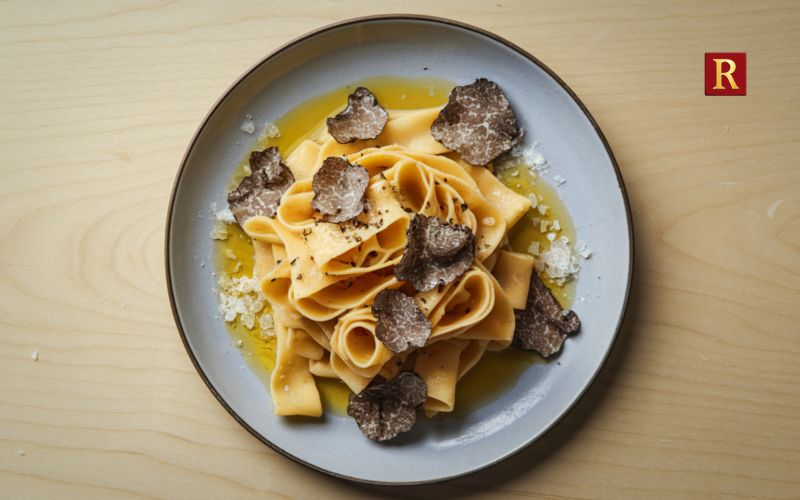
White truffles are among the rarest and most luxurious gourmet ingredients in the world. Primarily found in Italy, they have a stronger and more intense aroma than black truffles. Unlike black truffles, white truffles are rarely cooked because heat can reduce their unique fragrance. Instead, chefs shave them over freshly prepared pasta, risotto, eggs, or buttered bread just before serving. Their limited availability and short harvesting season make them one of the highest-priced ingredients in fine dining.
4. Caviar
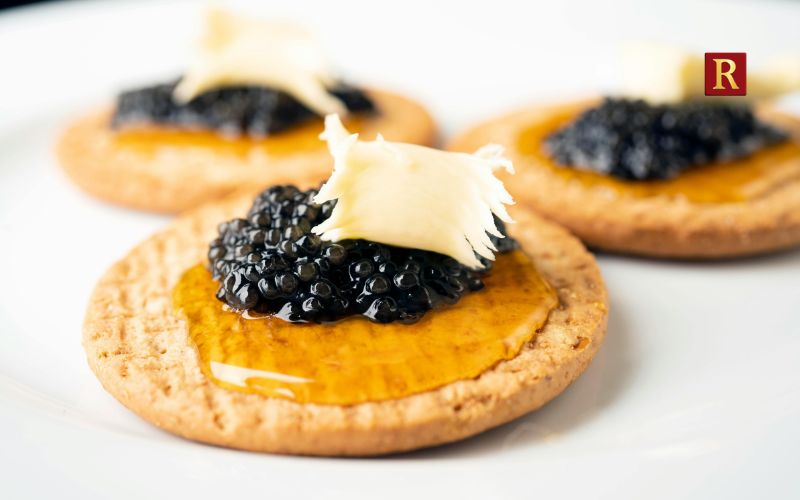
Caviar is a luxury delicacy made from salt-cured roe, or fish eggs, traditionally sourced from sturgeon. It is valued for its delicate texture, buttery flavour, and slightly salty finish. Premium caviar is carefully graded based on the size, colour, firmness, and taste of the eggs. It is commonly served chilled on blinis, crackers, or lightly buttered toast and paired with crème fraîche. Because of strict farming and harvesting practices, authentic caviar remains one of the most prestigious gourmet foods worldwide.
5. Parmigiano Reggiano
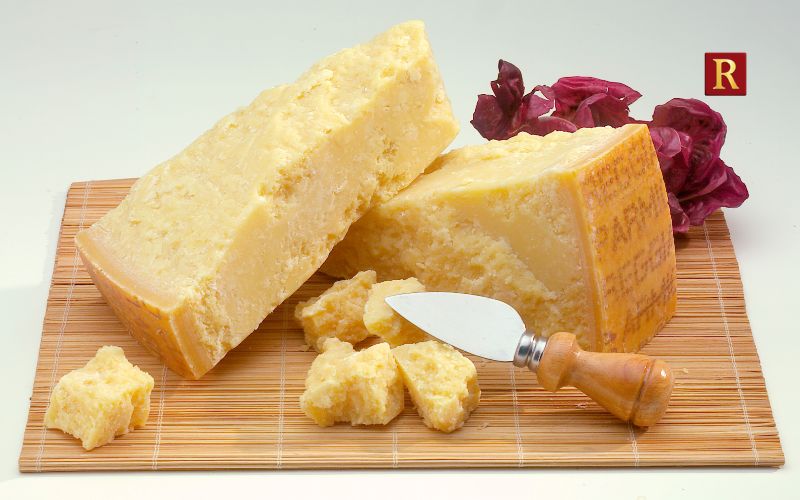
Parmigiano Reggiano is an authentic Italian cheese that has been produced using traditional methods for centuries. To earn its name, it must be made in specific regions of Italy under strict quality regulations. The cheese is aged for a minimum of 12 months, while premium wheels mature for 24 to 36 months or longer. This ageing develops its rich umami flavour, crunchy crystals, and nutty aroma. It is commonly grated over pasta, soups, risotto, salads, and roasted vegetables.
6. Extra Virgin Olive Oil
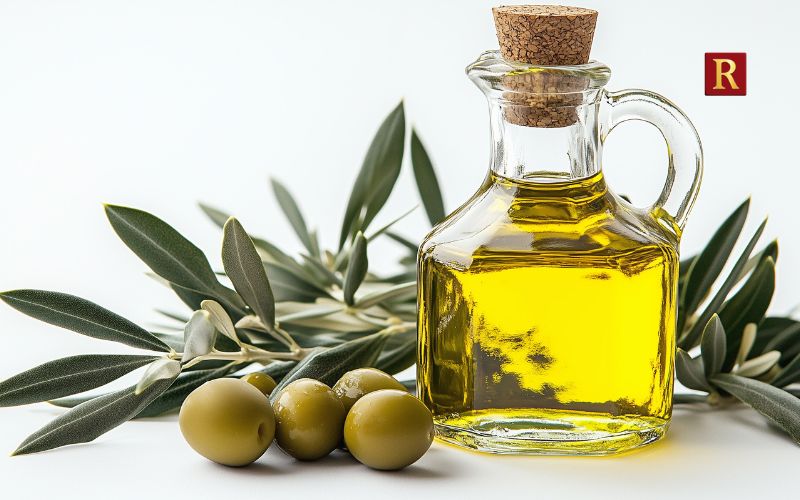
Extra virgin olive oil is the highest quality olive oil, produced through mechanical cold extraction without excessive heat or chemical processing. This method preserves its natural antioxidants, fruity aroma, and peppery finish. Unlike refined oils, premium extra virgin olive oil is often used as a finishing ingredient rather than for deep frying. Chefs drizzle it over salads, grilled vegetables, pasta, soups, and fresh bread to enhance flavour. The taste can vary depending on the olive variety and region where it is produced.
7. Wagyu Beef
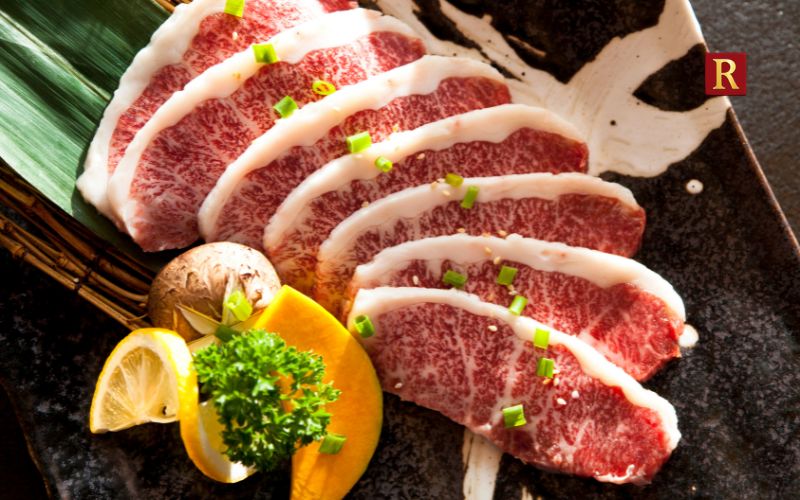
Wagyu beef comes from specially bred Japanese cattle known for producing exceptional marbling, where fine streaks of fat are evenly distributed throughout the meat. This marbling creates an incredibly tender texture and rich, buttery flavour that melts in the mouth. Authentic Japanese Wagyu is graded using strict quality standards, with A5 representing the highest quality. Because of its richness, Wagyu is usually served in smaller portions and cooked simply to highlight its natural flavour without overpowering seasonings.
8. Vanilla Beans
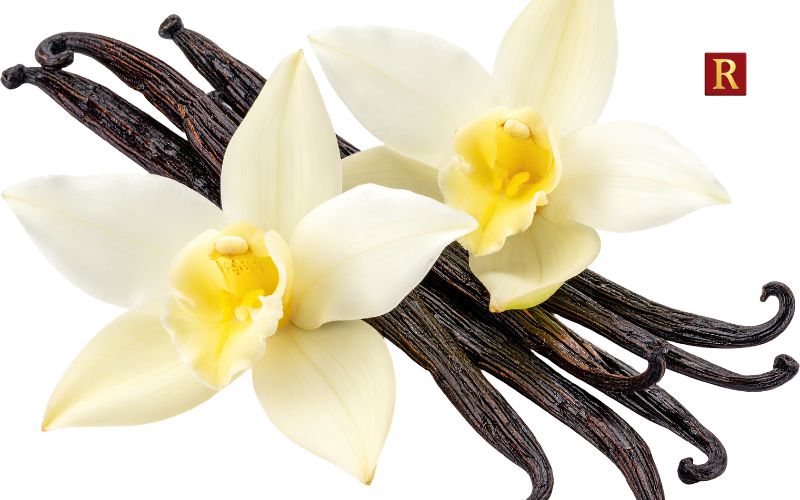
Vanilla beans are the dried seed pods of orchids belonging to the Vanilla genus and are among the most valuable spices after saffron. Unlike artificial vanilla flavouring, real vanilla beans contain hundreds of natural aromatic compounds that create a deeper, richer taste. They are widely used in cakes, pastries, custards, chocolates, ice creams, and premium desserts. Producing vanilla is labour-intensive because many flowers require hand pollination, while the beans also undergo months of careful curing before they are ready to use.
9. Morel Mushrooms
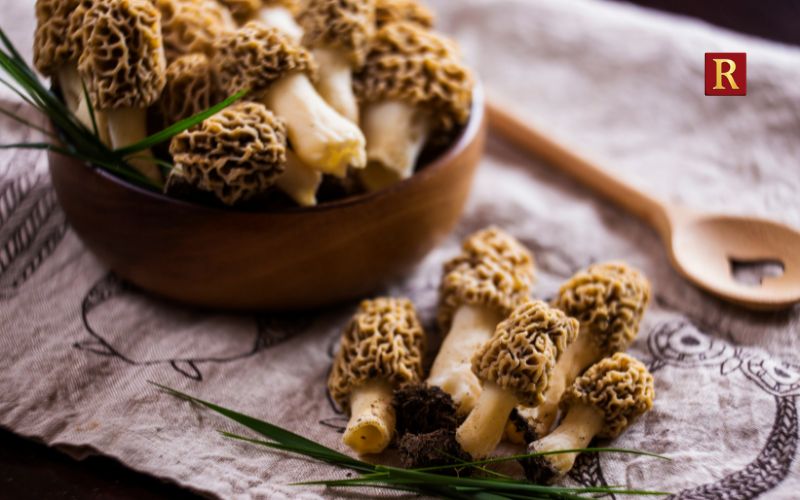
Morel mushrooms are prized wild mushrooms recognised by their distinctive honeycomb-shaped caps and earthy, nutty flavour. They grow naturally in forests during a short seasonal window, making them difficult to cultivate commercially. Their limited availability contributes to their premium status in gourmet cooking. Before consumption, morels must always be cooked, as raw mushrooms can be harmful. Chefs often use them in creamy sauces, risottos, pasta dishes, and roasted meat recipes, where they add depth and an intense savoury flavour.
10. Matcha
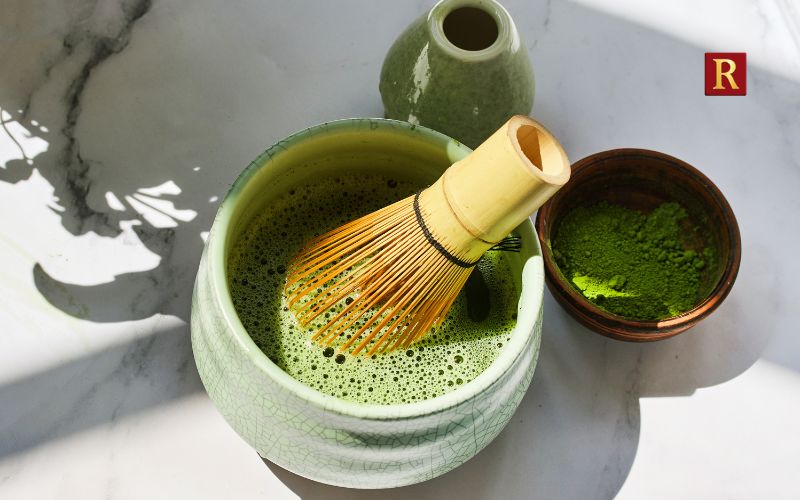
Matcha is a premium green tea powder made from specially grown tea leaves that are shade-grown before harvest to enhance their flavour and colour. The leaves are carefully steamed, dried, and stone-ground into a fine powder. Ceremonial-grade matcha is considered the highest quality and is traditionally used in Japanese tea ceremonies. Today, it is also popular in lattes, smoothies, pastries, chocolates, ice cream, and desserts. Its vibrant green colour, earthy taste, and natural antioxidants have contributed to its global popularity.
Gourmet Ingredients Gaining Popularity in India
India's food culture has evolved rapidly over the past decade. Consumers are becoming more adventurous, and restaurants are introducing global ingredients alongside regional flavours. Today, ingredients such as burrata, black garlic, gochujang, yuzu, artisan cheeses, microgreens, kombu, smoked sea salt, and specialty vinegars are appearing on menus in metropolitan cities like Mumbai, Delhi, Bengaluru, and Hyderabad. At the same time, Indian ingredients are also earning gourmet recognition. Kashmiri saffron, Coorg pepper, Malabar spices, Himalayan honey, and artisanal Himalayan salts are increasingly featured in premium restaurants for their quality and authenticity.
Can You Cook Gourmet Food at Home?
Absolutely. Gourmet cooking does not require a professional kitchen. Start with one premium ingredient instead of buying many expensive products. Pair it with fresh vegetables, good cooking techniques, and simple recipes.
For example:
- Burrata served with tomatoes and basil
- Truffle-infused mashed potatoes
- Mushroom risotto with Parmigiano Reggiano
- Matcha latte using ceremonial-grade matcha
- Saffron-infused kheer or pulao
Keeping recipes simple allows premium ingredients to shine.
How Restaurants Use Gourmet Ingredients Strategically
Fine-dining restaurants rarely use expensive ingredients throughout every dish. Instead, they use them selectively to enhance flavour while managing food costs. A few grams of shaved truffle, a drizzle of premium olive oil, or freshly grated aged cheese can significantly elevate a dish without dramatically increasing ingredient costs. This approach, often called menu engineering, helps restaurants create premium dining experiences while maintaining healthy profit margins.
Final Thoughts
One of the biggest misconceptions is that gourmet food must always be costly. Many gourmet ingredients, such as high-quality olive oil, artisan vinegar, premium butter, or authentic vanilla beans, are affordable when used in small quantities. Their superior flavour often means less is needed compared to lower-quality alternatives. The real value of gourmet food lies in thoughtful sourcing, skilled preparation, and respect for ingredients—not simply a higher price tag.
Gourmet food is about much more than luxury. It represents quality, craftsmanship, and attention to detail from farm to plate. Whether it is saffron picked by hand, carefully aged cheese, fragrant truffles, or premium olive oil, each ingredient brings its own story, flavour, and tradition. As premium ingredients become easier to access, home cooks have more opportunities than ever to experiment with gourmet cooking. By focusing on quality over quantity and mastering simple techniques, anyone can create dishes that feel refined, balanced, and memorable.
Saptopriya Ghosal
Feature Writer
I am a dedicated media professional with a bachelor's degree in mass communication from the State University of Calcutta and a postgraduate degree from Amity University. My academic journey has equipped me with a profound understanding of storytelling and communication. Passionate about the dynamic world of media, I continually strive to explore new ways to engage and inform through compelling narratives.



































































































































































