What Is Container Café Design? A Budget-Friendly Setup Model
For businesses looking to build a visually appealing and operationally efficient café, container design provides a practical and scalable setup model that continues to gain popularity across the hospitality industry.

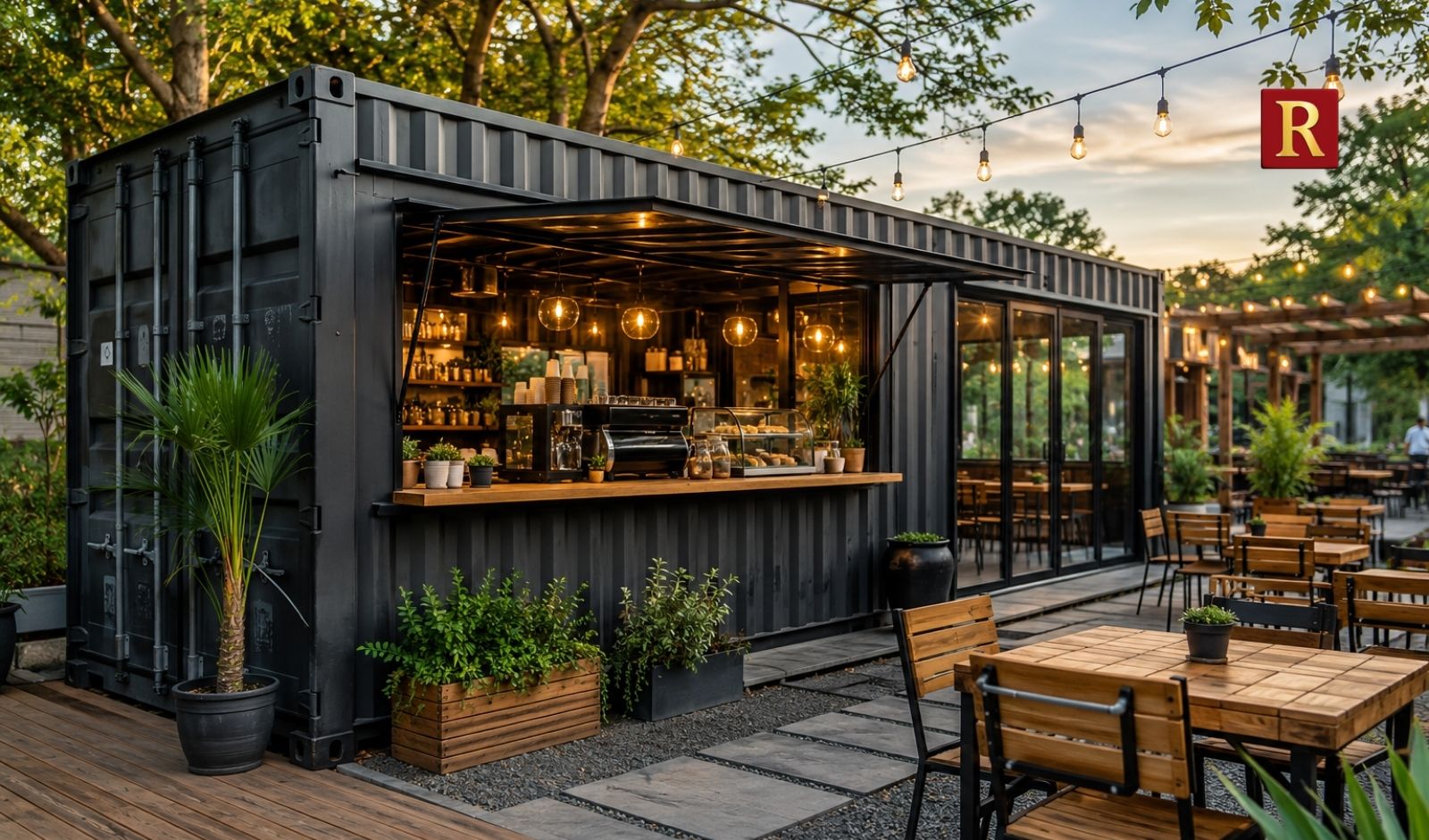
Opening a café no longer means investing in a large commercial space or spending months on construction. Container café design offers a practical and cost-effective alternative. Built using shipping containers, these cafés are designed to be modular, space-efficient, and quicker to set up than conventional outlets. Today, container cafés can be found everywhere—from highway stops and tourist destinations to college campuses and urban coffee spots. Their popularity is growing because they require less construction work, offer flexible layouts, and create unique dining experiences for customers. For entrepreneurs entering the food and beverage industry, container cafés offer an opportunity to start small and scale as the business grows.
What Is Container Café Design?
Container café design refers to cafés built using modified shipping containers. These containers are transformed into fully functional food and beverage spaces by adding insulation, electrical systems, plumbing, ventilation, and commercial kitchen equipment.
Depending on the business model, a container café can operate as:
- A coffee shop
- A takeaway café
- A dessert bar
- A quick-service restaurant
- A seasonal pop-up outlet
- A highway café
- A beachside dining space
One of the biggest advantages of this model is flexibility. A container café can be installed on leased land or integrated into larger hospitality projects. Some businesses even use multiple containers to create larger dining spaces. Unlike traditional construction, many container cafés are prefabricated. This means a significant portion of the work is completed off-site before installation.
Why Are Container Cafés Becoming Popular?
The food and beverage industry has seen a growing demand for smaller and more efficient business models. Container cafés fit this demand well.
1. Faster Setup Time
Traditional café construction often involves civil work, interior development, and multiple contractors. Container cafés simplify this process. Most modifications are completed before the container reaches the site. This can significantly reduce setup timelines, depending on the project's size and complexity. For food entrepreneurs looking to launch quickly, this is a major advantage.
2. Lower Construction Costs
Container cafés generally require lower construction investment compared to conventional brick-and-mortar cafés.
The savings usually come from:
- Reduced civil construction work
- Lower labour requirements
- Smaller operational spaces
- Efficient material usage
Costs can vary widely based on location, design requirements, equipment, and permits. However, the overall setup investment is often lower than building a traditional café from scratch.
3. Unique Customer Experience
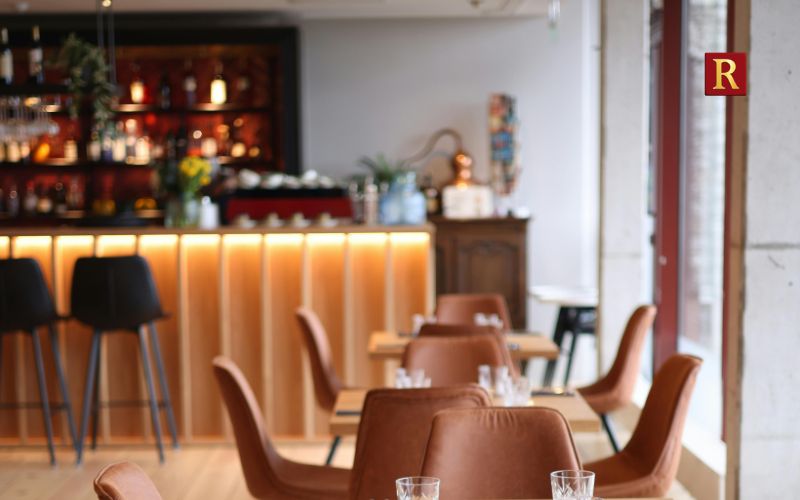
Modern consumers appreciate dining spaces that feel different. Container cafés naturally offer an industrial and contemporary look that works well for social media and branding.
Popular design elements include:
- Large glass windows
- Open service counters
- Outdoor seating
- Wooden decks
- Rooftop spaces
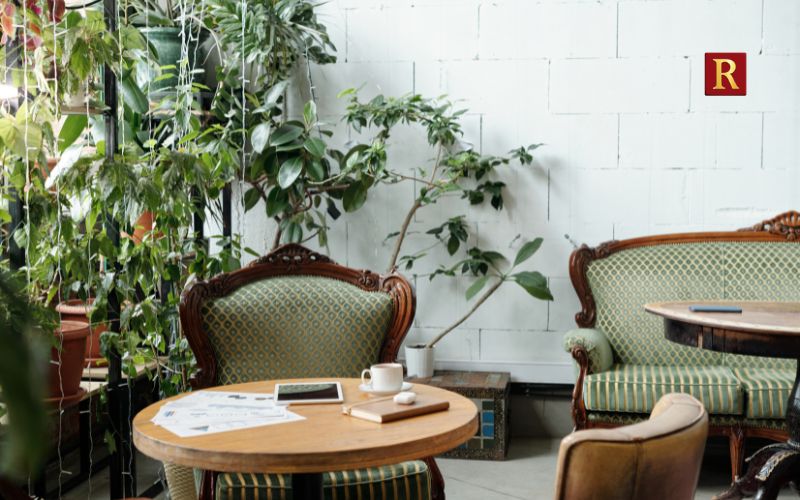
- Sustainable décor concepts
The design itself often becomes part of the customer experience.
Container Sizes Used in Café Design
Choosing the right container size is one of the most important decisions during planning.
Container Type | Ideal Usage |
10-foot container | Beverage kiosk or takeaway counter |
20-foot container | Small café setup |
40-foot container | Full-service café |
Multiple containers | Premium or large-format cafés |
A 20-foot container is commonly used for compact food and beverage concepts because it offers enough room for equipment and staff movement while maintaining operational efficiency. Businesses planning dine-in spaces often combine two or more containers to create larger layouts.
Technical Features Every Container Café Needs
Container cafés may look simple from the outside, but they require careful technical planning.
Insulation Matters: Shipping containers absorb heat quickly, making proper insulation essential for India's climate. Materials such as rock wool, polyurethane foam, and sandwich panels help regulate indoor temperatures, improve energy efficiency, enhance customer comfort, and protect equipment from excessive heat.
Electrical Systems: A well-planned electrical layout is crucial for smooth operations. It should accommodate lighting, kitchen appliances, air conditioning, refrigeration units, POS systems, and charging points while meeting the café's power requirements.
Plumbing and Drainage: Reliable plumbing and drainage systems are necessary for daily operations. Proper water supply, sink installations, wastewater management, and water storage ensure hygiene and compliance with food safety regulations.
Ventilation and HVAC: Effective ventilation keeps the café comfortable and functional. Kitchen exhaust systems, air conditioning, fresh air circulation, and smoke management help maintain air quality and improve both customer and staff experience.
Ventilation becomes even more important if the café offers hot food or operates in warm climates.
Smart Design Ideas That Improve Functionality
Container cafés have limited space. Every design decision directly impacts customer flow and operational efficiency.
Open Service Windows: Open service windows make container cafés more functional and customer-friendly. They help speed up order taking and delivery while creating a more interactive experience for guests. Their space-efficient design also improves visibility and works particularly well for takeaway-focused cafés and quick-service concepts.
Outdoor Seating: Outdoor seating is a smart way to increase customer capacity without expanding indoor space. Features like garden seating, wooden decks, pergolas, and rooftop lounges create a relaxed dining atmosphere while making the café feel larger and more inviting.
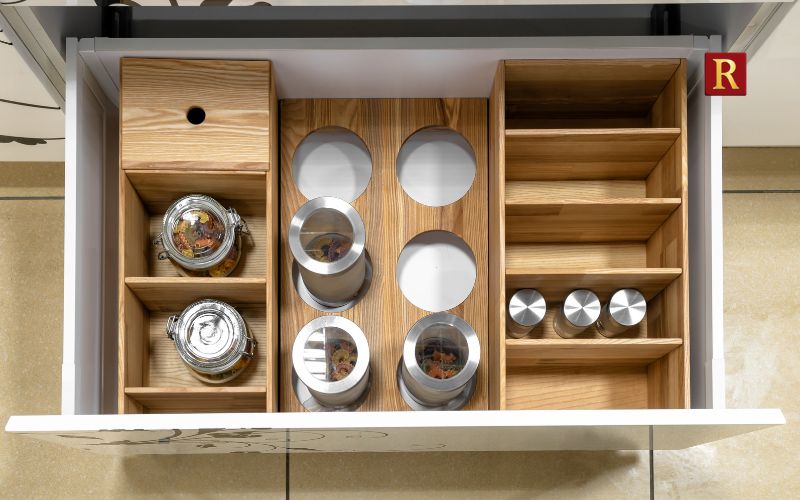
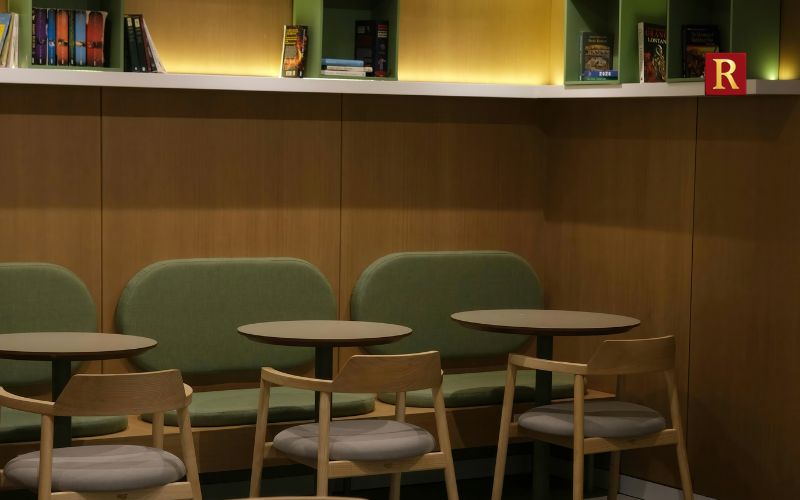
Multi-Functional Furniture: Multi-functional furniture helps maximise limited space in container cafés. Foldable tables, storage benches, wall-mounted shelves, and compact seating arrangements improve both functionality and comfort, allowing businesses to maintain an organised layout without compromising on customer experience.
Smart furniture planning allows businesses to maximise every square foot.
Container Café vs Traditional Café
Feature | Traditional Café | Container Café |
Construction work | Higher | Lower |
Setup flexibility | Limited | High |
Expansion possibilities | Moderate | Easy |
Space efficiency | Moderate | High |
Mobility | No | Possible |
Design uniqueness | Moderate | High |
Installation process | Longer | Faster |
Container cafés offer particular advantages for entrepreneurs who want to test new markets before committing to permanent commercial spaces.
Things to Consider Before Investing
Before starting a container café, proper planning is essential.
1. Verify Local Regulations
Business owners should check:
- Municipal permissions
- Commercial land use approvals
- Building regulations
- Food business licences
- Utility connection requirements
Legal compliance should always be addressed before installation.
2. Design the Workflow Carefully
Poor layouts can affect customer service and staff productivity. The layout should clearly define:
- Ordering area
- Beverage preparation station
- Storage space
- Payment counter
- Customer movement
- Staff workstations
A well-designed workflow can improve both speed and efficiency during peak hours.
3. Think About Future Expansion
Container cafés are highly scalable. Businesses can expand by adding:
- Extra seating containers
- Outdoor dining spaces
- Dessert counters
- Cloud kitchen sections
- Merchandise corners
This modular approach allows brands to grow gradually without redesigning the entire space.
Is a Container Café the Right Choice?
Container café design is particularly suitable for:
- First-time café owners
- Food startups
- Coffee brands
- Quick-service restaurant concepts
- Tourist destinations
- College campuses
- Corporate parks
- Highway food outlets
- Hospitality projects
It also offers an excellent opportunity for businesses that want to experiment with a new location before investing heavily in real estate.
Final Thoughts
Container café design combines affordability, flexibility, and functionality. It offers food entrepreneurs a modern way to enter the café business without the challenges associated with traditional construction. Success, however, depends on thoughtful planning. Choosing the right container size, investing in insulation and ventilation, designing an efficient workflow, and understanding local regulations are all essential steps. For businesses looking to build a visually appealing and operationally efficient café, container design provides a practical and scalable setup model that continues to gain popularity across the hospitality industry.
Saptopriya Ghosal
Feature Writer
I am a dedicated media professional with a bachelor's degree in mass communication from the State University of Calcutta and a postgraduate degree from Amity University. My academic journey has equipped me with a profound understanding of storytelling and communication. Passionate about the dynamic world of media, I continually strive to explore new ways to engage and inform through compelling narratives.