
What Investors Really Look for in a Restaurant Brand
“Sometimes, too much capital can actually hurt. It pushes brands to scale faster than they should, which can compromise food quality and customer experience."

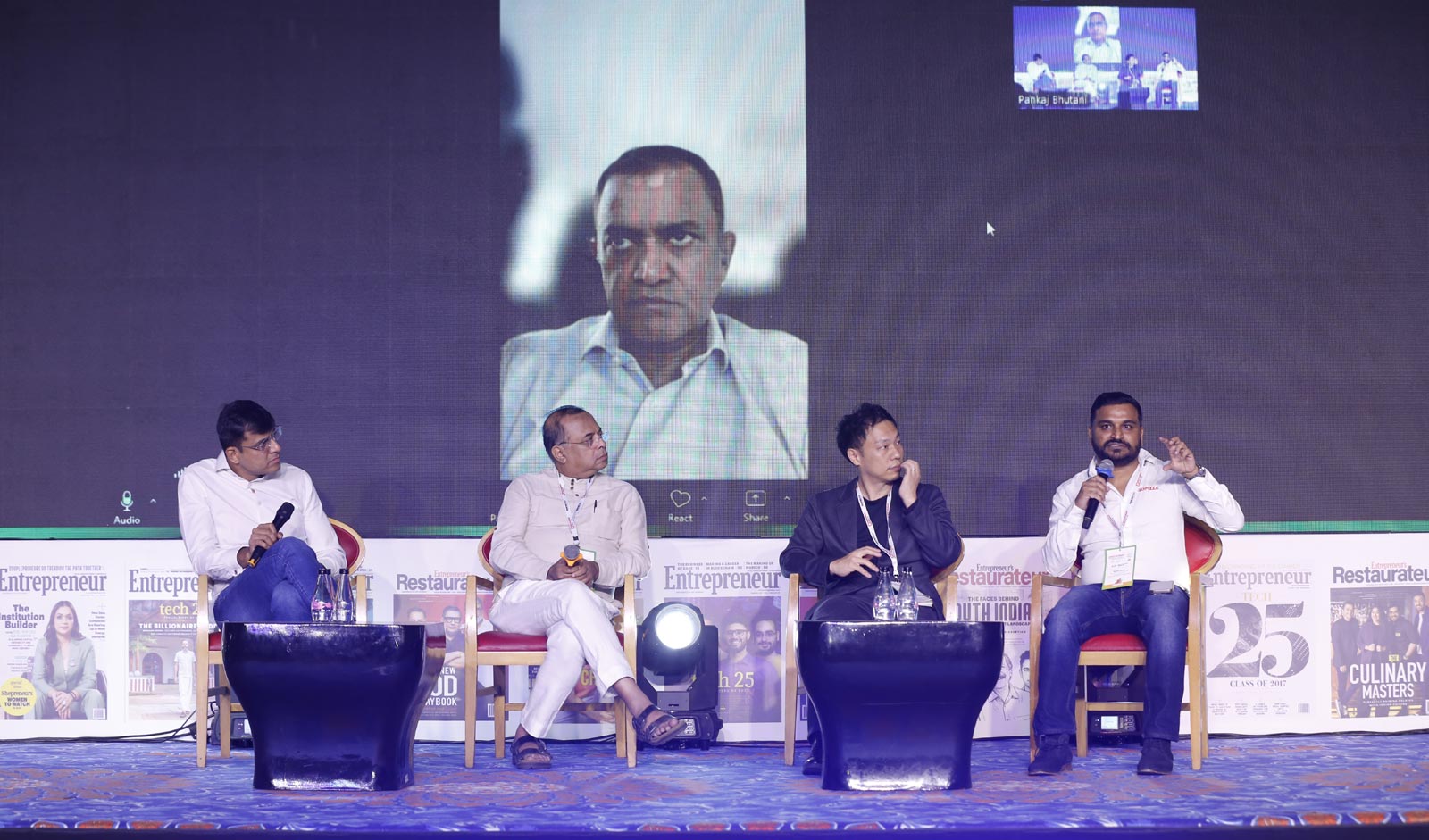
As India’s food and beverage sector continues its rapid evolution, the question of what makes a restaurant brand truly investible has become more nuanced than ever. At a recent panel discussion featuring investors, restaurateurs, and operators, industry leaders unpacked what it takes for a brand to win investor confidence and more importantly, scale sustainably.
From shifting valuation benchmarks to the growing importance of culture and profitability, the discussion revealed that building a successful food brand today requires far more than just a great menu.
The Scale Game Has Changed
Angel investor Hari Balasubramanian highlighted how dramatically investor expectations have evolved over the last decade.
“Ten years ago, building a ₹100 crore brand was considered significant. Today, that number has moved to ₹1,000 crore. Unless institutional investors see the potential for that kind of outcome, they are unlikely to invest,” shared Balasubramanian.
This shift reflects a fundamental reality that investors are ultimately driven by exits, and large-scale outcomes are necessary to make those exits meaningful. However, this does not mean smaller brands are left out.
He also pointed out that category leadership can be a powerful differentiator. He cited the example of Smoor, which carved a niche for itself through strong positioning and brand identity, creating opportunities for future scale or acquisition.
At the same time, he stated a changing business dynamic, particularly the rise of online food delivery.
“Today, nearly 50% of sales come from online channels, which operate at lower margins. Brands with strong dine-in presence are more attractive because they offer better scope for margin expansion,” he added.
It’s All About Culture
While investors often focus on numbers and scalability, restaurateur Seijiro Hirohama of Kuuraku brought the conversation back to fundamentals—culture.
“For us, growth has never been about timing or expansion at any cost. We focus on the quality of our culture,” he pointed.
Hirohama drew a clear distinction between operational systems and the deeper ethos of a brand. While SOPs ensure consistency, they can be easily replicated. Culture, on the other hand, is far more difficult to imitate.
“If a chef visits another restaurant, they can recreate the food. Interiors can also be copied. But culture is invisible and very hard to replicate,” he said. “That’s where real differentiation lies.”
He emphasized that investors are increasingly recognising the value of such intangible assets. “Our philosophy is simple, making people happy. It’s a timeless value. SOPs may drive short-term profit, but culture builds longevity,” he added as for him growth without culture is fake growth.
Tapping the Unmatched Opportunity
For Mahesh Reddy, CEO of GoPizza India, the conversation was rooted in the sheer scale of opportunity that India offers.
Launching and expanding a global brand in India during the uncertainty of the COVID-19 pandemic was no small feat. Yet, for Reddy, it was also a moment to demonstrate the market’s potential to global investors.
“India’s food services market is already around $60 billion and growing steadily. The QSR segment alone contributes a significant portion and is expected to expand rapidly in the coming years,” he said.
Beyond numbers, he highlighted the country’s structural advantages, strong logistics, a vast consumer base, and increasing openness to global cuisines.
“For international players, what may seem like complexity is actually opportunity. Every kilometre in India presents a new market,” he explained.
The sector also has great economic impact, from employment generation to contributions to GDP and GST, reinforcing why investors are increasingly paying attention to the space.
Profitability Over Hypergrowth
Adding an investor-operator perspective, Prashant Mehta, Partner at Pulsar capital who was an early investor in Rebel Foods, reflected on key learnings from over a decade in the industry.
“One of the biggest lessons has been that in India, consumers still value experience. Pure cloud kitchen models on their own may not be enough, you need a combination of online and offline presence,” he said.
Mehta also addressed a common pitfall in the startup ecosystem, chasing growth without a clear path to profitability.
“In the past, many brands were growing for the sake of growth. Today, we’re seeing stronger businesses that focus on building a solid customer base while maintaining healthy EBITDA margins of 15–24%,” he mentioned as he sees a capital discipline.
“The best-performing brands didn’t raise excessive capital early on. They were frugal, expanded gradually, and often opened their second outlet only after the first became profitable,” he pointed, cautioning against the risks of overfunding.
“Sometimes, too much capital can actually hurt. It pushes brands to scale faster than they should, which can compromise food quality and customer experience,” Mehta explained. “In today’s market, consumers have endless choices. If you disappoint them once, they move on and it’s very hard to win them back,” he concluded.
Hence there’s no denying that investors today are looking for brands that can demonstrate scalability with sustainability and businesses that combine strong unit economics, a clear market position, and the ability to deliver consistent customer experiences across formats. Equally, intangible factors like culture, brand philosophy, and operational discipline are gaining prominence. Because in the end, building a lasting restaurant brand is not just about serving food, it’s about creating value that endures.
Nusra
Consultant Associate Editor
A seasoned journalist with more than a decade experience in restaurant and retail business. I eat, drink, breathe and sense food as a source of my living and lifestyle. A foodie by birth and a journalist by choice. I started my career with Hindustan Times doing hard news, moving into features and finally landing myself in a food coma. Love to talk, hear and publish all food stories that makes anyone happy and hearty for more than a decade now. Apart from food, I love reading fiction, helping others and finding joy in little things...









































