
What Happens When Too Many Customers Arrive at the Same Time?
Restaurant owners have to be strong with their service, quick with kitchen preparations and all while making sure the food quality stays top notch and are working on a made to order model to give the best possible dish.

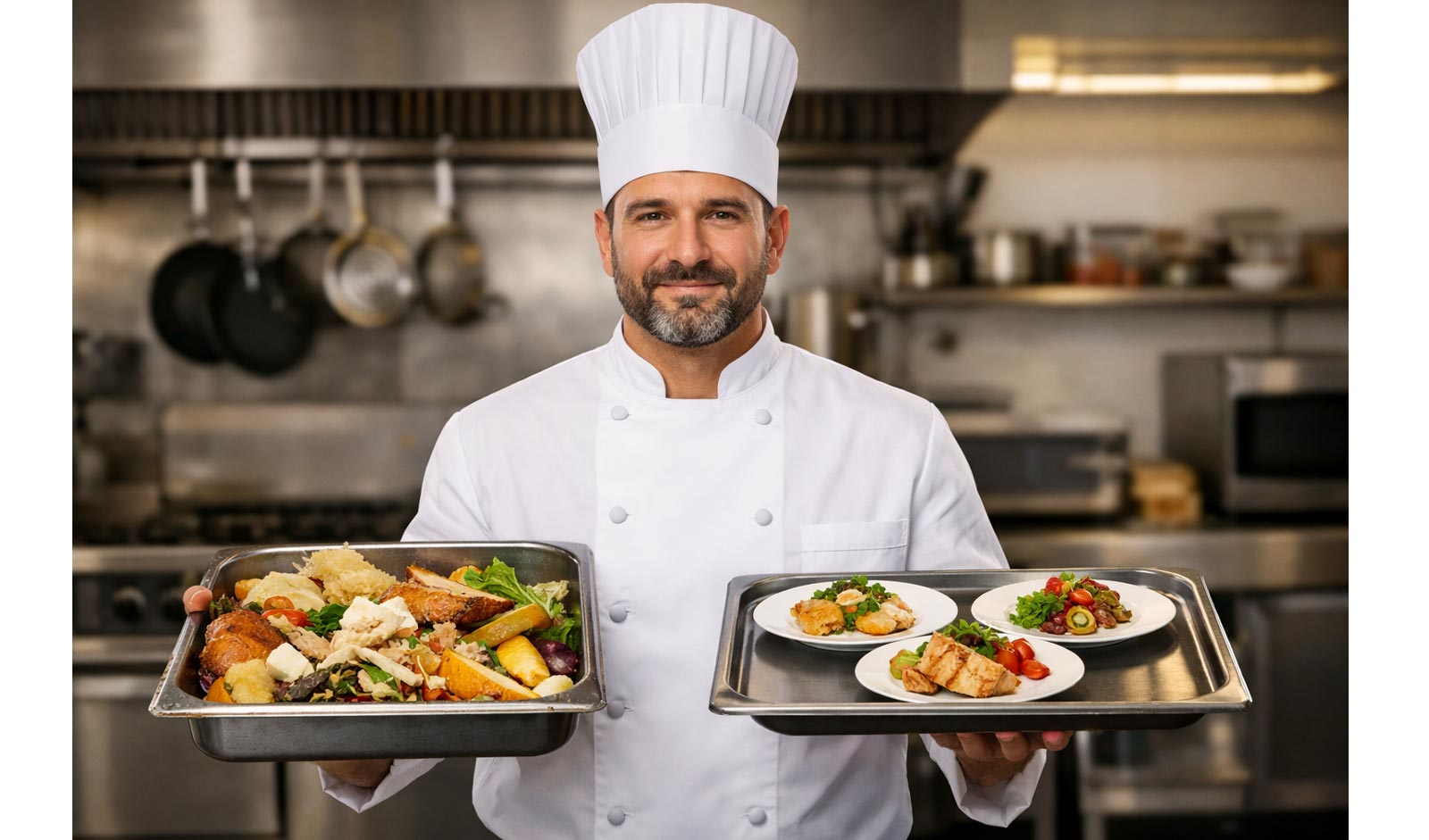
Restaurant growth has traditionally been measured by how many outlets a brand can open, how many customers it can serve and how much sales it can generate. But as restaurants scale, a new question is beginning to emerge; what happens when too many customers arrive at the same time?
Have you ever wondered what happens inside a restaurant when the dining room suddenly fills up, delivery orders start pouring in and every table, station and kitchen team member is pushed to capacity?
Growth may bring more customers through the door, but if the kitchen cannot keep pace, that growth can quickly turn into longer wait times, stressed teams, inconsistent food quality and frustrated customers.
The next challenge for restaurants may not simply be how to attract more customers, but how to serve more customers efficiently when demand peaks.
It’s all about Capacity
Unlike retailers, restaurants cannot simply add capacity when demand rises. A 100-seater restaurant still has 100 seats, a fixed kitchen and a limited number of staffs. It may be packed on Saturday night and half-empty on Tuesday afternoon.
“You can manage peak energy demand without raising prices by using smart tech, direct control, and time-based incentives. Utilities use automated grid tools, public alerts, and load-shifting programs to cut power use during busy times without making electricity more expensive,” shared Fajr Qureshi, Co-founder of F and F Hospitality.
The problem is not about always getting customers, but it is about managing when they arrive and making better use of the capacity already available.
Restaurants today pay more attention to bookings, table usage, staffing, kitchen load and quieter hours as the goal is to keep busy periods under control, fill unused capacity and deliver unmatchable experience without putting unnecessary pressure on the operation.
“Not much emphasis is given to SOPs and cost management. The margins are razor thin and your experience has to be at par with your pricing. As the months pass by, your expenses are on a slight increase with things like gas prices, fresh produce hikes, rent, salary increments and so on. All these staggered together can affect your growth if not planned well,” mentioned Rahul Lunawat, Co-founder, PHURR.This is where restaurants need to move from simply serving demand to designing demand—proactively influencing when customers visit, what they order and which channels they use and it requires strategic menu engineering, predictive data analytics, and diversified revenue channels.
The New Restaurant KPI
It’s about demand quality and not just demand volume. Every restaurant should assess contribution, capacity, operational complexity and experience quality.
“The new KPI is all about backing up a strong product with a strong service. Social media has the virality quotient to bring in your first wave but it's all about sustenance in the long run. Reservation tools are definitely becoming a huge element though we still believe strongly in walk-ins being an element too. Sometimes people just love to make impromptu plans and accounting for that is a crucial element,” added Lunawat.
Beyond revenue and covers, restaurants also look at repeat guests, waiting time, feedback, table utilisation and how to consistently deliver the same experience even on the busiest days.
“Reservations help us manage staffing, kitchen preparedness, table allocation and service flow. Better reservation timings, efficient coordination between the kitchen and service team,” added Ridhi Choudhary, CEO, Mann & Salwa by adding that reducing unnecessary waiting can naturally improve guest experiences and in turn the restaurant's efficiency.
Also, restaurants have to manage peak season and off-season both equally and they should be missing the middle segment which is neither peak nor slow.
“The biggest opportunity, in my view, lies in the ‘missing middle’, periods just before or after peak hours, as well as traditionally slower days. Instead of only chasing maximum occupancy restaurants can design demand through curated experiences, targeted communication, special menus and occasion-led offerings,” added Sheetal Agarwal, Founder of Aahii - Plates & Pours.
Restaurant owners have to be strong with their service, quick with kitchen preparations and all while making sure the food quality stays top notch and are working on a made to order model to give the best possible dish. The challenge about demand is customer management, data and people. One can overcome this by mapping demand by time, measure capacity; create demand-shifting mechanisms, measure quality and not just volume.
Vijetha Iyer
Content Editor
Working as a Content Editor with Restaurant India. I have worked in various sectors like food and beverage sector, chemicals, pharma, nutraceuticals, now specially focusing on restaurant side. But my core knowledge was always on content. Be it writing poems to verses, I always loved writing and have been exploring my career on the same. In Restaurant India, I deliver insightful stories, take interviews of various brands and update the audiences about the newest happenings in the restaurant industry.









































