What Are Small-Format Cocktails? Why Bars Are Going Smaller With the Serve
They are about making experimentation easier, portions more deliberate and the bar experience more varied. And that gives the format a useful place in the evolving cocktail menu.

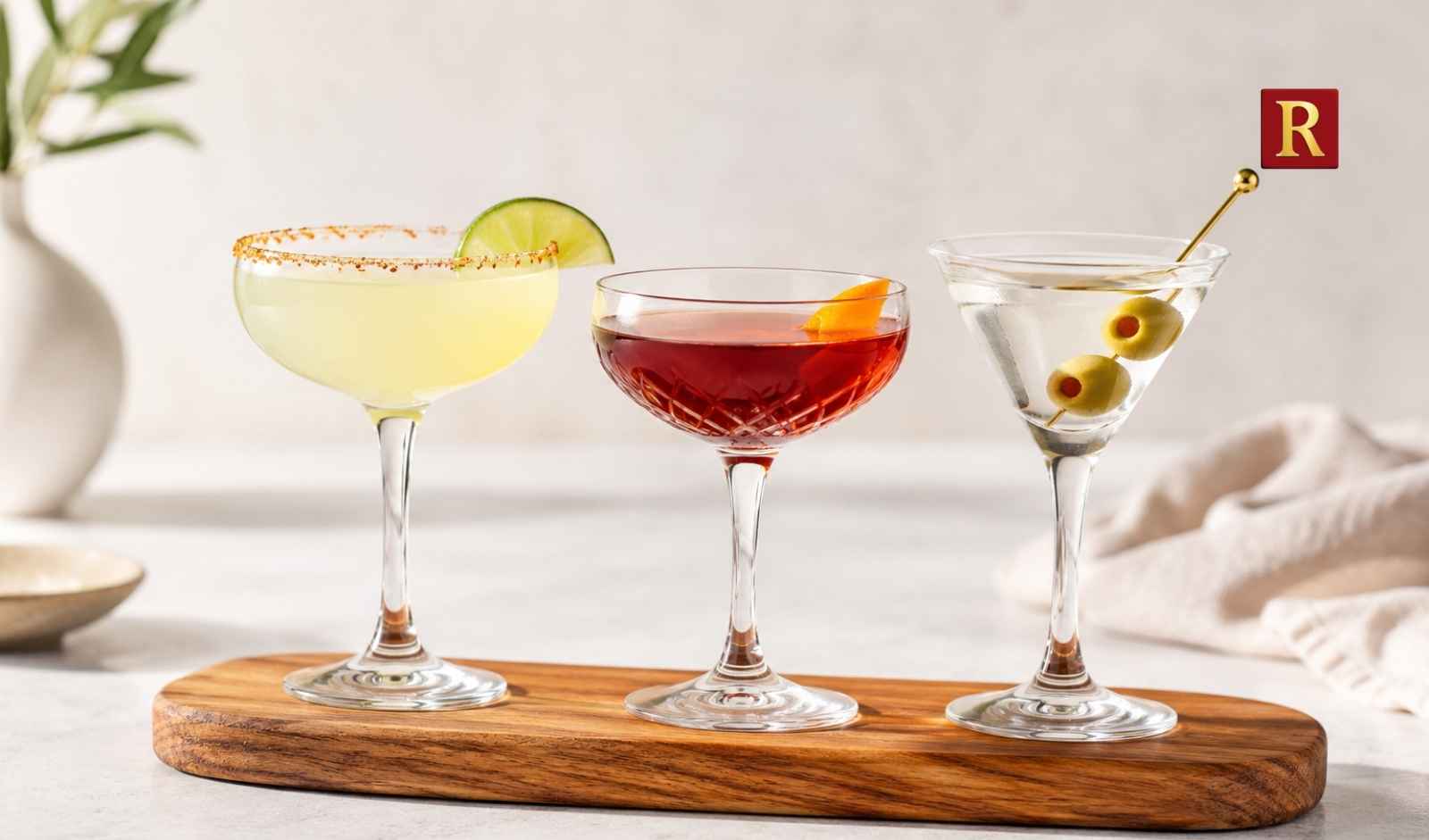
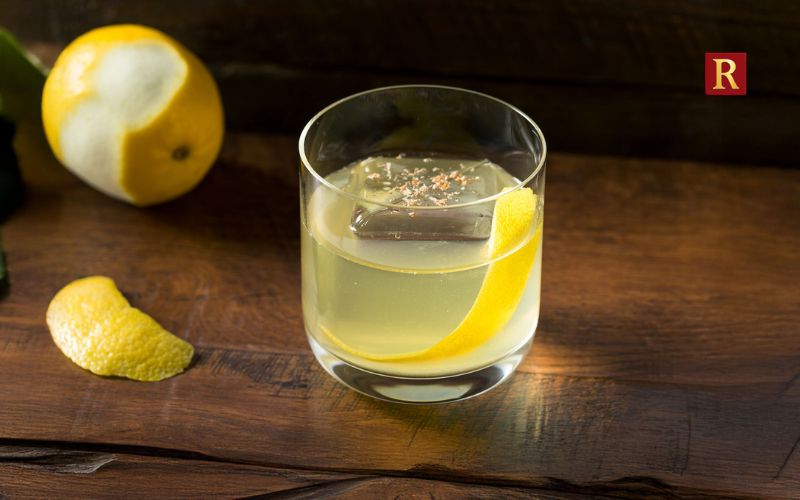
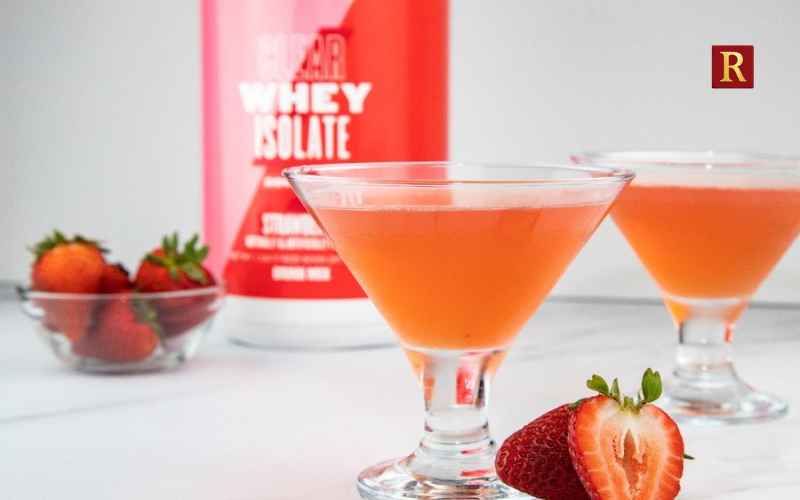
Small-format cocktails are deliberately smaller versions of cocktails, designed to deliver the drink’s core flavour and technique in fewer sips. They can include mini Martinis, small Margaritas, petite Negronis and tasting-size signature drinks.
The format is gaining attention in 2026 as bars look at new ways to offer variety, premium ingredients and more intentional drinking occasions. Bacardi’s 2026 Cocktail Trends Report places small serves within a broader shift towards “micro-indulgence,” earlier drinking occasions and more experiential cocktail culture. For restaurants and bars, however, the idea is more complex than simply pouring less into a smaller glass. Recipe balance, dilution, glassware, pricing and alcohol strength all matter.
What Exactly Is a Small-Format Cocktail?
There is no single global volume that officially defines a small-format cocktail. The important point is intentional portioning. A bar may serve a cocktail in a smaller glass as a stand-alone drink, or include several small cocktails as part of a tasting flight. The purpose is usually to give the guest a shorter drinking experience without removing the cocktail's character.
That makes a small-format cocktail different from simply ordering a smaller quantity of liquor. A mini Martini, for example, can still involve gin or vodka, vermouth, chilling, dilution, straining and garnish. It remains a crafted cocktail, not a shot. This distinction is becoming more relevant as mini cocktails move from novelty serves into organised bar menus. Industry coverage in 2026 has highlighted mini Martinis, tasting menus and other “fun-size” serves as part of the current beverage landscape.
Small-Format Does Not Mean Low-ABV
This is one of the most important points for consumers. A smaller cocktail is not automatically a lower-alcohol cocktail. ABV means alcohol by volume. It measures the concentration of ethanol in a beverage. FSSAI defines ABV as the percentage of ethanol in the total volume of an alcoholic beverage. Therefore, both the amount served and the alcohol concentration matter. A small, spirit-forward cocktail can still have a relatively high ABV. A smaller serve may simply contain less total liquid than a full-size drink. This is why bars should avoid presenting all small-format cocktails as “light” or “low-alcohol” unless the recipe actually has a lower ABV.
The distinction is simple:
- Small-format: smaller serving size
- Low-ABV: lower alcohol concentration
- Zero-proof: no alcohol
- Shot: usually a compact serve intended for quick consumption
Keeping these categories separate makes the trend easier to understand.
Why Are Mini Cocktails Getting Attention?
The appeal starts with choice. Ordering one full-sized cocktail often means committing to one flavour profile. A smaller serve changes that equation. A guest can try a Martini, move to a Negroni and then sample a seasonal cocktail without ordering three full-sized drinks. That creates a tasting-style experience. Bacardi's 2026 research describes this broader shift as “micro-indulgence”. Its report says younger legal-drinking-age consumers are moving towards earlier, lighter and more intentional drinking occasions. It also specifically links small serves with daytime drinking and “daycap” culture. Beverage Information Group has similarly identified “fun-size sips” as a 2026 trend, pointing to mini Martinis, smaller Margaritas and other compact serves designed around flavour and discovery.
The Cocktail Flight Makes the Idea More Interesting
The strongest use of small-format cocktails may be the cocktail flight. Instead of offering one miniature drink, a bar can serve three or four contrasting cocktails.
For example:
Classic Flight
- Mini Martini
- Mini Negroni
- Mini Manhattan
Citrus Flight
- Mini Margarita
- Mini Daiquiri
- Mini Gimlet
Indian Ingredient Flight
- Kokum and gin
- Tamarind and tequila
- Gondhoraj lime and vodka
The last format offers an especially interesting opportunity for Indian bars. India has a large vocabulary of regional ingredients. Smaller serves can make it easier for guests to experiment with unfamiliar combinations without committing to a full cocktail.
Making a Cocktail Smaller Is Not Simple
This is where professional mixology becomes important. A bartender cannot always take a full-size recipe and divide every ingredient by two.
The drink still needs the right balance of:
- Spirit
- Sweetness
- Acidity
- Bitterness
- Aroma
- Texture
- Dilution
- Temperature
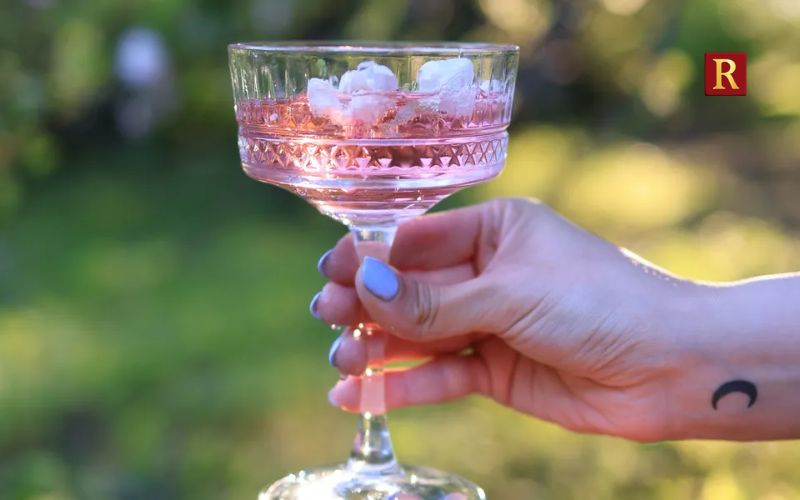
Dilution is particularly important. Shaking or stirring a cocktail with ice introduces water as the ice melts. That water is part of the final drink. Temperature and dilution help shape how the cocktail tastes. When the drink is smaller, the bartender still needs to control those variables carefully. Glassware also changes the experience. Mini Martinis can use petite Martini or Nick & Nora-style glasses. Small citrus cocktails may work in compact coupes. The glass should suit the drink rather than simply make the portion look smaller.
Why Smaller Serves Can Stay More Enjoyable
There is also a practical advantage. A large cocktail can warm up or lose its ideal texture as it sits. A smaller serve can be finished more quickly. Current reporting on tiny cocktails has highlighted this as one reason the format works, particularly for drinks where temperature and freshness are important. For spirit-forward drinks such as Martinis, this can be particularly useful. The guest gets a short, cold and focused drinking experience instead of watching a large serve gradually change in the glass.
What Does This Mean for Indian Bars?
The opportunity for India is not simply to copy the mini Martini trend. It is to localise the format. Bacardi's 2026 report identifies local flavours as one of the major forces shaping cocktail culture. The report says 77% of surveyed consumers check ingredient-origin labels, signalling stronger interest in provenance and local sourcing. That creates room for small cocktails built around Indian ingredients.
A bar could explore:
- Kokum with gin
- Tamarind with tequila
- Gondhoraj lime with vodka
- Jamun with gin
- Curry leaf with rum
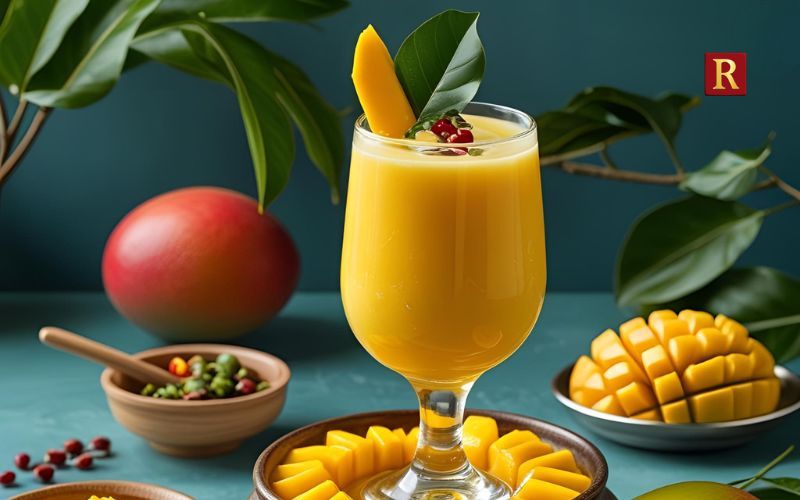
- Raw mango with whisky
- Kahwa with whisky
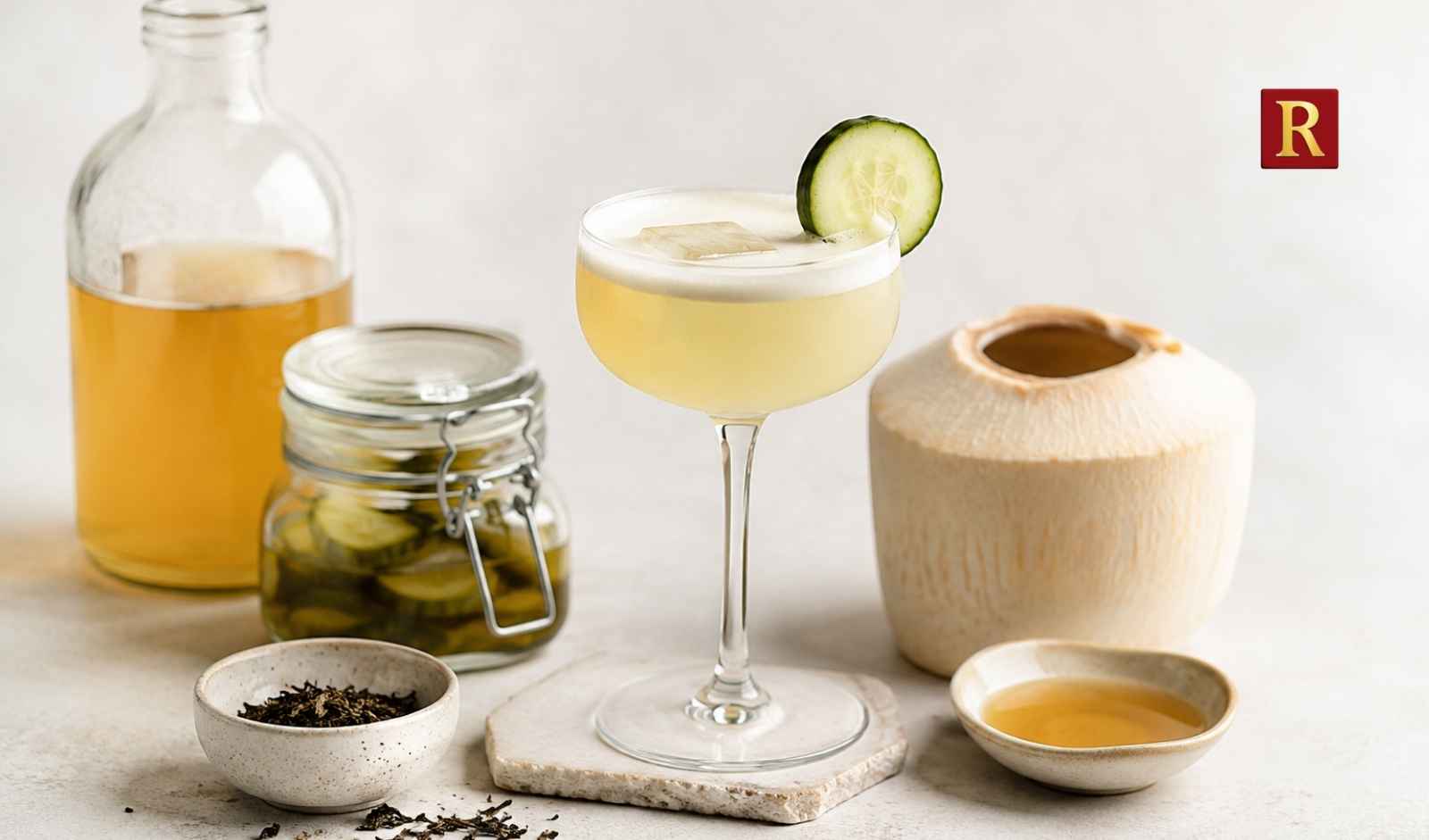
- Coconut with rum
These should not be treated as gimmicks. The ingredient needs to work within the cocktail's flavour structure. The smaller format simply gives the bartender more room to encourage experimentation.
A New Menu Opportunity for Restaurants
For F&B operators, small-format cocktails can become a menu architecture tool.
They can support:
- Tasting menus: Multiple cocktails in one experience.
- Food pairings: Smaller drinks alongside individual courses.
- Premium discovery: Guests can sample expensive or unfamiliar ingredients in smaller serves.
- Early-evening occasions: Compact cocktails can fit aperitivo and post-work menus.
- Seasonal menus: Bars can rotate small serves more frequently without asking guests to commit to a full drink.
There is also a cost advantage for the customer in some cases. A smaller drink can have a lower menu price than its full-size equivalent, making experimentation easier. But operators still need to account for premium ingredients, labour, garnish, glassware and preparation. So, a smaller cocktail is not automatically a higher-margin cocktail.
Small Cocktails Fit a Bigger Change in Drinking Culture
The interesting part of this trend is not the size of the glass. It is the change in how the drinking occasion is being designed. Bacardi's 2026 report says cocktail culture is moving towards earlier occasions, local flavours, human connection and experience-led drinking. It also reports that 84% of surveyed consumers feel technology has made social interactions less personal, while smaller cocktail formats such as Martini flights are being used to create shared experiences. Small-format cocktails fit naturally into this environment. They encourage guests to compare, discuss and explore. The drink becomes less about finishing one large serving and more about discovering what comes next.
What Comes Next for Small-Format Cocktails?
The format is unlikely to replace the full-sized cocktail. Instead, it is more likely to become another option on a well-designed beverage menu. Bars can use it for tasting flights, premium spirit exploration, food pairing and regional ingredient showcases. It can also work alongside low-ABV and zero-proof options, provided those categories are clearly identified. For Indian hospitality, the most interesting possibility is the combination of small-format presentation with local flavour. A petite cocktail featuring kokum, tamarind or Gondhoraj lime can tell a more specific story than simply offering another smaller version of a global classic. Small-format cocktails, then, are not really about making cocktails smaller. They are about making experimentation easier, portions more deliberate and the bar experience more varied. And that gives the format a useful place in the evolving cocktail menu.
Saptopriya Ghosal
Feature Writer
I am a dedicated media professional with a bachelor's degree in mass communication from the State University of Calcutta and a postgraduate degree from Amity University. My academic journey has equipped me with a profound understanding of storytelling and communication. Passionate about the dynamic world of media, I continually strive to explore new ways to engage and inform through compelling narratives.