Wagamama Bets Big on India, Targets 100 Restaurants in a Decade
Wagamama is accelerating its expansion through a multi-million-pound joint venture between The Restaurant Group (TRG) and Charcoal Concepts, the multi-brand restaurant platform of K Hospitality Corp.

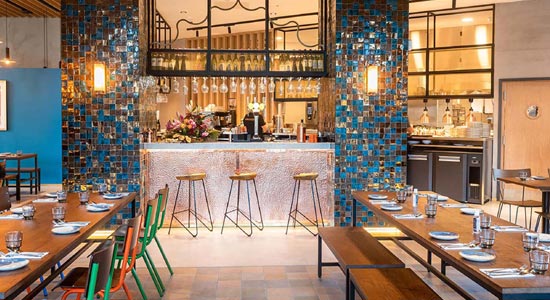
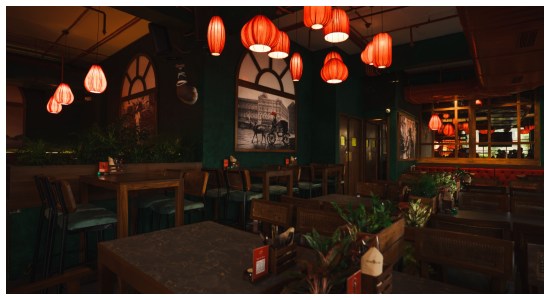
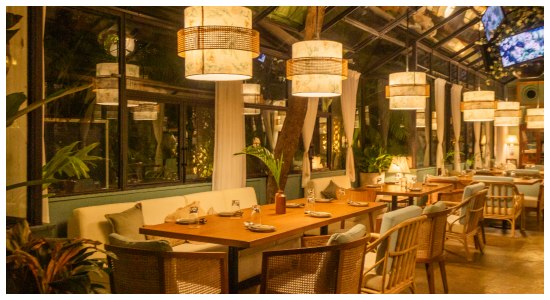
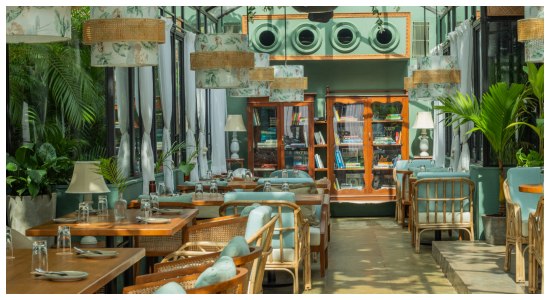
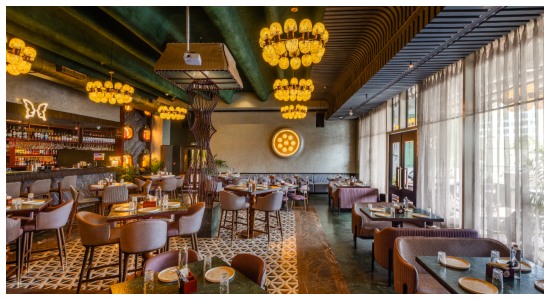
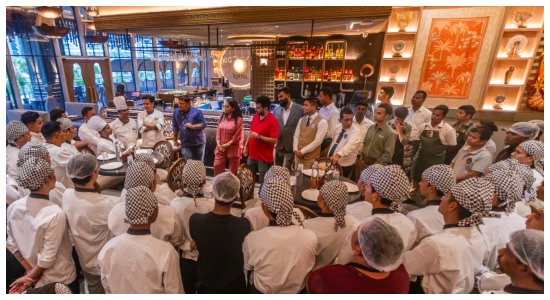
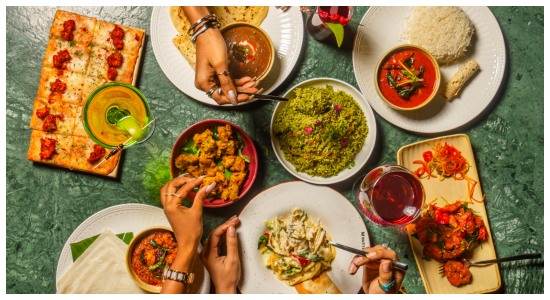
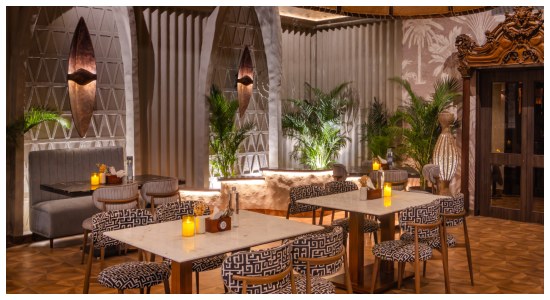
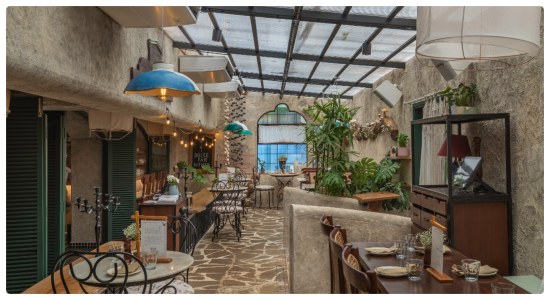
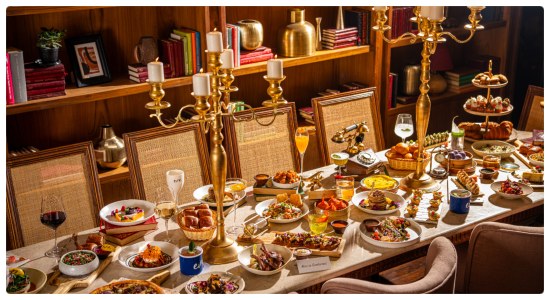
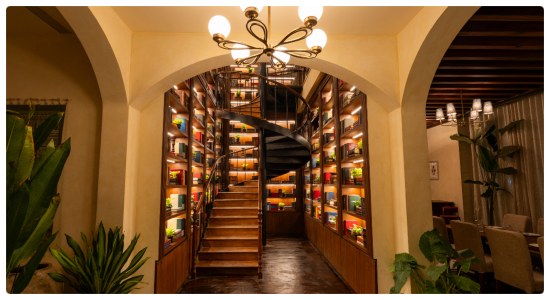
As global restaurant brands deepen their focus on India, Wagamama is accelerating its expansion through a multi-million-pound joint venture between The Restaurant Group (TRG) and Charcoal Concepts, the multi-brand restaurant platform of K Hospitality Corp. The brand remains bullish on the Indian market and plans to open at least 100 outlets across the country over the next decade. The announcement was made during the launch of Wagamama's fourth restaurant in Mumbai.
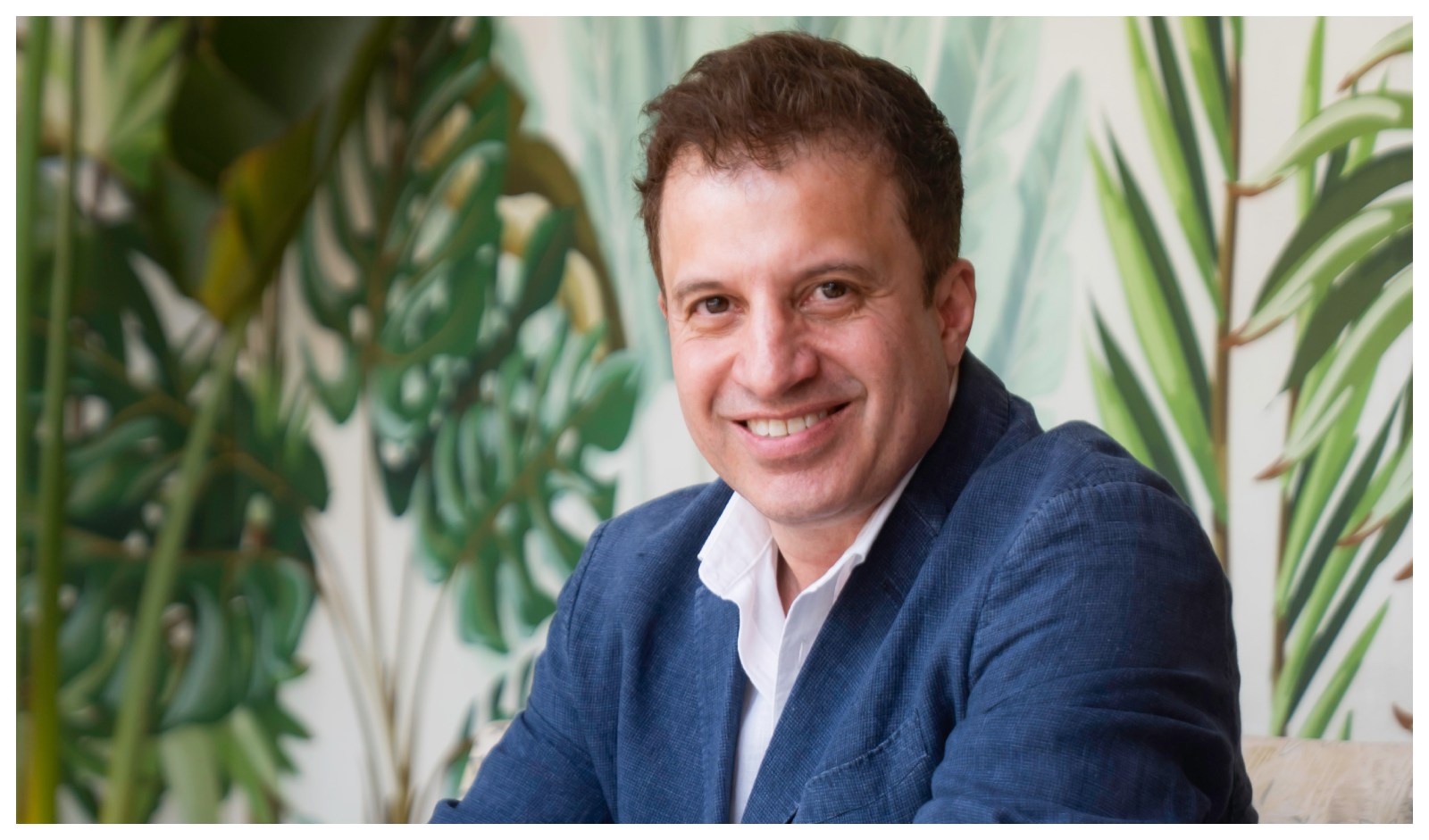
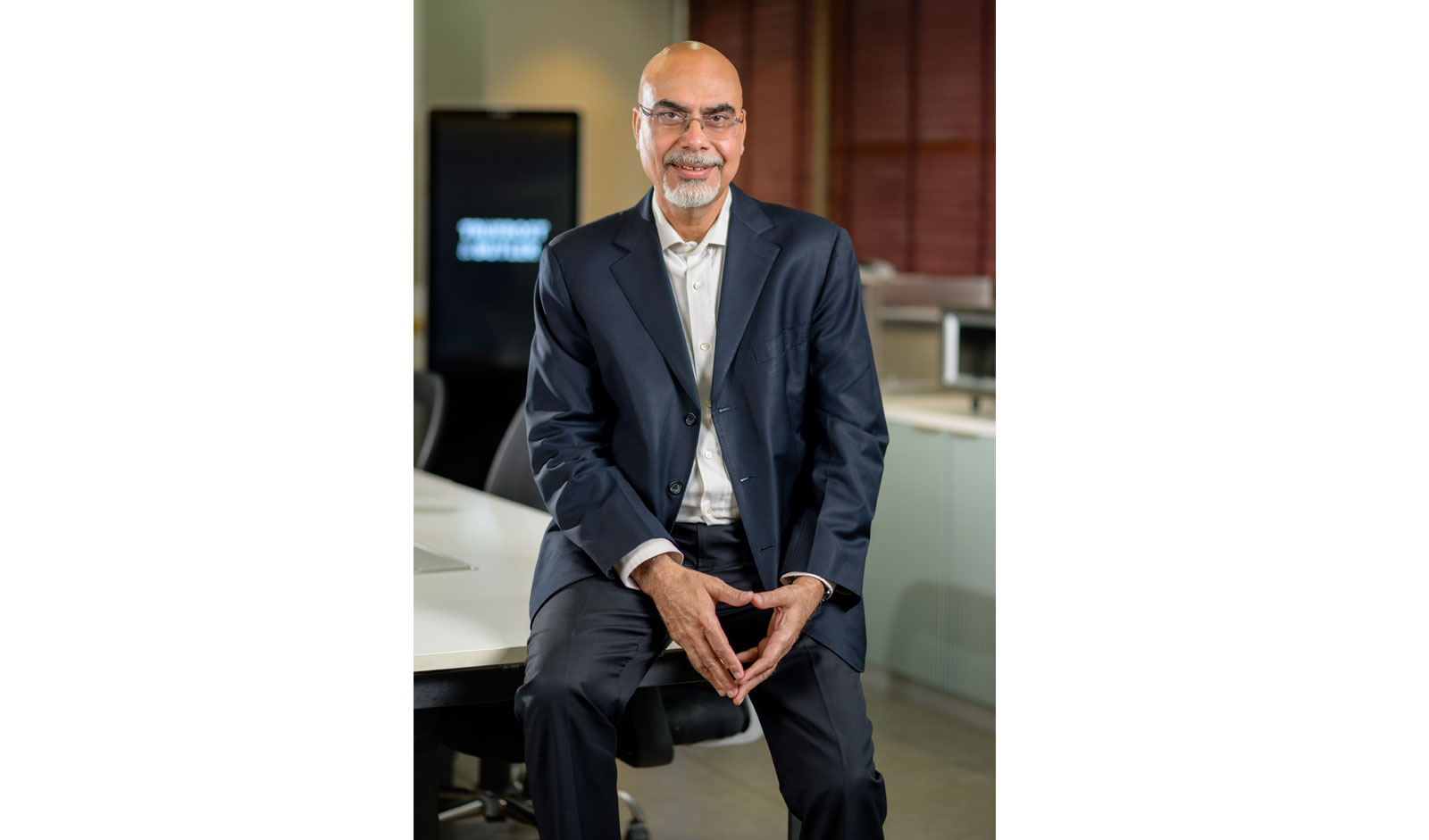
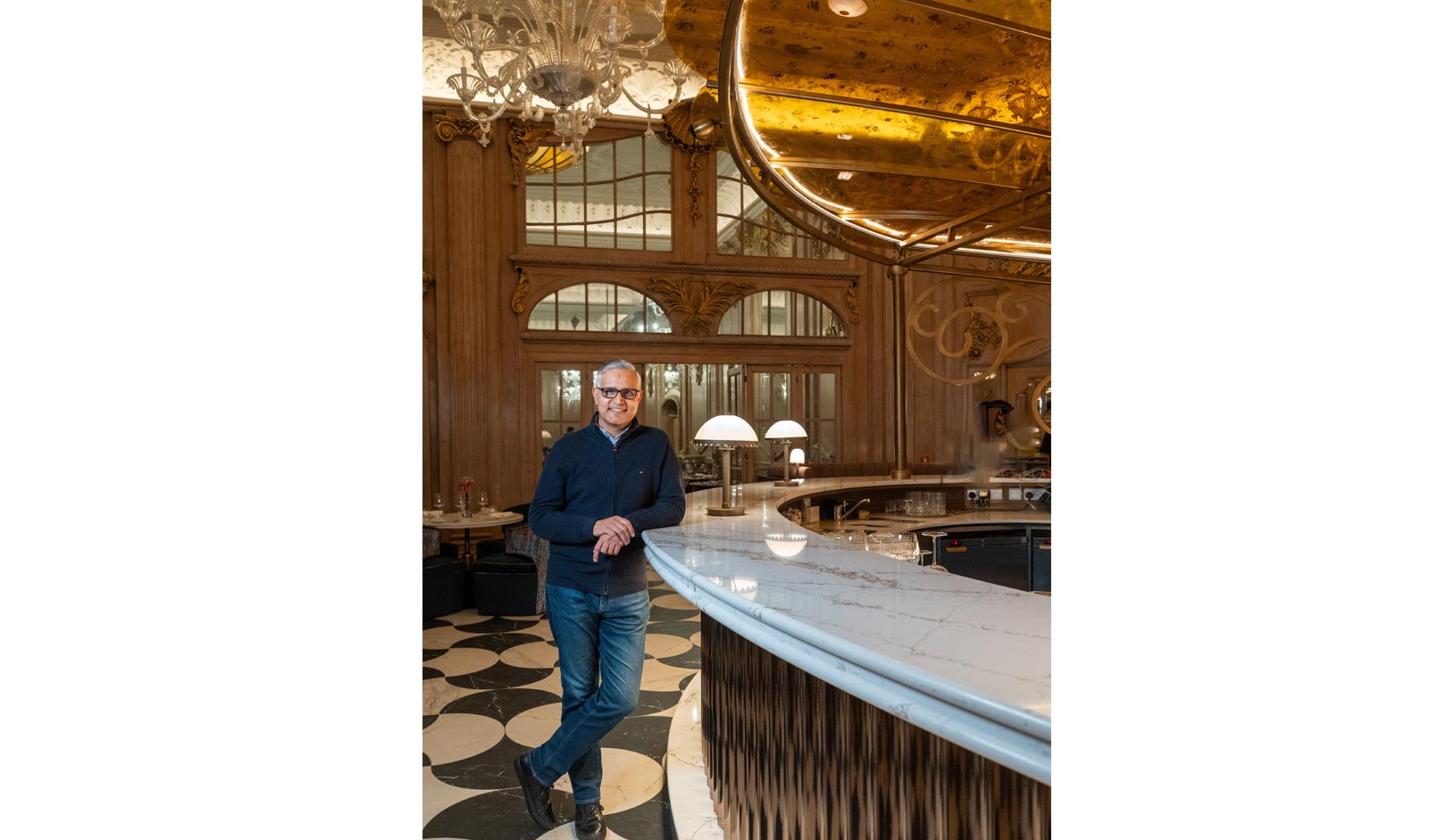
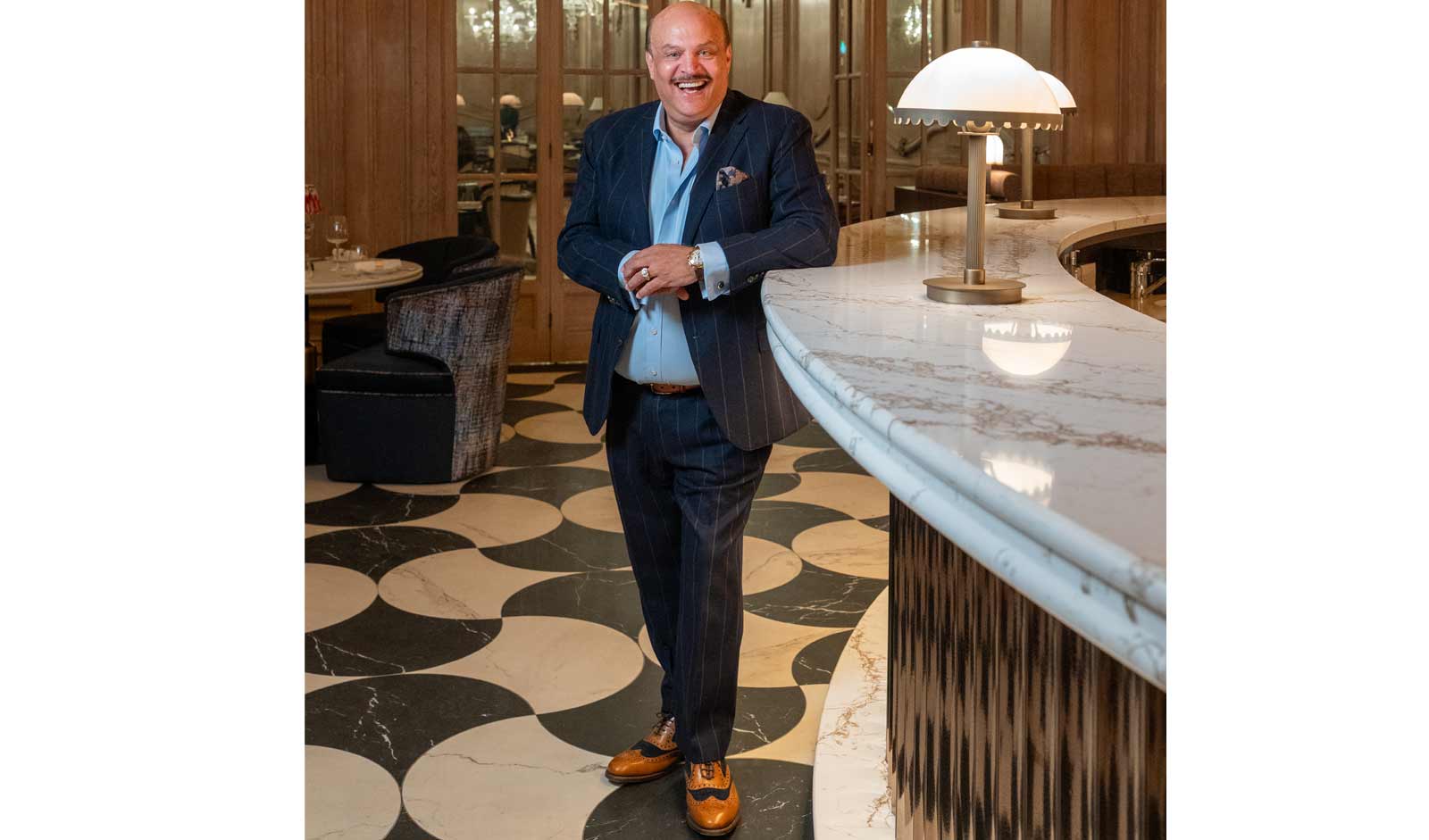
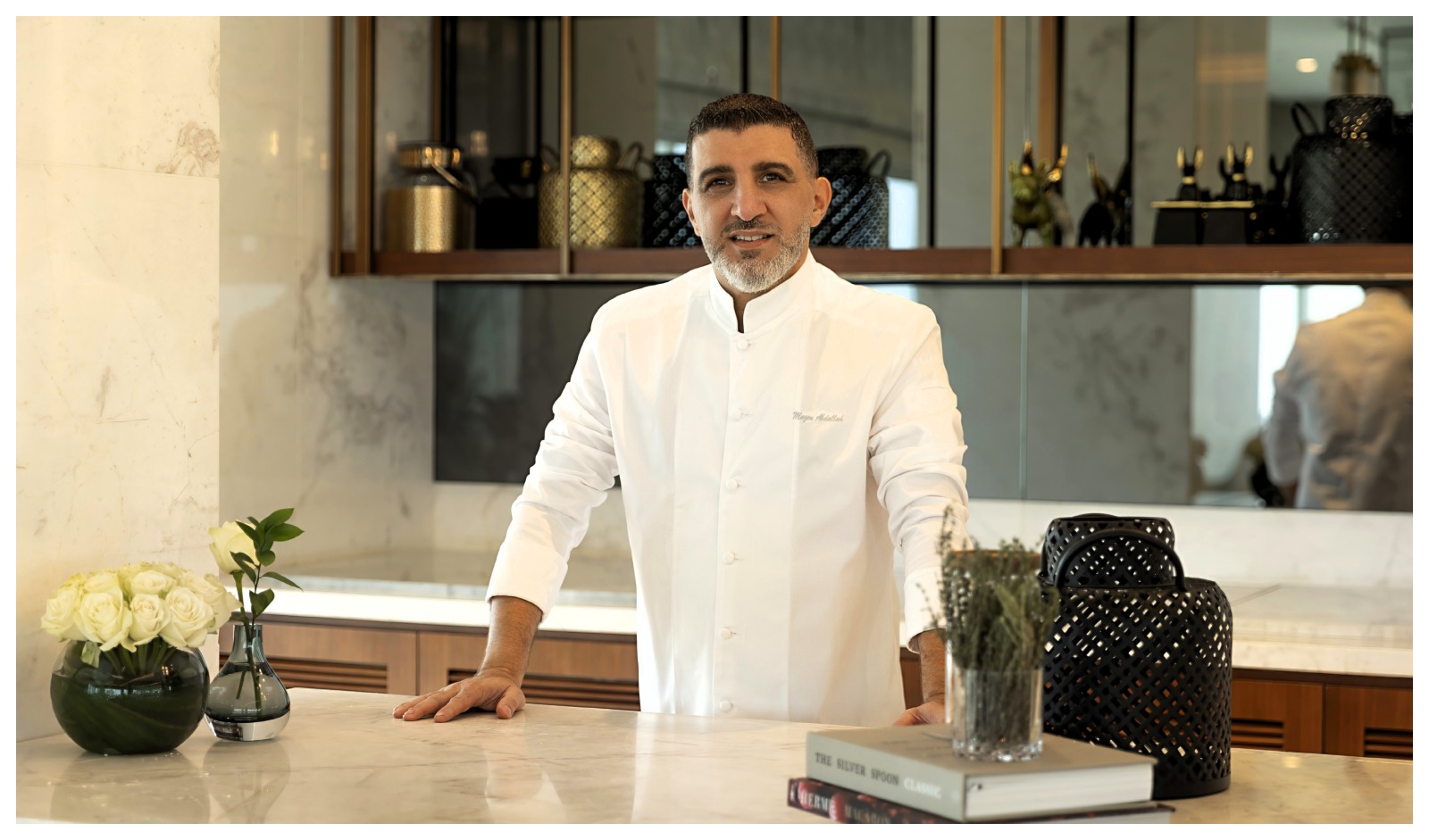
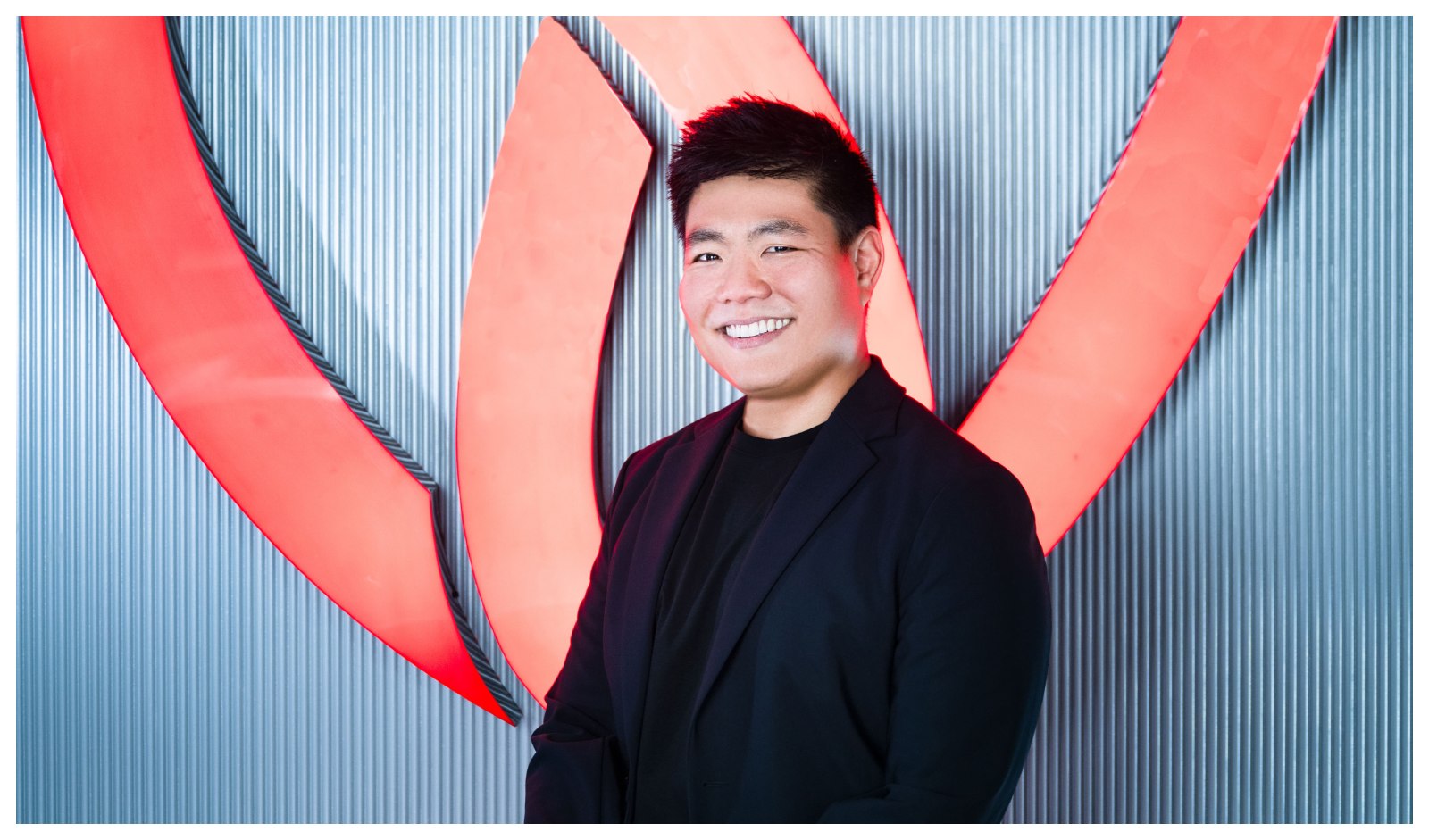
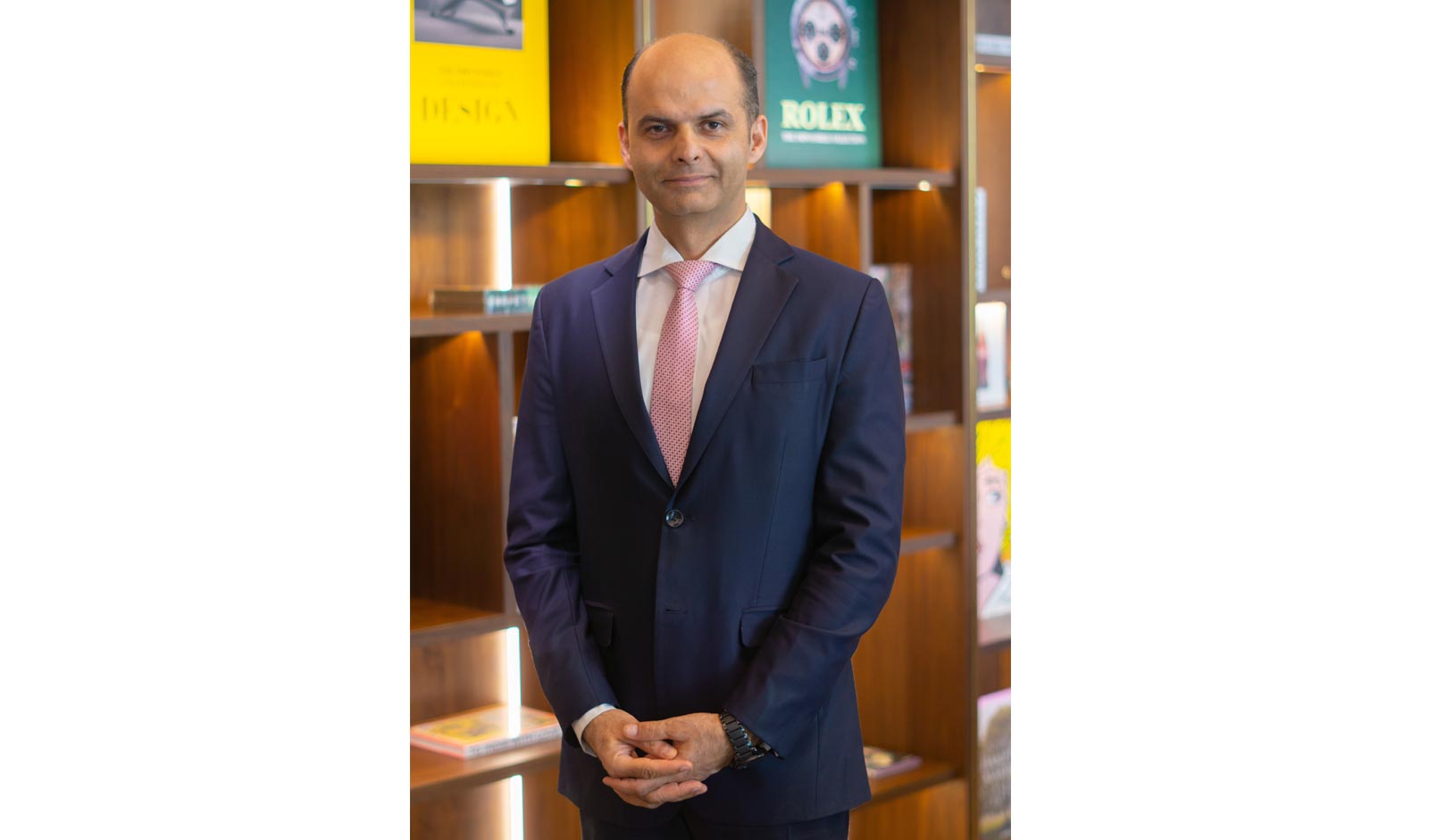
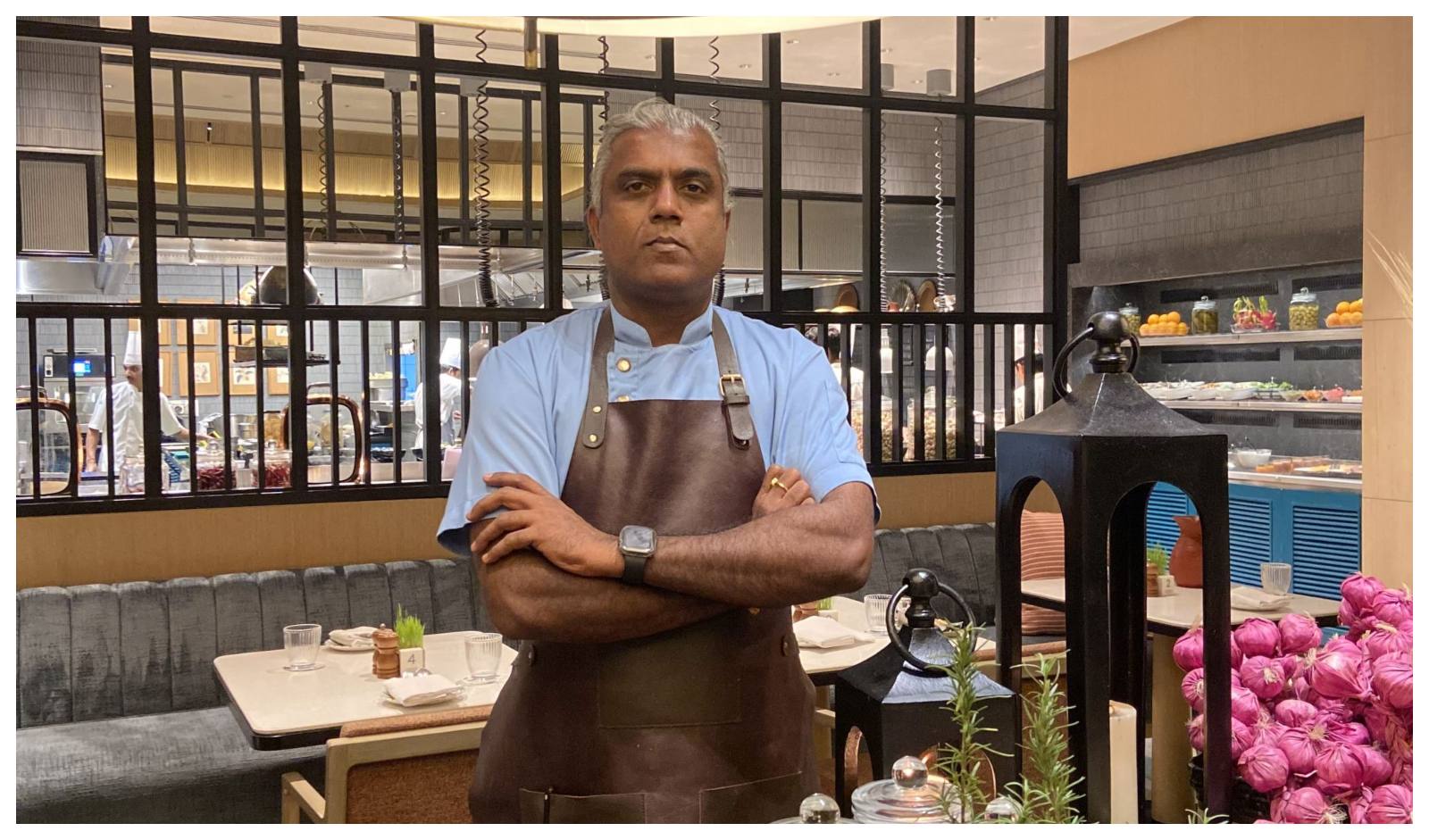
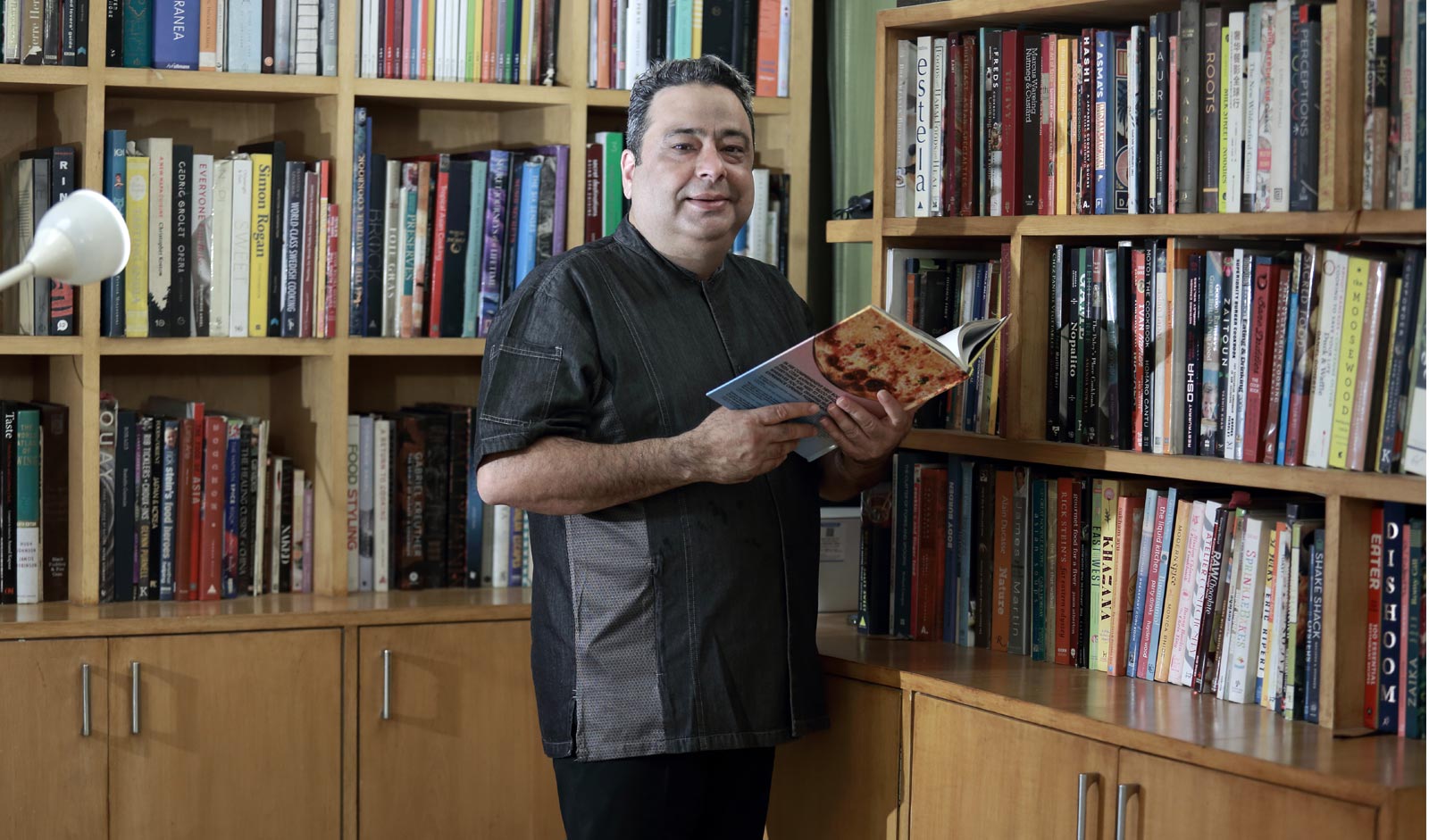
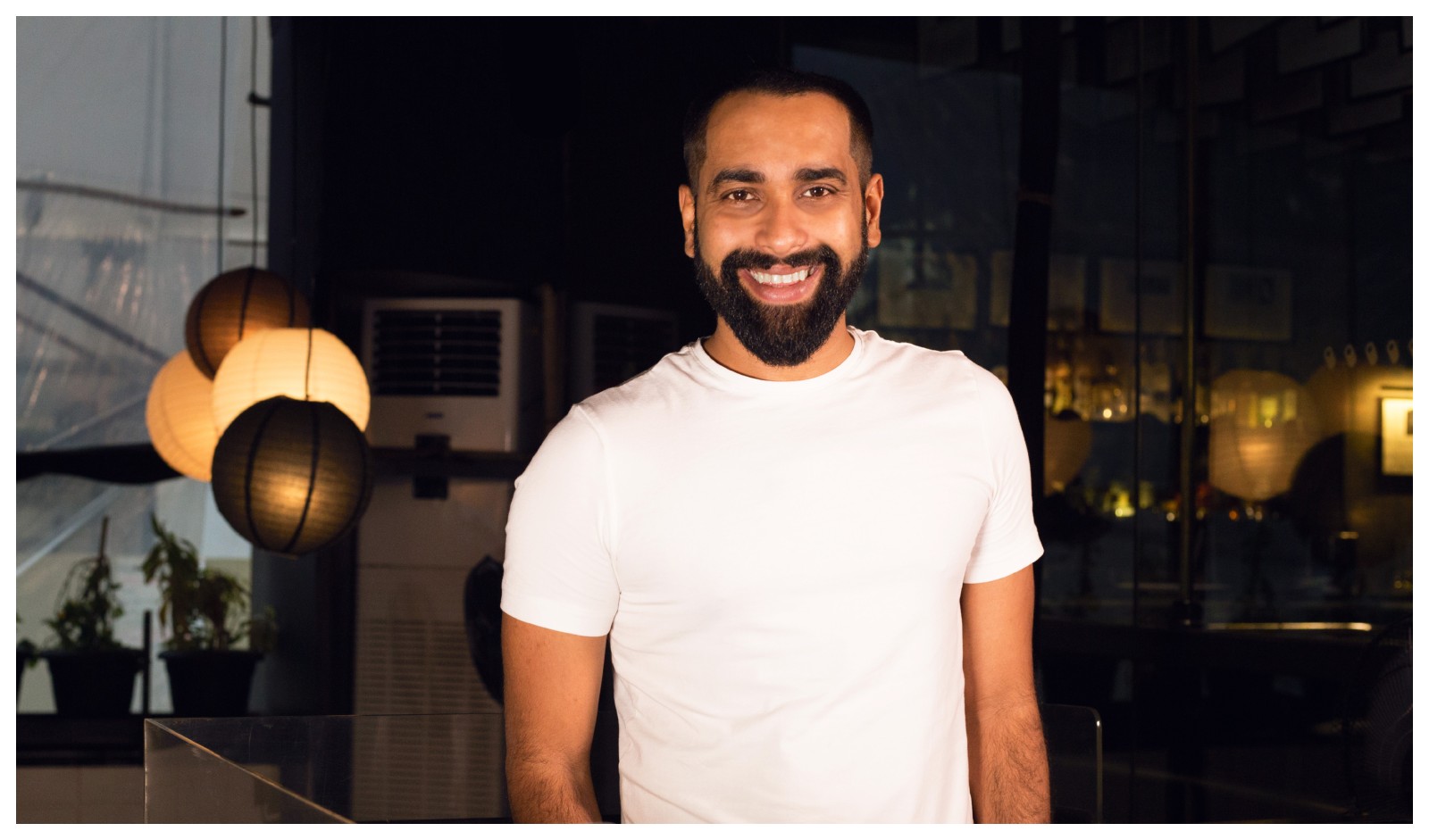
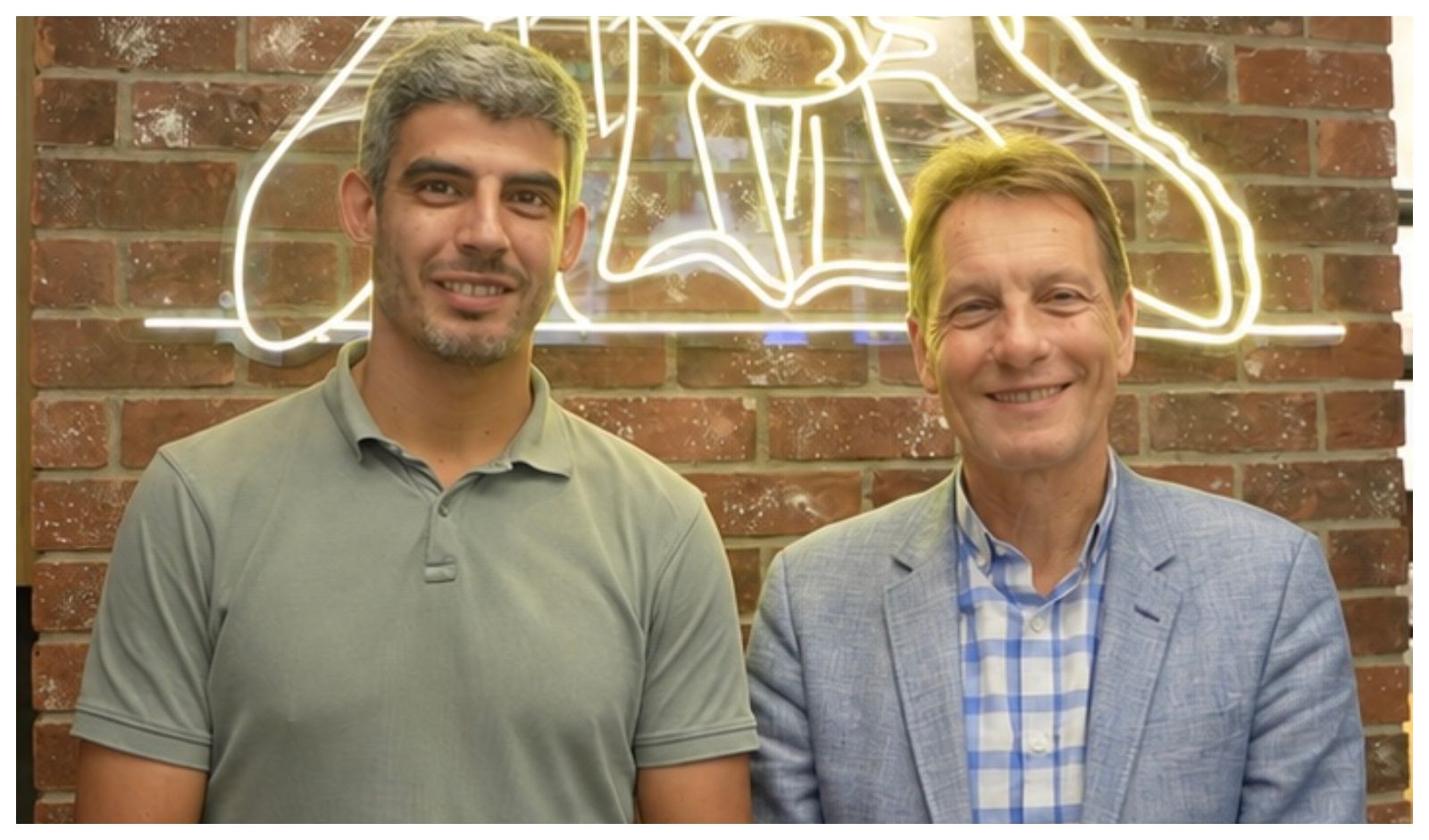
As Wagamama accelerates its India expansion, Andy Hornby, CEO of The Restaurant Group, and Francisco Neves, SVP – Franchise, Wagamama, share insights into the brand's growth ambitions, localisation strategy and vision for the Indian market.
Restaurant industry has faced inflation, labour shortages and changing consumer behaviour. What has been the biggest strategic shift for The Restaurant Group?
Andy Hornby- The biggest challenge has been rising labour costs, particularly across Western Europe. Our strategy has been focused on hiring and retaining the best talent, improving employee retention because recruitment is expensive and maintaining exceptional food quality to sustain healthy margins.
Restaurants cannot simply increase prices indefinitely because customers will reduce visits. Sustainable profitability depends on delivering food quality that justifies pricing while maintaining operational efficiency.
How has Wagamama's franchise strategy evolved over the years? How do you maintain operational consistency across international markets, especially India?
Francisco Neves- Our first step is identifying markets with the highest potential for the Wagamama brand. Once we see strong demand, we focus on finding the right local partner as that is critical to long-term success.
Our international support teams work across operations, menu development, marketing, design and architecture, providing continuous guidance to partners. We regularly visit each market to understand local requirements and make necessary adjustments while ensuring the brand remains globally consistent.
We chose a joint venture instead of a traditional franchise. Given the market's immense potential, partnering with K Hospitality allows us to combine Wagamama's global expertise with strong local market knowledge for sustainable long-term growth.
Many restaurant brands are adopting asset-light models. Do you believe this will become the industry's dominant expansion strategy?
Andy Hornby- It depends on the market and the brand. In the UK, Wagamama operates primarily through leased company-operated restaurants that combine dine-in and delivery, with approximately 75% dine-in and 25% delivery sales.
In India, however, a joint venture made more sense because we needed deep local expertise in real estate, labour and consumer preferences. While some may consider this asset-light, the joint venture still owns and operates the business. For us, it is the right model for this market rather than a conventional franchise approach.
Which restaurant format will outperform over the next decade?
Andy Hornby- The strongest model combines dine-in with delivery. It allows restaurants to employ highly skilled chefs while serving customers both in restaurants and through delivery platforms.
Fracisco Neves- Rather than focusing on restaurant formats, success depends on having a compelling brand proposition. Whether premium or affordable, brands that consistently deliver great food and experiences will succeed.
Consumer expectations differ across countries and even Indian cities. How do you balance localisation while maintaining brand identity?
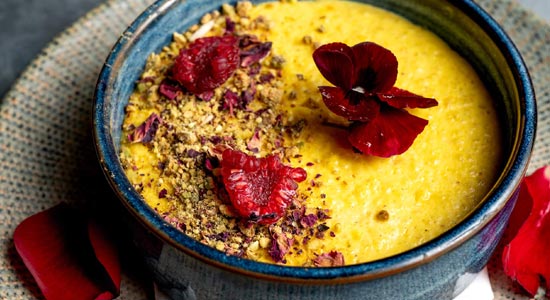
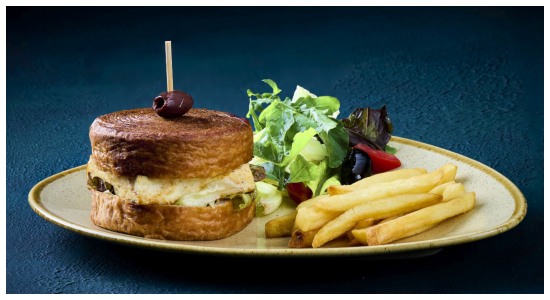
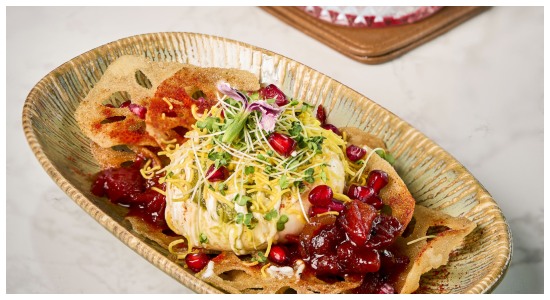
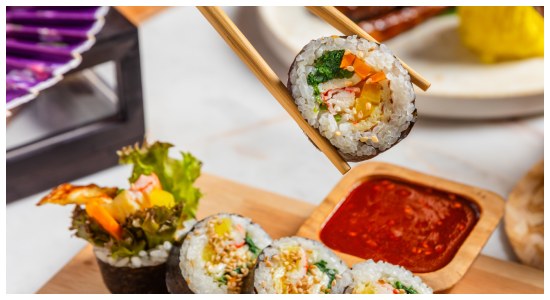
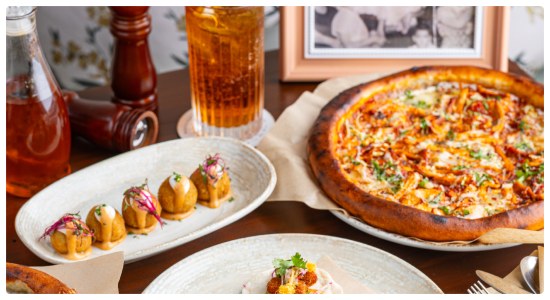
Andy Hornby- Wagamama has retained its core Pan-Asian identity while adapting around 25–30% of its menu to suit Indian tastes. Signature dishes remain unchanged, but local favourites such as the India-exclusive Spicy Chicken Ramen and few others have emerged as bestsellers. As the brand expands into cities like Delhi and Bengaluru, it will continue refining its menu without compromising its global DNA.
Despite consumers dining out less frequently due to rising living costs, expectations for food quality and service have never been higher. Wagamama remains focused on its integrated dine-in and delivery model, ensuring consistency, chef development and a superior guest experience. Product innovation is driven by customer and chef feedback with every new dish rigorously tested before launch.
Which global food trends will shape restaurant menus over the next decade?
Andy Hornby- Pan-global and fusion cuisines will continue growing as cities become increasingly multicultural.
Francisco Neves- Convenience will be equally important. Consumers increasingly want fresh, high-quality meals delivered quickly or served efficiently during busy workdays.
How can operators balance value pricing while protecting profitability?
Andy Hornby- The answer is improving quality. Restaurants must source better ingredients, hire excellent chefs, understand customer preferences and deliver outstanding service. Only then can pricing be increased gradually while maintaining customer trust and healthy margins.
How do you decide between company-owned restaurants and franchising? What are your expansion plans?
Francisco Neves- The decision depends on our ability to execute effectively in each market as strong local expertise is essential and we seek trusted partners. India's joint venture reflects our confidence in both the opportunity and our local partner.
We have approximately 180 company-owned restaurants in the UK, 5 company-owned restaurants in the US, 3 restaurants in India by the end of August and around 55 franchise restaurants across Europe and the Middle East.
Airport locations will operate through franchise agreements. All other restaurants will be developed through the 50:50 joint ventures with K Hospitality, which we effectively consider our company-operated model for India.
Andy Hornby- By the end of next year, we expect around three restaurants in Mumbai and 2-3 restaurants in Delhi. Over the next four to five years, the ambition is to reach 30–50 restaurants across India, beginning with Mumbai, Delhi and Bengaluru. Across global markets, including franchise operations, Wagamama expects to open approximately 20–25 new restaurants next year.
Vijetha Iyer
Content Editor
Working as a Content Editor with Restaurant India. I have worked in various sectors like food and beverage sector, chemicals, pharma, nutraceuticals, now specially focusing on restaurant side. But my core knowledge was always on content. Be it writing poems to verses, I always loved writing and have been exploring my career on the same. In Restaurant India, I deliver insightful stories, take interviews of various brands and update the audiences about the newest happenings in the restaurant industry.