
Vibe Over Food: Why Experience Is Driving India’s Dining Choices
The psychology behind “vibe over food” comes from the human desire for immersion, connection and emotional resonance.

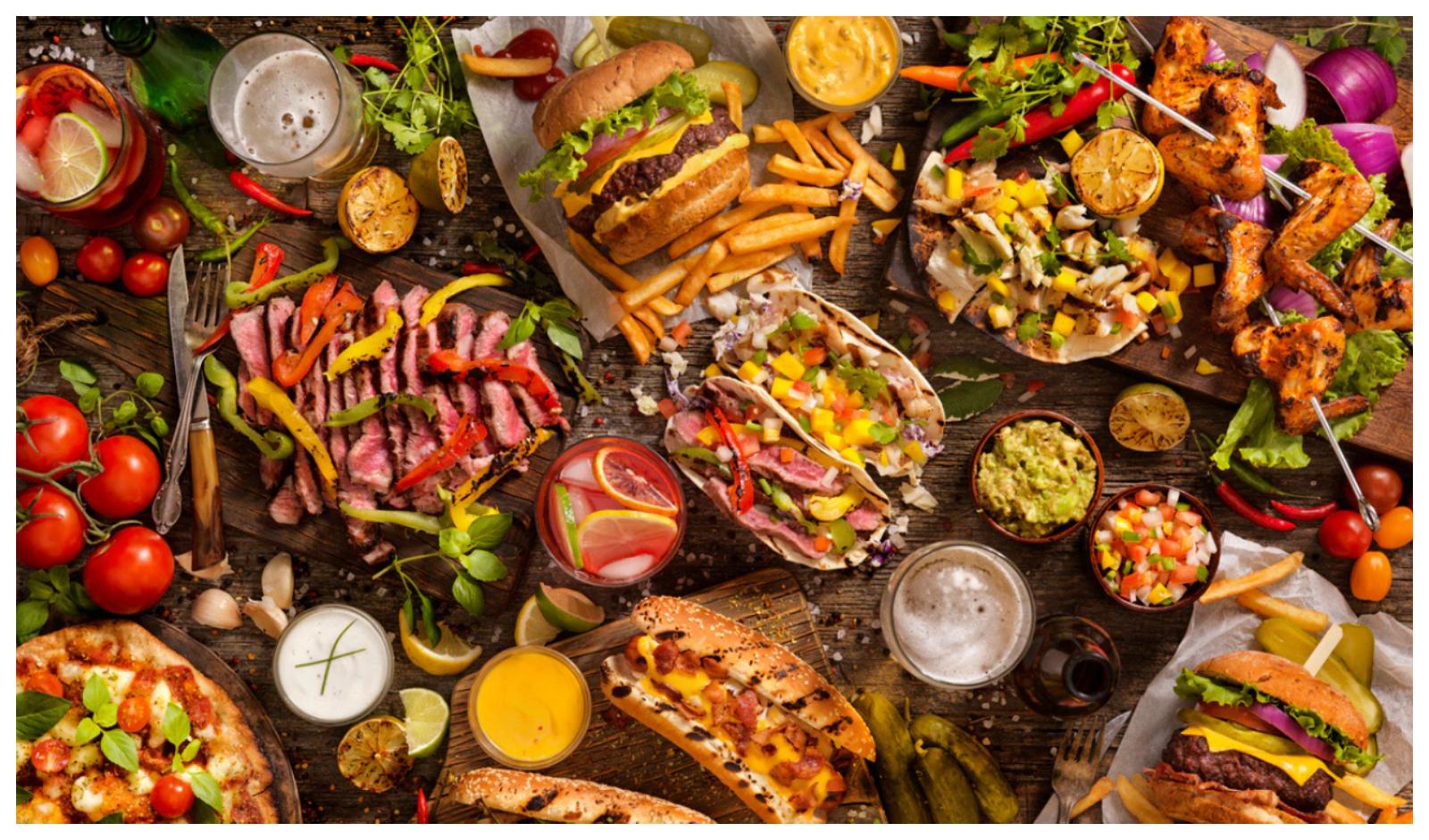
India’s restaurant sector is undergoing a structural shift. Dining is no longer just about consumption; it’s a performative, emotional, and identity-driven experience. Food, once the core product, is now part of a larger narrative. This change is driven by deeper psychological, cultural, and economic forces.
From Consumption to Emotion
Today, diners aren’t seeking just a meal, they’re seeking meaning. The psychology behind “vibe over food” comes from the human desire for immersion, connection and emotional resonance.
“Memory is experience based and not only taste based. We sometimes forgot the exact taste but remember sound, sight, touch and how staff made you feel,” shared Priyank Singh Chouhan, Director–Culinary & Operations, India & West Africa, JSM Corporation.
In fast-casual dining, the psychology is simple: people chase energy. The “vibe” becomes a catalyst for belonging to a place where people feel free to be themselves.
While, Sumer Sethi, CEO, Moe's India explained that in India’s growing dining economy, this energy-driven experience wins because it offers quick gratification, personality and a sense of fun that extends far beyond what’s on the plate.
“Food remains important, but the environment, storytelling and sensory cues shape how the food is felt,” added Sagar Kumar, Founder, SILQ.
Food is Now a Secondary Product
Food hasn’t lost importance—it’s become the baseline. Good food is expected. What truly stands out now is everything around it. Food gets you in; the overall experience makes it memorable.
“What people are increasingly paying for is identity. Where you dine says something about who you are, what you value, and what community you belong to. Brands are navigating this carefully. The smarter ones aren't chasing trends; they're building a clear point of view,” pointed Shantanu Yadav, Co-Founder, Atmanam.
Social identity and Signalling
For brands, this means crafting spaces, rituals and narratives that align with the values people want to signal cultural sensitivity, restraint, craftsmanship and global awareness. Around 84% of Indian diners discover restaurants via social media. Kumar pointed that the focus is on creating an environment where the food, design and behaviour all communicate a quiet, confident identity.
“For brands like Moe’s, the focus is on giving diners the freedom to customize and express their tastes. It becomes a form of social signalling “this is my flavour, my style,” noted Sethi.
Focusing on Visual & Sensory Elements
As per reports, 60% of engagement is driven by visual design and marketing. Brands invest in bold colours, open kitchens, dynamic assembly lines and upbeat music because these elements create immediacy.
“The visuals from the lively counter to the layered bowls are designed to spark appetite and excitement,” addressed Sethi who focused that the sensory experience reinforces the brand’s identity: spirited, informal and expressive.
Sharing his views Yadav added, “Given my background in graphic design, I've always believed that what something looks like and how it feels are inseparable from what it means. We think about the full sensory arc, the visual language of the space, the tableware, the plating, how the aroma greets you, even the quality of the silence or the music. These aren't decorative decisions, they're narrative.”
Shift from Utility to Narrative
India’s dining sector is moving from “quick meal” to “quick meaning.” People aren’t paying only for food; they're paying for what the brand represents. The shift is towards narratives that feel modern, global and culturally fluid.
For Sethi, Moe’s growth in India reflects this shift: guests connect with the idea of Mexican-inspired food that’s fun, customizable and expressive. The story becomes the differentiator, and the food reinforces it.
“The narrative is about honouring a cuisine that deserves more recognition, about community, about slowing down. And we find that when guests align with that narrative, they don't just return, they bring people with them, they talk about us and become part of the story,” added Yadav.
For restaurateurs, this shift means the investment isn't only in kitchens and interiors anymore; it's equally in identity, in team culture, in the emotional intelligence of the brand.
The Challenges
One of the biggest challenges is resisting the pressure of spectacle and constant reinvention. It’s also about staying rooted in this philosophy while ensuring guests still feel novelty and richness.
“Vibe-led dining struggles with consistency, high costs, staff dependency and fast-changing trends, and succeed by standardising experience, maintaining food quality, and creating repeatable, high-impact moments,” added Chouhan. The challenges lie in balancing global identity with local relevance. Commenting on this, Sethi said, “The way we overcome this is through flexibility adapting proteins, spice levels and textures without losing the core of what makes Moe’s.”
The other challenge is growing without diluting. There's always pressure to expand faster, to replicate and scale. Yadav stressed that the approach has been deliberate slowness, understanding the local audience of every new space before they open it, and asking whether they can genuinely serve that community well.
And, hence, we can surely say that India’s dining economy is no longer driven by food alone, rather shaped by emotion, identity, and narrative.
Vijetha Iyer
Content Editor
Working as a Content Editor with Restaurant India. I have worked in various sectors like food and beverage sector, chemicals, pharma, nutraceuticals, now specially focusing on restaurant side. But my core knowledge was always on content. Be it writing poems to verses, I always loved writing and have been exploring my career on the same. In Restaurant India, I deliver insightful stories, take interviews of various brands and update the audiences about the newest happenings in the restaurant industry.









































