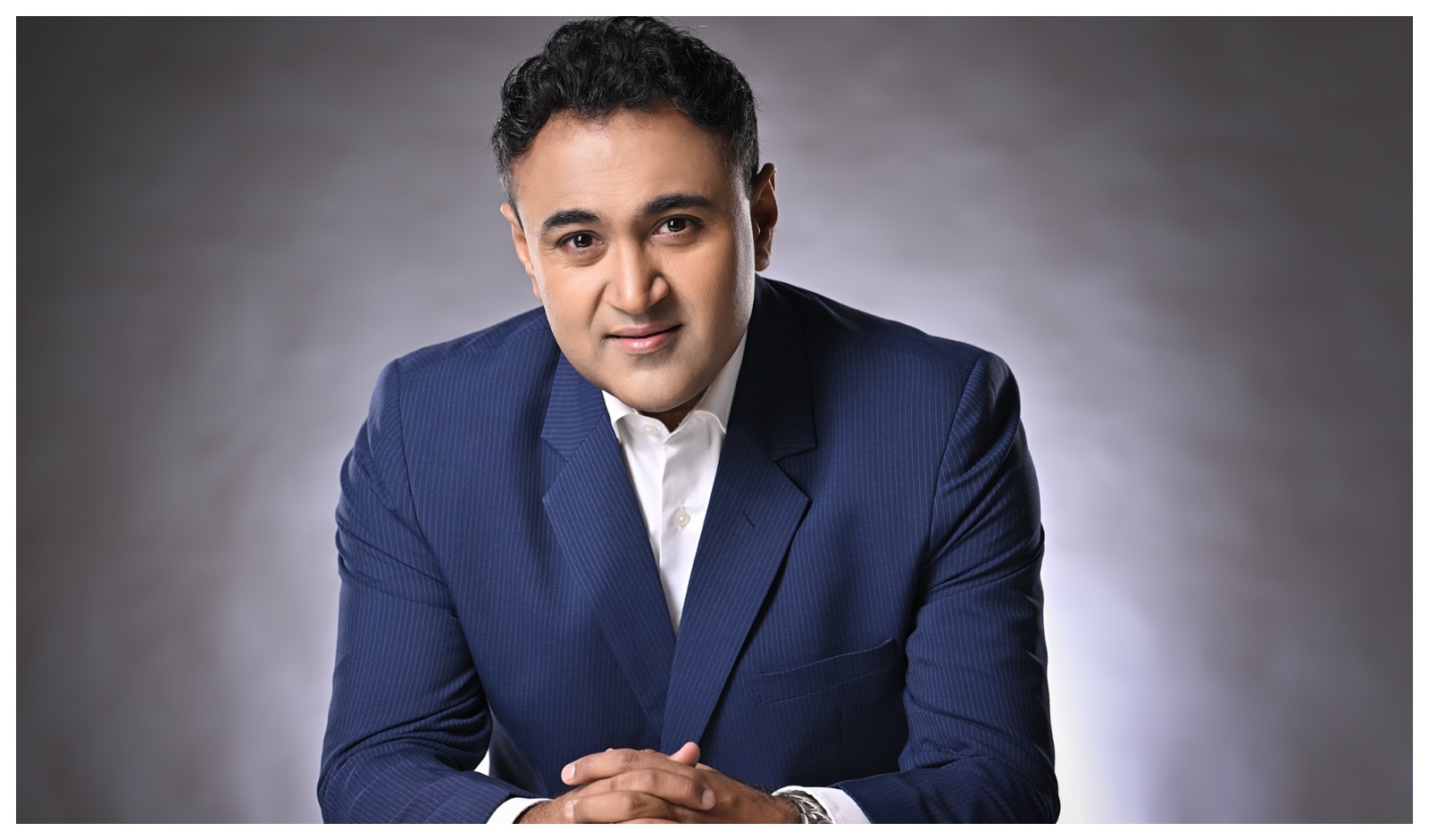
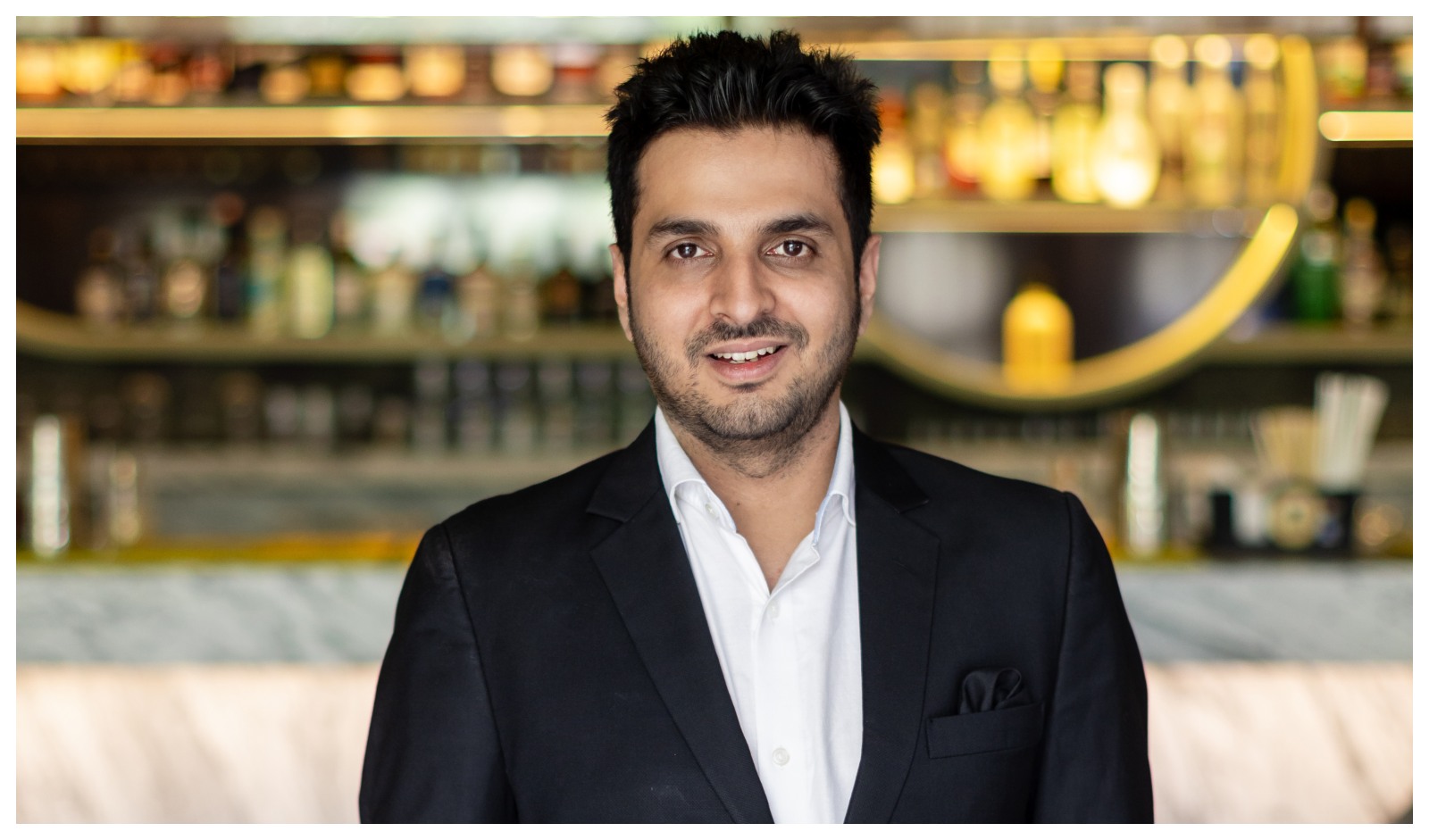
"Vegetarian Dining is Overshadowed by Other Concepts," says Rahul Lunawat
He entered hospitality in 2017 with The Bangalore Cafe and gained hands-on experience across restaurant operations.

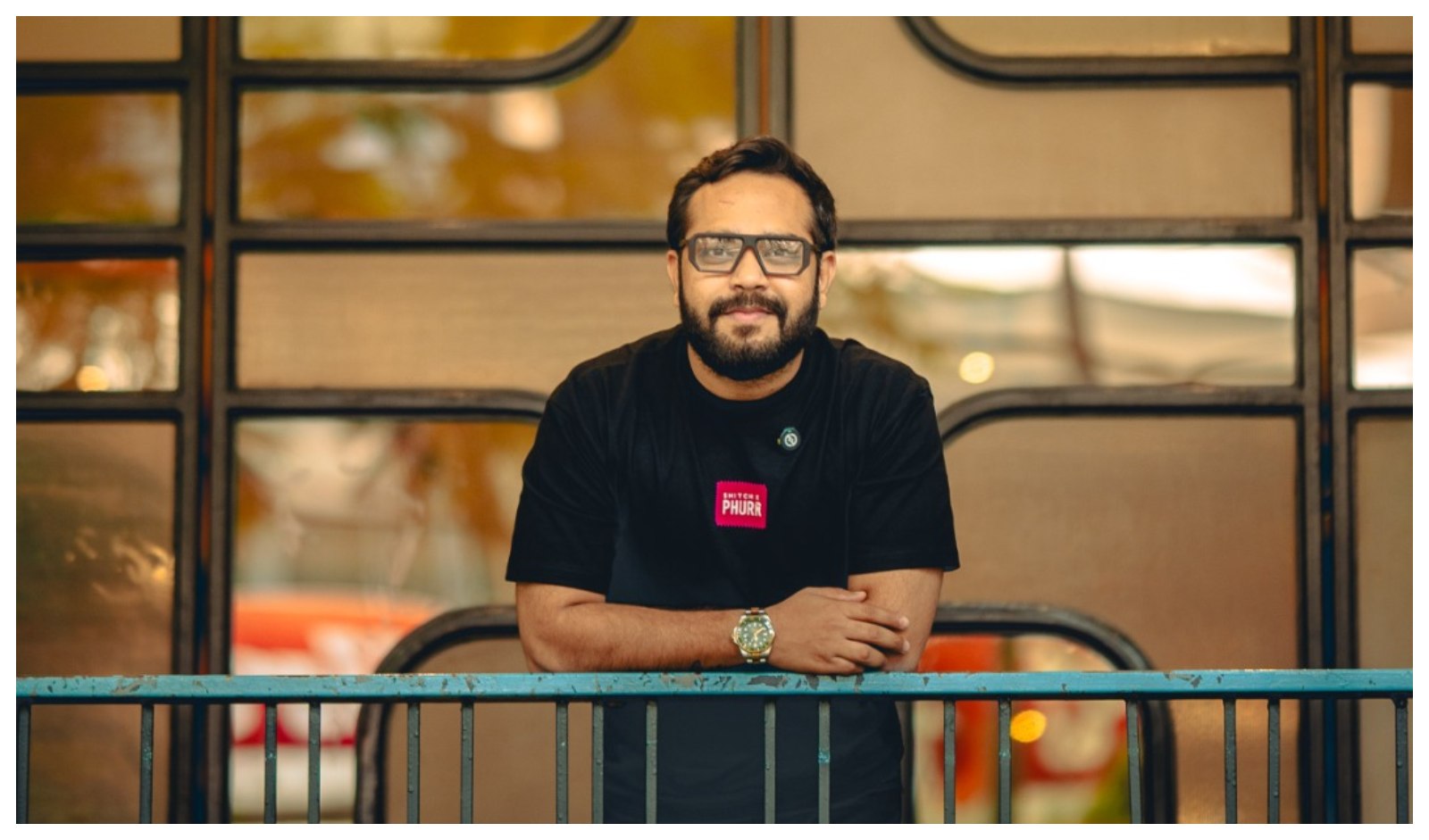
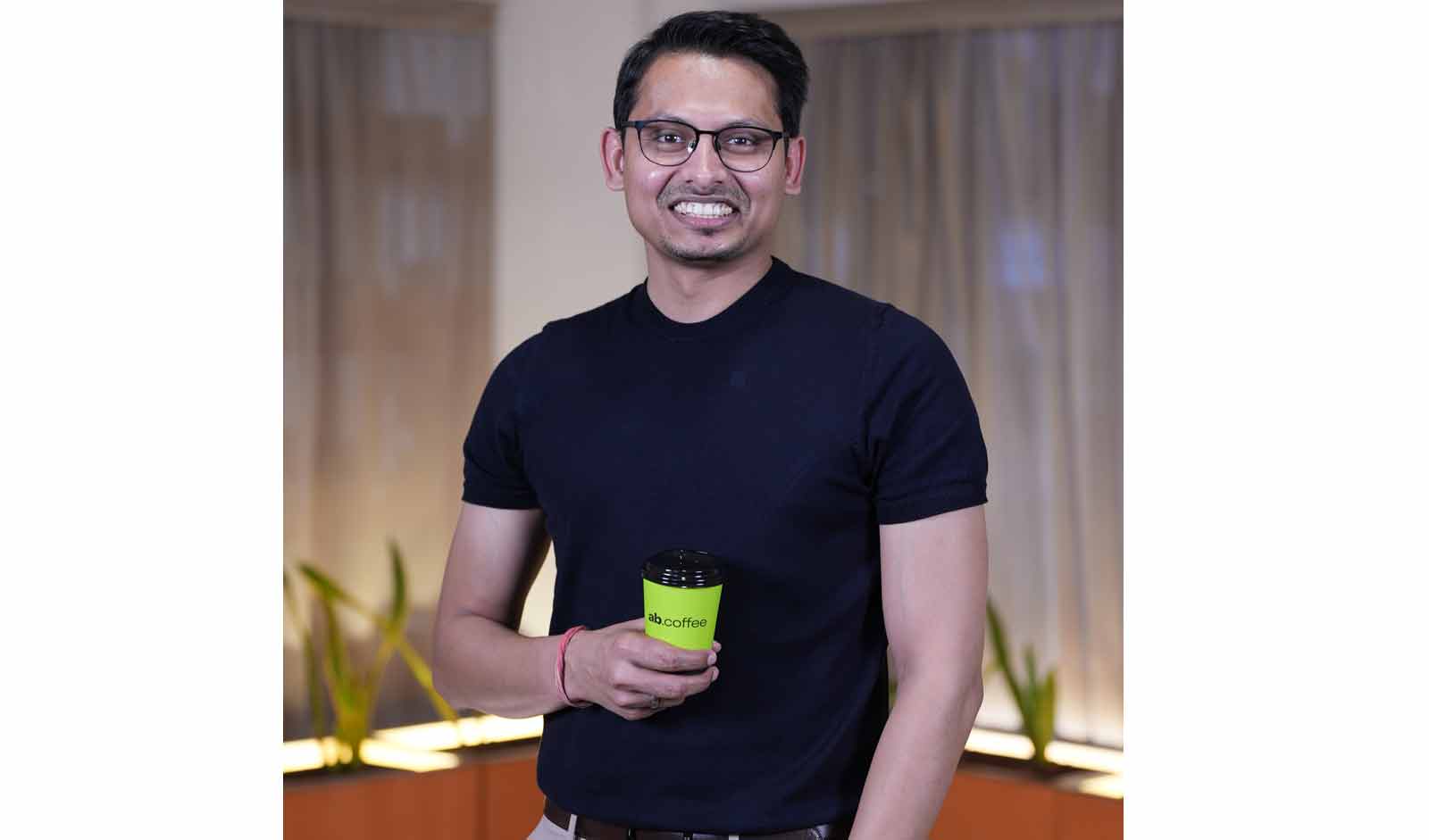
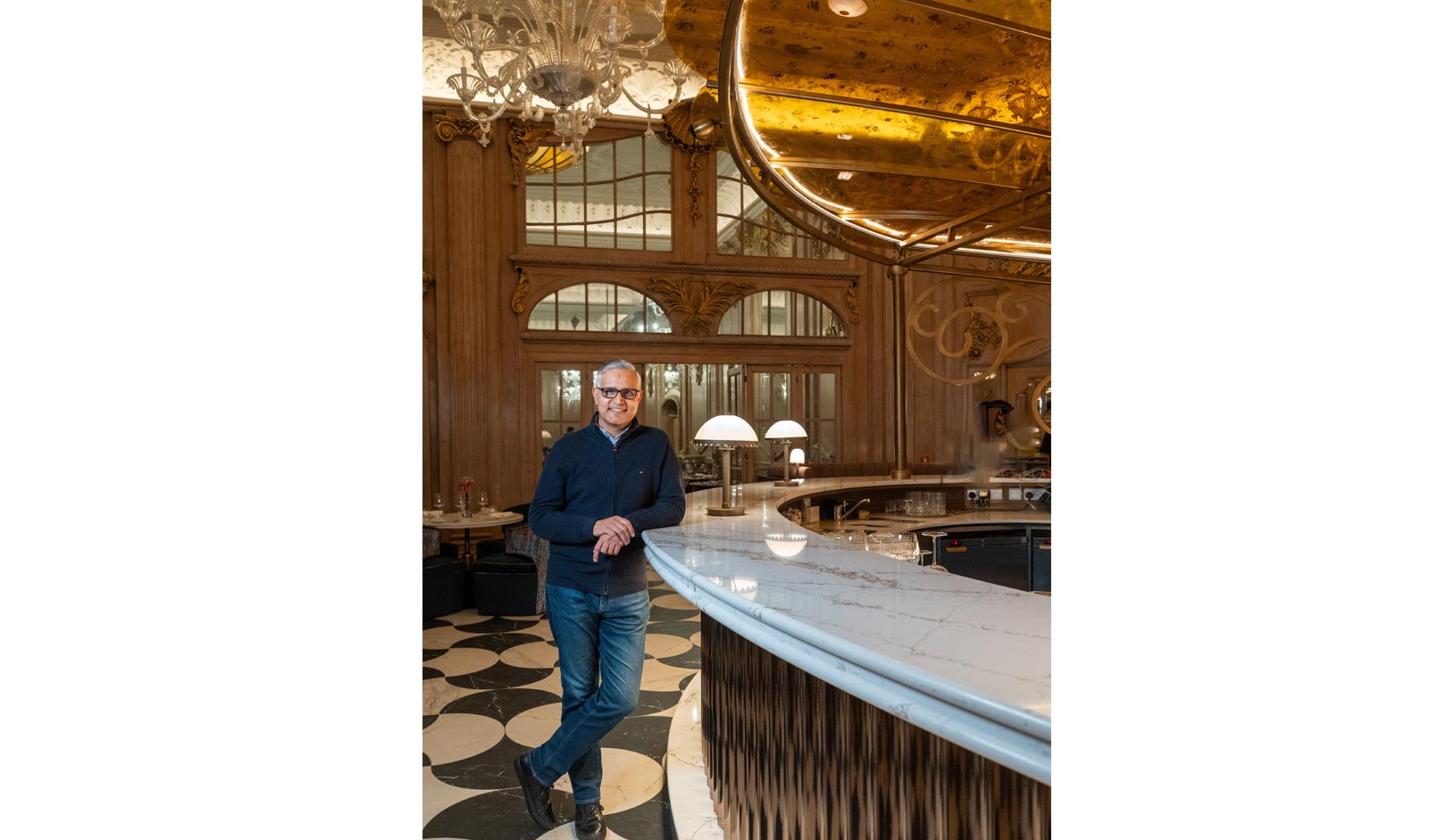
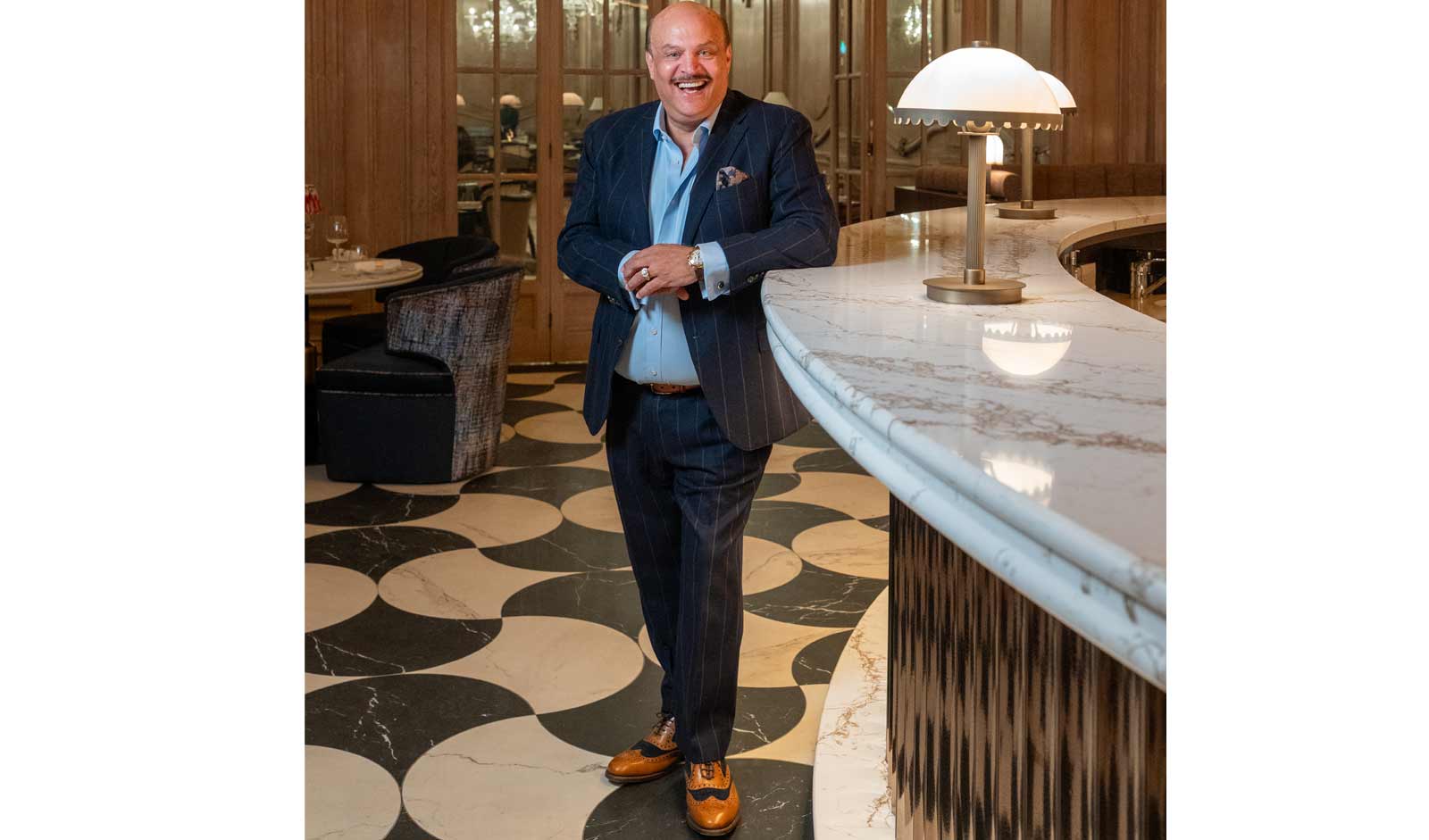
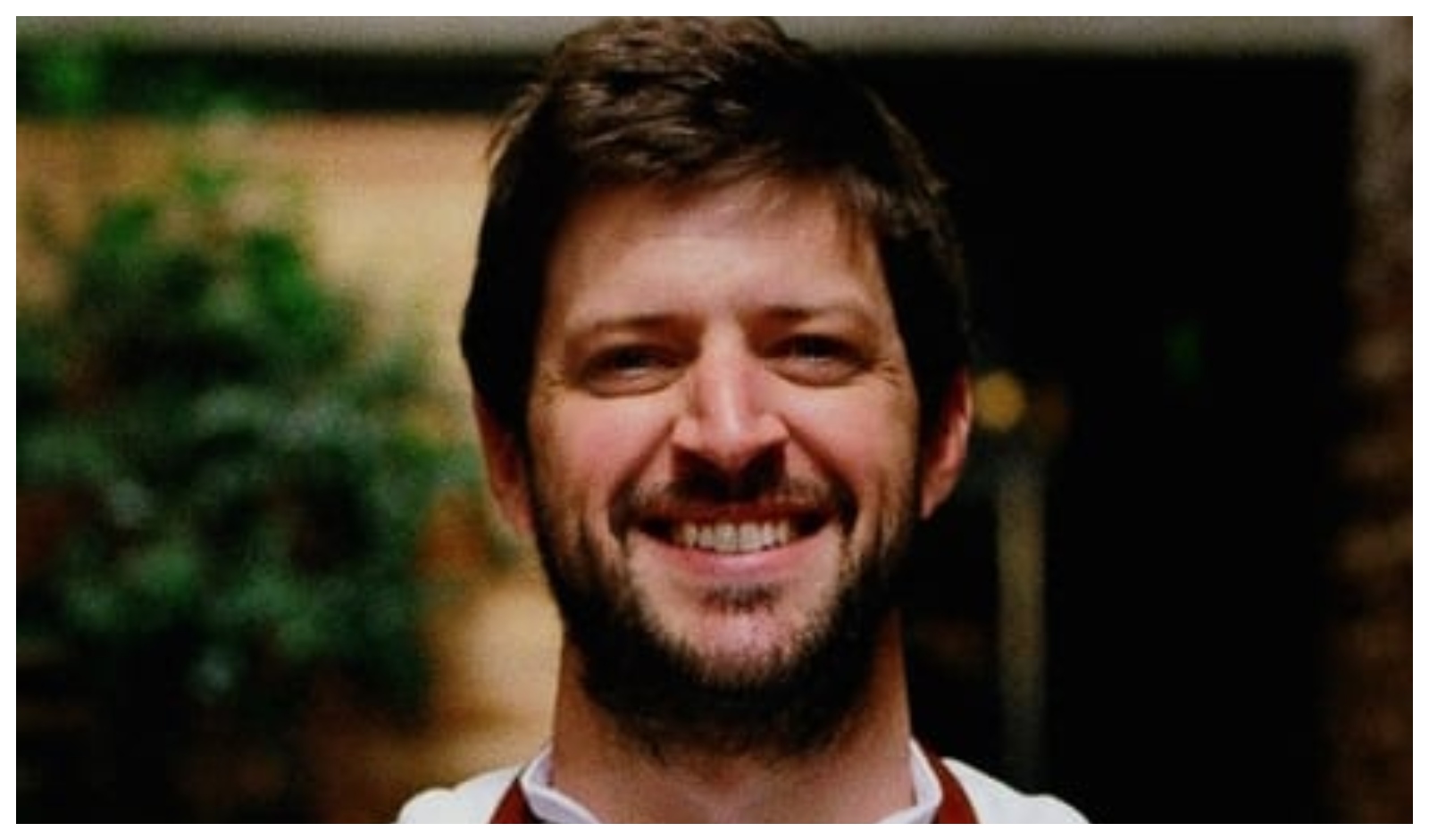
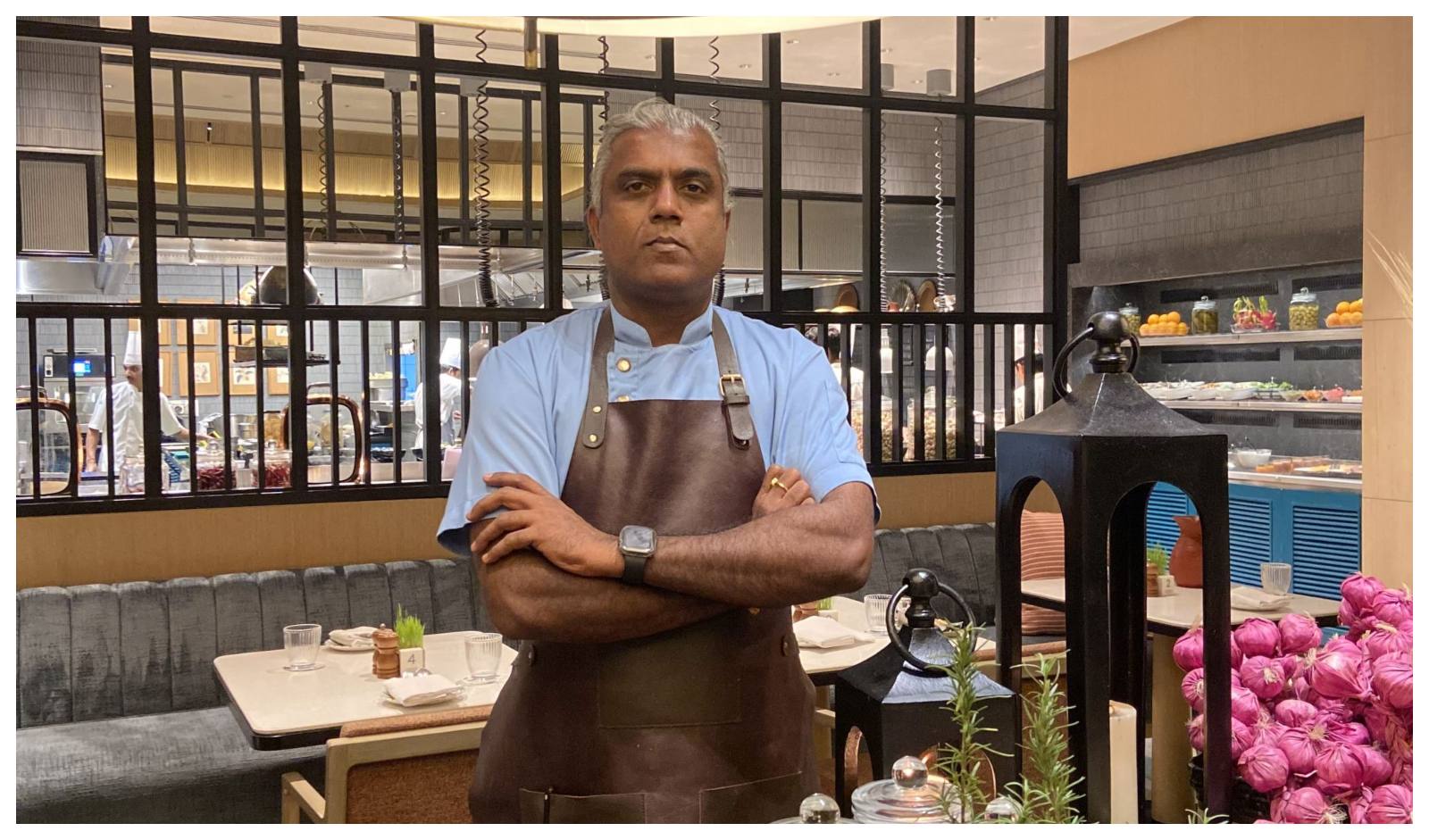
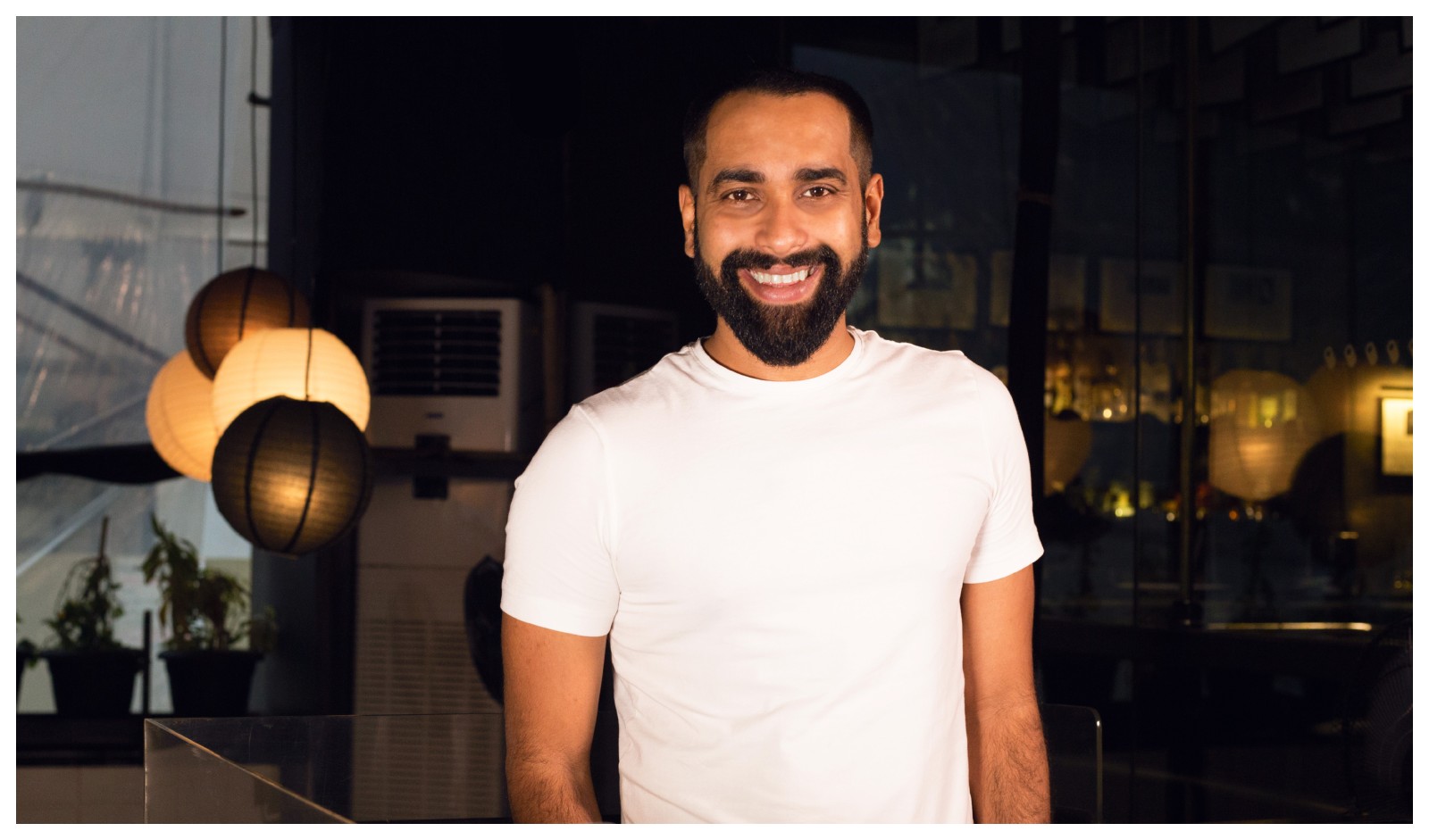
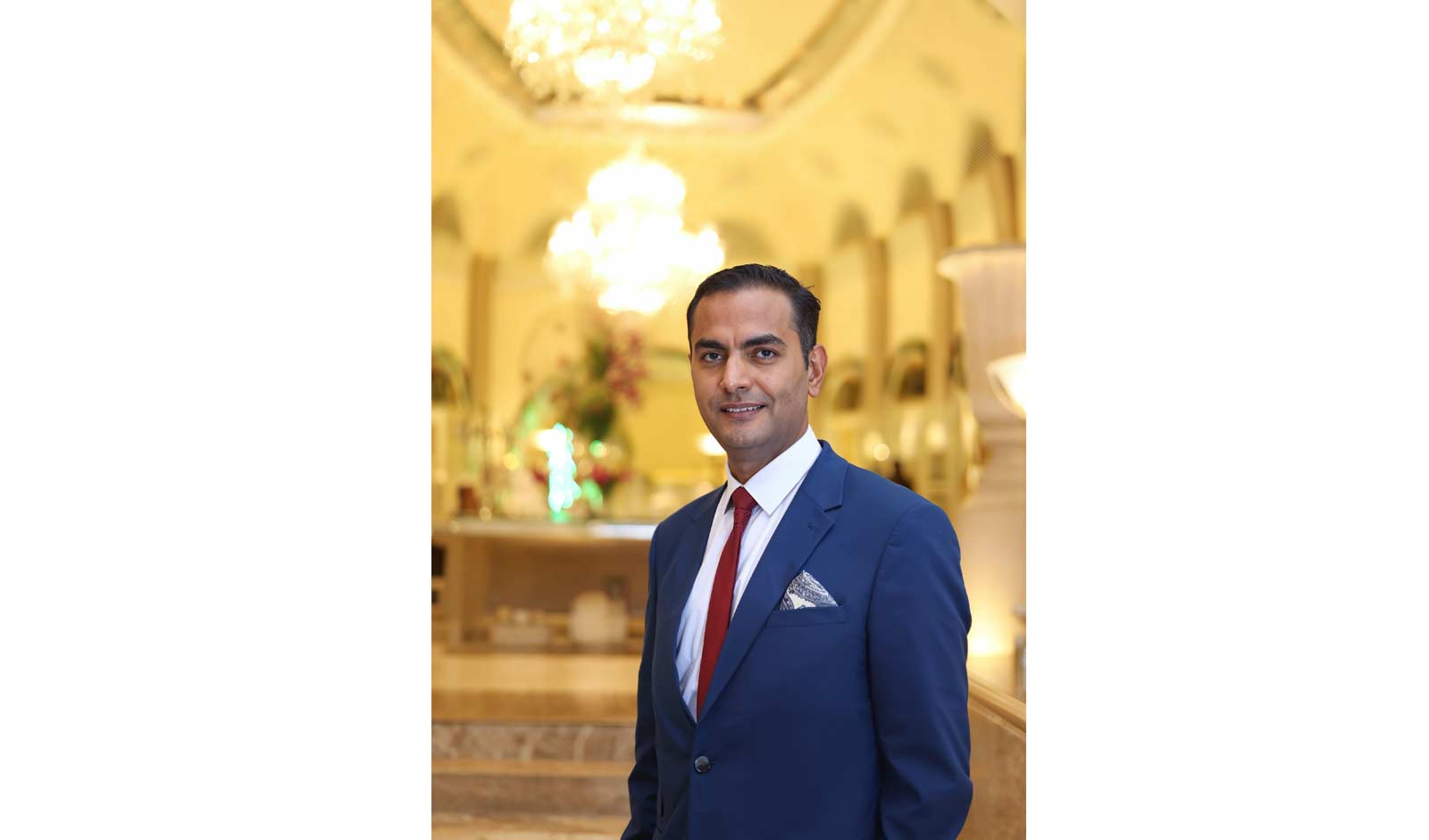
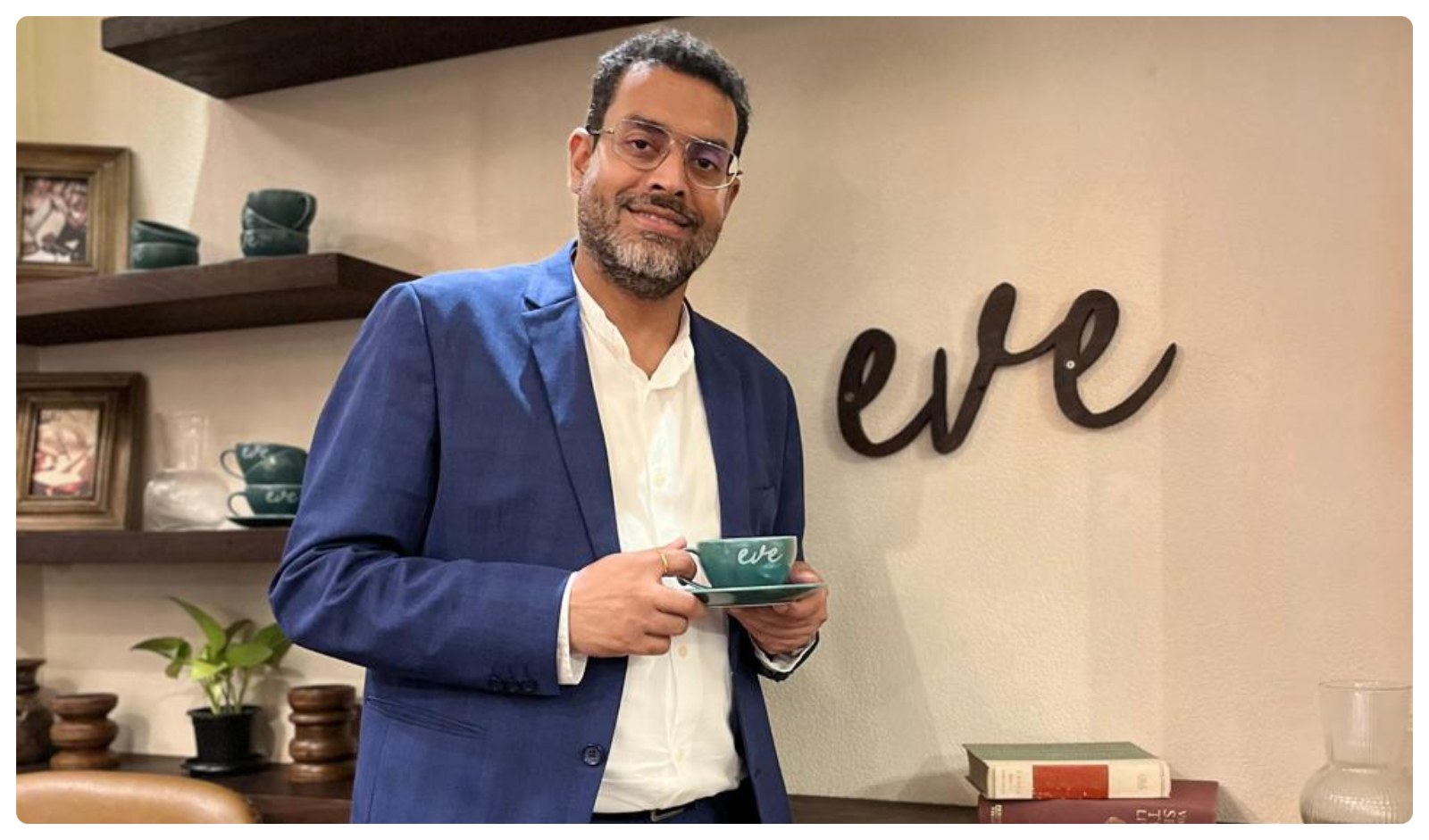
Rahul Lunawat is a Bengaluru-based entrepreneur who has built three recognised vegetarian dining brands—PHURR, The Bangalore Cafe and Bangalore Thindies. He entered hospitality in 2017 with The Bangalore Cafe and gained hands-on experience across restaurant operations.
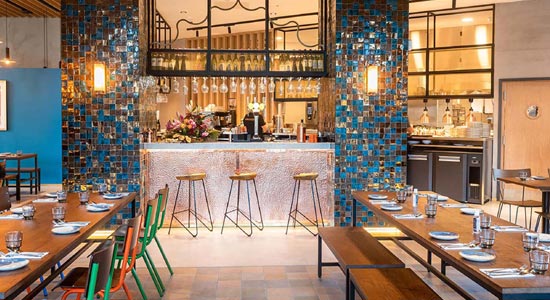
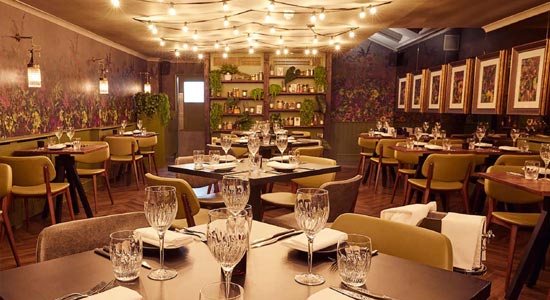
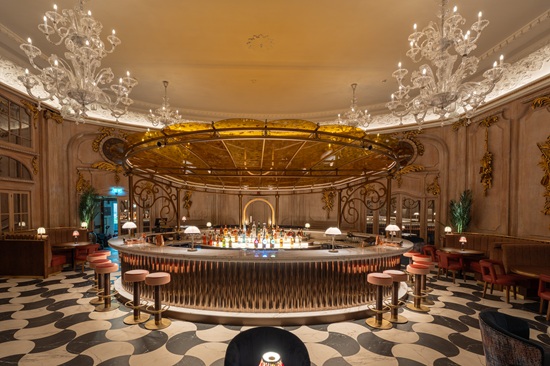
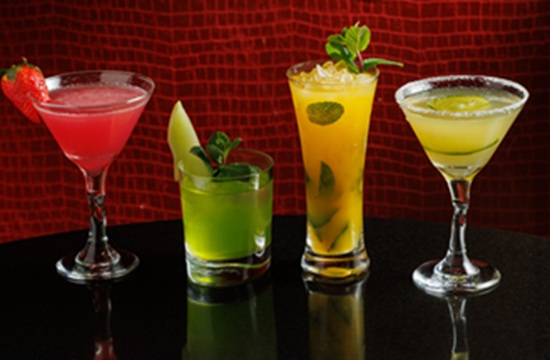
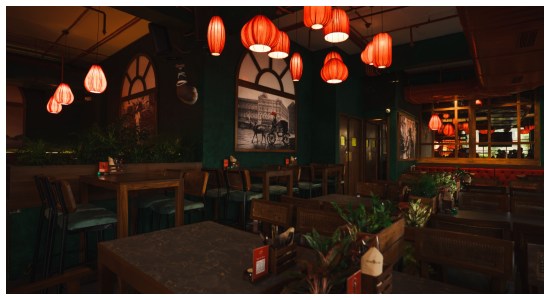
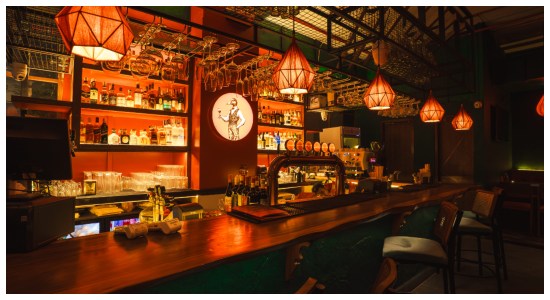
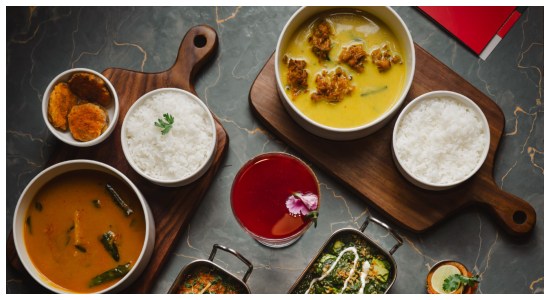
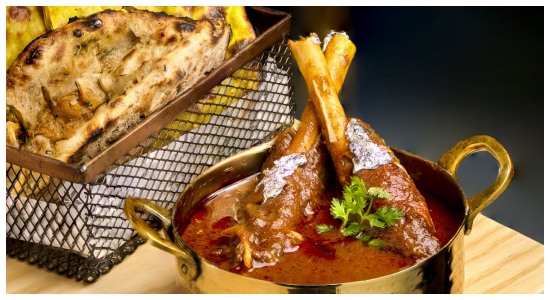
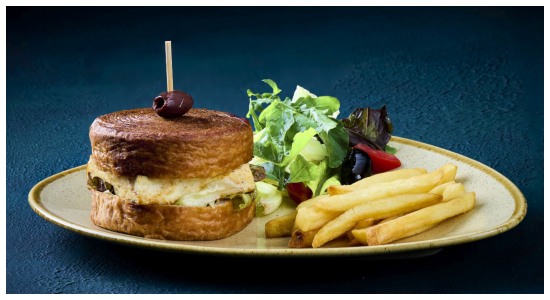
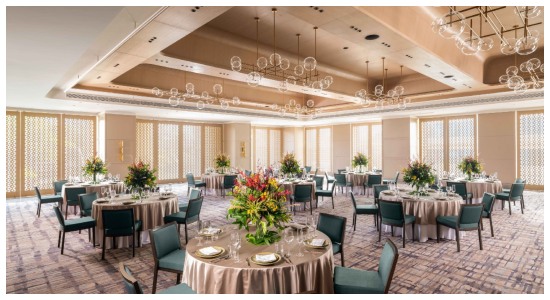
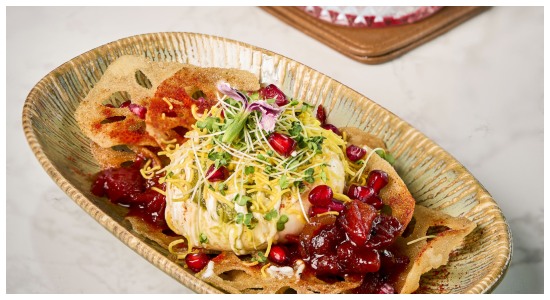
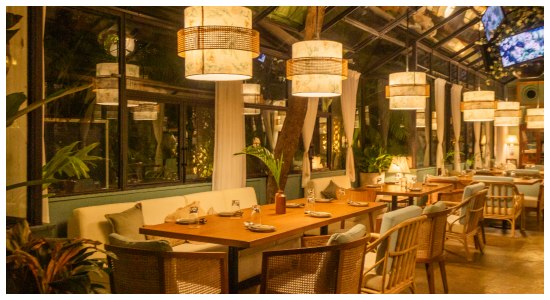
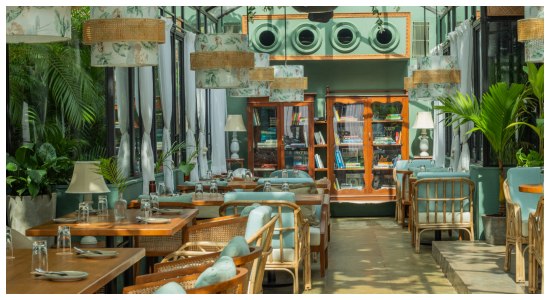
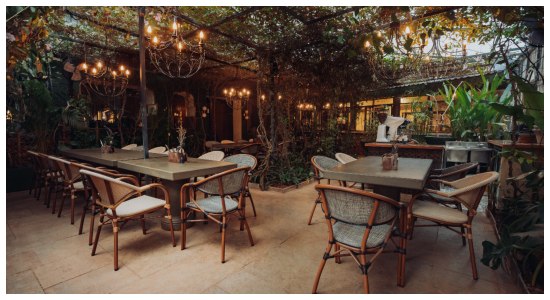
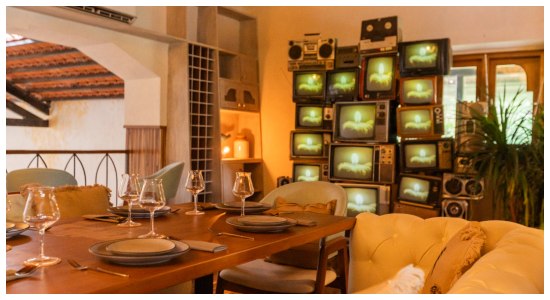
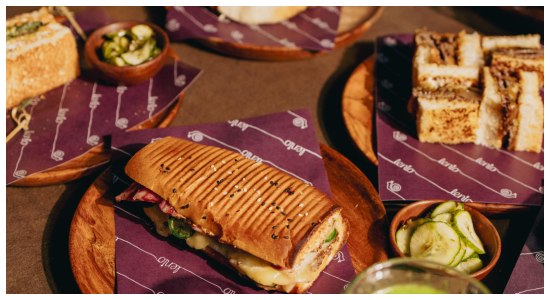
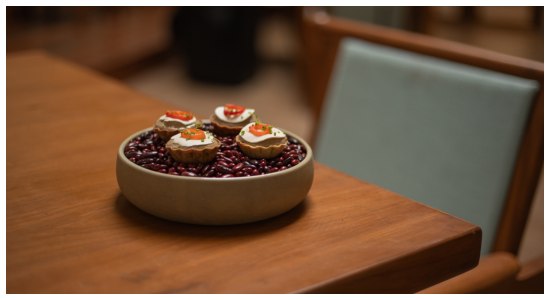
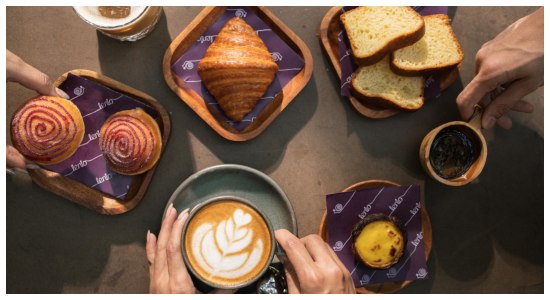
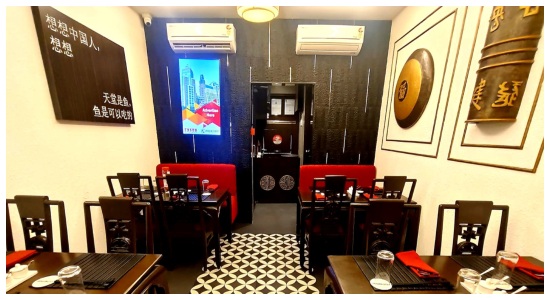
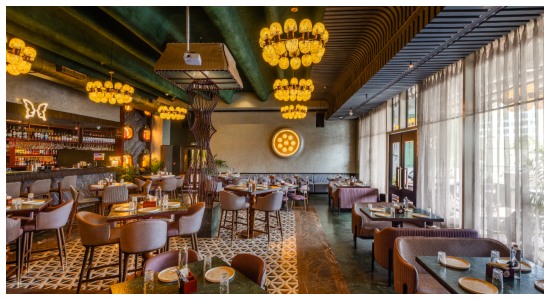
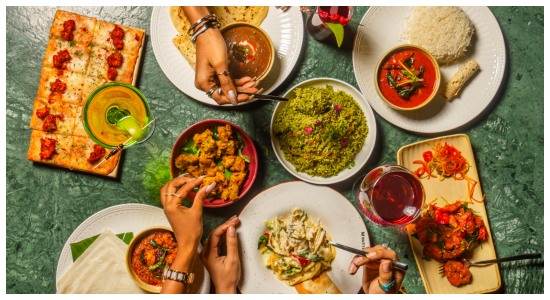
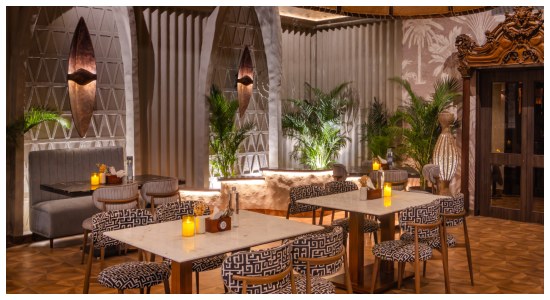
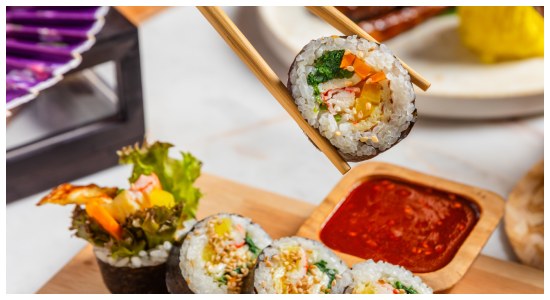
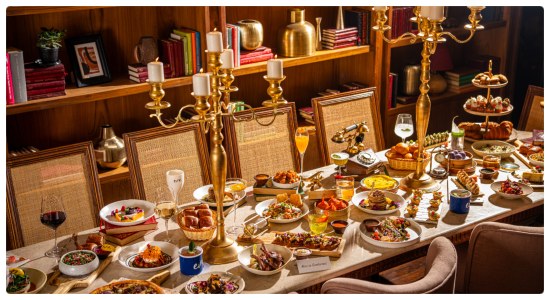
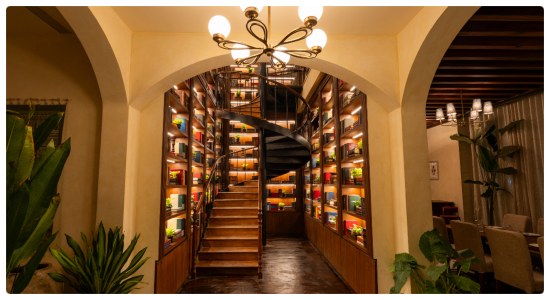
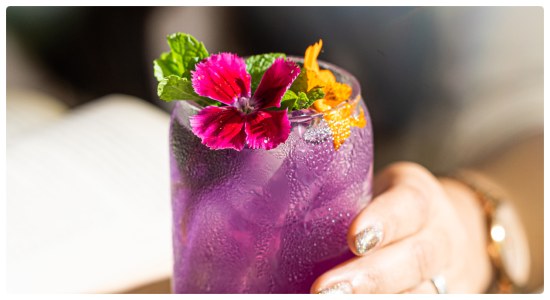
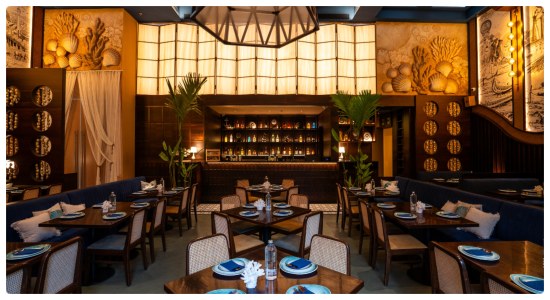
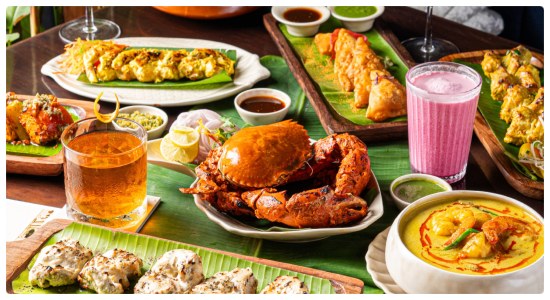
His latest venture, PHURR, is an elevated vegetarian dining concept focused on ingredient-led food, immersive spaces and zero-proof beverages. In an exclusive interview with RestaurantIndia, Rahul Lunawat, Co-Founder of PHURR, The Bangalore Cafe and Bangalore Thindies discussed about the growth, challenges and much more.
Q: You operate brands across different restaurant formats. What is the common philosophy that connects them?
The common philosophy is simple: serve high-quality, engaging food. The menu, pricing and format may differ, but we never compromise on ingredient quality. Whether it is a small Southern QSR or a larger-format restaurant, quality remains constant.
Q: What were the biggest challenges when you started?
Almost every step was a challenge. We had to build everything from hiring chefs and service teams to creating the restaurant from scratch, despite not coming from construction, F&B or hospitality backgrounds. We initially worked with consultants and learned through our mistakes. We also faced significant losses in the early stages. By the time we opened our second outlet, the process had become easier, although the challenge shifted to maintaining the same performance, consistency and service quality.
Q: What gap did you identify in vegetarian dining?
Vegetarian dining was often overshadowed by more premium or fancy restaurant concepts. As a vegetarian myself, I wanted to create a place offering quality food, presentation and an overall experience. The idea was to build a restaurant where I could take my family, celebrate a birthday or bring a guest and know that I would get genuinely good food. That gap inspired the concept.
Q: What comes first when building a restaurant—consumer opportunity, location or business model?
For us, it starts with the consumer vacuum. We identified a clear gap in vegetarian dining, which represented the business opportunity.
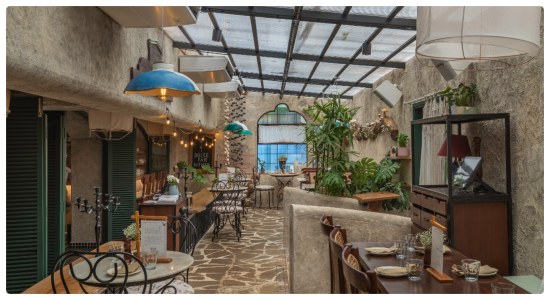
Location comes next. Jayanagar, for example, has a strong vegetarian population, food awareness and spending capacity. We waited for around a month and a half to find the right location. The numbers worked from both the consumer and profitability perspectives. Indiranagar offered a different but equally strong dining market for our second outlet.
While, rent and manpower are the biggest pressures. In Bengaluru, good restaurant spaces are limited, while more brands are entering the market, pushing rentals up and affecting ROI. Manpower is another major challenge. Skilled restaurant professionals are in high demand, so labour costs continue to rise and are becoming increasingly difficult to absorb.
Q: What operational mistake do you avoid?
We keep a very close eye on food cost. That is where your money is. If you ignore food cost even for a day, profitability can decline significantly. It is basic, but extremely important to running a restaurant.
Q: How do you measure restaurant performance beyond topline revenue?
Food cost is one of the most important metrics. Staffing and purchasing also need to be monitored closely. Once food cost is under control, managing the rest of the business becomes easier. Marketing is largely Instagram-first for us. We have also started using Relo to reconnect with existing customers who have not visited recently, helping us bring them back.
We use data for inventory and track staffing requirements on a day-to-day basis. We haven't implemented AI yet, although the team is exploring it with a few companies. We want to adopt technology without losing the human element of hospitality. AI may be exciting, but we need to be sure it is sustainable and genuinely adds value before implementing it.
Q: Where do you see the biggest untapped revenue opportunity?
Delivery is a significant opportunity. The market is growing rapidly, particularly around cloud kitchens and delivery-focused concepts. We haven't fully explored it and may eventually launch a brand specifically for delivery.
For brands where we offer delivery, the mix is roughly 70% dine-in and 30% delivery. However, some concepts don't work well for delivery because the food is meant to be experienced on the table. We don't want delivery to compromise the reputation of the food. We are also entering the retail segment. Retail can increase ticket size, contribute to the bottom line and allow customers to take part of the restaurant experience home.
Q: What is the biggest risk when scaling a restaurant brand?
Consistency, food quality, service, financial discipline and brand identity all have to remain intact. Once food consistency is lost, it is difficult to regain customer trust. The same applies to service. Every part of the brand experience has to be protected while scaling.
Q: What are some misconceptions about building a profitable restaurant?
1. One misconception is that every restaurant will do well. That's not true. Another is that cutting costs automatically increases margins. It doesn't.
2. Strong branding also doesn't necessarily mean great food. A restaurant can have excellent branding, but ultimately the food and customer experience have to deliver.
Q: What restaurant metric do founders often overlook?
1. Consumption and store-level inventory. Founders need to understand how many people are coming in and what quantity of vegetables, grains and other ingredients is being consumed.
2. The store is where the money lies. Clean operations, proper SOPs and strong inventory management at the store level are critical to profitability.
Q: If footfall remains flat, where can a restaurant find its next 10–15% growth?
I would first optimise the existing business rather than immediately entering catering or another vertical. Understand what is happening across reservation platforms and aggregators and identify where the existing business can improve.
Moving into a new vertical requires additional investment and capital, so the existing business should be strengthened first. Our existing brands have to become self-sufficient and self-funded before we move ahead. Once the existing business is stable, we deploy capital into new brands and outlets.
Q: How important are hygiene and presentation?
Hygiene is the most basic thing a restaurant should get right. Clean stores and kitchens and reliable vendors have always been part of our SOPs.
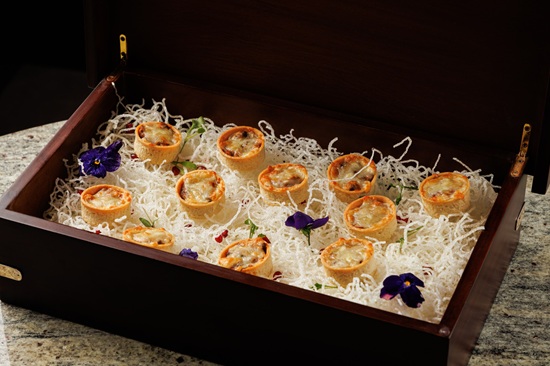
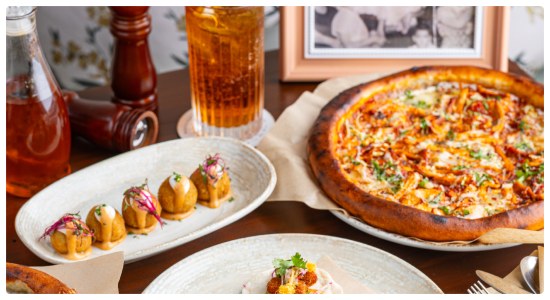
Presentation is equally important. We pay attention to everything from the menu and plating to crockery and cutlery because these details contribute to the overall dining experience.
Q: What trends are you seeing in the restaurant industry?
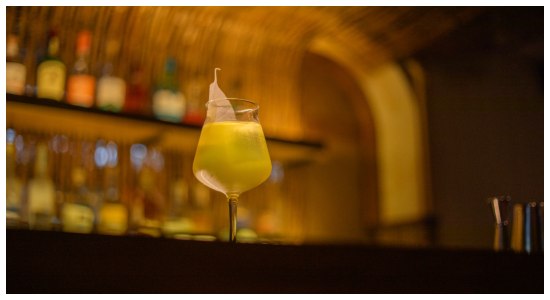
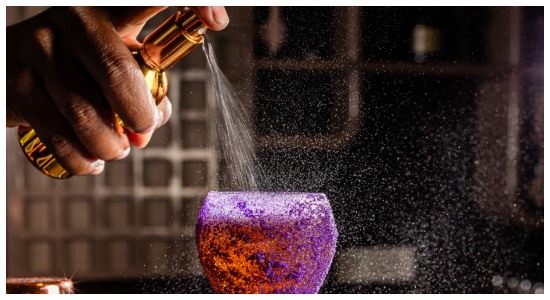
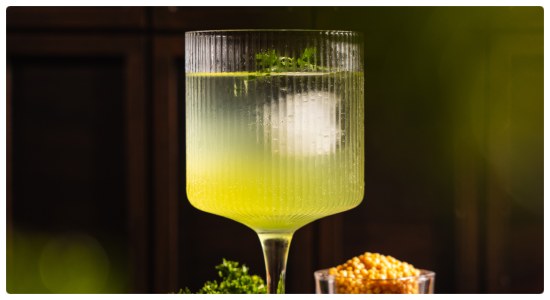
Matcha is definitely one of the big trends right now, particularly because of its visibility on Instagram. Brands are incorporating it into menus in different ways. We have also introduced a matcha-based mocktail, Matcha Muse in our restaurant.
Vijetha Iyer
Content Editor
Working as a Content Editor with Restaurant India. I have worked in various sectors like food and beverage sector, chemicals, pharma, nutraceuticals, now specially focusing on restaurant side. But my core knowledge was always on content. Be it writing poems to verses, I always loved writing and have been exploring my career on the same. In Restaurant India, I deliver insightful stories, take interviews of various brands and update the audiences about the newest happenings in the restaurant industry.