
Vegan & Plant-Based Recipes Worth Adding to Your Menu
Restaurants should begin with three to five focused plant-based SKUs. A small, controlled launch reduces operational risk. Limited-time offerings help measure real demand without long-term commitment.

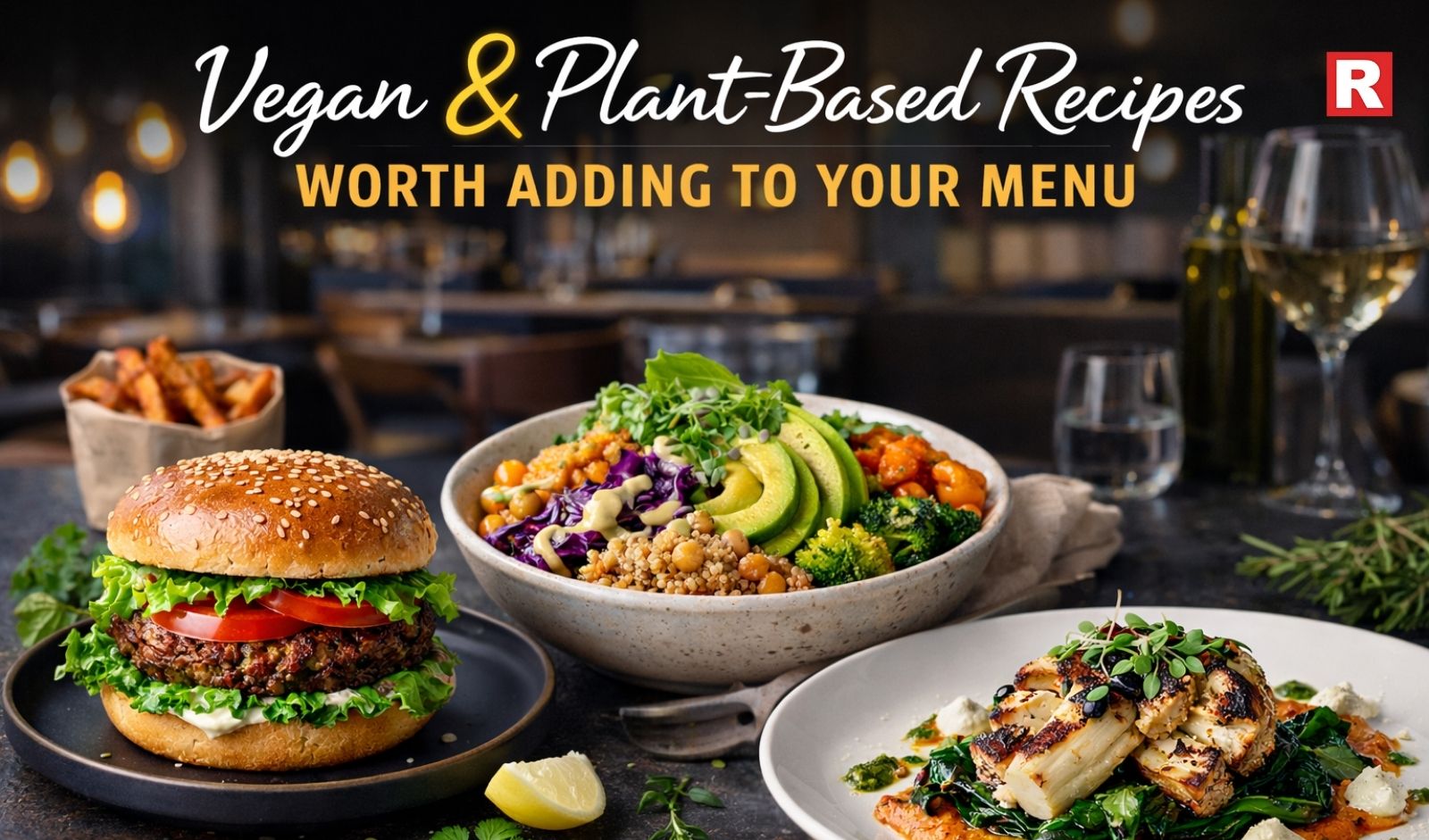
Plant-based food is no longer a side option. It is a serious business opportunity. Across India, more diners are choosing vegetarian, vegan, or flexitarian meals. Many are not fully vegan. They simply want lighter, cleaner, and sustainable choices. For restaurant owners and chefs, this shift is important. A well-planned plant-based menu can increase revenue, attract new customers, and improve brand perception.
According to guidance and labelling standards issued by the Food Safety and Standards Authority of India (FSSAI), vegan products must avoid all animal-derived ingredients. This clarity has helped restaurants confidently label and promote vegan dishes. At the same time, global research by the Food and Agriculture Organization (FAO) and the World Resources Institute shows that plant-based diets reduce environmental impact compared to meat-heavy diets. Consumers are aware of this. Many urban diners actively look for sustainable menus. If you operate a café, QSR, fine-dining restaurant, or cloud kitchen, adding plant-based recipes is not just about trends. It is about future-proofing your menu.
Understanding Plant-Based Cooking in Professional Kitchens
Plant-based cooking requires technical understanding. It is not just removing meat or dairy. The goal is to deliver the same satisfaction, texture, and flavor.
Start with protein structure. Animal protein is complete, meaning it contains all essential amino acids. Plant proteins such as lentils, chickpeas, soy, and millets can be combined to create balanced profiles. For example, pairing rice with lentils improves amino acid balance. Soy products like tofu and textured vegetable protein offer high protein density and good binding capacity.
Texture is critical. Jackfruit works well as a meat substitute because of its fibrous structure. Mushrooms add umami and moisture. Walnuts provide fat and bite. For burger patties, moisture retention depends on starches and natural binders. Cooked lentils, mashed beans, and oats help absorb excess water and prevent patties from breaking.
Egg replacement is another technical challenge. Flaxseed gel acts as a binder in baking. Aquafaba, the liquid from cooked chickpeas, can be whipped to create foam. It works well for mousses and light desserts. For emulsification in sauces, cashew paste or soy milk can replace egg yolk in mayonnaise-style preparations.
Fat balancing also matters. Many vegan dishes become dry if fat is ignored. Coconut milk, cold-pressed oils, nut pastes, and seed butters provide mouthfeel. Controlled seasoning and slow cooking help build depth without animal stock.
If your kitchen team understands these fundamentals, plant-based recipes become consistent and scalable.
10 Vegan & Plant-Based Recipes Worth Adding
1. Smoked Jackfruit Tacos
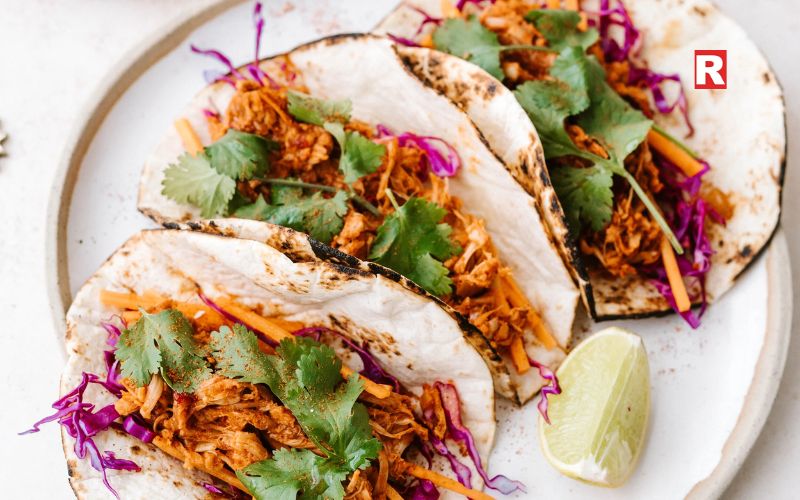
Smoked jackfruit tacos work well for QSRs and delivery-led brands. Raw jackfruit has a fibrous texture that closely resembles pulled meat when slow-cooked. It absorbs dry rubs and marinades efficiently due to its neutral base. Chefs can braise it in bulk and portion it during service, reducing prep time. A light smoking step adds depth and improves aroma. Pickled onions cut through richness and improve balance. Cashew-based crema provides creaminess without dairy. The dish holds structure during transport. Food cost remains controlled. It suits urban diners seeking bold flavors without heavy meat options.
Read more: 5 Cities That Serve the Best Non-Vegetarian Street Food
What is Kimchi? Top Veg Kimchi You Can Try at Home
2. Chickpea and Spinach Coconut Curry
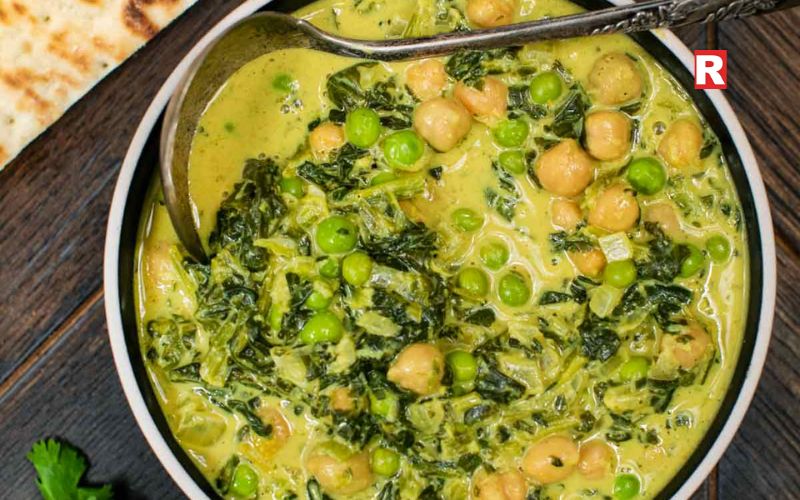
Chickpea and spinach coconut curry fits casual dining and thali menus. Chickpeas provide plant protein and stable texture after cooking. They maintain structure during long holding hours, making them buffet-friendly. Coconut milk adds fat and mouthfeel, improving flavor delivery. Spinach boosts visual appeal and nutritional value. The gravy can be batch-cooked and reheated without splitting if temperature is controlled. It pairs well with rice or millet rotis, offering flexibility. Ingredient sourcing is simple and affordable. This dish appeals to family diners and health-focused guests. It delivers comfort while maintaining strong margins.
3. Plant-Based Butter “Chicken” with Tofu
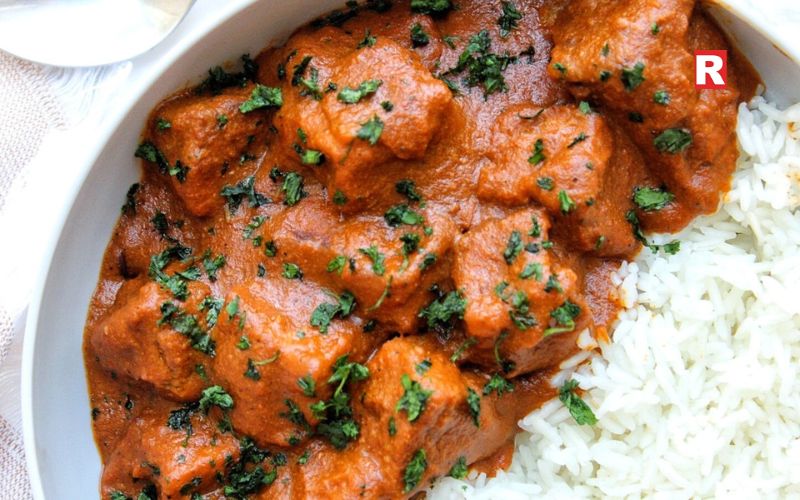
Plant-based butter “chicken” with tofu targets diners who enjoy familiar North Indian flavors. Firm tofu absorbs marinade well if pressed to remove excess moisture. Controlled pan-searing improves surface texture before adding it to makhani gravy. The sauce uses tomato reduction, cashew paste, and plant-based butter for richness. Proper emulsification prevents fat separation. This dish performs strongly on delivery platforms due to brand familiarity. Portion control is easy, which helps food cost management. It attracts flexitarian customers who want indulgence without meat. Cloud kitchens can position it as a premium vegan comfort option.
4. Vegan Makhani Pasta
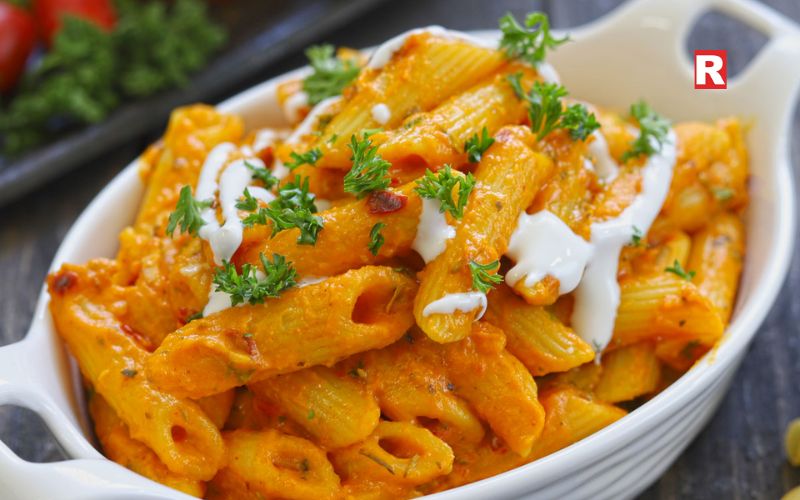
Vegan makhani pasta blends Italian format with Indian flavor. Pasta is cost-effective and easy to portion. The makhani sauce uses tomato puree, mild spices, and cashew or coconut cream for body. Sauce consistency must be medium-thick to coat pasta evenly. Over-reduction should be avoided to prevent dryness. This dish works well in metro cafés and youth-focused restaurants. It photographs well and performs strongly on delivery apps. Cross-utilization of makhani gravy reduces wastage. It appeals to younger diners who prefer fusion concepts. The recipe offers high perceived value with manageable ingredient cost.
5. Mushroom and Walnut Keema Slider
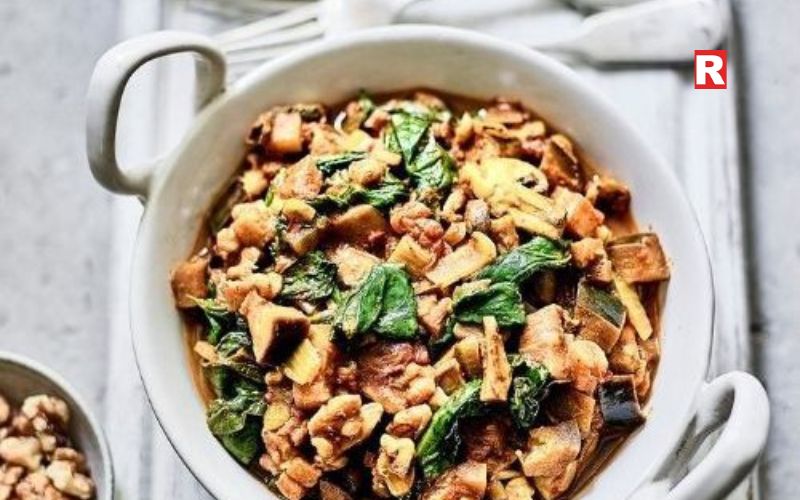
Mushroom and walnut keema sliders suit cafés and bar menus. Finely chopped mushrooms provide moisture and umami. Walnuts add fat and bite, improving mouthfeel. The mixture must be sautéed to remove excess water before seasoning. Proper reduction ensures strong flavor concentration. This filling can be used in sliders, wraps, or stuffed breads, increasing versatility. The product holds shape if lightly bound with gram flour or oats. It pairs well with dairy-free sauces. This dish attracts urban consumers seeking small plates. It offers innovation while keeping ingredient costs predictable.
6. Lentil and Beetroot Burger
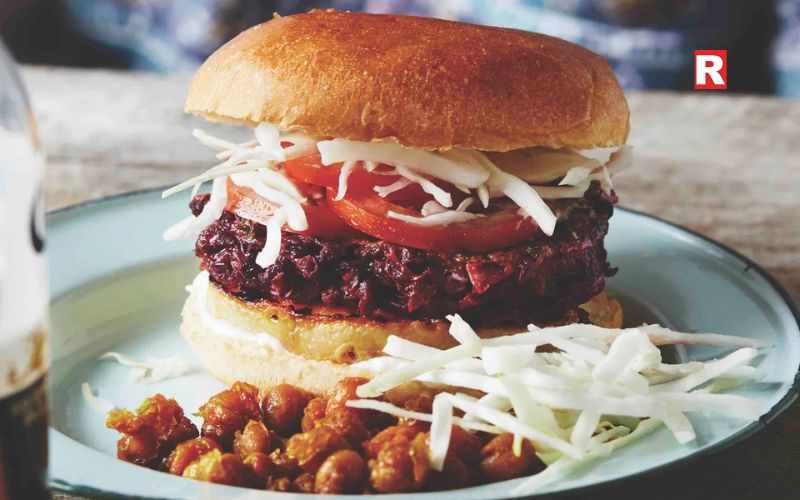
Lentil and beetroot burgers provide strong visual appeal and nutrition. Cooked lentils create structure and protein density. Grated beetroot improves moisture retention and natural color. Oats or breadcrumbs act as binders and prevent crumbling during grilling. Patties should be chilled before cooking to enhance firmness. A soy milk-based vegan aioli adds creaminess through proper oil emulsification. This burger suits QSRs and delivery brands targeting younger audiences. It is filling yet lighter than meat options. The ingredients are affordable and locally available. It balances health positioning with commercial practicality.
Know more: 10 Mountain Foods to Keep You Warm While Visiting One
7. Vegan Chocolate Mousse Using Aquafaba
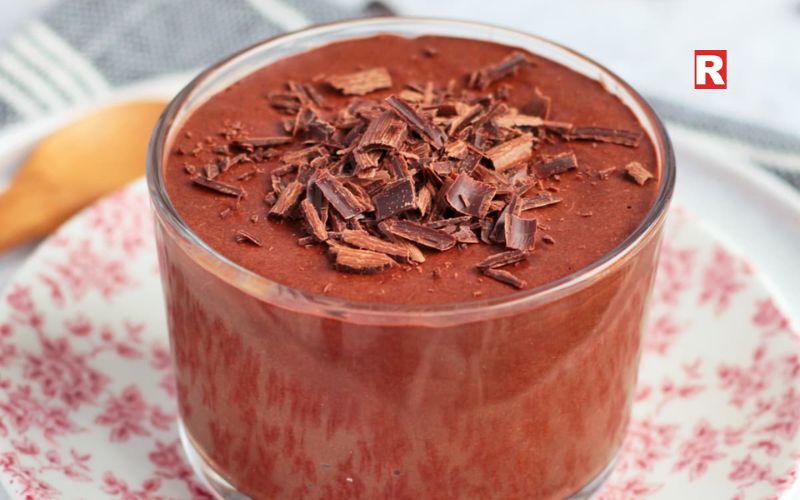
Vegan chocolate mousse made with aquafaba offers strong dessert margins. Aquafaba, the liquid from cooked chickpeas, whips into stable foam when beaten correctly. Temperature control is important to maintain structure. Folded dark chocolate adds richness without dairy. Sugar levels must be balanced to control bitterness. This dessert requires minimal equipment and low-cost ingredients. It can be prepared in advance and portioned into individual cups. Presentation in glassware increases perceived value. It appeals to both vegan and non-vegan guests. Restaurants can position it as a premium yet inclusive dessert option.
8. Millet and Avocado Buddha Bowl
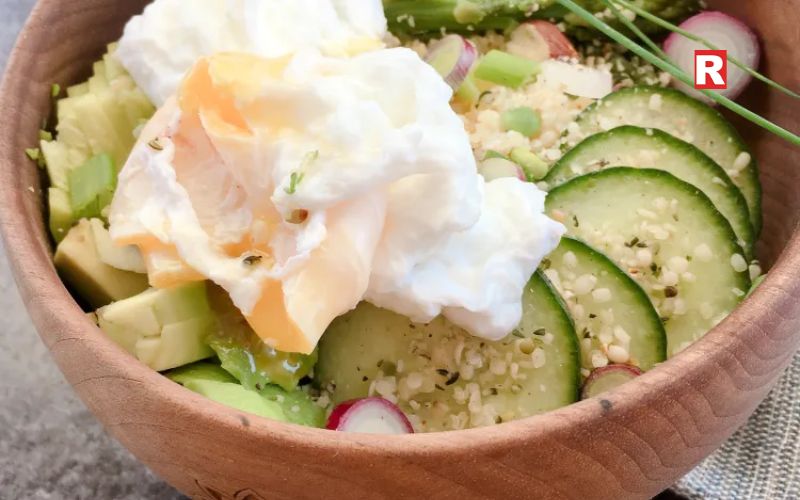
Millet and avocado Buddha bowls target health-conscious diners and corporate clients. Millets offer fiber and steady energy release. They hold texture well after cooking if not overboiled. Roasted vegetables add color and depth. Avocado provides healthy fats and improves satiety. Tahini dressing enhances flavor and binds ingredients together. The bowl format supports portion control and easy customization. Components can be prepped separately and assembled quickly during service. This dish suits wellness cafés and delivery menus. It positions the restaurant as modern and nutrition-aware. Ingredient cross-use improves operational efficiency.
9. Tandoori Cauliflower Steak
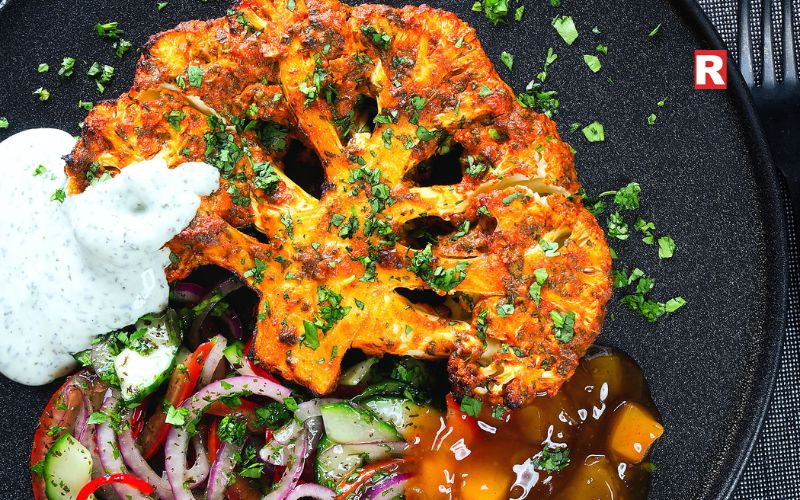
Tandoori cauliflower steak performs well in fine dining and premium casual spaces. Thick slices must be cut evenly to ensure uniform cooking. Marination with yogurt-free spice paste helps deep flavor penetration. Controlled roasting or grilling creates char without overcooking the core. Proper resting time improves texture. The steak format gives strong plate presence. Mint chutney and fresh salad add contrast and balance. This dish delivers visual drama and refined presentation. It appeals to guests seeking elevated vegetarian cuisine. Restaurants can price it confidently due to its craftsmanship and plating value.
10. Vegan Malai Kofta with Cashew Cream
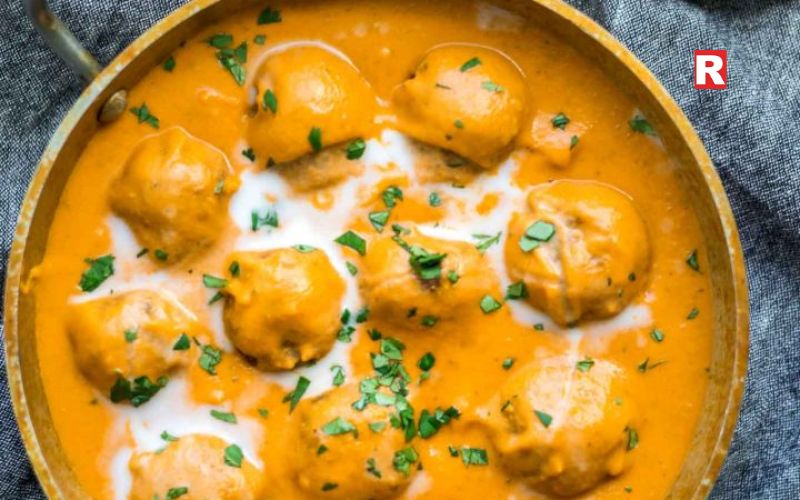
Vegan malai kofta with cashew cream suits festive menus and catering events. Grated vegetables combined with mashed tofu create a stable kofta base. Moisture must be carefully controlled before frying to prevent breakage. Light binding agents such as cornflour improve structure. Cashew cream replaces dairy cream and provides smooth texture when blended properly. The gravy should be slow-cooked for depth. This dish meets rising vegan requests at weddings and banquets. It maintains traditional flavor while adapting technique. Restaurants can attract premium clients seeking inclusive dining without compromising taste.
Operational Considerations
Introducing plant-based dishes requires operational planning.
First, control cross-contamination. Use separate chopping boards and utensils. Clearly label vegan ingredients. Train staff on ingredient awareness.
Second, manage sourcing. Local legumes and millets reduce cost and support sustainability. Shelf-stable items like dry beans and lentils lower wastage risk. Plant-based milk alternatives should be stored as per manufacturer guidelines.
Third, focus on menu engineering. Do not isolate vegan dishes in a small corner. Integrate them naturally. Highlight protein content and cooking techniques. Use strong, flavor-led descriptions rather than labeling dishes as substitutes.
Bundling also helps. Pair plant-based mains with mocktails or cold-pressed juices. Create set menus for corporate clients.
Also check: Top French Vegetarian Dishes You Can Try on Your Next Visit
20 Famous Foods from Assam That Reflect Its True Food Culture
20 Famous Foods from Karnataka That Define Its Rich Food Culture
Sustainability and Brand Positioning
Reducing animal-based ingredients lowers environmental impact. Research from the Food and Agriculture Organization highlights the high resource use of livestock production compared to plant agriculture. Restaurants that communicate sustainable sourcing build long-term loyalty. You can position plant-based dishes as innovative Indian cuisine. Highlight regional ingredients such as millets, lentils, and seasonal vegetables. This creates a strong local identity.
The Bottom Line
Restaurants should begin with three to five focused plant-based SKUs. A small, controlled launch reduces operational risk. Limited-time offerings help measure real demand without long-term commitment. Sales data must be tracked daily. Feedback from repeat guests should be recorded and reviewed. Food cost percentage needs close monitoring, especially for premium ingredients like nuts and plant-based dairy. Portion sizes can be adjusted to improve margins without affecting satisfaction. Kitchen teams must understand plant protein behavior, moisture control, and binding techniques. Standardized recipes with exact gram measurements ensure consistency. Batch yields and prep timelines should be documented clearly. Training across shifts prevents variation in taste and texture. When executed with discipline, plant-based dishes strengthen brand value. They attract health-conscious diners and modern consumers. Early adopters gain a competitive edge and position themselves as progressive operators in a changing food market.
Saptopriya Ghosal
Feature Writer
I am a dedicated media professional with a bachelor's degree in mass communication from the State University of Calcutta and a postgraduate degree from Amity University. My academic journey has equipped me with a profound understanding of storytelling and communication. Passionate about the dynamic world of media, I continually strive to explore new ways to engage and inform through compelling narratives.



































































































































































