
Top Vegetarian Delicacies from Coastal Karnataka
Vegetarian cuisine in coastal Karnataka reflects the soul of its land — simple, pure, and deeply rooted in tradition. The dishes carry the essence of the region’s lush landscape and faith-driven culture.

Coastal Karnataka is not just about beaches and temples. It’s also a paradise for vegetarian food lovers. The region, known for its temple towns, lush greenery, and coconut groves, offers a culinary experience that feels fresh, pure, and rooted in tradition. From Udupi to Karwar, every dish tells a story of devotion, community, and the bounty of the coast.
The vegetarian cuisine of coastal Karnataka is all about balance—spicy, tangy, and mildly sweet flavours blend harmoniously. Coconut plays the lead role here. You’ll find it grated, ground into masala, or simmered into rich coconut milk. Curry leaves, red chillies, tamarind, and jaggery are common ingredients that give every dish a distinct coastal touch.
This cuisine is deeply influenced by Udupi Brahmin cooking and temple traditions. The dishes are pure, satvik (without onion or garlic), and prepared with devotion. Locally grown vegetables, rice, and seasonal fruits define the menu. The cooking techniques are simple but precise—steaming, roasting, and grinding fresh spices each day to maintain flavor and freshness. Let’s explore the heart of Karnataka’s coastal cuisine—where simple ingredients turn into soulful meals.
Explore Top Vegetarian Delicacies from Coastal Karnataka
1. Neer Dosa
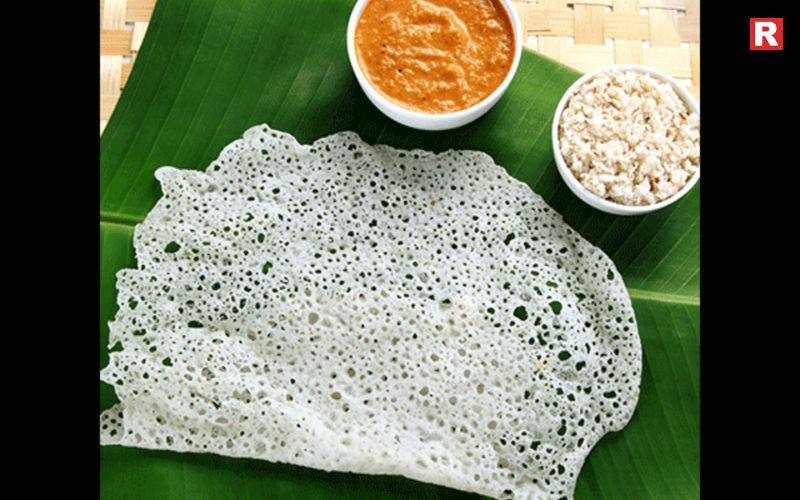
Neer Dosa is one of the most loved breakfast dishes along the coast of Karnataka. It is prepared with just soaked rice and water, giving it a smooth, thin texture. The dosa is soft, white, and almost transparent. It requires no fermentation, which makes it quick and light. Locals often enjoy it with coconut chutney, vegetable curry, or sweet jaggery syrup. The word ‘Neer’ means water in Tulu, perfectly describing its watery batter. Neer Dosa is refreshing and easy on the stomach, ideal for the humid coastal weather. Every bite feels light yet satisfying, making it a staple in homes from Udupi to Mangalore.
2. Goli Baje
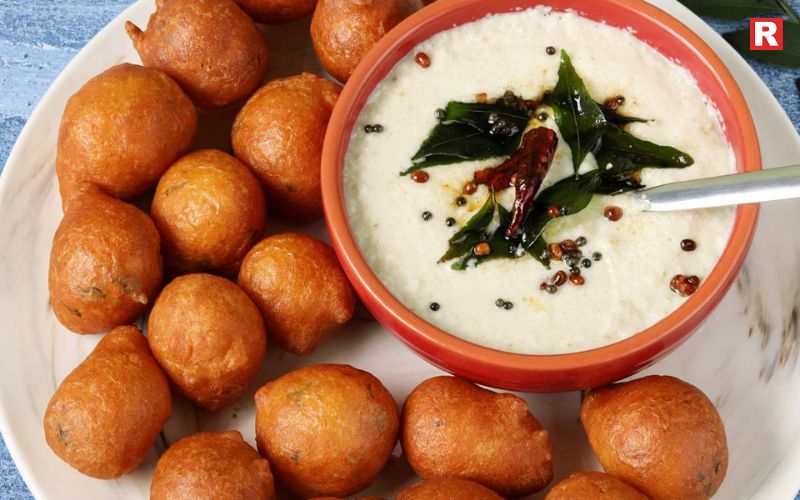
Goli Baje, also known as Mangalore Bajji, is a popular evening snack. It is made by mixing maida, curd, green chillies, ginger, and coconut bits into a smooth batter. The batter is then deep-fried into golden, round fritters. Crispy outside and soft inside, Goli Baje pairs perfectly with coconut chutney and a steaming cup of filter coffee. It’s a favorite during monsoon evenings when families gather for tea. The mild tanginess from curd and the warmth of ginger give it a comforting taste. Easy to make and loved by all ages, Goli Baje truly reflects the relaxed, homely spirit of Mangalore’s food culture.
Read more: 8 Famous Vegetarian Dishes of Uttar Pradesh and Their Timeless Legacy
What is Kimchi? Top Veg Kimchi You Can Try at Home
3. Kotte Kadubu
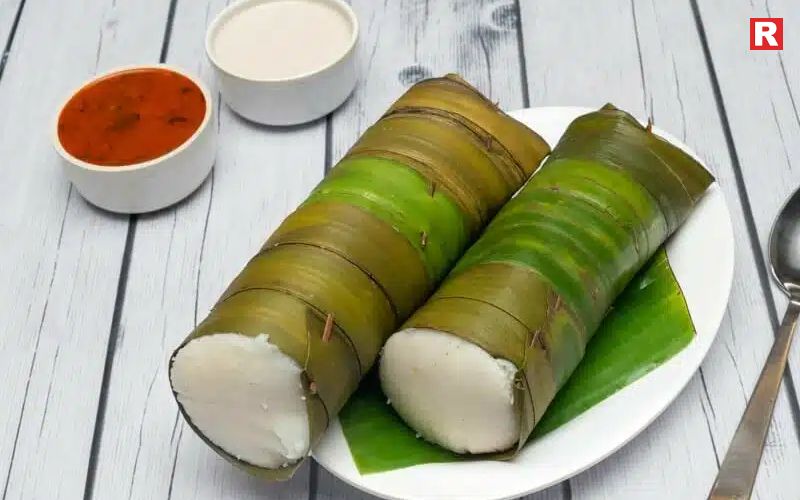
Kotte Kadubu is a traditional idli variant with a unique twist. Instead of steel molds, it is steamed in folded jackfruit leaves tied into cups, called ‘kotte.’ This method infuses a subtle fragrance and earthy flavor into the idlis. Made with fermented rice and urad dal batter, the dish is soft, fluffy, and aromatic. It’s often prepared during festivals like Ganesh Chaturthi and temple rituals. Locals enjoy it with coconut chutney or a bowl of spicy sambar. The leaf not only enhances the flavor but also connects the dish to the region’s eco-friendly traditions. Kotte Kadubu celebrates both nature and heritage in one wholesome meal.
4. Udupi Sambar and Rasam
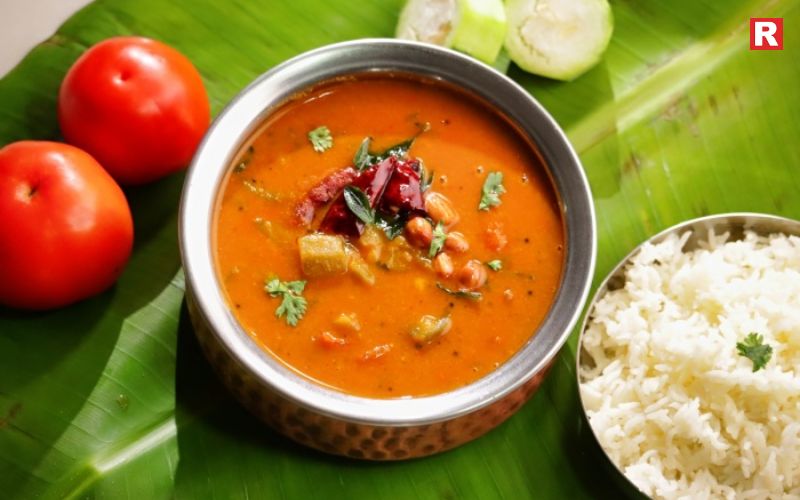
The Udupi-style sambar and rasam are integral to temple meals and South Indian homes. Unlike other versions, these are made without onion or garlic, focusing on purity and balance. Freshly ground spices, coconut, tamarind, and jaggery create their distinct flavor. The sambar is thick and mildly sweet, while the rasam is tangy, spicy, and aromatic. Both are served with rice or idlis in traditional thalis. Their recipes come from temple kitchens where food is cooked as an offering, not just a meal. Udupi’s sambar and rasam are symbols of devotion, harmony, and taste that have crossed regional borders to win hearts across India.
Know more: Top 10 Vegan Street Foods in India Every Indian Loves
5. Pathrode
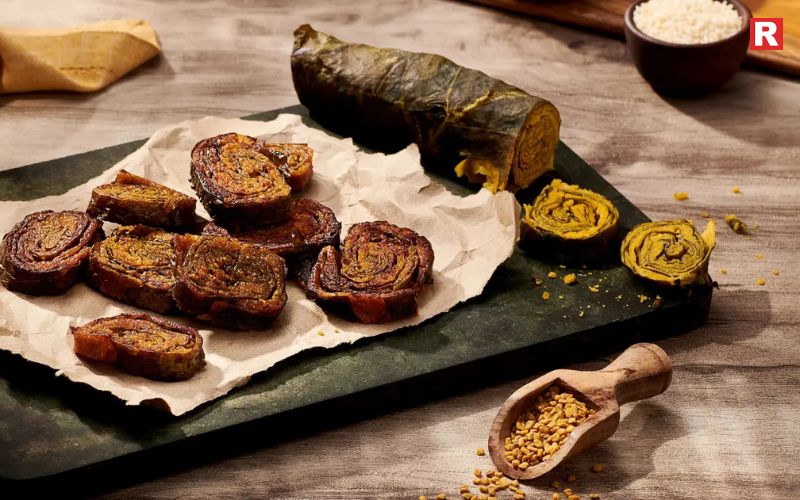
Pathrode is a signature delicacy of the coastal region, loved for its unique preparation. It is made by spreading a spiced rice and dal batter over colocasia leaves, rolling them tightly, and steaming them. Once cooked, the rolls are sliced and sometimes shallow-fried for added crispiness. The dish combines flavors of spice, tang, and earthiness. Pathrode is typically made during the monsoon season when colocasia leaves are fresh. It is nutritious and rich in iron, making it both tasty and healthy. Pathrode represents the coastal kitchen’s creativity — turning local, seasonal produce into a dish full of tradition and character.
6. Vegetable Gassi
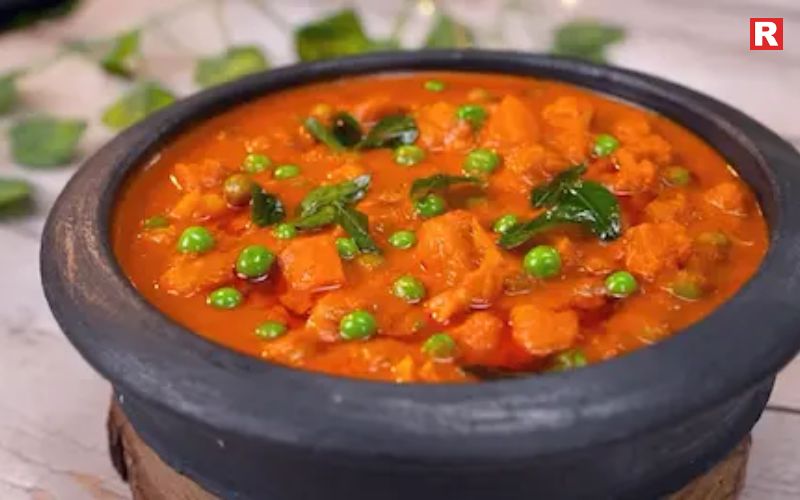
Vegetable Gassi is a thick, coconut-based curry bursting with flavor. The curry uses a blend of roasted coconut, dry red chillies, coriander seeds, and tamarind. Seasonal vegetables like drumstick, brinjal, or pumpkin are cooked in this rich masala. The result is a mildly spicy, aromatic dish that pairs beautifully with red boiled rice, a coastal staple. Gassi reflects the essence of the region — coconut oil, curry leaves, and freshly ground masala bring out deep flavors. It’s a regular feature in everyday meals and festive feasts alike. For vegetarians, Vegetable Gassi captures the true taste of Karnataka’s coast in every spoonful.
7. Payasam
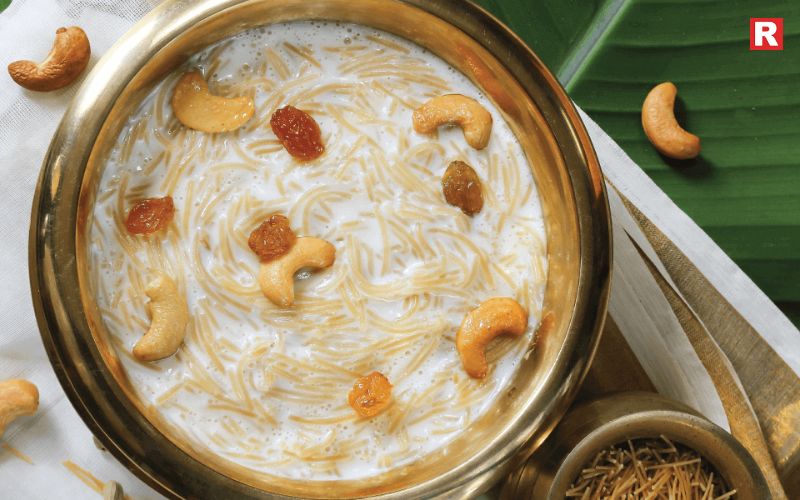
Payasam is the sweet conclusion to every coastal Karnataka meal. Made with ingredients like rice, moong dal, coconut milk, jaggery, and ghee, it’s slow-cooked to perfection. Each variation, from moong dal payasam to coconut payasa, has a unique charm. The dessert is often flavored with cardamom and garnished with roasted cashews and raisins. Served warm, it carries a soothing sweetness that completes the meal beautifully. In temples and homes, Payasam is more than a dessert—it’s a symbol of gratitude and celebration. Its creamy texture and subtle flavors make it a dish that unites every household across Karnataka’s coastal belt.
Also check: Top 5 States With the Spiciest Food in India
Top 5 Barbecue Sauces for Marinades or Dipping: Smoky, Sweet & Absolutely
The Influence of Udupi Temples
The vegetarian food legacy of coastal Karnataka can’t be discussed without mentioning the Udupi Krishna Temple. The temple kitchens are known for their disciplined, satvik cooking style that avoids onion and garlic. The focus is on purity, taste, and devotion. Meals are served on banana leaves, symbolizing respect for food and nature.
It’s from this very town that Udupi cuisine gained global recognition. Udupi restaurants spread across India and abroad brought dishes like sambar, rasam, and dosas to everyone’s plate. Even today, the essence of Udupi food remains unchanged — simple ingredients, mindful preparation, and a touch of tradition.
Coconut: The Soul of Coastal Cooking
Coconut defines coastal Karnataka’s food. It’s used in almost every dish, in every possible form — grated, roasted, or blended into milk. The freshness of coconut adds texture and depth to the food while toning down the heat from chillies. Coconut oil, too, is a preferred medium for cooking, adding a natural aroma to the dishes.
In a way, coconut connects the entire coast—from Mangalore’s gassi to Udupi’s curries, it’s what makes the cuisine truly coastal.
What Makes It Different from Other South Indian Veg Cuisines
Coastal Karnataka cuisine stands apart because of its delicate flavor balance. While Kerala’s cuisine leans more towards rich coconut milk-based curries, and Tamil Nadu’s focuses on tamarind-heavy gravies, coastal Karnataka’s dishes are lighter, milder, and more fragrant. The use of jaggery adds a natural sweetness, while red chillies bring warmth without overpowering the meal. The food here feels home-cooked, comforting, and deeply regional.
Where to Try Authentic Coastal Karnataka Veg Food
If you want to taste authentic vegetarian food from coastal Karnataka, here are some must-visit places:
- Udupi: Visit the Krishna Temple or traditional bhojanalayas like Woodlands for authentic satvik meals. The temple prasad meals are a true reflection of purity and devotion.
- Mangalore: Try local favorites like Hotel Janatha Deluxe or small family-run eateries serving neer dosa, goli baje, and vegetable gassi.
- Kundapura: Known for its coastal thalis served on banana leaves. You’ll find homely meals with coconut gravies and red rice.
- Karwar: A quiet coastal town offering simple, wholesome vegetarian food with a strong coconut base. Small local messes serve the most authentic flavors.
If you can’t travel, Udupi-style restaurants across India still keep the tradition alive. Their dishes might be simple, but they carry the taste of the coast and the spirit of Karnataka’s hospitality.
The Cultural Connection
Food in coastal Karnataka isn’t just about eating. It’s about sharing. Festivals, temple feasts, and family gatherings all revolve around the kitchen. Meals are served on banana leaves with rice at the center, surrounded by multiple gravies, chutneys, and sweets. Each combination reflects the respect people have for ingredients and the act of serving others with love.
The coastal belt also celebrates sustainability in its cuisine. Locally sourced vegetables, fresh spices, and minimal wastage have been a way of life for centuries. The dishes remain close to nature — light, nutritious, and beautifully balanced.
Coastal Treat!
Vegetarian cuisine in coastal Karnataka reflects the soul of its land — simple, pure, and deeply rooted in tradition. The dishes carry the essence of the region’s lush landscape and faith-driven culture. Udupi’s temple food, known for its clean flavors and devotion-based preparation, remains a timeless favourite. In Mangalore, soft neer dosas and spicy chutneys offer comfort that feels like home. Coconut, curry leaves, and tamarind form the heart of every recipe. Each meal tells a story of community, love, and heritage. It’s a cuisine that celebrates balance — between spice and subtlety, ritual and everyday life. Served often on banana leaves, these meals are more than food; they are memories of the coast. To experience coastal Karnataka is to taste its generosity — where every bite carries the calm of the sea, the spirit of its people, and the warmth of a region that lives through its food.
Saptopriya Ghosal
Feature Writer
I am a dedicated media professional with a bachelor's degree in mass communication from the State University of Calcutta and a postgraduate degree from Amity University. My academic journey has equipped me with a profound understanding of storytelling and communication. Passionate about the dynamic world of media, I continually strive to explore new ways to engage and inform through compelling narratives.



































































































































































