
Top Veg Delights Made with Daal You Must Try at Home
Daal is simple, but it can be very versatile. From breakfast to dinner, you can include it in many forms. It is healthy, filling, and easy to cook.

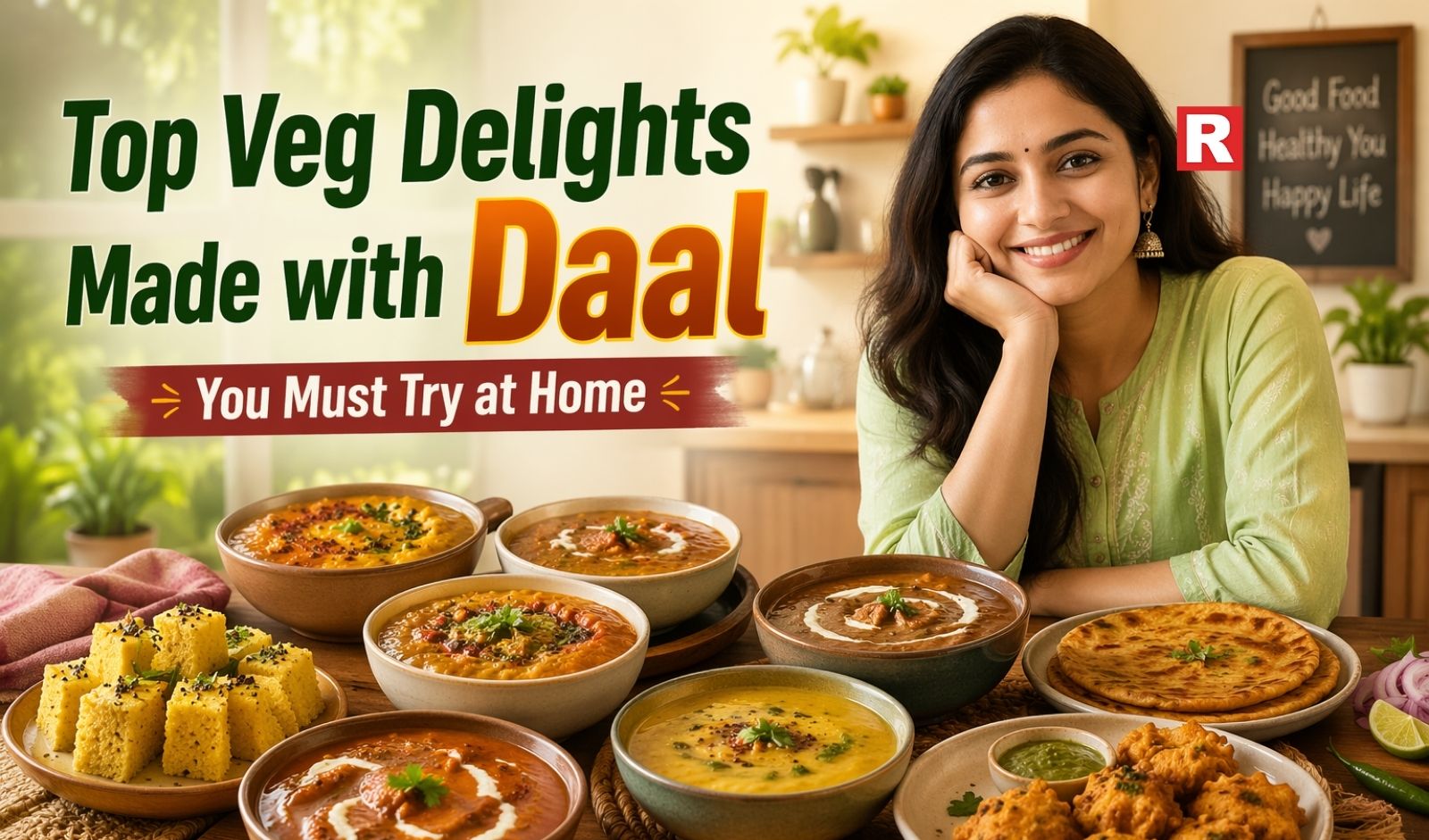
Daal is more than just a simple curry in Indian homes. It is comfort, nutrition, and tradition in one bowl. From everyday meals to festive spreads, daal plays a big role in our kitchens. Most of us grew up eating dal chawal, but there is so much more you can do with lentils.
Today, daal is getting attention again. People are looking for healthy and protein-rich vegetarian food. Lentils are affordable, easy to cook, and full of nutrients. With a little creativity, you can turn basic daal into exciting and delicious dishes. Here are some of the best veg delights made with daal that you can try at home.
Why Daal is a Power Ingredient
Daal is one of the best sources of plant-based protein. This makes it perfect for vegetarians who want to meet their daily protein needs. It is also rich in fiber, which helps in digestion and keeps you full for longer.
Most dals have a low glycemic index. This means they release energy slowly and help maintain stable blood sugar levels. They also contain important nutrients like iron, potassium, and B vitamins. Another big advantage is affordability. Daal is easily available across India and fits into every budget. Whether you are cooking a simple meal or trying something new, daal is always a reliable ingredient.
Explore Top Veg Delights Made with Daal
1. Dal Tadka
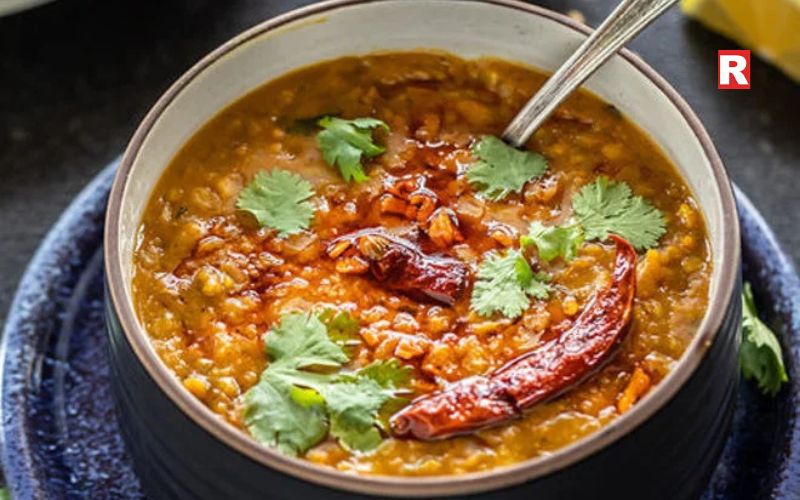
Dal tadka is a staple dish in many Indian homes. It is usually made with toor dal, which is soft and filling. The dal is cooked until smooth and then topped with hot ghee, garlic, cumin seeds, and spices. This tempering gives it a rich aroma and deep taste. It is often served with rice or roti for a complete meal. Dal tadka is not just comforting but also nutritious. Toor dal is a good source of plant protein and fiber. It helps in digestion and keeps the stomach full for longer. It also provides iron and potassium, which support energy levels and overall health. This makes it ideal for daily eating.
Read more: Let’s Break Down the Benefits of Oregano: A Small Herb with Big Health Power
20 Famous Foods from Karnataka That Define Its Rich Food Culture
2. Moong Dal Chilla
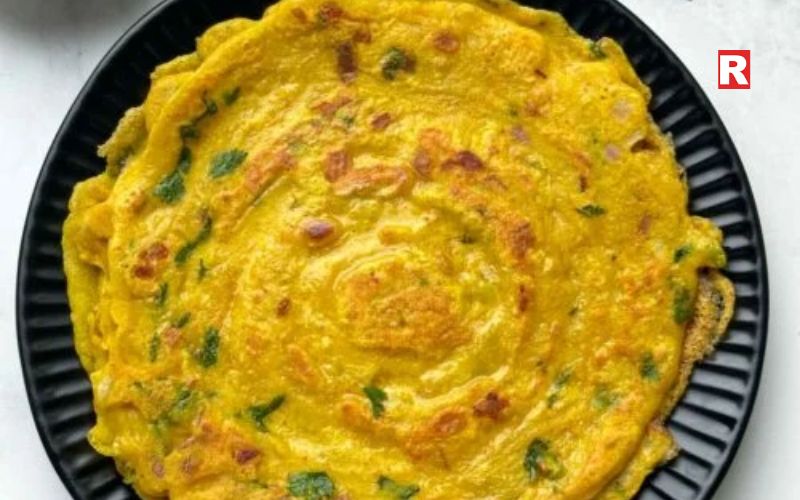
Moong dal chilla is a popular breakfast dish that is both light and filling. It is made by soaking moong dal and grinding it into a smooth batter. The batter is spread on a pan like a pancake and cooked with little oil. Many people add chopped vegetables like onions, carrots, and capsicum to enhance taste and nutrition. It is usually served with green chutney. Moong dal is easy to digest and rich in protein. It is also low in fat, making it suitable for weight management. The dish provides fiber, vitamins, and minerals that support gut health. It is a healthy option for those looking for a balanced start to the day.
3. Masoor Dal Curry
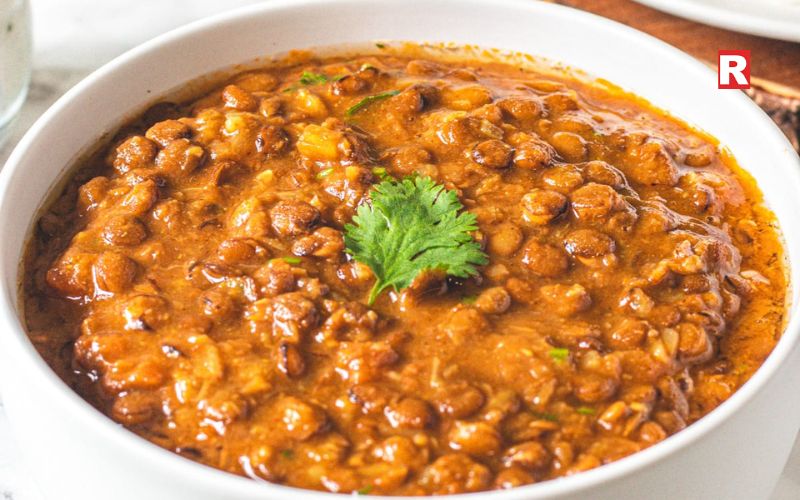
Masoor dal curry is known for its quick cooking time and mild taste. It is often prepared on busy days when a simple meal is needed. The dal becomes soft quickly and blends well with basic spices like turmeric, cumin, and garlic. It has a light texture and is easy on the stomach. This makes it suitable for everyday meals. Masoor dal is rich in protein and dietary fiber. It helps in improving digestion and maintaining heart health. It also contains iron, which supports healthy blood levels. The dish is low in fat and provides steady energy, making it a practical and nutritious choice for regular consumption.
4. Dal Khichdi
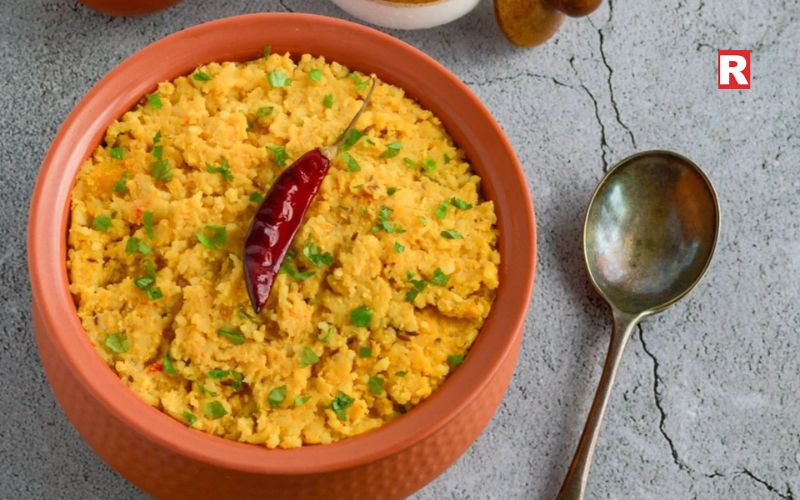
Dal khichdi is a simple one-pot dish made with rice and lentils. It is soft, warm, and very comforting. Many people prefer it during summers or when they need light food. The dish can be cooked with vegetables and a small amount of ghee for added taste. It is easy to prepare and does not require many ingredients. Dal khichdi is known for its balanced nutrition. It provides a mix of carbohydrates and protein, which gives sustained energy. It is also rich in fiber, helping in smooth digestion. The soft texture makes it suitable for all age groups, including children and the elderly.
5. Dal Paratha
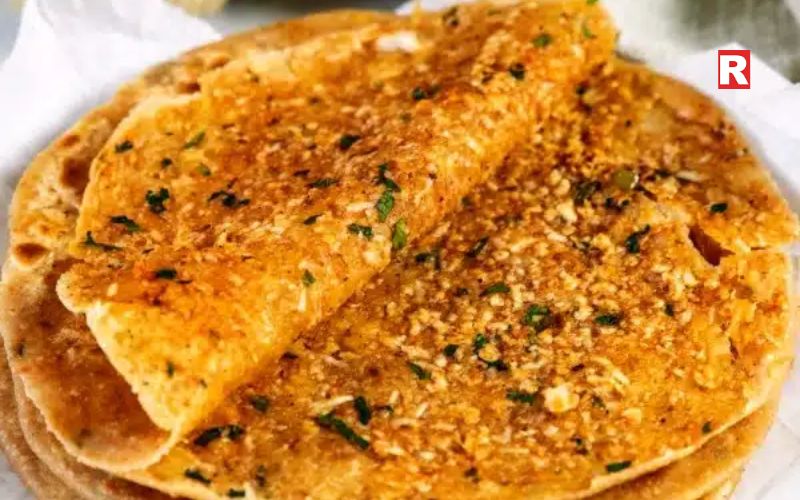
Dal paratha is a smart and tasty way to use leftover dal. Thick dal is mixed with spices and used as a filling inside wheat dough. The paratha is then cooked on a pan with a little oil or ghee. It turns crisp on the outside and soft inside. It is often served with curd or pickle. This dish is filling and works well for breakfast or lunch. Dal paratha offers a good mix of protein and carbohydrates. The lentils provide protein and fiber, while the wheat adds energy. It helps in keeping the stomach full for longer hours and supports better digestion.
6. Dal Dhokla
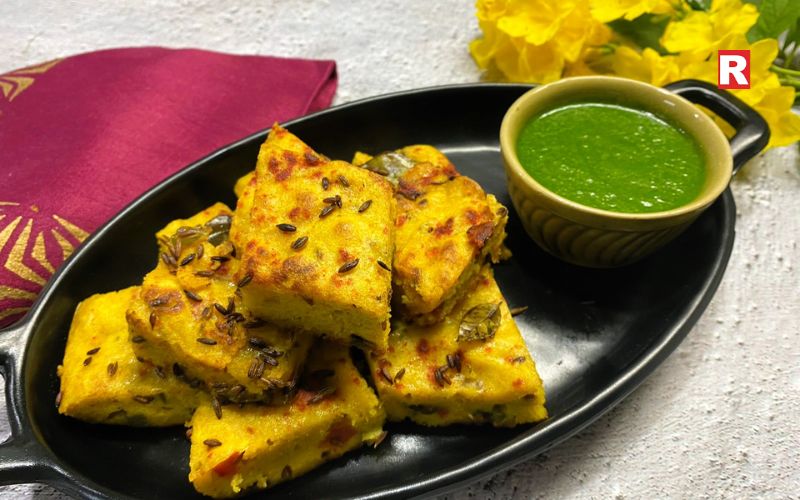
Dal dhokla is a well-known Gujarati snack made from a fermented lentil batter. The batter is usually prepared using chana dal or a mix of dals and left to ferment for a few hours. This process gives it a light sour taste and makes it easier to digest. The batter is then steamed until soft and fluffy. It is cut into pieces and often topped with mustard seeds and curry leaves. Dal dhokla is low in oil and feels light on the stomach. It is rich in protein and fiber, which help in digestion and keep hunger away for longer. It also provides essential nutrients like iron and folate, making it a healthy snack choice.
7. Panchmel Dal
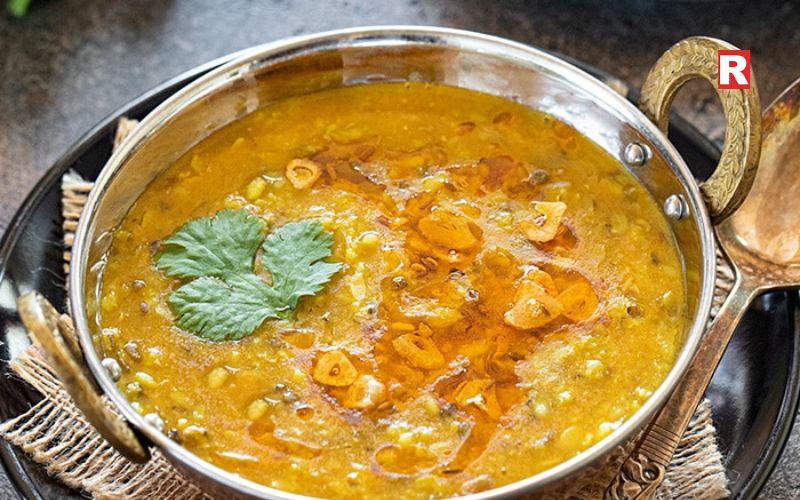
Panchmel dal is a traditional dish from Rajasthan made by combining five different types of lentils. Each dal adds its own taste and texture, making the dish rich and full of flavor. It is slow-cooked with spices, onions, and sometimes garlic for a deep taste. This dish is often served with roti or baati. Panchmel dal is known for its high nutritional value. The mix of dals increases protein content and provides a wide range of nutrients. It is also rich in fiber, which supports digestion. The dish contains iron, magnesium, and vitamins that help maintain overall health. It is filling and works well as a balanced meal.
Know more: 8 Famous Vegetarian Dishes of Uttar Pradesh and Their Timeless Legacy
8. Dal Makhani
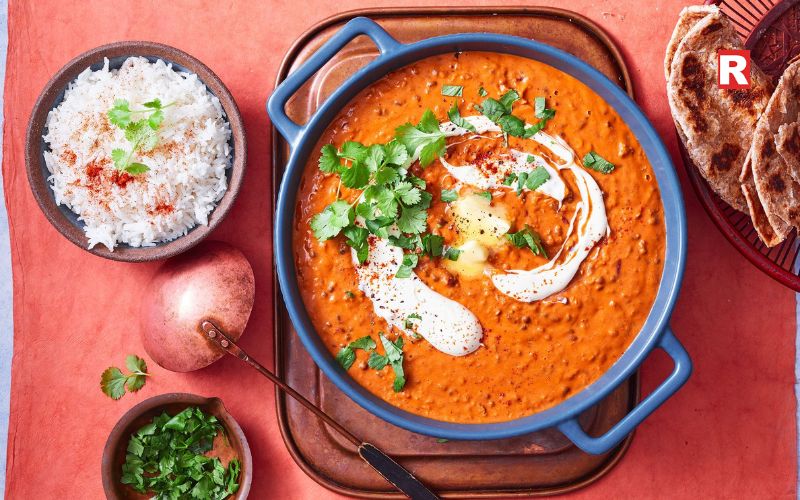
Dal makhani is a rich and creamy dish made with whole urad dal and sometimes rajma. It is cooked slowly for hours to get a smooth texture. Butter and cream are added to give it a thick and rich taste. This dish is often prepared for special occasions and family meals. It is usually served with naan or jeera rice. Dal makhani is high in protein due to the lentils used. It also provides calcium and iron, which are important for the body. While it is slightly heavy because of butter and cream, it still offers good nutrition. When eaten in moderation, it can be both tasty and nourishing.
9. Dal Soup
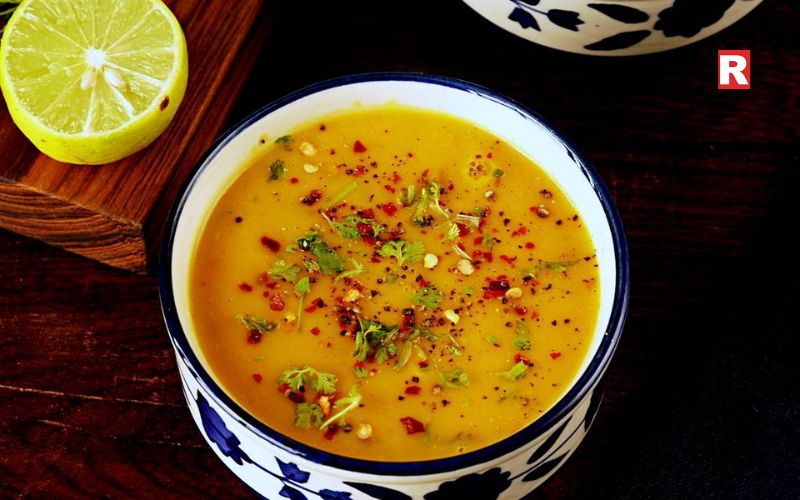
Dal soup is a simple and modern way to include lentils in the diet. It is made by cooking dal with water and mild spices, then blending it into a smooth texture. The soup is light and easy to consume. It is often preferred by people who want something healthy and low in calories. Dal soup is rich in protein and fiber, which help in keeping the body active and the digestive system healthy. It also contains vitamins and minerals that support immunity. Since it is low in fat and easy to digest, it is suitable for all age groups, especially those looking for a light meal option.
10. Dal Pakora
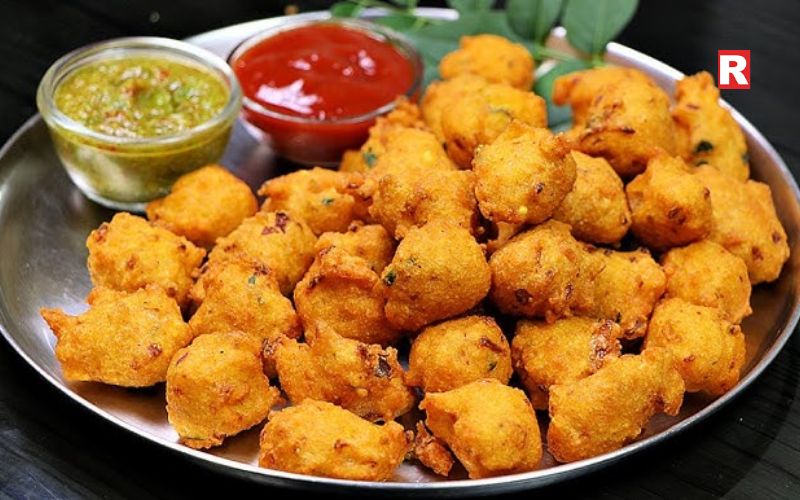
Dal pakora is a popular snack made from chana dal or moong dal batter. The dal is soaked, ground, and mixed with spices and herbs. Small portions of the batter are deep-fried until golden and crispy. The outside becomes crunchy while the inside stays soft. Pakoras are often enjoyed with tea, especially during rainy days. Dal pakora provides protein from the lentils, which helps in muscle health. It also contains fiber that supports digestion. However, since it is deep-fried, it is higher in calories and should be eaten in limited amounts. When balanced with other foods, it can be a tasty and satisfying snack.
Types of Daal Commonly Used
Different types of daal bring different textures and flavors to dishes.
- Toor Dal: Slightly thick and commonly used in everyday cooking
- Moong Dal: Light and easy to digest, ideal for quick meals
- Masoor Dal: Soft texture and quick cooking
- Chana Dal: Slightly firm with a nutty taste
- Urad Dal: Creamy and rich, used in dishes like dal makhani
Each type of dal has its own cooking time. Some need soaking, while others cook quickly. Choosing the right dal can make a big difference in your dish.
Also check: Pani Puri Has Different Names in Different Indian States—Know Them All
Why Sattu Is Emerging as India’s Ultimate Summer Superfood
What is Kimchi? Top Veg Kimchi You Can Try at Home
Daal-Dhar Party!
There is a growing shift towards plant-based diets in India. People are becoming more aware of what they eat. Daal fits perfectly into this trend as it is natural, nutritious, and affordable. High-protein vegetarian meals are gaining popularity, especially among young professionals and fitness enthusiasts. Daal offers an easy way to meet these needs without relying on expensive ingredients. At the same time, there is a renewed interest in traditional Indian foods. Regional recipes like panchmel dal and dhokla are getting attention again. Social media and food blogs have also played a big role. Home cooks are experimenting with daal and sharing new ideas online. Daal is simple, but it can be very versatile. From breakfast to dinner, you can include it in many forms. It is healthy, filling, and easy to cook. Try adding different daal-based dishes to your weekly meals. Experiment with flavors and ingredients. You will discover that daal is not boring at all. It is one of the most powerful and flexible ingredients in an Indian kitchen.
Saptopriya Ghosal
Feature Writer
I am a dedicated media professional with a bachelor's degree in mass communication from the State University of Calcutta and a postgraduate degree from Amity University. My academic journey has equipped me with a profound understanding of storytelling and communication. Passionate about the dynamic world of media, I continually strive to explore new ways to engage and inform through compelling narratives.



































































































































































