
Top Tibetan Traditional Dishes to Try: Simple Food with Deep Roots
Tibetan cuisine is easy to digest and focuses on practical, nourishing ingredients like barley, wheat, meat, and dairy. Its unique flavours and cultural roots appeal to Indian food lovers who want both comfort and authenticity.

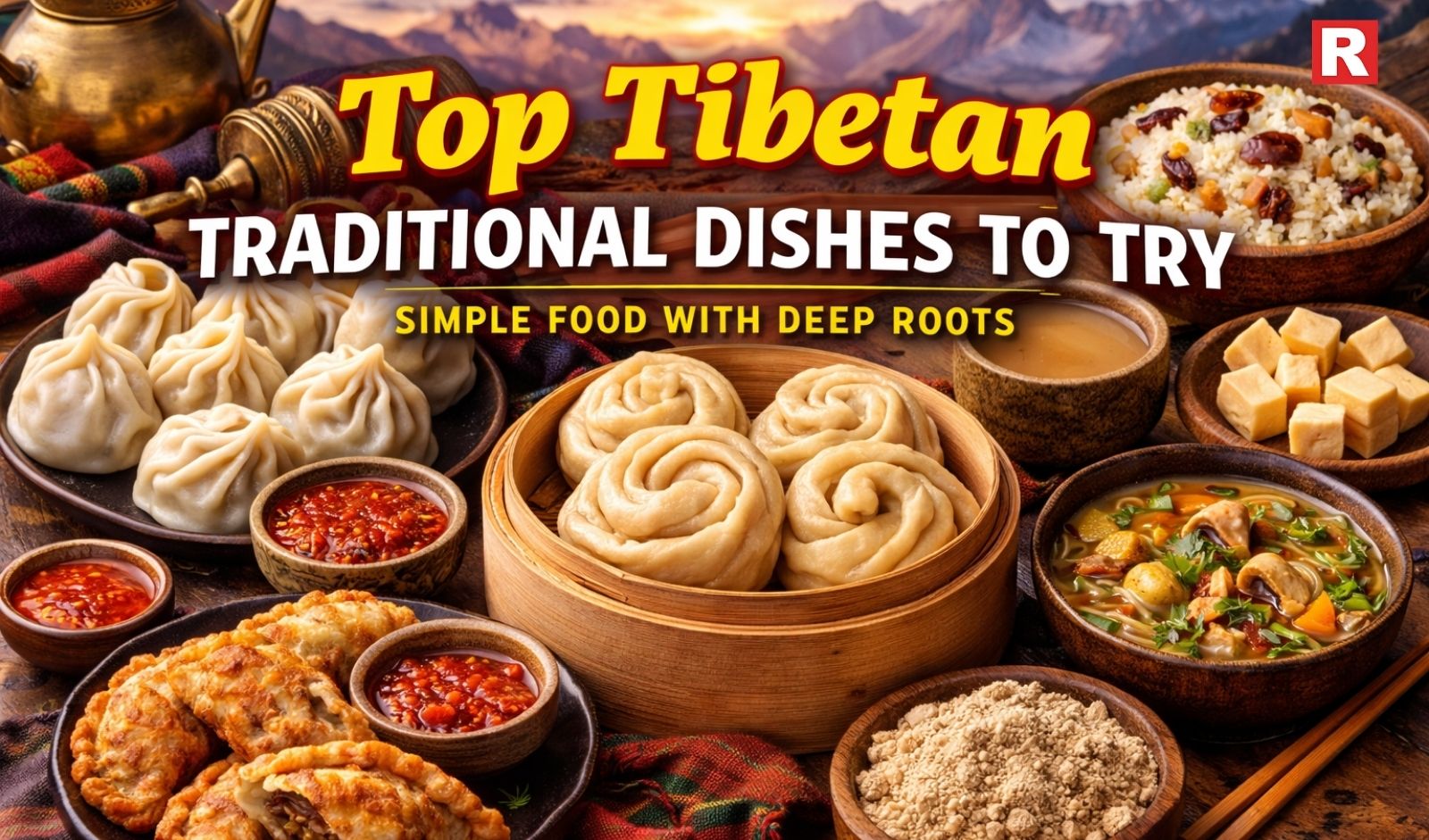
Tibetan food comes from a region of high mountains and cold weather. The cuisine is shaped by climate, geography, and daily survival needs. Meals focus on warmth, strength, and steady energy. Ingredients are simple and locally sourced. Barley, wheat, dairy, meat, and seasonal vegetables form the base of most dishes. Tibetan cooking does not rely on heavy spices. It uses slow cooking, steaming, and boiling. The flavours are mild but comforting.
In India, Tibetan cuisine has grown because of strong Tibetan communities in Dharamshala, McLeod Ganj, Majnu Ka Tilla in Delhi, Leh, and parts of Sikkim. Family-run kitchens, small cafes, and monastery canteens serve traditional food daily. For Indian food lovers, Tibetan food feels familiar but refreshing. It suits cold climates and people who prefer warm, light meals that still feel filling.
Find Top Tibetan Traditional Dishes to Try
1. Momos
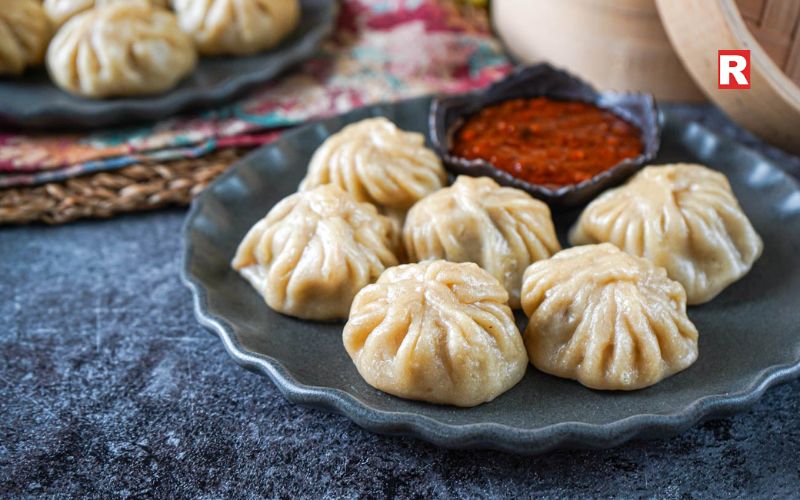
Momos are one of the most loved Tibetan dishes. They are steamed dumplings filled with vegetables or meat. In traditional Tibetan homes, yak meat and local greens are used as fillings. In India, vegetable and chicken momos are more common. Momos are always eaten hot. They are served with spicy chilli-garlic chutney. This chutney adds strong heat to the mild taste of the dumpling. In many Tibetan households, momos are prepared for daily meals, not only for guests. In McLeod Ganj and Dharamshala, momos are often served with a light soup. This helps keep the body warm and supports easy digestion in cold weather.
Read more: 5 Cities That Serve the Best Non-Vegetarian Street Food
Pani Puri Has Different Names in Different Indian States—Know Them All
2. Thukpa
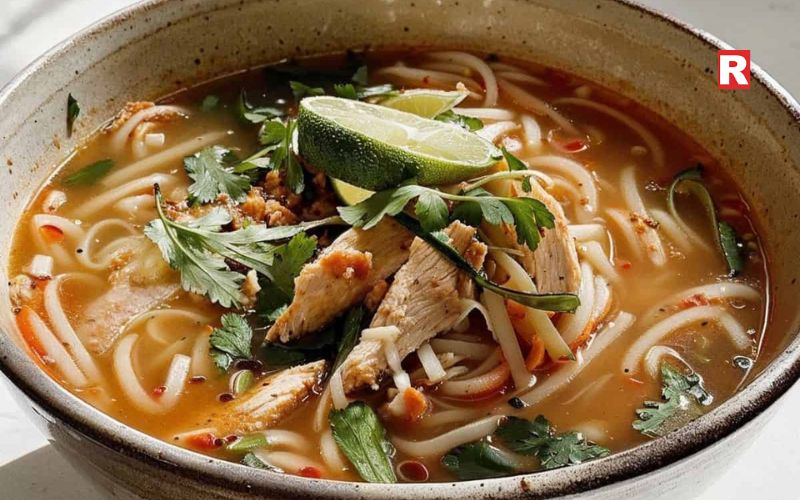
Thukpa is a traditional Tibetan noodle soup eaten as a full meal. It is cooked with wheat noodles, vegetables, and meat or tofu. The broth is light and gently spiced. Thukpa is meant to keep the body warm in cold regions. It is commonly eaten in the evening. In hill towns like Leh and Dharamshala, thukpa is a popular winter dish. Many families prepare it at home after long working days. Different regions cook thukpa in different ways. Some versions are thick and filling. Some are clear and light. The dish provides warmth, hydration, and steady energy, making it suitable for cold climates and high-altitude living.
3. Tsampa
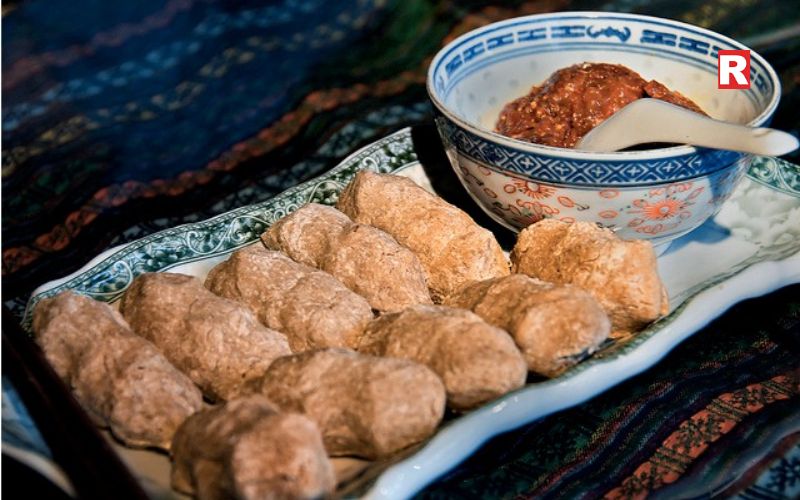
Tsampa is roasted barley flour and is a daily food in many Tibetan homes. It is simple and practical. Tsampa is mixed with butter tea or warm water to make a soft dough. It is easy to eat and easy to digest. This food gives steady energy and helps people stay full for long hours. Tsampa does not spoil easily and requires minimal cooking. This makes it useful in cold regions with limited resources. Many families eat tsampa in the morning or when quick strength is needed. Tsampa is also part of religious practices and festivals. It reflects how Tibetan food is shaped by climate and daily survival needs.
4. Butter Tea (Po Cha)
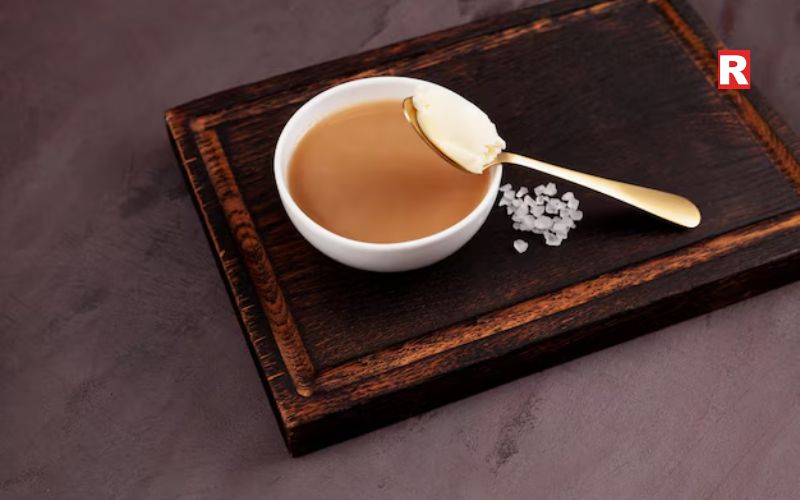
Butter tea is a traditional Tibetan drink made with black tea, yak butter, salt, and water. It is thick and salty in taste. It is not sweet. People in cold regions drink it daily to stay warm and maintain their energy. The fat in the butter helps the body handle low temperatures and high altitude. In monasteries, butter tea is served to monks and visitors as a sign of respect. In Tibetan homes in India, it is prepared during winters and special gatherings. Guests are often offered tea before food. This habit reflects Tibetan hospitality and care for visitors, especially in cold weather conditions.
5. Shabaley
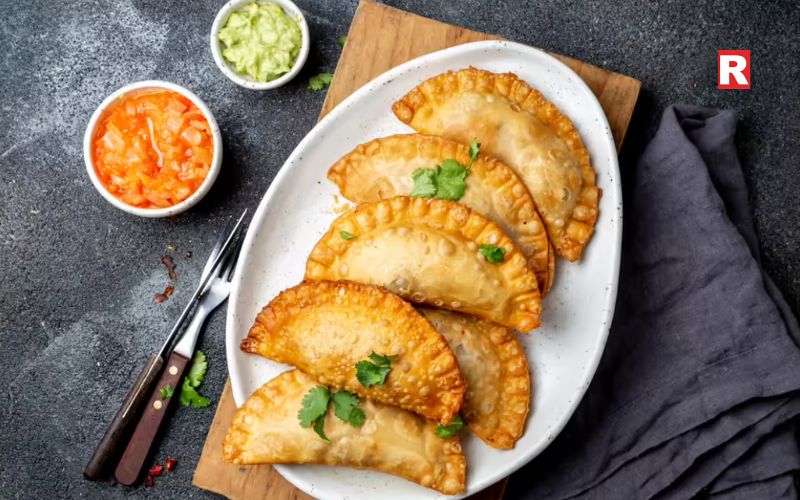
Shabaley is a stuffed fried bread filled with minced meat, onions, and herbs. The outer layer is crisp and golden. The inside remains soft and juicy. Shabaley is eaten as a snack or quick meal. It is filling and rich in taste. In Indian Tibetan markets, shabaley is sold at small food stalls. It is often eaten with spicy chutney or light soup. This dish is popular among younger people and workers who need quick food during the day. Shabaley shows the street food side of Tibetan cuisine. It reflects how traditional recipes adapt to busy daily life while keeping original flavours intact.
Know more: 10 Mountain Foods to Keep You Warm While Visiting One
6. Tingmo
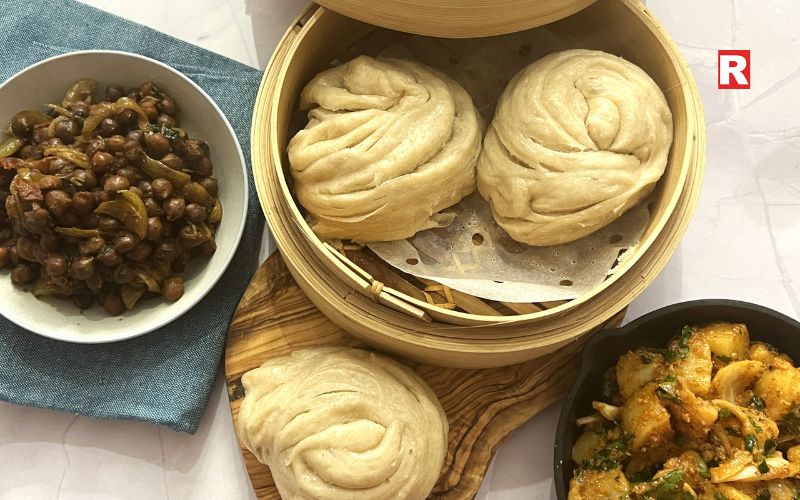
Tingmo is a soft steamed bread and a staple in Tibetan meals. It is light in texture and slightly fluffy. Tingmo is often served with soups, stews, and gravies. It replaces rice or roti in many homes. The bread soaks up the flavour of the main dish without becoming heavy. In Indian Tibetan settlements like Majnu Ka Tilla and Dharamshala, tingmo is commonly served with vegetable or meat gravies. It is usually prepared fresh and eaten while warm. Tingmo completes the meal by adding a soft, mild side that balances stronger dishes. It is easy to make and digest, making it a practical and versatile part of Tibetan cuisine.
7. Gyathuk
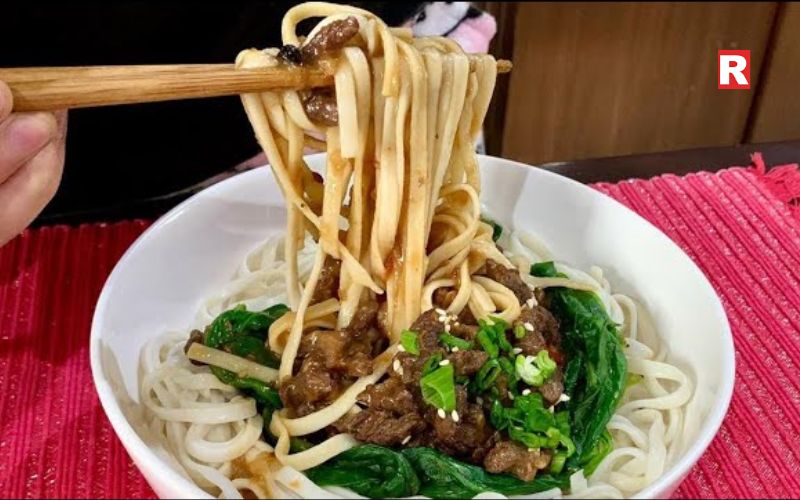
Gyathuk is a thick noodle soup that is heavier than thukpa. It is traditionally cooked with beef or mutton. In Indian kitchens, chicken or vegetables are often used instead. Gyathuk is filling and rich in flavour. It is usually eaten during cold weather or after long workdays to provide warmth and energy. The soup is cooked in large pots, often shared among family members. This reflects the communal aspect of Tibetan meals. The thick noodles and hearty broth make it a comfort food in high-altitude regions. Gyathuk is both practical and satisfying, giving people a substantial meal that combines protein, vegetables, and grains in one bowl.
8. Chhurpi
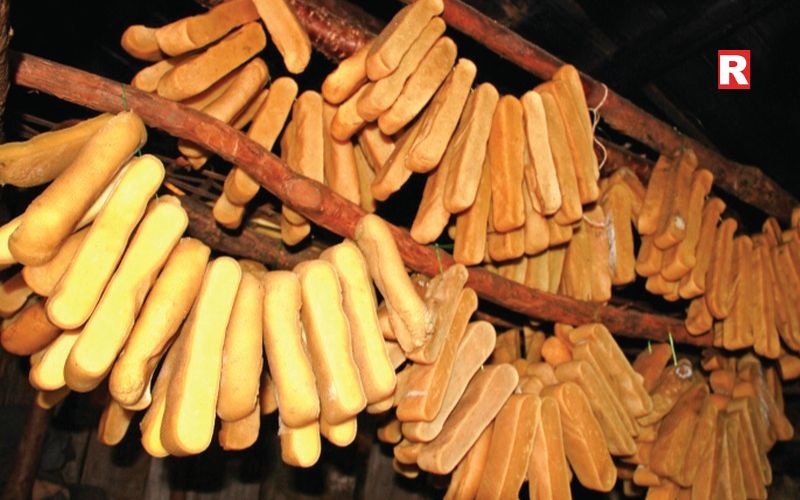
Chhurpi is a hard dried cheese made from yak or cow milk. It has a firm texture and is chewed slowly like a snack. Chhurpi is high in protein and provides lasting energy. It can be stored for long periods without refrigeration, which makes it useful in cold and remote areas. In India, chhurpi is available in Himalayan regions such as Sikkim and Ladakh. It is eaten as a daily snack or alongside meals. Chhurpi shows how Tibetan people preserve dairy in practical ways. It also reflects the simplicity of Tibetan food, where nutrition and shelf life are valued as much as taste.
9. Laping
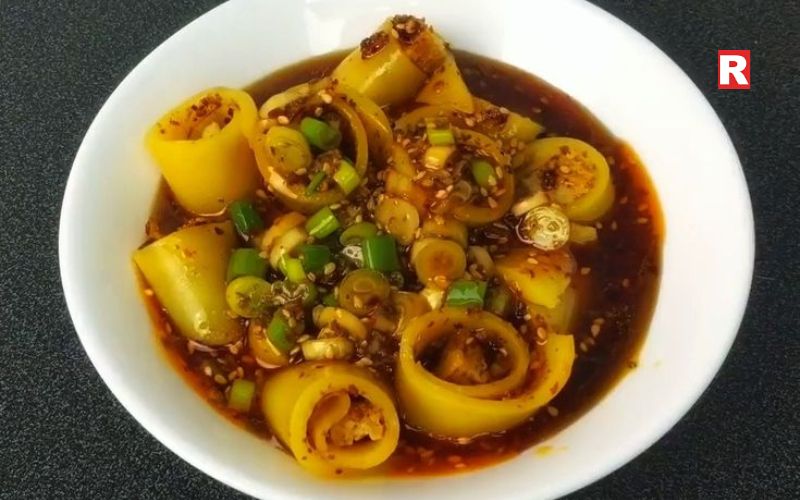
Laping is a cold noodle dish with bold, spicy flavours. It is made from wheat or mung bean starch. The noodles are mixed with chilli oil, garlic, vinegar, and soy sauce. Laping is served cold and has a chewy texture. It is especially popular among Tibetan youth and often sold as street food. The dish is a modern addition to Tibetan cuisine, influenced by changing tastes and urban food culture. In Indian Tibetan markets, laping is commonly found in small bowls ready to eat. It is refreshing in warmer weather and provides a sharp contrast to the traditional warm dishes like thukpa or gyathuk.
10. Dre-si
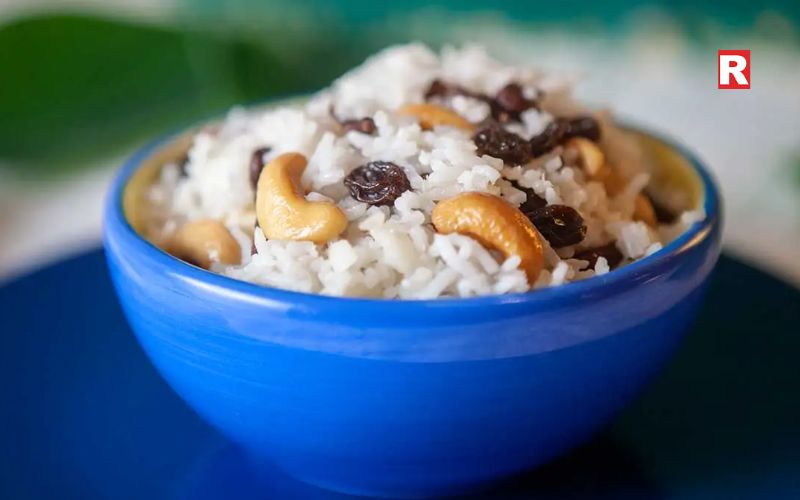
Dre-si is a sweet rice dish made with butter, sugar, and dried fruits. It is usually prepared for festivals and family celebrations. The dish is rich but simple to cook. Dre-si symbolizes joy, prosperity, and good wishes. Families prepare it during Tibetan New Year and special occasions. The rice is soft, buttery, and lightly sweet, with pieces of nuts or dried fruit adding flavour. Dre-si shows the festive side of Tibetan cuisine. It is not an everyday dish but represents cultural traditions and community gatherings. The sweet taste and simple preparation make it a meaningful part of Tibetan food culture, enjoyed by people of all ages.
Cultural Importance of Tibetan Food
Tibetan food is linked to survival and geography. Farming options are limited due to the climate. Barley, wheat, dairy, and meat form the core diet. Meals are shared within families and monasteries. Hospitality is central to Tibetan culture, and food plays a key role in welcoming guests.
Tibetan food uses fewer spices. It relies more on steaming and boiling. Soups and warm drinks are part of daily meals. Grains and dairy play a larger role. The flavours are mild but filling. This makes Tibetan food suitable for people who prefer light and comforting meals.
Also check: Top Famous Veg Street Foods in Kolkata That You Must Try Once in Your Life
5 Ways to Use Garden Cress Seeds (Halim) for Stronger Hair and Bones
Top 5 States With the Spiciest Food in India
Happy Eating!
Tibetan settlements in India have grown steadily over the years. Communities in places like Dharamshala, McLeod Ganj, Majnu Ka Tilla, Leh, and Sikkim have brought their food and traditions with them. Travel to Himalayan regions has increased, and many visitors discover Tibetan cuisine while exploring these areas. After trying dishes like momos and thukpa, travellers often seek the same food in cities across India. These dishes have become widely available in urban areas, from small cafes to street stalls. Interest in Himalayan food culture is rising, especially among people who enjoy warm, simple, and wholesome meals. Tibetan cuisine is easy to digest and focuses on practical, nourishing ingredients like barley, wheat, meat, and dairy. Its unique flavours and cultural roots appeal to Indian food lovers who want both comfort and authenticity. The cuisine’s popularity continues to grow as more people experience it beyond the Himalayan regions.
Saptopriya Ghosal
Feature Writer
I am a dedicated media professional with a bachelor's degree in mass communication from the State University of Calcutta and a postgraduate degree from Amity University. My academic journey has equipped me with a profound understanding of storytelling and communication. Passionate about the dynamic world of media, I continually strive to explore new ways to engage and inform through compelling narratives.



































































































































































