
Top Sugar Alternatives for a Healthier Lifestyle
Cutting down on sugar does not mean removing sweetness from daily life. Today, many sugar alternatives make this shift easier. Options like jaggery, honey, coconut sugar, dates, and stevia offer different benefits.

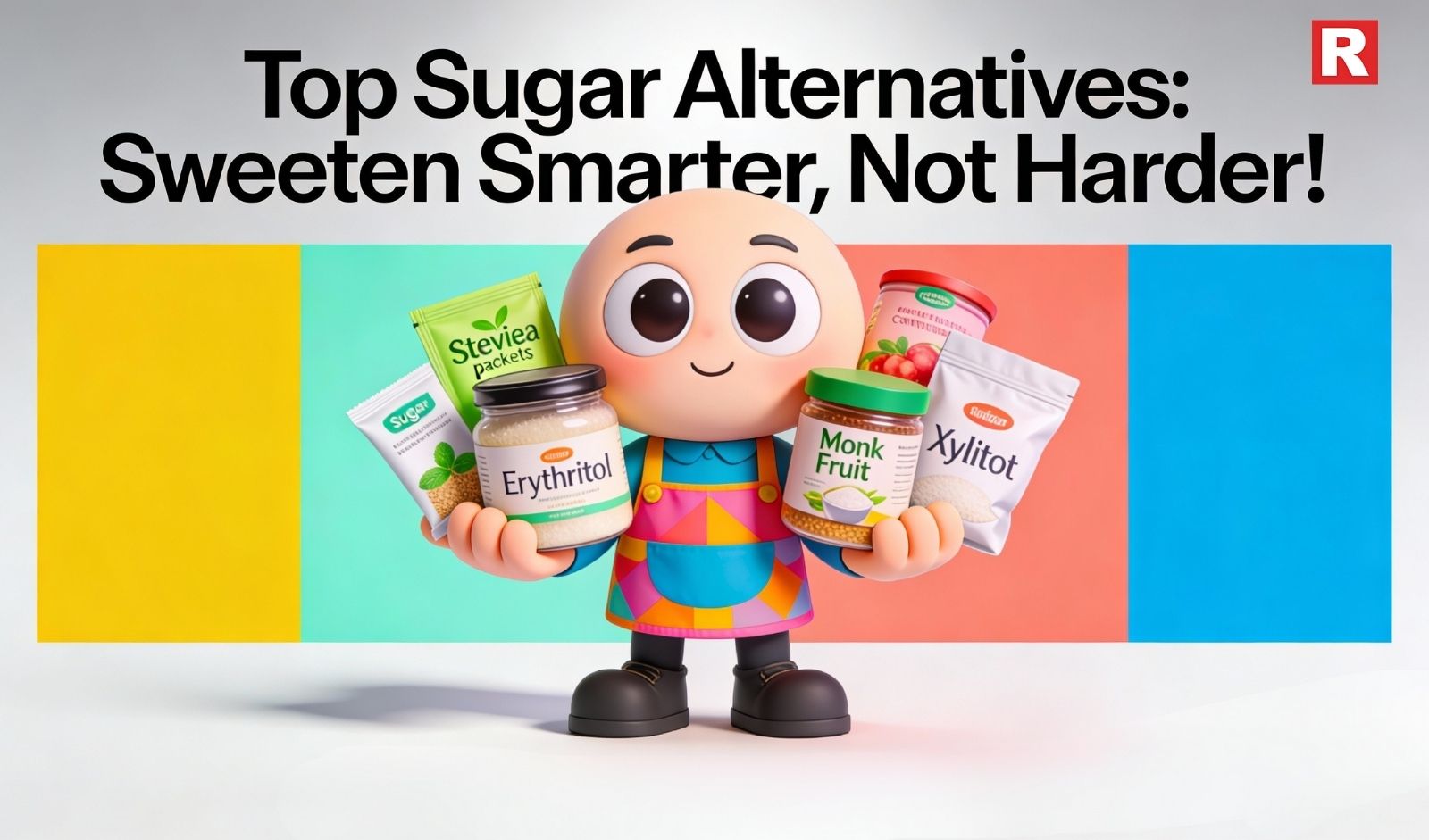
Sugar is a daily habit in most Indian homes. It is added to morning tea, homemade sweets, desserts, and festive dishes. For years, sugar was seen as a normal part of everyday food. Over time, this habit has started to show its effects. High sugar intake is now linked to rising cases of diabetes, obesity, and heart-related problems. These health concerns have pushed many people to rethink how much sugar they consume. As awareness grows, interest in sugar alternatives is increasing. People are looking for ways to enjoy sweetness without harming their health. Sugar alternatives help reduce overall calorie intake. They also help control sudden spikes in blood sugar levels. This makes them a preferred choice for many families.
Today, there are many options available. Some sugar alternatives come from natural sources like plants, fruits, and palms. Others are modern options made for low-calorie diets. Traditional choices such as jaggery and honey continue to be used, while newer options like stevia are becoming common. Each option serves a different purpose. The right choice depends on lifestyle, taste preference, and specific health needs. With informed decisions, sweetness can remain a part of everyday meals.
What Are Sugar Alternatives?
Sugar alternatives are sweeteners used instead of refined white sugar. They provide sweetness with fewer calories or a lower glycaemic impact. Some are natural. Some are processed from natural sources. Unlike white sugar, many alternatives also contain minerals or do not raise blood sugar levels quickly. These substitutes are commonly used in beverages, cooking, baking, and packaged foods. They are especially helpful for people managing diabetes or weight.
Types of Sugar Alternatives
Sugar alternatives can be divided into four main categories.
- Natural Sweeteners: These come from natural sources and are less processed.
- Plant-Based Sweeteners: Extracted from plants or fruits. Often used in modern diets.
- Low-Calorie Sweeteners: Provide sweetness with fewer calories than sugar.
- Zero-Calorie Sweeteners: Offer sweetness without adding calories.
Each type suits different dietary needs.
Explore Top Sugar Alternatives to Include in Your Diet
1. Stevia
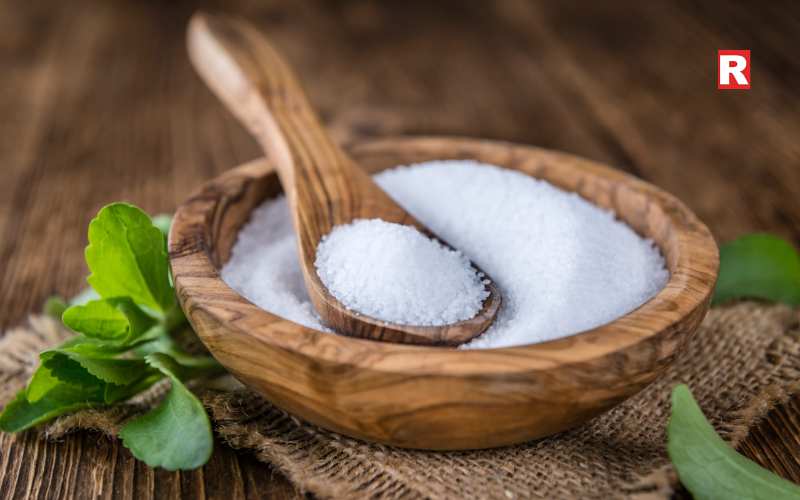
Stevia comes from the leaves of the stevia plant. It is one of the most popular sugar substitutes today. Many people choose it because it has zero calories. It does not increase blood sugar levels. This makes it a suitable option for people with diabetes. Stevia is much sweeter than regular sugar. Only a small quantity is needed to get the desired taste. This helps reduce overall sugar intake. It blends well in daily beverages like tea and coffee. It is also used in homemade desserts and light baking. Stevia is available in liquid drops and powdered form. Both are easy to use and store. Due to its plant-based origin and health benefits, stevia is becoming a regular choice in many Indian kitchens.
Best for: Diabetes-friendly diets, weight management
Glycaemic Index: Zero
Read more: Top 15 Vitamin B12 Foods You Must Add to Your Diet
White Vinegar Uses and Cooking Hacks: Simple Kitchen Secrets You Should
2. Honey
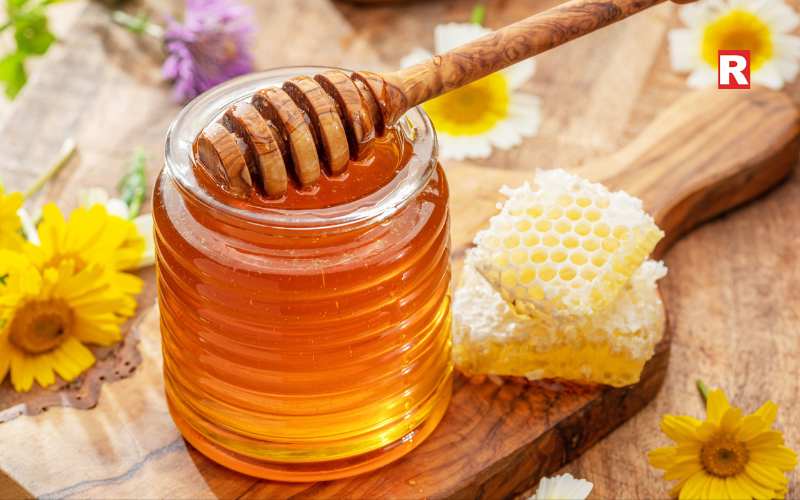
Honey has been used as a sweetener in Indian households for generations. It is valued for its natural origin and rich taste. Honey contains antioxidants and small amounts of minerals. This gives it added nutritional value compared to white sugar. Its strong flavour enhances the taste of drinks, desserts, and home remedies. Despite its benefits, honey still contains natural sugars and calories. It can raise blood sugar levels if consumed in excess. For this reason, it should be used carefully and in small amounts. Raw or organic honey is considered a better option. It is less processed and retains more of its natural properties. When used mindfully, honey can be a healthier alternative to refined sugar in daily diets.
Best for: Immunity support, home remedies
Glycaemic Index: Moderate
3. Jaggery (Gud)
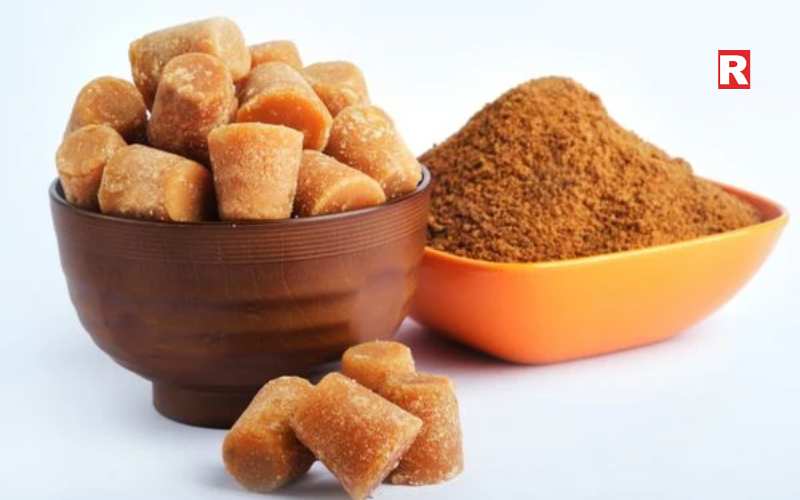
Jaggery is widely used in Indian cooking and traditional recipes. It is made from sugarcane juice or palm sap through a natural process. Unlike white sugar, jaggery is less refined. It retains minerals such as iron, magnesium, and potassium. These nutrients add to its value in everyday diets. Jaggery has a deep and rich flavour. It is commonly used in sweets, rotis, laddoos, and festive dishes. Many households also add it to warm drinks during winter. While jaggery is considered a better option than white sugar, it still contains natural sugars. It can raise blood sugar levels if consumed in large amounts. Moderate use is important. When eaten mindfully, jaggery can be a healthier and more traditional sweetening choice.
Best for: Traditional recipes, seasonal sweets
Glycaemic Index: High, but nutritionally richer
4. Coconut Sugar
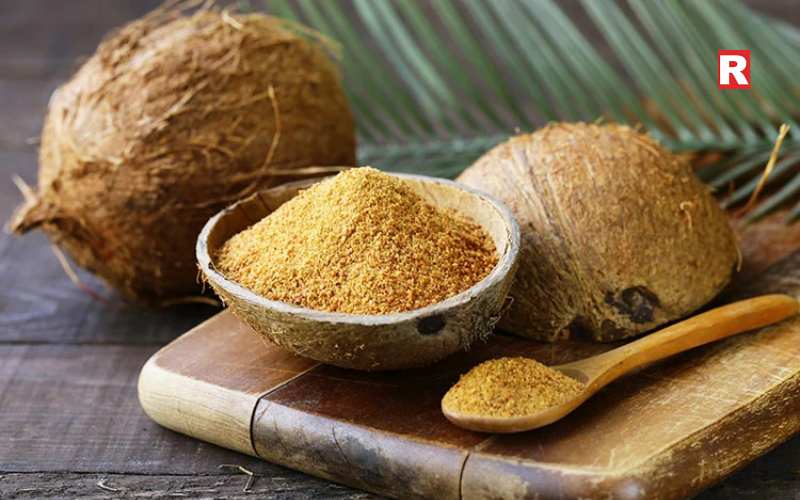
Coconut sugar is made from the sap of coconut palm flowers. It is less processed compared to white sugar. This helps retain some natural nutrients. Coconut sugar has a mild, caramel-like taste. It adds a soft sweetness to food without being overpowering. It contains small amounts of minerals such as zinc and potassium. These nutrients add to its appeal as a better sugar option. Coconut sugar has a lower glycaemic index than white sugar. This means it causes a slower rise in blood sugar levels. It is often chosen by people who want better control over sugar intake. Coconut sugar works well in baking, desserts, and daily beverages like tea or coffee. Its flavour blends easily without changing the original taste of the dish.
Best for: Baking and desserts
Glycaemic Index: Lower than white sugar
5. Date Sugar
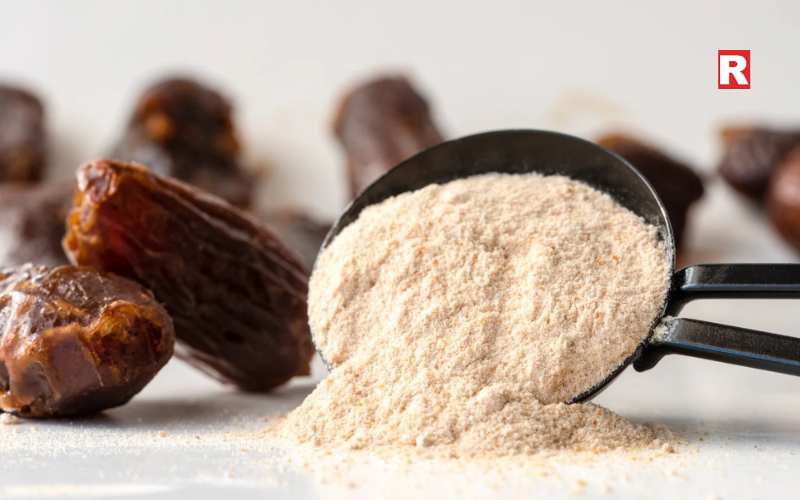
Date sugar is made from dried dates that are finely ground. It is minimally processed, which helps retain natural fibre and essential minerals. This makes it a preferred option for those following clean and natural diets. Date sugar has a mild and slightly fruity taste. It adds gentle sweetness without overpowering other flavours. Unlike regular sugar, date sugar does not dissolve fully in liquids. For this reason, it is not ideal for tea or coffee. It works better in baking and dry recipes. It is commonly used in cakes, cookies, and energy snacks. Many health-conscious individuals choose date sugar for its natural source and nutritional value. When used correctly, it can be a wholesome alternative to refined sugar in everyday cooking.
Best for: Baking and snacks
Glycaemic Index: Moderate
Know more: 5 Ways to Use Garden Cress Seeds (Halim) for Stronger Hair and Bones
6. Monk Fruit Sweetener
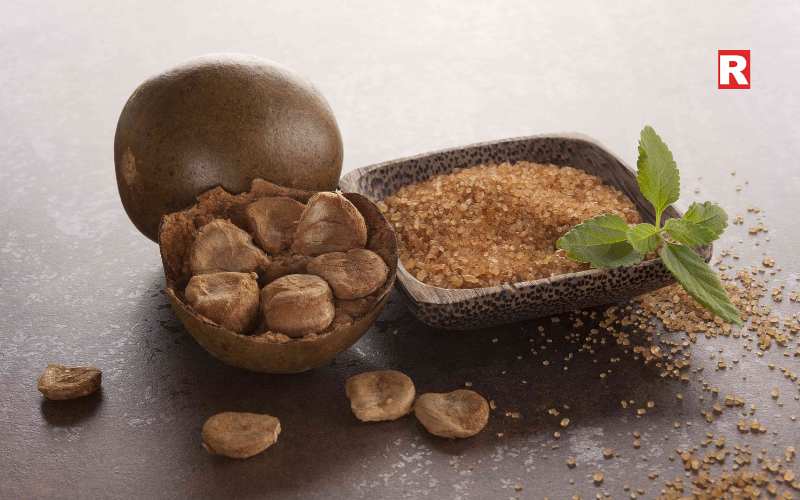
Monk fruit comes from Southeast Asia and is slowly gaining popularity in India. It is known for its natural sweetness and zero-calorie content. Monk fruit does not raise blood sugar levels. This makes it suitable for people managing diabetes or weight concerns. The sweetener is often blended with erythritol. This helps balance the taste and improve texture. When blended well, monk fruit has no bitter aftertaste. It works smoothly in daily beverages like tea and coffee. It is also used in desserts and sugar-free recipes. Due to its clean taste and health-friendly profile, monk fruit is becoming a preferred option among people looking for modern sugar alternatives.
Best for: Sugar-free diets
Glycaemic Index: Zero
7. Erythritol
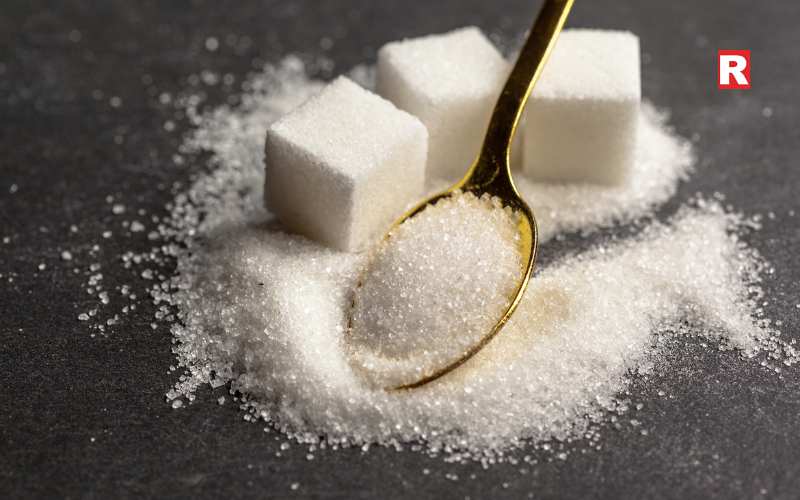
Erythritol is a sugar alcohol found naturally in some fruits. It is widely used as a sugar substitute. Erythritol contains almost no calories. It does not cause sudden spikes in blood sugar levels. This makes it suitable for people watching their sugar intake. The taste of erythritol is very similar to regular sugar. It does not have a strong aftertaste. Because of this, it is commonly used in baking and cooking. Many packaged sugar-free foods also use erythritol as a sweetener. Most people digest it well when consumed in moderate amounts. It does not usually cause discomfort like some other sugar alcohols. This makes erythritol a popular choice in low-calorie and sugar-free diets.
Best for: Baking and keto diets
Glycaemic Index: Zero
8. Xylitol
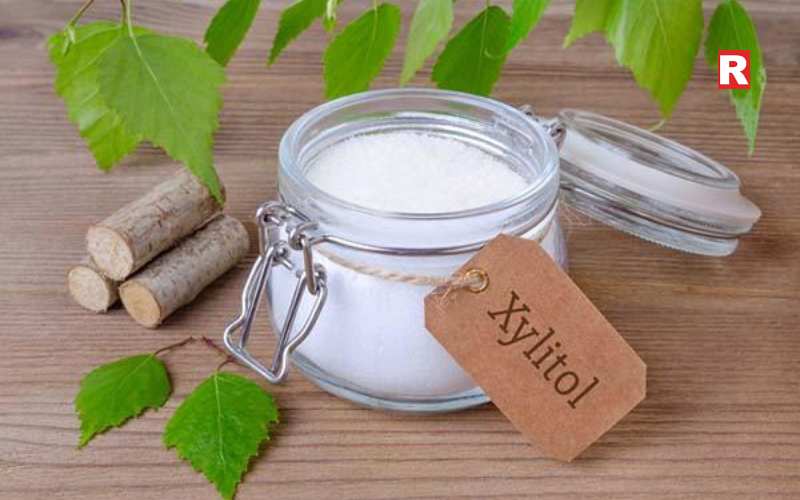
Xylitol is another type of sugar alcohol used as a sugar substitute. It is well known for its dental benefits. Many sugar-free chewing gums and oral care products use xylitol. It helps reduce the growth of bacteria that cause tooth decay. Xylitol has fewer calories than regular sugar. It also has a lower effect on blood sugar levels. This makes it a better option than white sugar for occasional use. However, xylitol should be consumed in limited amounts. Eating too much may lead to digestive discomfort such as bloating or loose stools. When used carefully, xylitol can be a useful sweetener, especially for improving oral health while reducing overall sugar intake.
Best for: Oral health, occasional use
Glycaemic Index: Low
Sugar Alternatives vs White Sugar
White sugar offers empty calories. It has no vitamins or minerals. It raises blood sugar levels quickly. This leads to energy crashes and long-term health issues. Sugar alternatives provide sweetness with added benefits. Some have zero calories. Others contain minerals or fibre. They help reduce dependency on refined sugar and support healthier eating habits.
Reducing white sugar intake has several advantages.
It helps control blood sugar levels.
It supports weight management.
It lowers the risk of lifestyle diseases.
It improves energy balance throughout the day.
Many people also experience better digestion and fewer sugar cravings.
Also check: These 7 Foods Can Help You Cool Your Stomach in Summer
Top Low-Calorie Foods to Enjoy Guilt-Free
What Is Fermented Food? Is It Really Good for Your Health?
How to Choose the Right Sugar Alternative
The right choice depends on individual needs.
People with diabetes should choose zero-GI options like stevia or erythritol.
Those focused on natural diets may prefer jaggery, honey, or date sugar.
For baking, coconut sugar and erythritol work well.
Taste preference also matters. Some alternatives are sweeter than sugar.
Reading labels is important. Avoid products with added fillers or artificial additives.
Stay Healthy!
Cutting down on sugar does not mean removing sweetness from daily life. Today, many sugar alternatives make this shift easier. Options like jaggery, honey, coconut sugar, dates, and stevia offer different benefits. Each suits a different need, taste, and lifestyle. Some are traditional. Some are modern. All help reduce dependence on white sugar. Small changes create long-term impact. Replacing white sugar in tea, coffee, or desserts can support better health over time. Many sugar alternatives have a lower effect on blood sugar levels. Some also contain minerals or fewer calories. This makes them a smarter choice for everyday use. A balanced lifestyle is built on mindful habits. Choosing better sweeteners is one such habit. It does not require strict rules or sacrifice. It only needs awareness and consistency. With the right choices, sweetness can stay. Health can improve. And daily meals can still feel satisfying and enjoyable.
Saptopriya Ghosal
Feature Writer
I am a dedicated media professional with a bachelor's degree in mass communication from the State University of Calcutta and a postgraduate degree from Amity University. My academic journey has equipped me with a profound understanding of storytelling and communication. Passionate about the dynamic world of media, I continually strive to explore new ways to engage and inform through compelling narratives.



































































































































































